
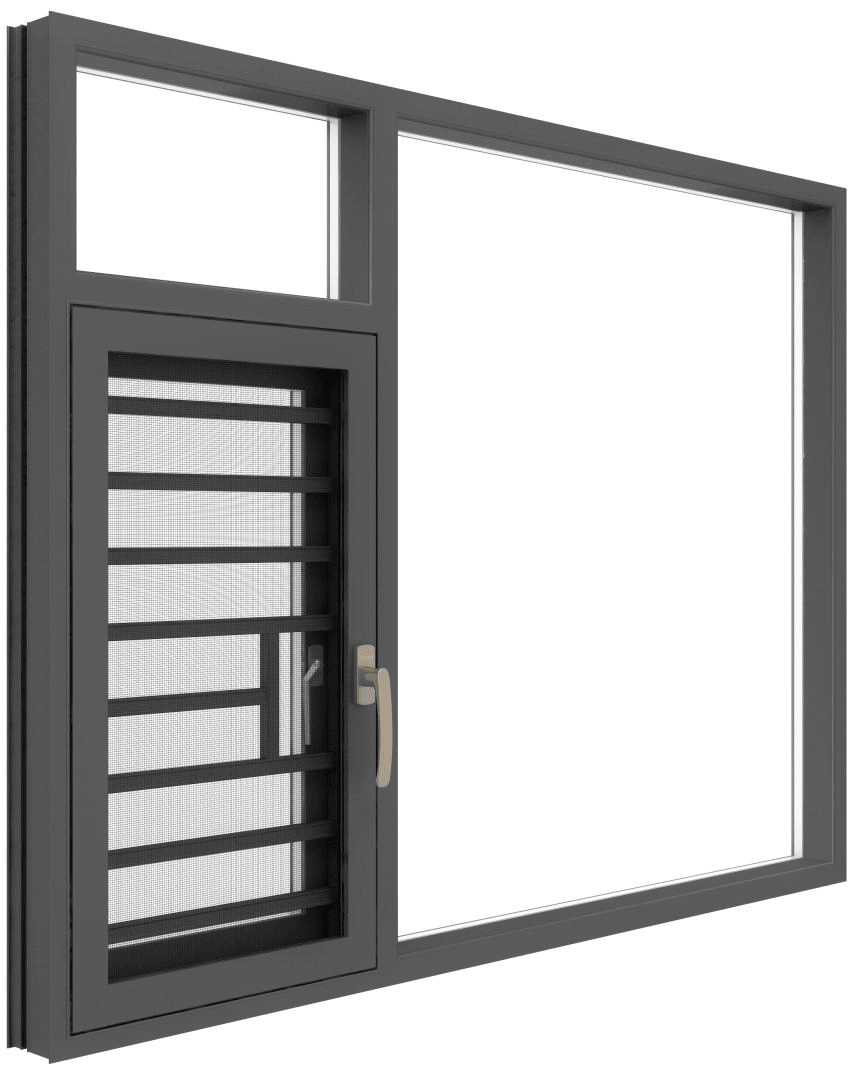
When it comes to choosing the perfect entryway or patio access point for your home, the options can feel overwhelming. Sliding doors, French doors, and inswing configurations—each has its place. But there is one type of door that consistently delivers on security, durability, and everyday practicality, yet remains underappreciated: the outswing casement door.
Unlike traditional sliding patio doors or inward-opening hinged doors, an outswing casement door opens outward, away from the interior living space. This seemingly simple design shift unlocks a host of advantages that can transform how you experience your home—from the way you use your floor plan to how confidently you weather a storm.
In this article, we will explore five key benefits of installing an outswing casement door, drawing on industry expertise and real-world performance data. Whether you are building a new home, renovating, or simply upgrading a tired entryway, understanding these advantages will help you make a choice that pays dividends for years to come.
Benefit 1: Maximized Interior Space and Unobstructed Flow
One of the most immediate and appreciated benefits of an outswing casement door is the way it preserves interior square footage. Inswing doors—whether hinged entry doors or traditional French doors—require a clear arc of operation inside the room. This means furniture cannot be placed too close, rugs must be positioned carefully, and the traffic flow is constantly interrupted by the door’s swing path.
A Solution for Tight Spaces
For rooms where every inch matters—such as a compact patio entrance, a mudroom, or a home office leading to a garden—an outswing casement door is a game-changer. Because the door swings outward, the interior space remains completely unobstructed. You can place a sofa, a console table, or even a large area rug right up to the threshold without impeding the door’s operation.
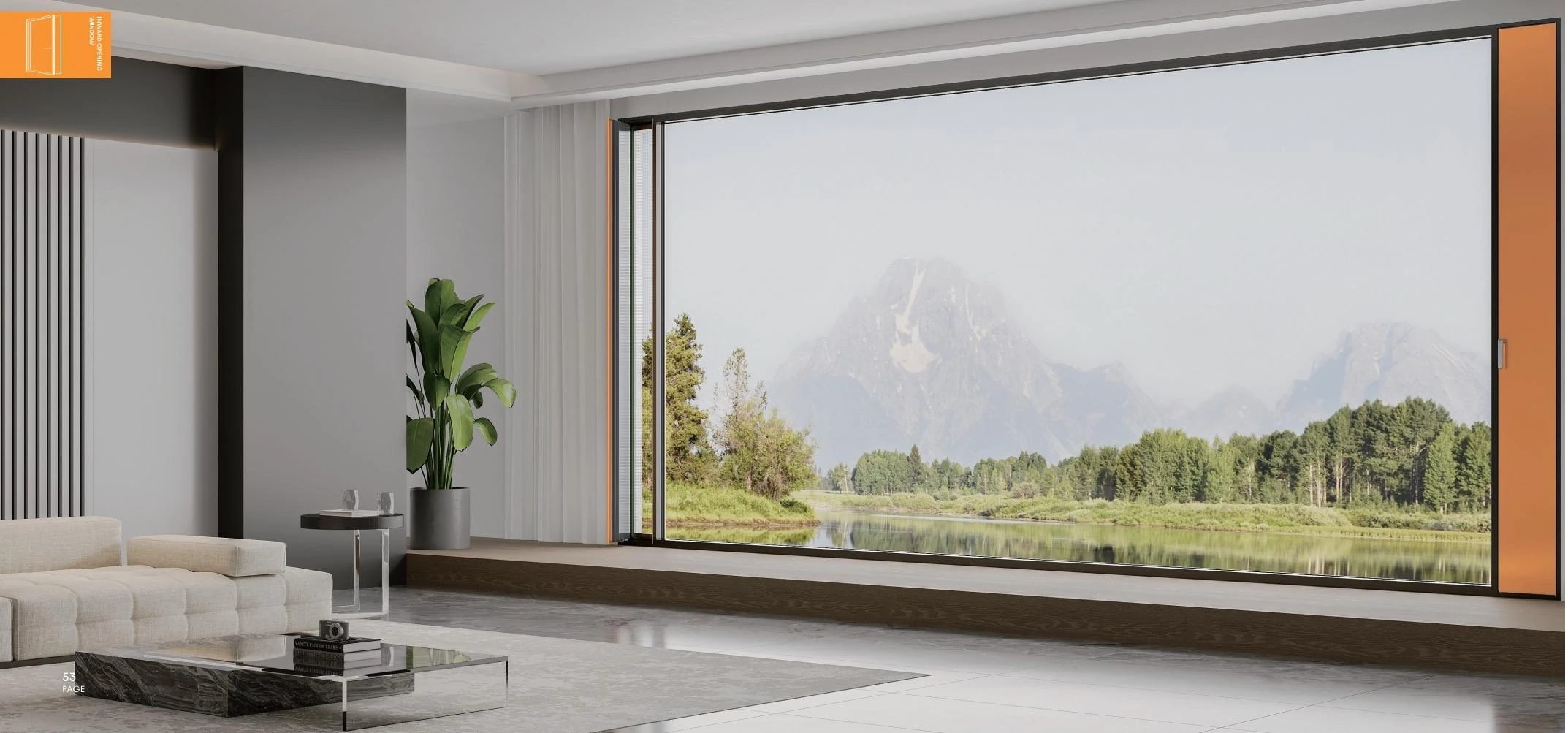
This really comes in handy with today’s open-concept floor plans. An outswing casement door helps blend indoor and outdoor spaces smoothly, letting your view and movement flow naturally without a door swinging into the room and getting in the way.
Enhanced Entertainment and Accessibility
If you enjoy entertaining, the last thing you want is a door that blocks the flow between your indoor living area and an outdoor deck or patio. With an outswing casement door, you can keep the door open during gatherings, allowing guests to move in and out effortlessly. The lack of an interior swing also means no one has to step back or navigate around a door while carrying food, drinks, or outdoor gear.
Benefit 2: Superior Weather Resistance and Energy Efficiency
Doors are a critical part of your home’s thermal envelope. A poorly sealed or drafty door can account for significant energy loss, driving up heating and cooling costs. The outswing casement door excels in this area due to its fundamental design.
The Physics of the Seal
When an outswing casement door closes, the pressure of the wind actually pushes the door tighter against the weatherstripping, rather than forcing it inward. This is the opposite of an inswing door, which can be pushed open or develop gaps when wind pressure is applied from the outside.
This compression seal effect means that outswing casement doors consistently outperform many other door types in terms of air infiltration resistance. According to industry testing standards (such as those used for AAMA and NFRC certifications), properly installed outswing doors often achieve some of the lowest air leakage ratings available.
Multi-Point Locking Systems and Thermal Breaks
Good outswing casement doors usually come with multi-point locking systems that latch at several spots along the frame. This feature doesn’t just boost security—it also helps pull the door evenly against the weatherstripping, forming a snug, reliable seal all around.
On top of that, many modern outswing casement doors include thermal breaks. These are insulating sections inside the aluminum or steel frames that block heat from moving between the outside and inside. Pair those with double or triple-pane glass, and you get doors that do a pretty good job of keeping indoor temperatures steady and can even help lower energy costs.
| Feature | Outswing Casement Door | Traditional Sliding Door | Inswing Hinged Door |
|---|---|---|---|
| Air Infiltration | Very low (compression seal) | Moderate to high (overlapping panels) | Moderate (single-point lock) |
| Thermal Performance | Excellent with thermal break | Moderate | Moderate to good |
| Weather Resistance | Excellent (wind pushes tighter) | Moderate | Moderate (wind can push open) |
| Energy Efficiency Rating | Top tier | Average | Average to good |
Benefit 3: Enhanced Security and Forced Entry Resistance
Home security is non-negotiable, and your entry doors are the first line of defense. The outswing casement door offers distinct security advantages that are worth understanding.
Inaccessible Hinges
One of the most common vulnerabilities of an inswing door is the location of the hinges. With an inswing configuration, the hinge pins are located on the exterior side of the door. A determined intruder with basic tools can potentially remove the hinge pins, allowing the door to be lifted off its frame.
By contrast, an outswing casement door has its hinges located on the interior side of the door jamb. The hinge pins are not accessible from the outside, eliminating this attack vector. This is a simple but powerful security feature that makes forced entry significantly more difficult.
Multi-Point Locking Systems
As mentioned, most outswing casement doors come standard with multi-point locking mechanisms. When the handle is engaged, stainless steel hooks or rollers extend into the door frame at multiple points—typically three or more. This distributes the locking force across the entire door, making it far more resistant to prying or kicking than a standard single-point deadbolt.
Data from security testing organizations consistently shows that doors with multi-point locks and concealed hinges offer substantially higher resistance to forced entry compared to traditional hinged or sliding configurations.
Structural Integrity
Outswing casement doors are often constructed with reinforced aluminum or steel frames, providing inherent rigidity. When closed and locked, the door becomes an integral part of the wall structure, rather than a separate panel that can be compromised. This makes them an excellent choice for ground-floor entries, patio access points, and any location where security is a primary concern.
Benefit 4: Uncompromised Views and Natural Light
Modern homeowners value natural light and unobstructed views. The outswing casement door is designed to deliver on both counts.
Slim Sightlines
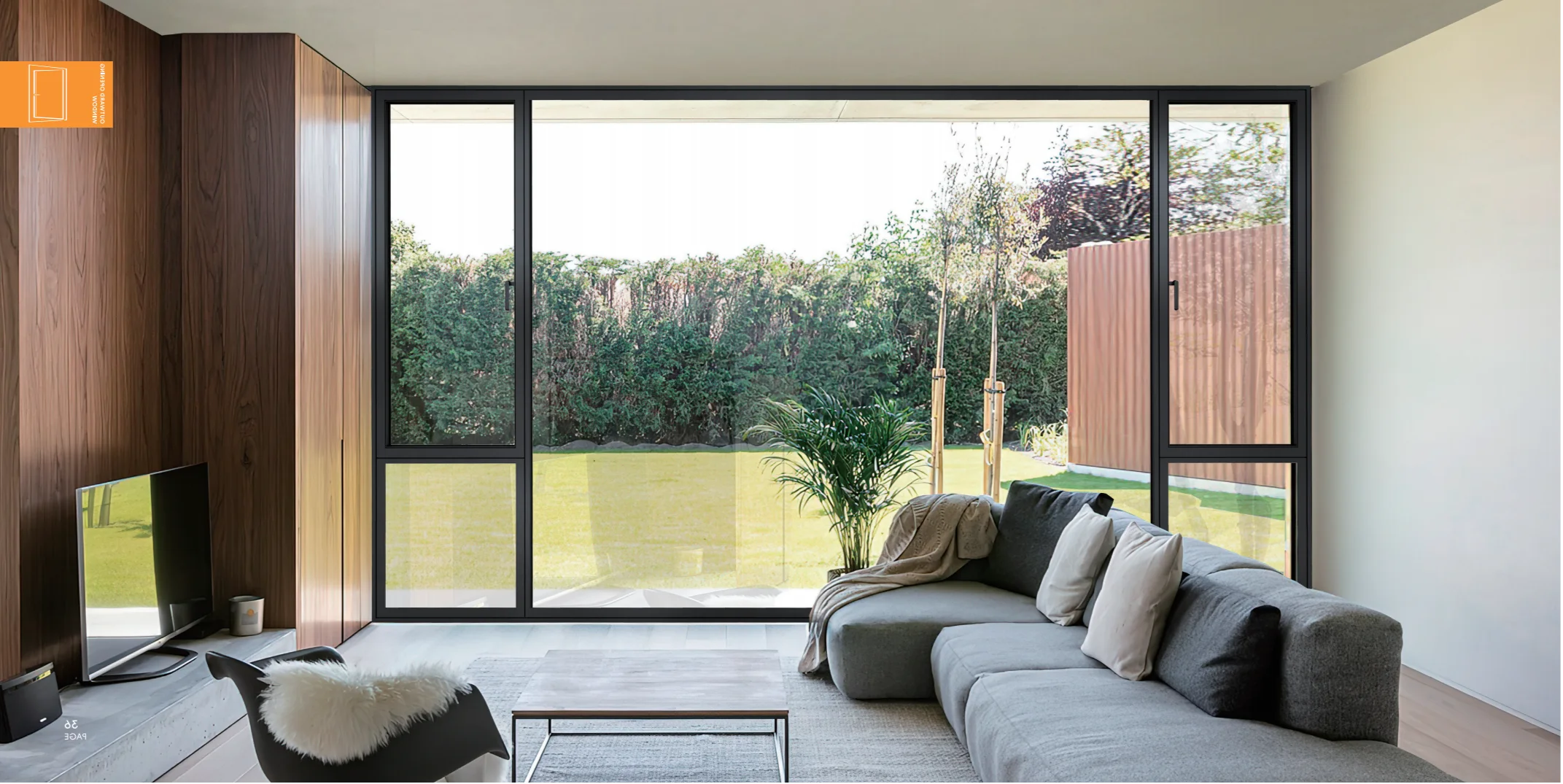
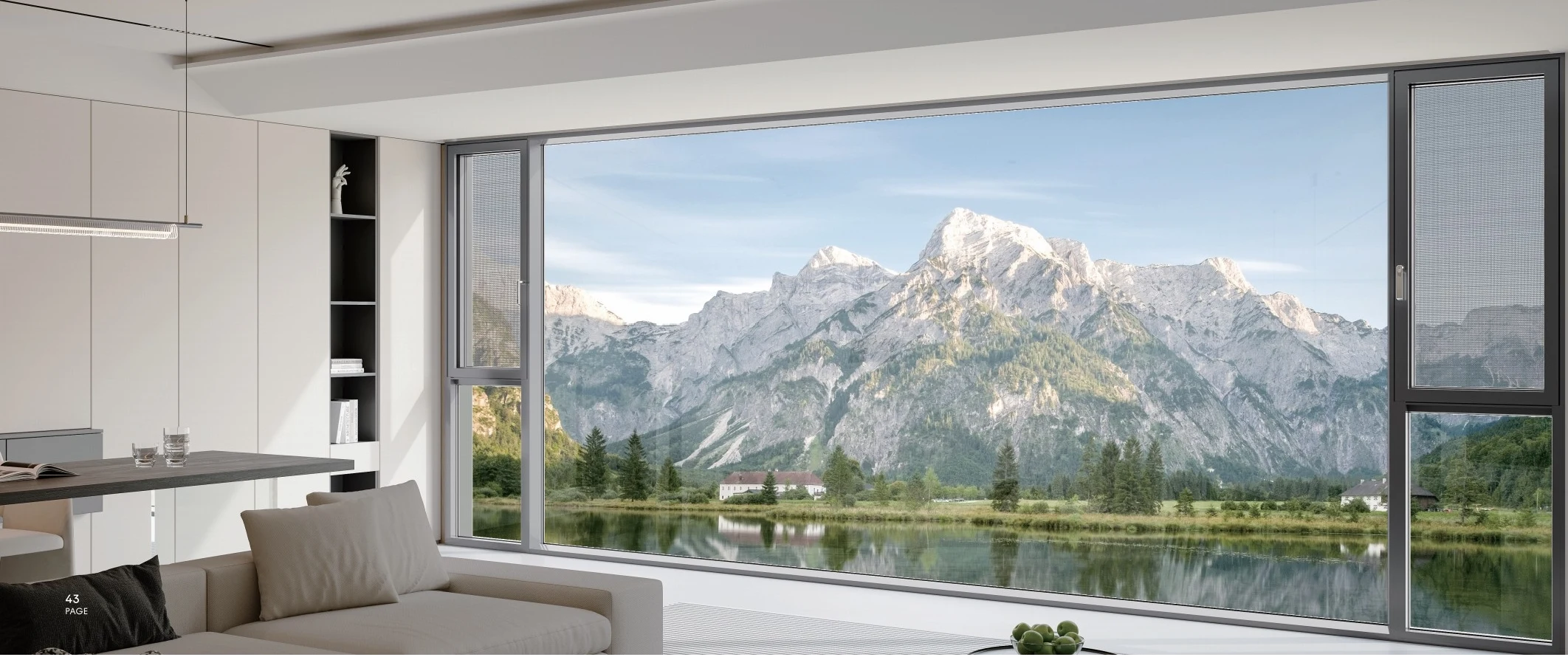
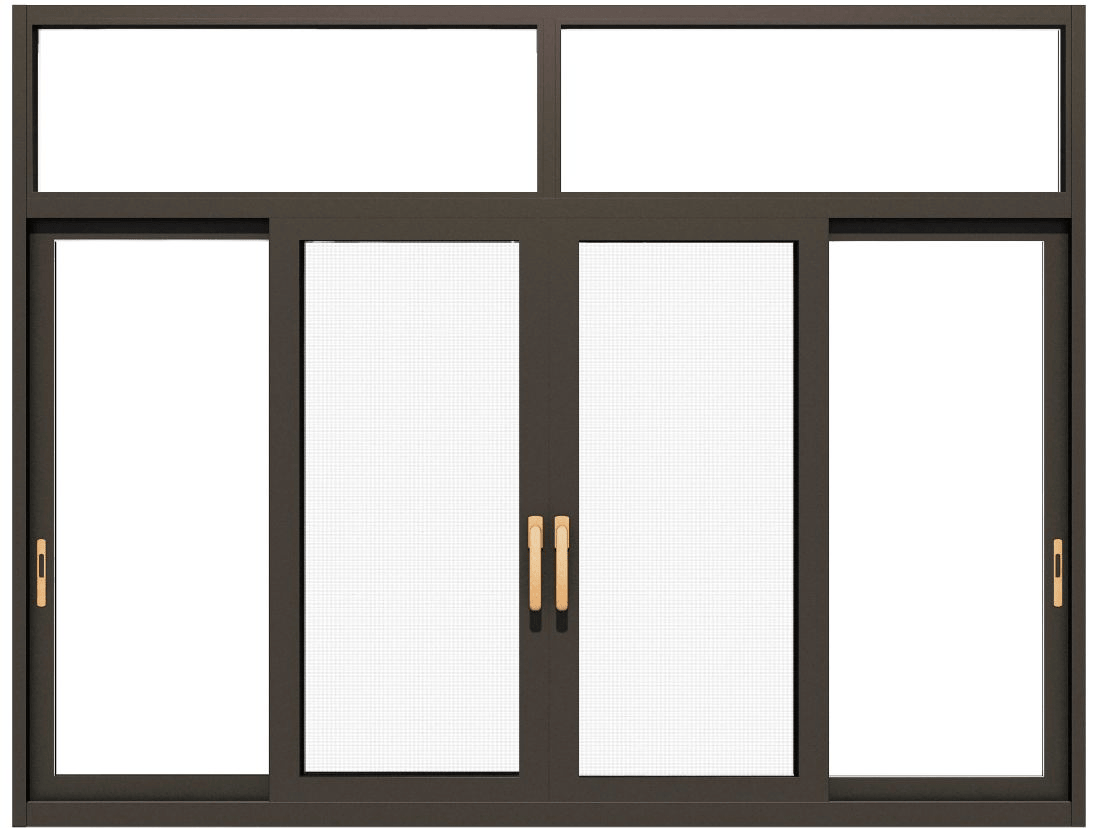
Because outswing casement doors rely on hinges rather than tracks or bulky sliding mechanisms, manufacturers can design frames with exceptionally slim profiles. This maximizes the glass area relative to the overall door size, providing expansive, uninterrupted views of your outdoor space.
Many outswing casement door systems offer configurations with narrow stiles (vertical frame members) and rails (horizontal frame members), allowing the glass to take center stage. This is particularly appealing for homes with scenic backyards, gardens, or waterfront views.
Versatile Configurations
Outswing casement doors are highly versatile in terms of configuration. Common options include:
Single outswing: One operable panel with a fixed sidelite or panel.
Double outswing (French style): Two panels that both open outward, creating a wide, symmetrical opening.
Multi-panel systems: Combinations of operable and fixed panels that can span entire walls, blurring the line between indoors and outdoors.
These configurations allow you to tailor the amount of glass, the openness of the entrance, and the aesthetic to your specific architectural style and functional needs.
Benefit 5: Durability and Long-Term Performance
An outswing casement door is not just a short-term upgrade—it is a long-term investment in your home’s envelope and functionality. When properly manufactured and installed, these doors are built to last.
Engineered for the Elements
Outswing casement doors are commonly constructed from extruded aluminum, which offers an exceptional strength-to-weight ratio, corrosion resistance, and dimensional stability. Unlike wood, which can warp, swell, or rot over time, aluminum frames maintain their shape and function even in demanding climates.
For coastal or high-humidity environments, many manufacturers offer marine-grade finishes and stainless steel hardware to resist salt corrosion. The result is a door that maintains its smooth operation, tight seals, and aesthetic appearance for decades with minimal maintenance.
Low Maintenance Requirements
Compared to wood doors that require periodic sanding, painting, or staining, an outswing casement door with a powder-coated aluminum finish is remarkably low maintenance. Occasional cleaning of the glass and wiping down the frames is typically all that is required to keep the door looking and performing like new.
Proven Lifecycle Cost
While the initial investment in a high-quality outswing casement door may be higher than some alternatives, the total cost of ownership is often lower over the long term. Reduced energy bills, minimal maintenance, and a longer service life contribute to a favorable lifecycle cost—not to mention the added value to your home’s resale appeal.
Comparison: Outswing Casement Door vs. Other Door Types
To summarize the performance differences, the following table compares the outswing casement door against common alternatives across key criteria.
| Criterion | Outswing Casement Door | Inswing Casement Door | Sliding Patio Door |
|---|---|---|---|
| Interior Space Use | Excellent (no interior swing) | Poor (requires clearance) | Good (no swing) |
| Air/Water Tightness | Excellent (compression seal) | Good (compression seal) | Moderate (sliding seal) |
| Security | Excellent (interior hinges, multi-point lock) | Moderate (exterior hinges) | Moderate (vulnerable track) |
| Ease of Use | Easy (lever handle) | Easy (lever handle) | Can require significant force |
| View Area | Excellent (slim frames) | Excellent (slim frames) | Good (but the frame can be bulky) |
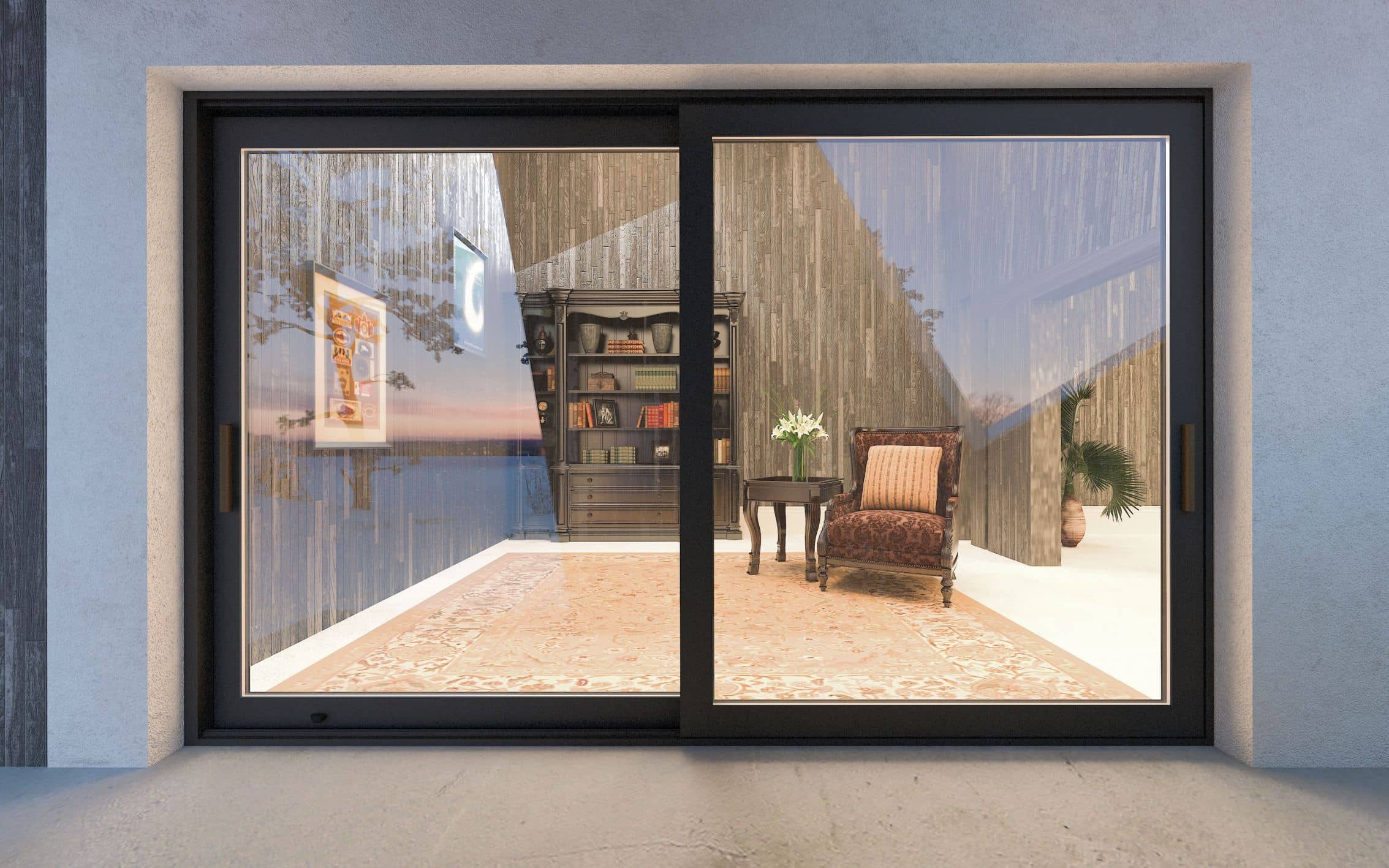
| Ventilation | Excellent (full opening) | Excellent (full opening) | Moderate (50% opening max) |
| Ideal Applications | Patios, ground-floor entries, tight interiors | Traditional entries, wide exterior spaces | Decks with limited exterior clearance |
FAQ
1. Are outswing casement doors to use in areas with strong winds or hurricanes?
Yes outswing casement doors are often used in areas with hurricanes. The door swings outward so wind pushes it against the frame and seal making it tighter. Many outswing casement doors have glass and frames that meet building codes for high winds.
2. Can snow or debris stop my outswing casement door from opening?
This is something to think about. In areas with a lot of snow you need to keep the area in front of the door clear. Make sure there’s space for the door to swing open. You can also install the door enough or choose a door that swings in a way that doesn’t get blocked.
3. How does an outswing casement door compare to a sliding door in terms of energy efficiency?
Outswing casement doors are usually more energy-efficient than sliding doors. Sliding doors have parts that can wear out and let air in. Outswing casement doors have a seal and a strong lock, which keeps air from getting in and makes them perform better.
4. Can I replace a sliding door with an outswing casement door?
Yes often you can,. It depends on the door frame and wall structure. Replacing a sliding door with an outswing casement door requires a frame and maybe some changes to the exterior or interior. You should talk to a door expert or contractor to see if it’s possible and to ensure its installed correctly.
5. What materials are best for an outswing casement door in areas?
For areas near the ocean aluminum frames, with a coating are a great choice. Aluminum doesn’t rust and with stainless steel hardware it can handle the air. Avoid using wood frames in areas unless they’re well-protected.
Conclusion: A Smart Investment in Comfort, Security, and Style
Choosing the right door for your home involves balancing aesthetics, functionality, and long-term performance. The outswing casement door consistently rises to the top across each of these dimensions. It preserves your interior space, stands up to the elements with superior weather resistance, offers enhanced security features, maximizes natural light, and delivers the durability that makes it a sound investment.
Whether you are looking to replace a worn-out patio door, upgrade to a more energy-efficient entry, or design a new home with seamless indoor-outdoor flow, the outswing casement door deserves serious consideration.
Thinking about upgrading your home? Reach out to Jiangsu Hanyue Doors and Windows to chat with one of our product experts. We’ll guide you through choosing the right outswing casement door, share the key performance details, and connect you with skilled installers who can get the job done well. Whether you want a quote or a consultation, we’re here to help you make your home more comfortable, secure, and stylish.