
Abstract
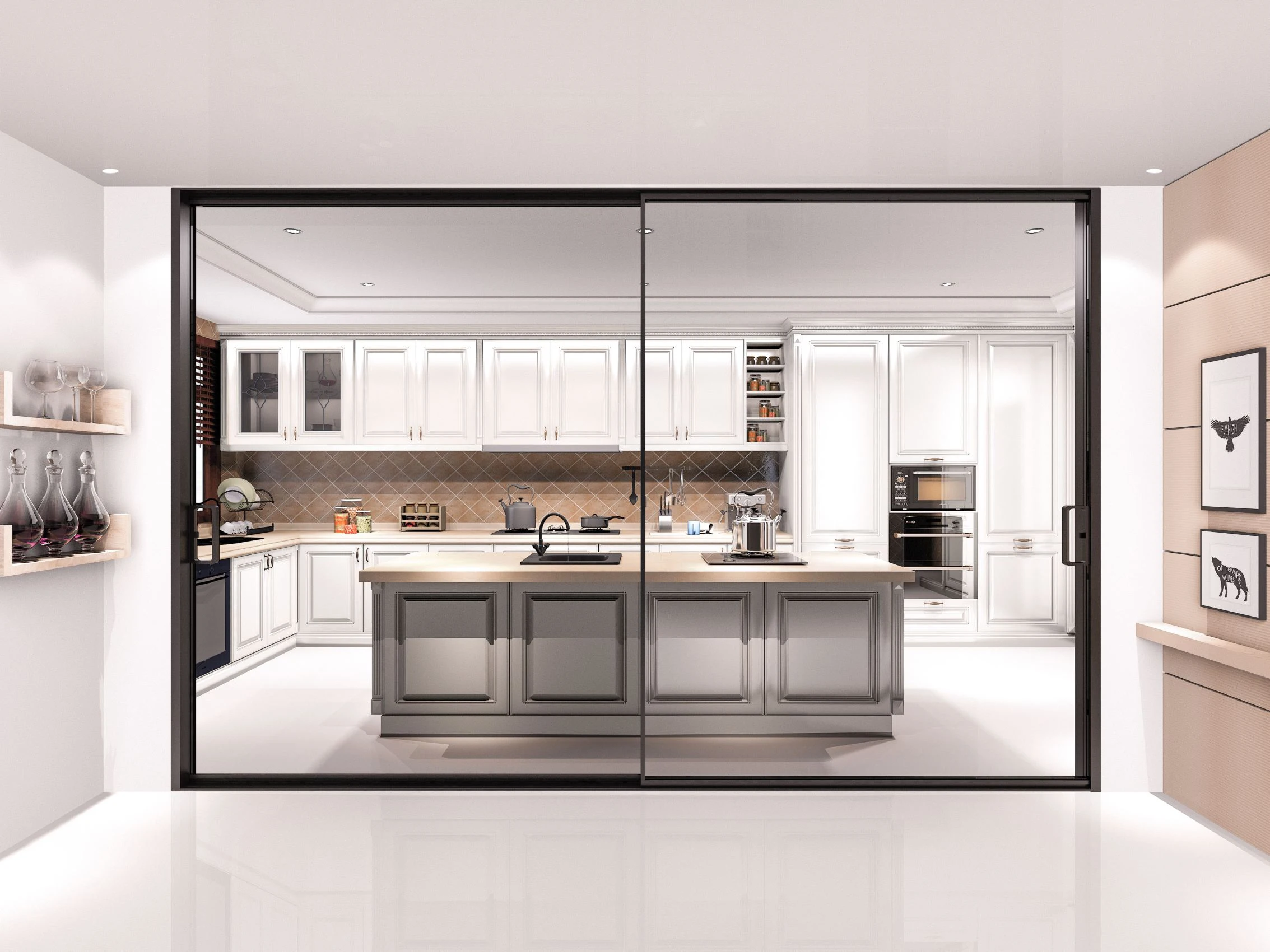
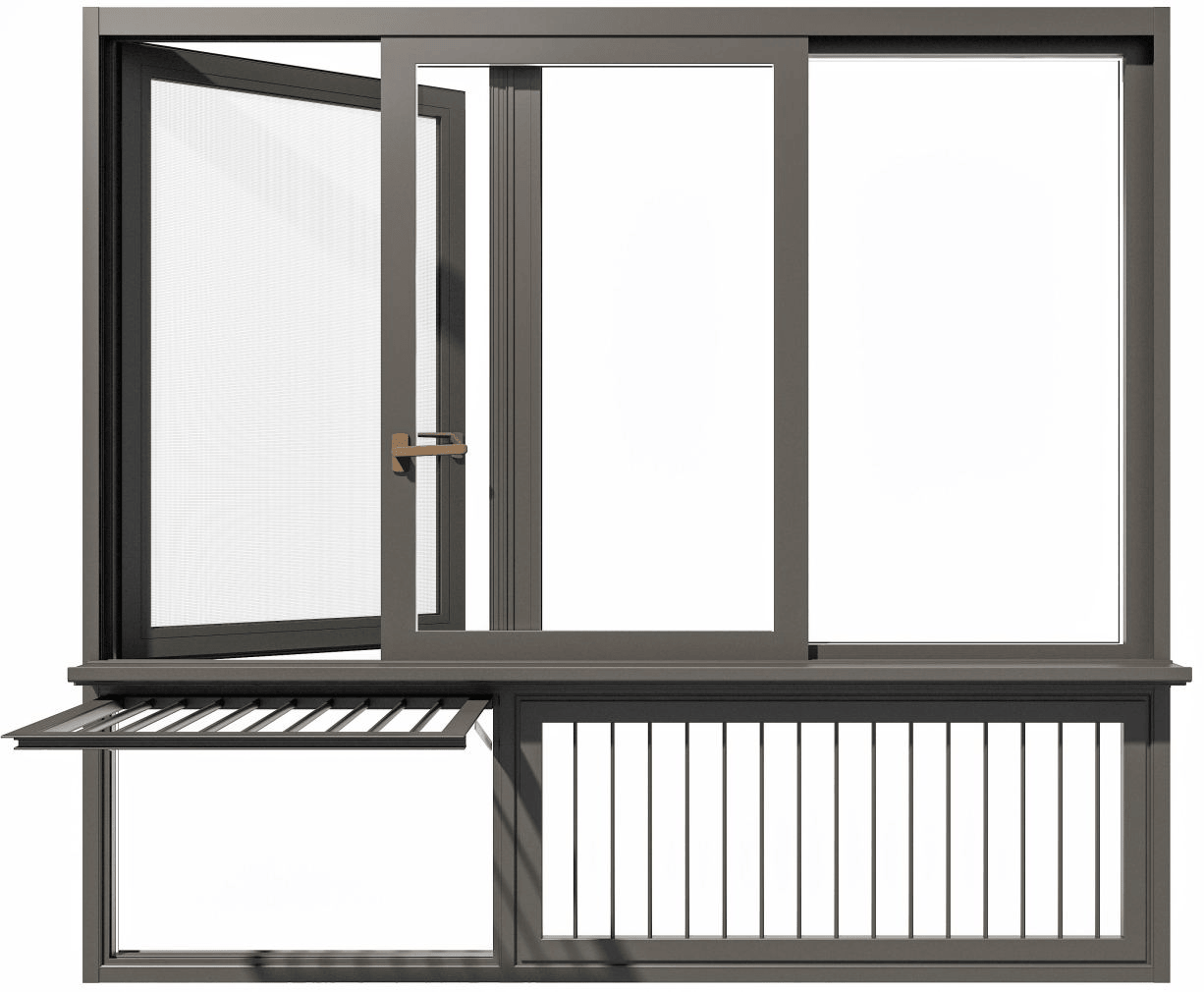
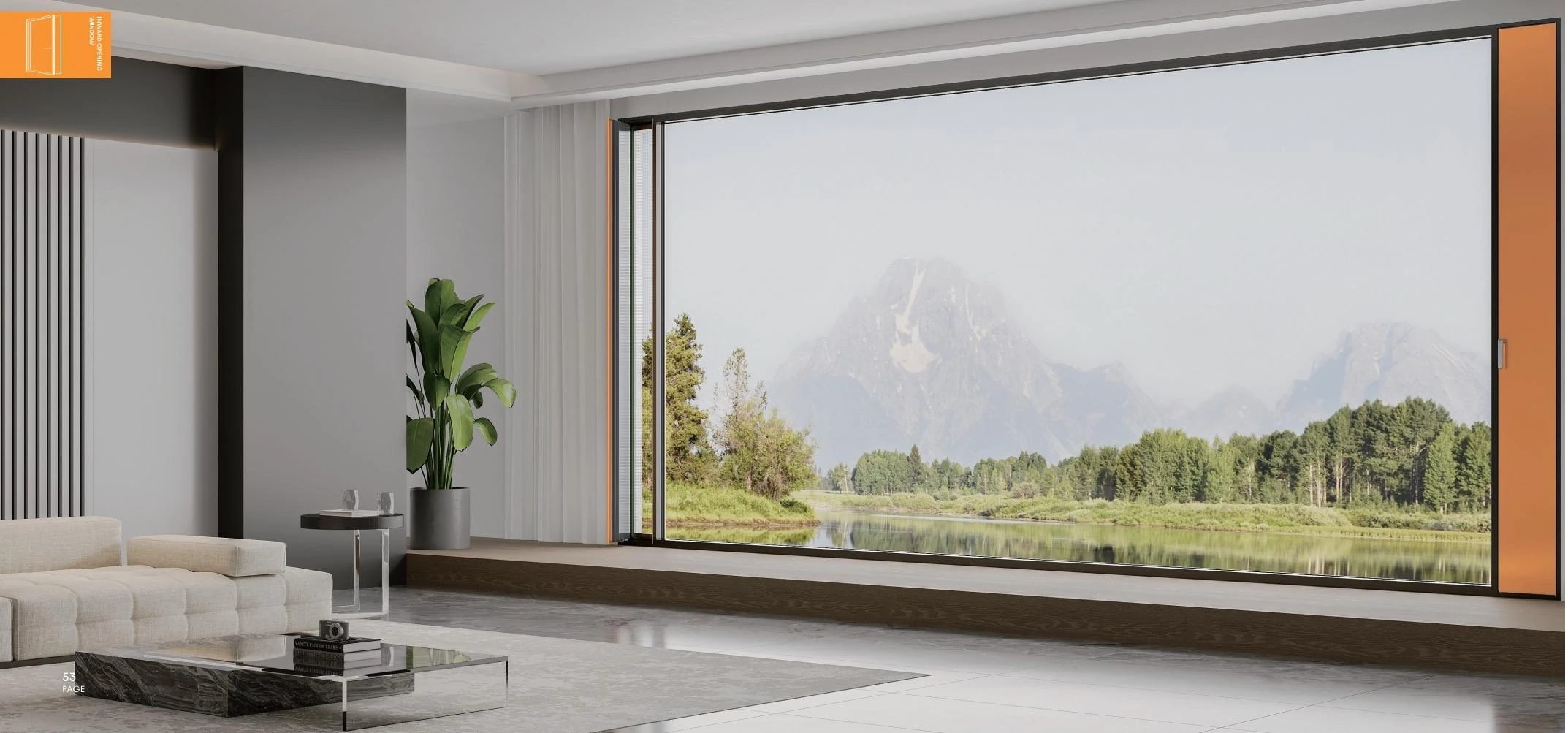
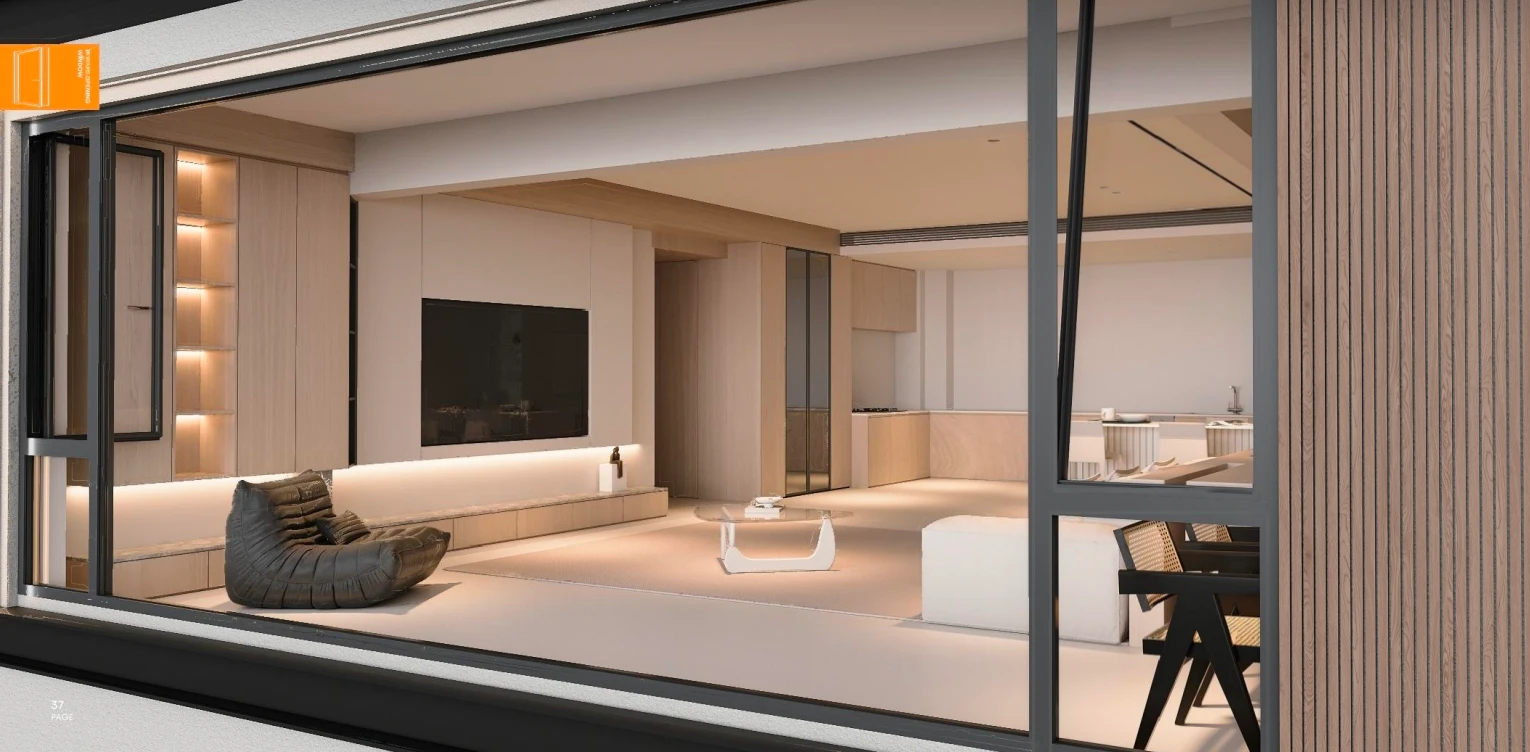
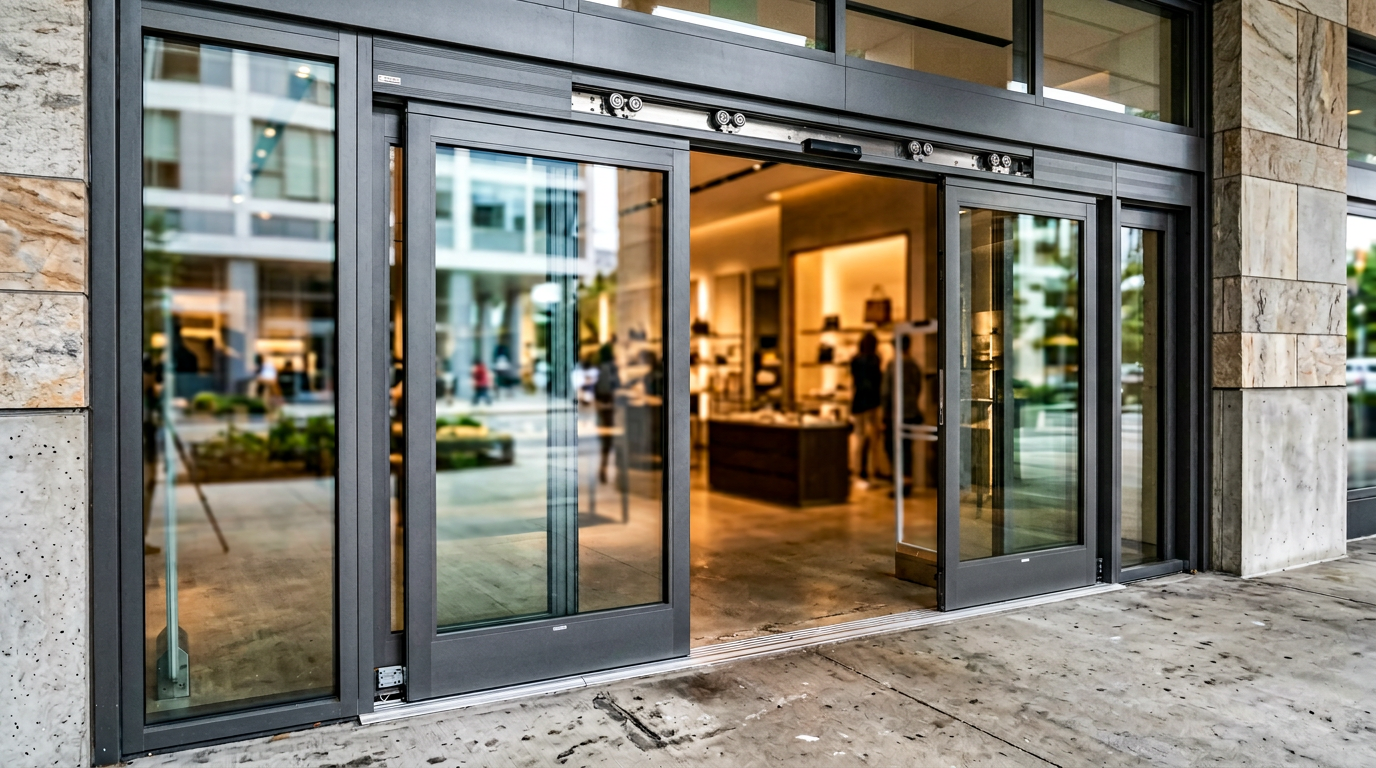
Commercial-grade 120 Heavy-Duty Sliding Doors deliver industrial-strength performance for high-traffic business environments where operational reliability directly impacts revenue and safety. These large-format outdoor entry systems combine engineered aluminum frameworks with precision rolling mechanisms to withstand millions of operational cycles while maintaining weatherproof integrity.
This technical guide examines structural specifications, weatherproofing technologies, regulatory compliance standards, and total cost of ownership considerations for facility managers, architects, and procurement professionals evaluating 120 Heavy-Duty Sliding Doors for retail complexes, hospitality facilities, healthcare institutions, and industrial campuses. Understanding load-bearing architecture, environmental performance metrics, and certification requirements enables informed specification decisions that align with operational demands and long-term asset management strategies.
Engineering Specifications and Load-Bearing Architecture
Structural Frame Design and Material Composition
The foundation of 120 Heavy-Duty Sliding Doors’ performance lies in aluminum alloy selection and profile geometry. Premium systems utilize 6063-T6 aluminum extrusions with a minimum wall thickness of 0.125 inches (3.2mm) for primary structural members. The T6 temper designation indicates solution heat treatment followed by artificial aging, producing tensile strength exceeding 35,000 psi compared to 22,000 psi for the standard T5 temper.
Multi-chamber extrusion designs incorporate three functional zones: structural reinforcement cavities, thermal break compartments, and hardware mounting channels. Vertical stiles feature reinforcement inserts—typically 14-gauge galvanized steel or fiberglass-reinforced polymer—that distribute point loads from locking hardware across the entire frame height. This prevents localized deformation under the 250+ pound-force typical of commercial panic hardware. These design features are essential for 120 Heavy-Duty Sliding Doors intended for high-security applications.
Thermal break technology employs polyamide strut bars (PA 6.6 with 25% glass fiber content) positioned between interior and exterior aluminum chambers. These 0.5-0.75-inch barriers reduce thermal conductivity by 60-70% compared to continuous metal frames, directly impacting condensation resistance and HVAC load calculations. For coastal installations, frames receive AAMA 2604 fluoropolymer coating (minimum 0.7 mil dry film thickness), providing superior salt spray resistance per ASTM B117 testing protocols.
Track System and Rolling Mechanism
Load-bearing capacity differentiates commercial systems from residential applications. Heavy-duty track assemblies support panel weights ranging from 500 to 1,200 pounds through precision-engineered roller configurations. Tandem roller assemblies—featuring four to eight wheels per panel—distribute weight across stainless steel axles with sealed ball bearings rated for 100,000+ operational cycles. This robust architecture ensures that 120 Heavy-Duty Sliding Doors maintain smooth operation even under continuous daily use.
Track profiles utilize extruded aluminum (6061-T6 alloy) with a continuous web thickness of 0.25 inches minimum. Surface-mounted tracks incorporate integrated drainage channels with 0.5-inch weep ports spaced at 12-inch intervals, preventing water accumulation that causes freeze-thaw damage in cold climates. Recessed track systems require flashing integration with waterproof membranes and a positive slope (minimum 1:50 gradient) toward exterior drainage points.
Anti-derailment features include vertical guide pins that engage track sidewalls, preventing lateral displacement under wind loads up to 50 psf. Adjustable roller assemblies provide ±0.375-inch vertical adjustment, compensating for structural settling over 20-year service periods. Premium systems incorporate self-lubricating bronze bushings or UHMW polyethylene bearing surfaces, eliminating maintenance requirements for 5-7 year intervals. These engineering choices directly extend the service life of 120 Heavy-Duty Sliding Doors.
Weatherproofing and Environmental Performance
Sealing Technologies and Water Resistance Standards
Effective weatherproofing requires multi-barrier defense systems tested per ASTM E283 (air infiltration) and E331 (water penetration) protocols. Commercial-grade 120 Heavy-Duty Sliding Doors target maximum air leakage of 0.06 cfm/ft² at 6.24 psf pressure differential—significantly tighter than 0.3 cfm/ft² residential standards. This performance level prevents conditioned air loss equivalent to leaving a 4-inch diameter hole open continuously.
Primary sealing relies on compression gaskets fabricated from EPDM rubber (70±5 durometer hardness) with ozone resistance per ASTM D1149. Interlock profiles create three-stage barriers: exterior rain deflection fins, mid-panel compression zones generating 15-20 psi contact pressure, and interior thermal seals. Gasket profiles feature hollow bulb designs that maintain compression across ±0.125-inch manufacturing tolerances.
Water management incorporates sloped sill designs with a minimum 5° exterior pitch and integrated gutter systems. Sill pans extend 6 inches beyond jamb intersections with corner dams preventing lateral water migration. For installations exceeding 10 feet in width, intermediate drainage points prevent ponding that exceeds 1-gallon capacity during 8-inch/hour rainfall events (equivalent to 100-year storm conditions in most U.S. regions). When specifying 120 Heavy-Duty Sliding Doors for flood-prone zones, verify these drainage specifications with suppliers.
Thermal Insulation and Energy Efficiency Ratings
Energy performance directly impacts operational costs for climate-controlled facilities. Premium 120 Heavy-Duty Sliding Doors achieve U-factors between 0.25-0.35 Btu/hr·ft²·°F when specified with insulated glass units (IGUs) and thermally broken frames. This represents a 65-75% improvement over non-thermal break aluminum construction.
Low-emissivity (Low-E) coatings modify solar heat gain coefficients (SHGC) from 0.25 (northern climate optimization) to 0.65 (passive solar applications). Triple-pane IGUs incorporating argon gas fills (90% concentration minimum) reduce center-glass U-factors to 0.20, though increased weight (12-15 lbs/ft²) requires upgraded roller assemblies rated for 1,000+ pound loads.
NFRC (National Fenestration Rating Council) certification provides third-party validation of thermal performance claims. Certified products display labels documenting U-factor, SHGC, visible transmittance (VT), and air leakage ratings derived from laboratory testing per NFRC 100/200 procedures. For LEED certification pathways, 120 Heavy-Duty Sliding Doors must demonstrate compliance with ASHRAE 90.1 prescriptive requirements or achieve a minimum 10% improvement over baseline energy models.
Commercial Applications and Industry Use Cases
High-Traffic Facility Requirements
Retail environments demand operational reliability under 200-500 daily cycles—equivalent to 146,000 annual operations. Commercial-grade hardware incorporates stainless steel (316 grade) components with self-lubricating bearings that maintain smooth operation across this duty cycle. Soft-close mechanisms dissipate kinetic energy through hydraulic dampening, preventing impact damage to frames and glazing while reducing noise transmission to 45-50 dBA at 3-foot measurement distances. These features make 120 Heavy-Duty Sliding Doors ideal for big-box stores and shopping centers.
Hospitality applications prioritize aesthetic integration with automated operation. Low-profile track systems (1.5-inch height maximum) minimize trip hazards while accommodating ADA-compliant threshold transitions (0.5-inch maximum vertical change). Motorized operators deliver 12-18 inch/second travel speeds with obstacle detection sensitivity of 15 pounds force, preventing injury while maintaining traffic flow during peak occupancy periods.
Healthcare facilities require antimicrobial surface treatments and hands-free operation. Powder coat finishes incorporating silver ion technology (AgION® or equivalent) reduce bacterial colonization by 99.9% per ISO 22196 testing. Touchless activation via motion sensors, push-button arrays, or building automation integration supports infection control protocols while accommodating patients with mobility limitations. For hospitals, 120 Heavy-Duty Sliding Doors equipped with these features enhance both safety and hygiene.
Harsh Climate Installations
Coastal environments expose aluminum frames to salt-laden moisture, accelerating galvanic corrosion. Marine-grade specifications mandate 316 stainless steel fasteners, nylon isolation washers preventing dissimilar metal contact, and anodized finishes exceeding Class I thickness (0.7 mil minimum per AAMA 611). Drainage systems require enlarged weep ports (0.75-inch diameter), preventing blockage from airborne sand and debris. Such considerations are critical when sourcing 120 Heavy-Duty Sliding Doors for seaside resorts or port facilities.
Extreme temperature zones spanning -40°F to 140°F demand materials maintaining dimensional stability across 180°F thermal cycling. Aluminum’s coefficient of thermal expansion (13.1 × 10⁻⁶ in/in·°F) generates a 0.188-inch length change across 120-inch spans per 100°F temperature swing. Sliding track systems accommodate this movement through slotted mounting holes and compression gaskets with 25% compression set resistance per ASTM D395 Method B (70 hours at 158°F).
Wind load resistance becomes critical for high-rise installations and hurricane-prone regions. Structural calculations per ASCE 7 determine design pressures reaching 80-120 psf for exposure Category D (coastal areas). Compliance requires finite element analysis validating deflection limits (L/175 for spans exceeding 10 feet) and glass stress factors below 50% of the breakage threshold under combined wind and thermal loads. For these demanding conditions, 120 Heavy-Duty Sliding Doors must undergo rigorous testing to meet local building codes.
Compliance Standards and Safety Certifications
Building Code Requirements
International Building Code (IBC) Section 1010 mandates egress door width minimums of 32 inches clear opening with a maximum 48-inch travel distance to release hardware. For assembly occupancies (Group A), panic hardware must unlatch with a maximum 15-pound force applied to release bars positioned 34-48 inches above floor level. Sliding doors serving egress functions require fail-safe breakaway mechanisms or secondary hinged door panels meeting these criteria. 120 Heavy-Duty Sliding Doors used in public buildings must incorporate these safety features.
ADA Standards for Accessible Design (2010) specify a 32-inch minimum clear width with a maximum 0.5-inch threshold height. Maneuvering clearances demand a 60-inch diameter turning space on the pull side and a minimum 48-inch depth on the push side for front approaches. Operating force cannot exceed 5 pounds for interior doors, though exterior doors receive exceptions where weather sealing necessitates increased compression loads.
Fire-rated applications require listings per NFPA 80 and UL 10B/10C testing protocols. Sixty-minute rated assemblies incorporate intumescent seals expanding to 3-4 times original volume at 400°F, ceramic fiber core materials, and tempered safety glass limited to 100 square inches per lite. Automatic closing devices must overcome 15 pounds of opening resistance within 30 seconds of smoke detector activation. When fire ratings are required, specify 120 Heavy-Duty Sliding Doors with certified fire-resistant assemblies.
Impact Resistance and Security Features
Forced entry resistance follows ASTM F588 Grade 40 standards, requiring frames to withstand 300 foot-pounds of impact energy without hardware failure. Multi-point locking systems engage shoot bolts at the head and sill, distributing loads across three locking points rather than concentrating stress at single-point latches. Deadbolt projections of 0.75-1.0 inches engage strike plates fastened with 3-inch screws penetrating structural framing.
Laminated safety glass (per ANSI Z97.1) bonds 0.060-inch polyvinyl butyral (PVB) interlayers between glass plies, maintaining barrier integrity after breakage. Hurricane impact ratings (ASTM E1996/E1886) validate resistance to 9-pound 2×4 lumber projectiles traveling 50 feet/second—simulating Category 5 wind-borne debris. Post-impact cycling through 9,000 pressure cycles confirms seal integrity after glass cracking. These security credentials make 120 Heavy-Duty Sliding Doors suitable for government facilities and high-value retail.
Anti-lift devices prevent vertical panel displacement through spring-loaded pins engaging track-mounted receivers. Concealed installation within top rail profiles maintains aesthetic appearance while resisting 150+ pounds upward force. For maximum security applications, floor-mounted drop bolts provide secondary restraint independent of track-mounted systems, preventing removal even if track fasteners are compromised. Facility managers should prioritize these anti-lift features when procuring 120 Heavy-Duty Sliding Doors for ground-floor installations.
Performance Comparison Matrix
| Specification Category | 120″ Standard Duty | 120″ Heavy-Duty | 144″ Heavy-Duty | 168″ Industrial |
|---|---|---|---|---|
| Panel Weight Capacity | 350 lbs | 800 lbs | 1,000 lbs | 1,200 lbs |
| Operational Cycle Rating | 50,000 | 100,000 | 100,000 | 150,000 |
| Air Infiltration (cfm/ft²) | 0.30 | 0.06 | 0.06 | 0.03 |
| Water Penetration (psf) | 6.24 | 12.0 | 12.0 | 15.0 |
| U-Factor (Btu/hr·ft²·°F) | 0.45 | 0.30 | 0.28 | 0.25 |
| SHGC Range | 0.40-0.60 | 0.25-0.65 | 0.25-0.65 | 0.20-0.60 |
| Wind Load Rating (psf) | 30 | 50 | 60 | 80 |
| Frame Warranty | 5 years | 10 years | 10 years | 15 years |
| Hardware Warranty | 2 years | 5 years | 5 years | 10 years |
| Glass Warranty | 10 years | 20 years | 20 years | 20 years |
FAQ
Q1: What is the typical lifespan of a 120-inch commercial sliding door system in high-traffic applications?
Commercial-grade systems engineered for 100,000+ operational cycles deliver 15-25 year service life in retail environments averaging 300 daily operations. Actual longevity depends on maintenance protocols—annual track cleaning and roller inspection extends service intervals by 30-40%. Coastal installations may require hardware replacement at 10-year intervals due to salt corrosion, while climate-controlled interior applications often exceed 30-year operational periods. Premium systems with stainless steel components and sealed bearing assemblies demonstrate the lowest total cost of ownership despite 20-30% higher initial investment.
Q2: How do installation costs compare between surface-mounted and recessed track systems for outdoor environments?
Surface-mounted track installations average $180-$240 per linear foot, including materials and labor, offering simplified waterproofing through elevated thresholds. Recessed track systems increase costs to $320-$450 per linear foot due to concrete cutting, flashing integration, and drainage infrastructure requirements. However, recessed systems eliminate trip hazards for ADA compliance and provide superior aesthetic integration. For new construction, recessed installations add only 15-20% cost premium when incorporated during foundation work, compared to 60-80% premium for retrofit applications requiring saw-cutting and structural modifications.
Q3: Which weatherproofing certifications are mandatory for coastal commercial properties?
Florida Building Code (FBC) High Velocity Hurricane Zones mandate ASTM E1996 impact resistance and TAS 201/202/203 certification demonstrating survival through 9,000 pressure cycles post-impact. California Coastal Commission jurisdictions require AAMA 624 Voluntary Performance Specification demonstrating resistance to salt spray corrosion per ASTM B117 (1,000+ hours exposure). National Flood Insurance Program (NFIP) compliance for V-zones necessitates breakaway panels or engineered flood venting per ASCE 24 standards. Projects pursuing LEED certification should verify NFRC labeling and ENERGY STAR compliance for regional climate zones.
Conclusion
Specifying 120 heavy-duty sliding door systems requires balancing structural performance, environmental resilience, regulatory compliance, and lifecycle economics. Material selection—from 6063-T6 aluminum frames to 316 stainless steel hardware—directly impacts operational longevity in demanding commercial environments. Weatherproofing technologies meeting ASTM E283/E331 standards protect building envelopes while thermal performance optimization reduces HVAC operational costs by 15-25% compared to non-thermally broken systems. Understanding load-bearing requirements, certification pathways, and application-specific demands enables facility managers to specify entrance solutions delivering reliable performance across 20+ year service horizons. Proper installation by certified contractors and adherence to manufacturer maintenance protocols maximizes return on investment while ensuring occupant safety and operational continuity.