
مقدمة
لا تقتصر وظيفة الأبواب على الفصل بين الداخل والخارج فحسب، بل إنها تُحدد الطابع العام للمساحة ووظائفها، كما توفر الحماية لما بداخلها. ومع ذلك، من الصعب بشكل مدهش العثور على حل يوازن بين المتانة والكفاءة الحرارية والتصميم دون الحاجة إلى التنازل عن أي من هذه العناصر.
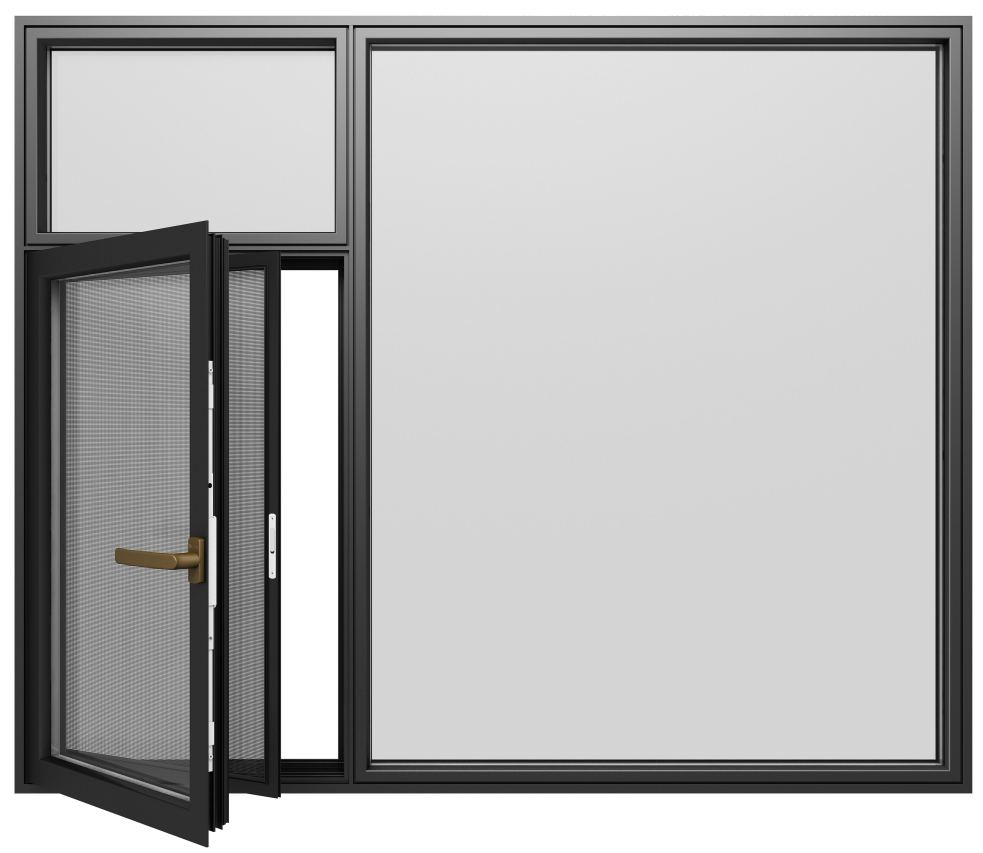
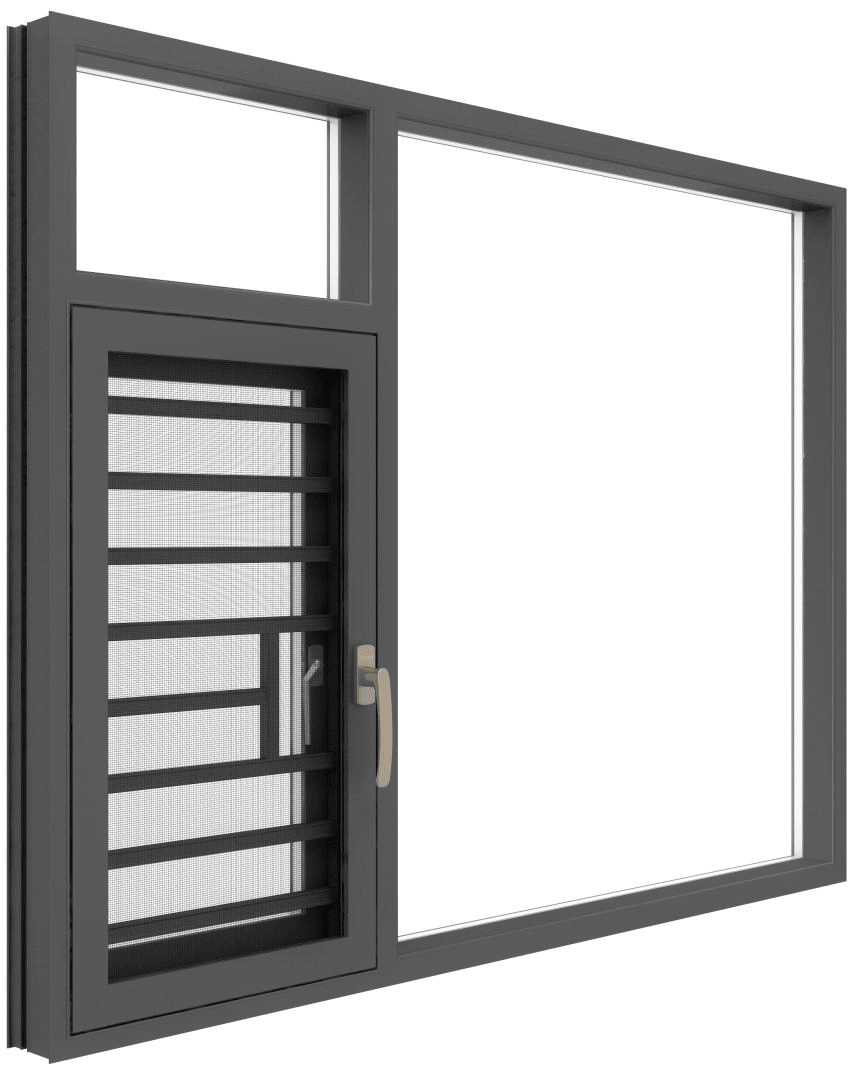
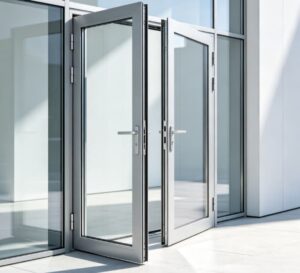
الـ باب ADO 75 ذو مصراع يفتح للخارج وقد لفتت هذه التقنية الانتباه في أوساط البناء والهندسة المعمارية لسبب بسيط: فهي تقدم أداءً ثابتًا في المجالات التي تهم حقًّا. فهي لا تسعى إلى أن تكون معقدة أو زخرفية بشكل مفرط، بل تركز على الموثوقية ومقاومة العوامل الجوية وسهولة الاستخدام اليومي. وسواءً كان الأمر يتعلق بتحسينات المساكن أو المشاريع التجارية الأكبر حجمًا، فإنها تتناسب مع السياقات المختلفة دون الحاجة إلى التنازل عن أي معايير.
لذا، بدلاً من التساؤل عما إذا كان باب ADO 75 ذو الإطار المتأرجح للخارج خيارًا «جيدًا»، فإن السؤال الأكثر إثارة للاهتمام هو: أين يناسب هذا الباب بشكل أفضل — وما هي المشكلات التي يحلها في الاستخدام العملي.
ما الذي يميز باب ADO 75 ذي الإطار المتأرجح للخارج؟
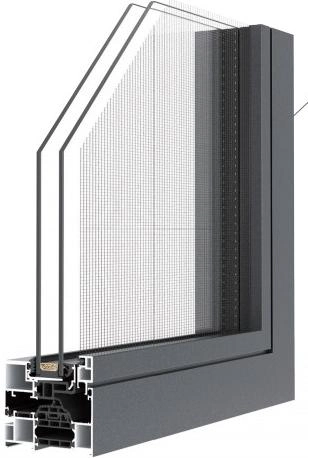
قبل أن نستكشف من يستخدم هذا الباب، يجدر بنا أن نفهم ما الذي يحدث فعليًّا وراء الكواليس. إن باب ADO 75 ذو مصراع يفتح للخارج صُنع هذا الباب من سبيكة الألومنيوم 6060-T66 فائقة الدقة، وهي مادة تتفوق بشكل ملحوظ على الألومنيوم المعماري القياسي. وبفضل سماكة جدار المقطع الجانبي التي تبلغ 2.2 مم أو أكثر، صُمم هذا الباب ليتحمل التآكل الشديد مع الحفاظ على سلامته الهيكلية على مدى عقود من الاستخدام.
وتحكي الأجزاء المعدنية قصة مماثلة. تضمن الأجزاء المعدنية المصنوعة خصيصًا من A-Ndrew تشغيلًا سلسًا وموثوقًا، بينما يضفي المقبض المصمم خصيصًا للعلامة التجارية لمسة من الرقي دون المساس بالوظيفة. وتبلغ سعة تحمل مصراع الباب 120 كجم، مما يعني أن هذا الباب يمكنه استيعاب مختلف أنواع الزجاج — بدءًا من الزجاج أحادي الطبقة وصولًا إلى الخيارات ثلاثية الطبقات — مما يمنحك المرونة في كل من العزل الحراري والأمان.
الأداء الحراري هو المجال الذي باب ADO 75 ذو مصراع يفتح للخارج ما يميزه حقًّا عن المنافسين. فشريط العزل الحراري المصنوع خصيصًا من مادة PA66GF25، إلى جانب الأختام المطاطية من مادة EPDM، يقلل من انتقال الحرارة إلى أدنى حد ويمنع دخول التيارات الهوائية. ولا يقتصر الأمر على الراحة فحسب، بل يتعلق أيضًا بالسيطرة على تكاليف الطاقة شهرًا بعد شهر. باختصار، فإن باب ADO 75 ذو مصراع يفتح للخارج تجمع بين المتانة والكفاءة الحرارية ومرونة التصميم في منتج واحد مثير للإعجاب.
من الذي يستخدم فعليًّا باب ADO 75 ذي الإطار المتأرجح للخارج؟
تتضح جاذبية باب ADO 75 ذي الإطار المتأرجح للخارج بشكل أكبر عندما تنظر إليه من منظور مختلف الفئات من المستخدمين. فكل فئة لها أولوياتها الخاصة — سواء كانت الراحة، أو الامتثال للمعايير، أو المتانة، أو البساطة — ويتمكن هذا النظام من تلبية جميع هذه الأولويات دون الحاجة إلى خطوط إنتاج منفصلة أو تقديم أي تنازلات.
أصحاب المنازل: التغلب على المشاكل اليومية عند مدخل المنزل
بالنسبة لمعظم مالكي المنازل، لا يُلاحظ باب المدخل إلا عندما يحدث خطب ما. فتيار الهواء البارد في الشتاء، أو الإطار الذي يصعب فتحه في الصيف، أو ارتفاع فواتير الطاقة دون سبب واضح — هذه عادةً ما تكون أولى العلامات التحذيرية.
غالبًا ما يُختار باب ADO 75 ذو الإطار المتأرجح للخارج كتحسين تصحيحي وليس كتغيير زخرفي. تساعد بنيته المزودة بعازل حراري على إبطاء انتقال الحرارة بين الأسطح الداخلية والخارجية المصنوعة من الألومنيوم، بينما يقلل مانع التسرب المصنوع من مادة EPDM من تسرب الهواء الذي يؤدي بهدوء إلى زيادة استهلاك الطاقة بمرور الوقت.
من الناحية العملية، يعني ذلك درجة حرارة داخلية أكثر استقرارًا وتقليل «المناطق الساخنة والباردة» بالقرب من المدخل.
تعد كفاءة الاستفادة من المساحة سببًا آخر يجعل هذا الباب مناسبًا تمامًا للاستخدام السكني. ونظرًا لأن الباب يفتح للخارج، فإن التصميم الداخلي يظل على حاله. وفي الردهات الصغيرة أو الممرات أو المداخل ذات الطابع العملي، يتيح ذلك تجنب الإزعاج المستمر الناجم عن انفتاح الباب إلى داخل المساحة المعيشية القابلة للاستخدام.
لا تزال العناصر الجمالية مهمة، ولكن دون مبالغة. فاللمسات النهائية مثل «الأسود القطبي» و«الفضي الفضائي» و«البني الموكا» و«الرمادي المعدني» تسمح للباب بالاندماج في الأنماط المعمارية المختلفة بدلاً من أن يطغى عليها. وهذه المرونة هي أحد الأسباب التي تجعله يظهر في كل من المباني الجديدة ومشاريع التجديد، حيث يُعد الاتساق أكثر أهمية من التأثير البصري.
المهندسون المعماريون والمصممون: تحديد المواصفات لضمان أداء يمكن التنبؤ به
بالنسبة للمهندسين المعماريين، لا تتعلق عملية اتخاذ القرار بالمظهر بقدر ما تتعلق باليقين. فإما أن يعمل المنتج كما هو متوقع في الظروف الفعلية، وإما أن يصبح عبئًا في الوثائق ومراجعات الأداء بعد الانتهاء من البناء.
يُعد باب ADO 75 ذو الإطار القابل للفتح للخارج خيارًا يلفت الانتباه في المشاريع التي تتسم فيها معايير أداء المباني بالصرامة — مثل المساكن منخفضة الاستهلاك للطاقة، وعمليات التجديد عالية الكفاءة، أو التصاميم التجارية التي تركز على الغلاف الخارجي للمبنى. ويُعد نظام العزل الحراري PA66GF25 الخاص به مناسبًا بشكل خاص في هذا السياق، حيث يساعد على تقليل الجسور الحرارية عبر الإطار، والتي غالبًا ما تمثل نقطة ضعف في أنظمة الألومنيوم.
ومن المزايا الأخرى المرونة في الأبعاد. فمع خيارات العرض التي تتراوح من 500 مم إلى 1200 مم والارتفاعات التي تصل إلى 2500 مم، تتيح هذه التصاميم للمصممين مرونة في تكييف الفتحات دون الحاجة إلى التنازلات الهيكلية. وهذا يقلل من الحاجة إلى إجراء تعديلات غير ملائمة أثناء تطوير التصميم أو التعديل في موقع البناء.
ورغم أن البيانات الصوتية لا يتم تسليط الضوء عليها بشكل صريح دائمًا، فإن الجمع بين العزل متعدد الطبقات، وهيكل الإطار المعزول، والتفاوتات الدقيقة في الأجزاء المعدنية يؤدي بطبيعة الحال إلى تحسين تخفيف الصوت. وفي البيئات الحضرية المكتظة أو الواجهات المطلة على الطرق، غالبًا ما يكون هذا النوع من «الأداء المدمج» كافيًا لتلبية التوقعات دون الحاجة إلى أنظمة إضافية.
مالكو العقارات التجارية: إعطاء الأولوية للمتانة والتحكم في الصيانة
في البيئات التجارية، لا تُعد الأبواب عناصر ثابتة، بل هي أنظمة ميكانيكية تُستخدم بوتيرة عالية. فكل يوم يشهد دورات متكررة من الفتح والإغلاق، فضلاً عن التعرض للعوامل الجوية وحركة المرور.
وهنا تبرز أهمية القوة الهيكلية لنظام ADO 75. تم تصميم الإطار المصنوع من سبائك الألومنيوم 6060-T66 وسمك الجدار الذي يبلغ 2.2 مم أو أكثر لمقاومة التشوه بمرور الوقت، حتى في ظل الاستخدام المستمر. وبالمقارنة مع الأنظمة الأقل تحملاً، يقلل ذلك من احتمالية ترهل المفصلات أو تشوه الإطار أو حدوث مشكلات في المحاذاة.
تعد القدرة على التنبؤ بأعمال الصيانة عاملاً مهمًا آخر. فعادةً ما يفضل المشغلون التجاريون الأنظمة التي تقلل من الحاجة إلى الصيانة غير المتوقعة. وبفضل الأداء المستقر للختم والمكونات المقاومة للتآكل، مثل مكونات A-Ndrew، تقل الحاجة إلى إجراء تعديلات روتينية بعد التركيب.
كما أن تصميم الباب الذي يفتح للخارج يتمتع بميزة وظيفية في البيئات المكشوفة. فمن خلال توجيه مياه الأمطار بعيدًا عن المساحة الداخلية أثناء التشغيل، يقلل هذا التصميم من احتمال تسرب المياه إلى الداخل — وهي تفصيلة بسيطة تُحدث فرقًا ملحوظًا في المداخل التي تشهد حركة مرور كثيفة.
من الناحية البصرية، يستفيد المستخدمون التجاريون أيضًا من التناسق. فالتشطيب الأنيق والعصري المصنوع من الألومنيوم يساعد في الحفاظ على مظهر احترافي في مجالات البيع بالتجزئة والضيافة والمكاتب، حيث ترتبط الانطباعات الأولى ارتباطًا وثيقًا بالجودة المتصورة.
شركات البناء والمقاولون: الحد من مخاطر التركيب وحالات إعادة الخدمة
يميل المقاولون إلى تقييم المنتجات بطريقة مختلفة تمامًا: لا يقتصر تقييمهم على أدائها فحسب، بل يشمل أيضًا مدى تكرار حدوث المشكلات بعد تركيبها.
غالبًا ما يُقدَّر باب ADO 75 ذو الإطار المتأرجح للخارج لقدرته على توفير نتائج يمكن التنبؤ بها في موقع التركيب. ويقلل نظام الإطار الذي يحافظ على الصلابة الهيكلية وسلامة العزل من احتمالية حدوث مشكلات بعد التركيب، مثل تسرب الهواء أو التكثف أو عدم المحاذاة — وهي جميعها أسباب شائعة لطلبات إعادة الزيارة.
كما أن سعة تحميل الجناح البالغة 120 كجم تزيد من مرونة التركيب. فالتكوينات الزجاجية الأثقل وزنًا، بما في ذلك الوحدات المصفحة أو المعزولة، يمكن تركيبها دون إجهاد الإطار إلى أقصى حدوده. ويعد هذا مفيدًا بشكل خاص في المشاريع التي تختلف فيها متطلبات العزل الصوتي أو الحراري بين الوحدات.
من منظور سير العمل، فإن تقليل التعديلات بعد التثبيت يعني إنجاز المشروع بشكل أسرع وتقليل الوقت المستغرق في إعادة زيارة المواقع المكتملة. وغالبًا ما تكون هذه الكفاءة التشغيلية أكثر أهمية للمقاولين من الاختلافات التصميمية الطفيفة.
كما يلعب اتساق الإمداد دورًا مهمًا. فالعمل مع مصدر تصنيع مستقر يساعد المقاولين على تجنب التأخيرات الناجمة عن عدم انتظام فترات التسليم أو تباين المكونات — وهو عامل غالبًا ما يُغفل عن ذكره، لكنه بالغ الأهمية في مشاريع البناء متعددة الوحدات أو التي تُنفَّذ على مراحل.
كيف يقارن طراز ADO 75 بأنواع الأبواب الأخرى؟
| الميزة | باب ADO 75 ذو مصراع يفتح للخارج | باب منزلق | باب مفصلي قياسي |
|---|---|---|---|
| أداء الختم | ممتاز (ختم ضاغط) | ضعيف إلى مقبول (أشرطة العزل فقط) | جيد (ختم ضاغط) |
| كفاءة الطاقة | عالية (عازل حراري + أختام من مادة EPDM) | منخفض إلى متوسط (تسرب الهواء شائع) | متوسط (يعتمد على المادة) |
| كفاءة استخدام المساحة | ممتاز (يفتح للخارج) | ممتاز (بدون نصف قطر تأرجح) | ضعيف (يتطلب مساحة داخلية كافية) |
| الأمن | عالية (متوافقة مع نظام القفل متعدد النقاط) | متوسط (عادةً ما يكون القفل أحادي النقطة) | متوسط (عادةً ما يكون القفل أحادي النقطة) |
| المتانة | عالية (6060-T66، سماكة الجدار ≥2.2 مم) | متوسط (تآكل الإطارات بمرور الوقت) | تختلف بشكل كبير |
| سعة الزجاج | حمولة الجناح: 120 كجم | مقيد بتصميم المسار | محدود بسعة المفصلة |
| الصيانة | منخفضة | متوسط (يتطلب تنظيف المسار) | منخفضة |
| الأفضل لـ | المداخل الخارجية، والمناطق ذات الكثافة المرورية العالية | الشرفات، والمناطق ذات المساحة المحدودة | الأبواب الداخلية، المداخل القياسية |
تتميز الأبواب ذات الأجنحة المفتوحة، بشكل عام، بأداء عزل فائق مقارنةً بالأبواب المنزلقة، وذلك لأن الجناح يُغلق بالضغط على الإطار. أما الأبواب المنزلقة، على النقيض من ذلك، فتعتمد على أشرطة العزل التي تتآكل حتمًا وتسمح بتسرب الهواء. إن باب ADO 75 ذو مصراع يفتح للخارج تستفيد من هذه الميزة المتأصلة وتعززها من خلال العازل الحراري PA66GF25 ونظام الإحكام EPDM.
الأمن هو مجال آخر حيث باب ADO 75 ذو مصراع يفتح للخارج يتفوق على العديد من البدائل. ففي حين أن الباب المفصلي القياسي يستخدم عادةً قفلًا أحادي النقطة، فإن تصميم الباب القابل للفتح إلى الخارج متوافق مع أنظمة القفل متعددة النقاط التي تؤمن الباب في نقاط متعددة على طول الإطار. وهذا يجعل الاقتحام بالقوة أكثر صعوبة بشكل ملحوظ.
ماذا عن كفاءة الطاقة والاستدامة؟
كفاءة الطاقة ليست مجرد مصطلح شائع فحسب، بل إنها أصبحت متطلبًا تنظيميًّا. فقد أصبحت قوانين البناء في جميع أنحاء العالم أكثر صرامة، حيث تفرض معايير جديدة — مثل «معيار المنازل المستقبلية» في المملكة المتحدة والتحديثات التي أُجريت على «الجزء L» — متطلبات أكثر صرامةً فيما يتعلق بالأداء الحراري. وبالتالي، يتم استبعاد الأبواب التي لا تستوفي هذه المعايير بشكل متزايد من المشاريع.
الـ باب ADO 75 ذو مصراع يفتح للخارج وهي مصممة لتلبية هذه المتطلبات المتغيرة. حيث يشكل شريط العزل الحراري PA66GF25، بالاقتران مع الأختام المطاطية من مادة EPDM، حاجزًا حراريًا يقلل من انتقال الحرارة إلى أدنى حد ويمنع دخول التيارات الهوائية. ولا يقتصر الأمر على الراحة فحسب، بل يتعلق أيضًا بتقليل استهلاك الطاقة والامتثال للمعايير التنظيمية.
تسهم سبائك الألومنيوم 6060-T66 في الاستدامة بطريقة أخرى، ألا وهي المتانة. فالباب الذي يدوم لفترة أطول يعني عددًا أقل من عمليات الاستبدال على مدار عمر المبنى، مما يعني تقليل هدر المواد وخفض انبعاثات الكربون المدمجة. وعندما نأخذ في الاعتبار التوفير في الطاقة الناتج عن انخفاض فقدان الحرارة، فإن باب ADO 75 ذو مصراع يفتح للخارج يمثل خيارًا مستدامًا بحق.
أين يمكن استخدام باب ADO 75 ذي الإطار المتأرجح للخارج؟
تعدد استخدامات باب ADO 75 ذو مصراع يفتح للخارج وهذا يعني أنه مناسب لمجموعة واسعة من الاستخدامات:
مداخل المباني السكنية: الأبواب الأمامية والخلفية ومداخل الفناء حيث المساحة محدودة
واجهات المحلات التجارية: مداخل المتاجر، وأبواب المطاعم، ومداخل المباني المكتبية
الضيافة: مداخل الفنادق، وأبواب شرفات المطاعم، وفيلات المنتجعات
المساكن المتعددة الأسر: مداخل المباني السكنية وأبواب الوحدات السكنية الفردية
المؤسسي: المدارس، والمرافق الصحية، والمباني الحكومية
العقارات الساحلية: إن مقاومة الألومنيوم 6060-T66 للتآكل تجعله مناسبًا للاستخدام في البيئات التي يتواجد فيها الهواء المالح
نطاق الأبعاد — العرض 500-1200 مم، الارتفاع 600-2500 مم — يعني أن باب ADO 75 ذو مصراع يفتح للخارج يمكن تخصيصها لتناسب أي فتحة تقريبًا. وبفضل توفر أربعة تشطيبات فاخرة، يمكن تكييفها لتتناسب مع أي مخطط تصميمي تقريبًا.
الأسئلة الشائعة
س: هل جهاز ADO 75 مناسب للاستخدام في البيئات الساحلية أو ذات الرطوبة العالية؟
نعم. تتميز سبائك الألومنيوم 6060-T66 بمقاومة ممتازة للتآكل، مما يجعلها مناسبة للاستخدامات الساحلية حيث يؤدي الهواء المالح إلى تلف المواد الأقل جودة.
س: هل يمكن تركيب زجاج مقاوم للصدمات في الباب؟
بالتأكيد. بفضل قدرة تحمل تبلغ 120 كجم، يمكن للباب أن يتحمل تركيبات زجاجية أثقل، بما في ذلك الزجاج المقاوم للصدمات والزجاج الرقائقي.
س: ما الفرق بين 6060-T66 والألمنيوم العادي؟
يتميز السبيكة 6060-T66 بقوة شد أعلى بنحو 35% مقارنةً بالسبيكة 6063-T5، مع استقرار أفضل ومقاومة أعلى للتشوه وحماية أفضل ضد التآكل.
س: هل الباب متوافق مع أنظمة القفل الذكية؟
صُممت قطع الأجزاء المعدنية المصنوعة حسب الطلب من A-Ndrew لتتوافق مع أنظمة القفل المختلفة، بما في ذلك أنظمة القفل متعددة النقاط وأنظمة القفل الذكية.
س: كيف يؤثر تصميم الفتحة الخارجية على مقاومة العوامل الجوية؟
تعمل الأبواب التي تفتح للخارج على تصريف المياه بعيدًا عن المبنى بشكل طبيعي، مما يقلل من خطر تسرب المياه مقارنةً بالتصاميم التي تفتح للداخل والتي قد تؤدي إلى توجيه المياه إلى داخل المبنى.
هل جهاز ADO 75 مناسب لمشروعك؟
في هذه المرحلة، ربما تكون قد تكوّنت لديك فكرة جيدة عما إذا كان باب ADO 75 ذو مصراع يفتح للخارج يلبي احتياجاتك. إذا كنت مالك منزل سئمت من المداخل التي تتسرب منها الرياح وتفتقر إلى الكفاءة، فالإجابة على الأرجح هي «نعم». وإذا كنت مهندسًا معماريًا تضع المواصفات لمشروع يولي أهمية متساوية لأداء الطاقة والجماليات، فإن هذا الباب يستحق دراسة جادة. أما إذا كنت مقاولًا تبحث عن باب موثوق ومتين لا يتطلب إصلاحات لاحقة، فإن باب ADO 75 ذو مصراع يفتح للخارج يستوفي تلك الشروط أيضًا.
إن الجمع بين الألومنيوم 6060-T66، وسماكة الجدار التي تبلغ 2.2 مم أو أكثر، والعازل الحراري PA66GF25، وموانع التسرب المصنوعة من مادة EPDM، وقدرة تحمل المصراع التي تبلغ 120 كجم، ينتج عنه باب يتميز بأداء متميز في جميع الجوانب. إنه ليس أرخص باب في السوق — فالمواد عالية الجودة والهندسة الدقيقة لا تأتي أبدًا بأسعار رخيصة — ولكنه باب يوفر قيمة مضافة على مدار عمره الافتراضي.
الخاتمة
الـ باب ADO 75 ذو مصراع يفتح للخارج إنه ليس مجرد باب مدخل عادي. إنه حل لأصحاب المنازل الذين سئموا من فواتير الطاقة المرتفعة، والمهندسين المعماريين الذين يرفضون التنازل عن الأداء، ومالكي العقارات التجارية الذين يحتاجون إلى المتانة، والمقاولين الذين يقدرون الموثوقية. تتكامل سبيكة الألومنيوم 6060-T66، وتقنية العزل الحراري، والمفصلات الدقيقة لتكوين باب يحافظ على أدائه عامًا بعد عام.
السؤال ليس ما إذا كان باب ADO 75 ذو مصراع يفتح للخارج إنه باب جيد. والسؤال هو: متى ستجعله بابك؟
هل أنت مستعد لتجديد مدخل منزلك بباب يفي بجميع متطلباتك؟ اتصل بنا اليوم لمناقشة متطلبات مشروعك، واستكشاف خيارات التشطيبات، والحصول على عرض أسعار مخصص لفتحتك المحددة. يستحق مبناك ما هو أفضل من المعتاد — وهذا بالضبط ما يقدمه ADO 75.