
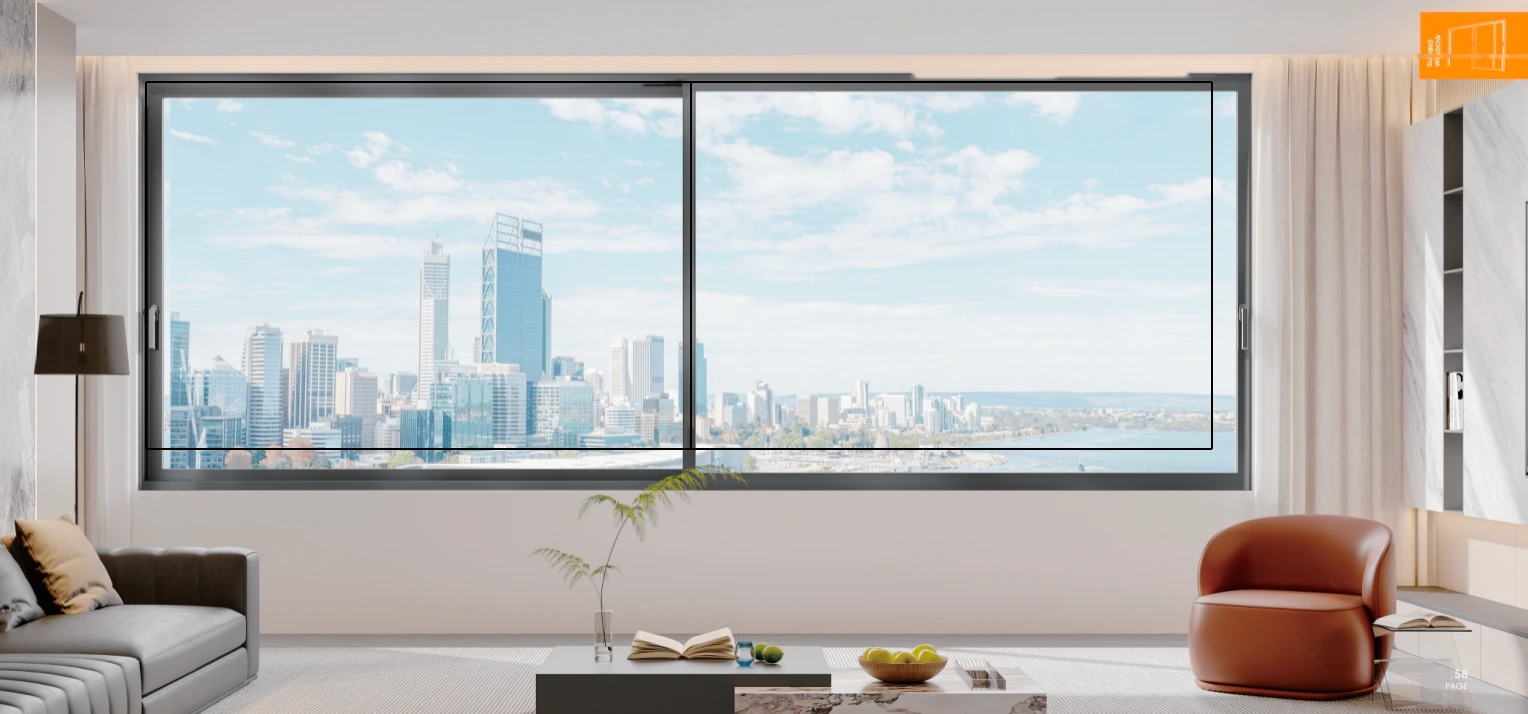
مقدمة
A typhoon-resistant النافذة المنزلقة requires more than durable glass. It combines reinforced aluminum profiles, advanced sealing systems, stable track structures, corrosion-resistant hardware, and efficient drainage designs to withstand strong winds and heavy rainfall. For coastal homes, commercial buildings, and storm-prone projects, choosing the right sliding window system means balancing wind load performance, water resistance, daily operation, and modern architectural appeal. A properly engineered solution helps protect interiors while delivering natural light, ventilation, and long-term reliability.
Why a Sliding Window Needs Special Design to Resist Typhoons
Typhoons place extreme demands on building openings. Strong wind pressure can force window panels outward, heavy rain can expose weak sealing points, and airborne debris may increase the risk of glass damage. While standard residential windows may perform well in normal climates, they are often not designed to handle the combined effects of high winds and storm-driven rainfall.
A high-performance Sliding Window system is engineered as a complete weather protection solution. Its resistance depends on the coordination of reinforced aluminum profiles, reliable locking mechanisms, advanced sealing structures, durable hardware, and efficient drainage channels. Together, these components help reduce risks such as frame deformation, air leakage, water penetration, panel movement, and long-term operating problems.
For coastal residences, high-rise apartments, hotels, and commercial construction projects, window selection should go beyond visual design. The key consideration is whether the system can deliver stable performance under challenging weather conditions.
The major features that improve typhoon resistance include:
- Reinforced aluminum profiles that enhance frame strength and structural stability
- Multi-point locking systems that keep sliding panels securely positioned
- Heavy-duty rollers and tracks that support smooth operation after repeated use
- Weather-resistant sealing strips that reduce wind-driven rain infiltration
- Integrated drainage channels that quickly remove collected water
A professionally engineered Sliding Window system should also be evaluated through performance testing related to wind pressure resistance, water tightness, and air infiltration. These tests help verify whether the window design is suitable for coastal environments, storm-prone regions, and demanding architectural applications.
| Key Component | Typhoon Protection Function | Common Material or Design Choice |
|---|---|---|
| Window frame | Supports the overall structure under wind pressure | Reinforced aluminum alloy profiles |
| Glass system | Reduces breakage risk from impact and pressure | Tempered or laminated glass |
| Sealing system | Prevents rain and air infiltration | EPDM rubber seals and compression gaskets |
| Locking hardware | Keeps panels firmly closed | Multi-point locks and anti-lift devices |
| Drainage structure | Removes water from tracks | Designed drainage holes and channels |
How a Sliding Window Frame Determines Storm Resistance
The frame is the structural backbone of a storm-resistant window system. Even high-performance glass cannot deliver reliable protection if the aluminum structure lacks sufficient strength and stability. During typhoons, the frame must withstand continuous wind pressure while maintaining the correct alignment between the sash, glass, locking system, and sealing components.
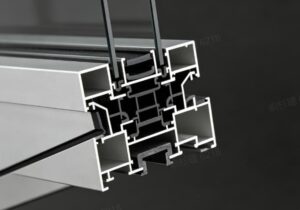
For coastal and storm-prone projects, manufacturers typically choose high-strength aluminum alloy profiles because they offer an effective balance of durability, corrosion resistance, and lightweight construction. Reinforced aluminum chambers improve profile rigidity, helping the Sliding Window system support larger glass panels while reducing the risk of deformation under extreme weather conditions.
A poorly designed frame may lead to several performance issues during severe storms:
- Frame bending caused by high wind pressure
- Increased gaps between the sash and frame
- Reduced sealing efficiency and higher leakage risks
- Difficulty opening or closing after prolonged exposure to harsh weather
A properly engineered frame helps maintain the original structure of the window system, ensuring stable operation and long-term weather protection.
Why Aluminum Profiles Matter
Aluminum alloy profiles are widely used in modern window systems because they provide excellent strength-to-weight performance and strong resistance to environmental exposure. In coastal regions, where salt air and humidity can accelerate material aging, proper surface treatment is essential for maintaining long-term durability.
For heavy-duty Sliding Window applications, manufacturers usually evaluate several profile factors:
- Aluminum wall thickness and structural strength
- Internal chamber design for improved rigidity
- Corner reinforcement and connection quality
- Hardware fixing stability
- Surface coating performance against corrosion
These details directly influence how the window performs after years of exposure to wind, rain, and daily operation.
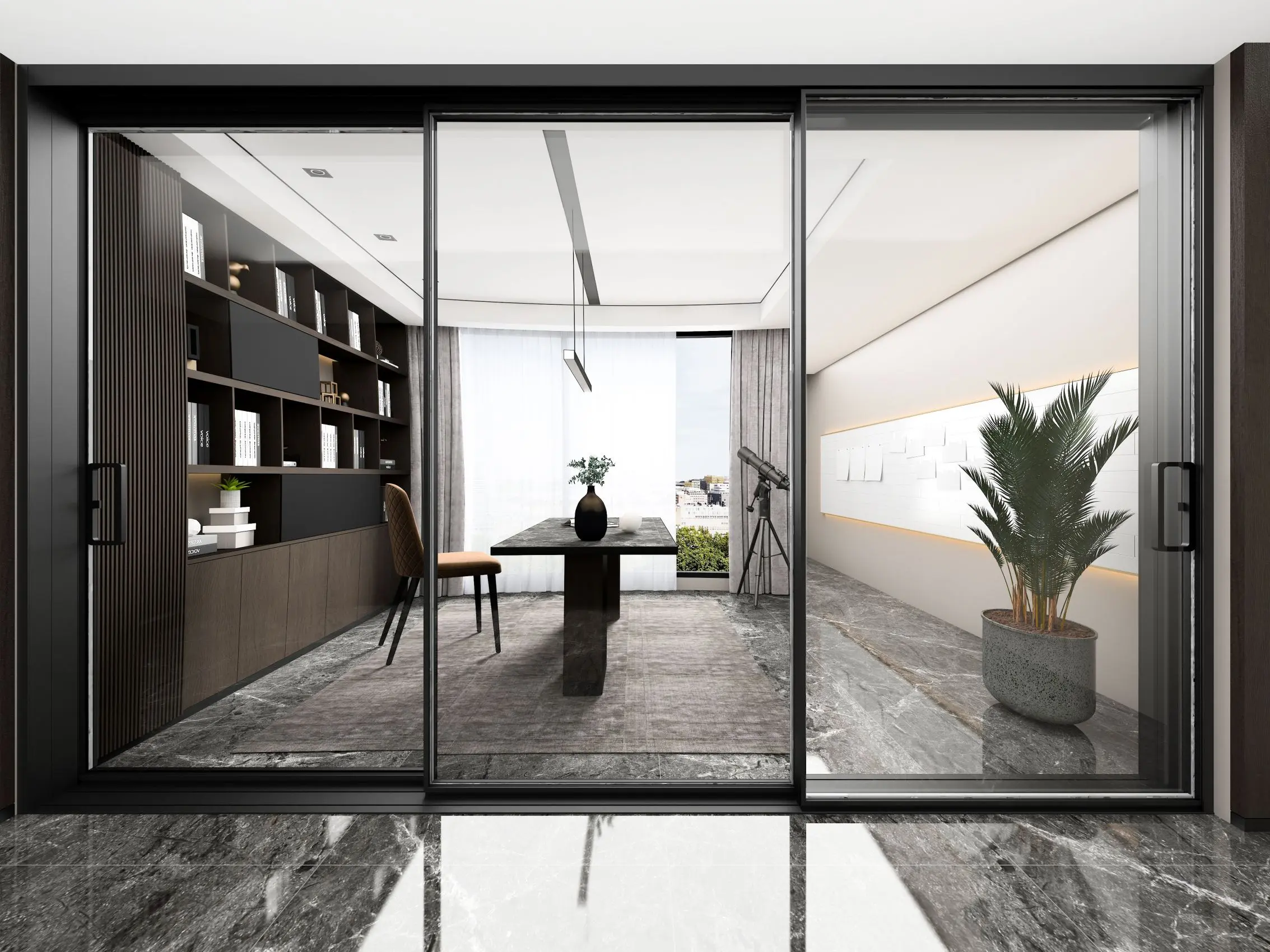
A three-track Sliding Window design can provide additional flexibility for larger openings. Compared with traditional two-track systems, the extra track structure allows more panel configurations, wider ventilation options, and smoother operation for larger residential or commercial spaces. This makes it suitable for applications such as villas, hotels, balconies, and modern architectural projects.
Reinforced Frames Improve Long-Term Reliability
Typhoon resistance is not only about surviving a single storm event. A reliable window system must continue performing after years of exposure to sunlight, humidity, temperature changes, and frequent operation.
A high-quality Sliding Window frame should maintain:
- Smooth panel movement
- Stable structural alignment
- Secure locking performance
- Consistent weather sealing
For example, seaside villas and coastal resorts often face a combination of salt exposure, seasonal storms, and high humidity. A reinforced aluminum sliding system with proper surface protection can help reduce maintenance requirements while keeping indoor spaces comfortable and protected.
How a Sliding Window Glass System Handles Extreme Weather Conditions
Glass plays a critical role in the overall performance of a storm-resistant window system. While it provides natural light, visibility, and architectural appeal, it is also one of the components most exposed to impact, wind pressure, and extreme weather conditions. Selecting the right glass configuration is essential for improving safety, durability, and long-term performance.
For coastal buildings and typhoon-prone areas, standard single glass may not provide sufficient protection against strong winds and flying debris. Modern Sliding Window systems often combine reinforced frames with advanced glass options, including tempered glass, laminated glass, and insulated glass units, to achieve better impact resistance, weather protection, and indoor comfort.
Tempered Glass Improves Safety and Structural Performance
Tempered glass is produced through controlled heating and rapid cooling processes that increase its strength compared with standard glass. When damaged, it typically breaks into smaller fragments instead of large sharp pieces, reducing safety risks.
For residential buildings, apartments, hotels, and commercial spaces, tempered glass is commonly selected because it provides:
- Improved impact resistance
- Better safety performance after breakage
- Higher durability for daily use
- Compatibility with modern aluminum window systems
However, glass strength should always be considered together with frame design and installation quality. Even strong glass requires proper support from the surrounding Sliding Window structure to perform effectively during storms.
Laminated Glass Provides Better Impact Protection
Laminated glass is designed with an interlayer between glass panels, allowing the structure to remain more stable even after cracking. This additional layer helps hold broken glass together and provides enhanced protection against external impact.
For coastal properties and buildings exposed to severe weather, laminated glass can reduce risks caused by wind-driven debris during typhoons. It is often considered for projects where safety, security, and durability are important requirements.
Compared with standard glass solutions, laminated glass offers advantages such as:
- Improved impact protection
- Reduced risk of glass falling after damage
- Better sound insulation performance
- Enhanced safety for large window openings
Insulated Glass Supports Comfort and Energy Efficiency
Storm protection is only one factor considered by modern building projects. Many buyers also expect window systems to improve indoor comfort and energy performance.
Insulated glass units use multiple glass layers separated by an insulating space, helping reduce heat transfer and external noise.
For homes, hotels, and commercial buildings, insulated glass can support:
- More stable indoor temperatures
- Reduced outside noise
- Improved energy efficiency
- Better year-round comfort
A coastal apartment, for example, may require both typhoon protection and comfortable indoor conditions. A properly configured Sliding Window system that combines suitable glass, reinforced aluminum profiles, and reliable sealing components can deliver balanced performance for demanding environments.
What Features Make a Sliding Window Suitable for Coastal and Typhoon Areas?
Choosing windows for storm-prone locations requires evaluating the complete system rather than individual components. A strong frame with poor sealing may still allow water penetration. Likewise, excellent glass cannot compensate for weak hardware.
A reliable system should combine structural design with practical operation.
Important features include:
Advanced Sealing Technology
Wind-driven rain is one of the biggest concerns during typhoons. Effective sealing prevents water from entering through gaps between the sash and frame.
Common sealing solutions include:
- EPDM weather strips
- Brush seals
- Compression sealing systems
- Multi-layer protection structures
These components create barriers against wind, dust, and moisture.
Anti-Lift and Stable Track Design
Sliding panels can move under strong wind pressure if the track system is poorly designed.
High-quality systems may include:
- Anti-lift rollers
- Reinforced bottom tracks
- Smooth stainless steel hardware
- Precision alignment structures
These features help maintain stable movement and reduce the chance of panel displacement.
Efficient Drainage System
Rainwater management is essential during storms. Instead of allowing water to remain inside the track, professional designs use drainage paths to guide water outside.
A good drainage structure helps prevent:
- Water accumulation
- Interior leakage
- Mold caused by moisture
The combination of sealing and drainage creates a more complete weather protection system.
How Sliding Window Designs Compare for Different Weather Challenges
Not every sliding system is designed for the same environment. A window suitable for a mild climate may not provide enough protection in coastal areas where typhoons, heavy rain, and strong winds occur regularly.
When selecting a Sliding Window, buyers should consider the building location, expected weather conditions, opening size, and maintenance requirements.
For example, a small residential project may prioritize ventilation and cost efficiency, while a beachfront hotel may require stronger structural performance and improved corrosion resistance.
Different designs offer different advantages:
- Two-track systems are commonly used for standard residential applications where space efficiency is important.
- Three-track systems provide more flexibility for wider openings and improved ventilation options.
- Heavy-duty sliding systems are designed for larger panels and more demanding environments.
The right choice depends on balancing performance, appearance, and project requirements.
| Sliding Window Type | Suitable Application | Main Advantages | Considerations |
|---|---|---|---|
| Standard sliding system | Apartments and general residential buildings | Easy operation and space saving | May require upgrades for extreme weather |
| Three-track sliding system | Villas, hotels, larger rooms | Wider opening options and better ventilation flexibility | Requires precise installation |
| Heavy-duty aluminum sliding system | Coastal buildings and commercial projects | Higher strength and improved durability | استثمار أولي أعلى |
How to Select the Right Sliding Window for Typhoon-Prone Buildings
Selecting a storm-resistant window requires a complete evaluation process. Many buyers focus only on visible features such as frame color or glass size, but performance depends on how every component works together.
For architects, contractors, and property developers, the following factors should be reviewed before purchasing.
Evaluate Wind Load Requirements
Different regions experience different levels of wind pressure. Buildings located near coastlines, open fields, or high-rise areas usually face stronger wind exposure.
A suitable window system should be selected according to:
- Building height
- Installation location
- Local climate conditions
- Expected wind pressure requirements
Professional suppliers can recommend suitable profile structures and glass configurations based on project conditions.
Check Material Quality and Surface Treatment
Typhoon-resistant windows often face harsh outdoor environments. In coastal areas, salt spray and humidity can accelerate corrosion if materials are not properly treated.
Important material considerations include:
- Aluminum alloy quality
- Surface coating durability
- Hardware corrosion resistance
- Fastener quality
For seaside projects, powder coating or other protective surface treatments can help extend service life.
Consider Installation Quality
Even a high-performance Sliding Window can underperform if installation is incorrect.
Common installation problems include:
- Poor frame alignment
- Incorrect sealing application
- Insufficient fixing strength
- Improper drainage connection
Installation should follow professional procedures to ensure the window performs as designed.
A strong product and a correct installation method must work together.
How Sliding Window Systems Improve Building Performance Beyond Storm Protection
Beyond typhoon resistance, a modern Sliding Window system also contributes to better space utilization, indoor comfort, and architectural design. For residential developments, commercial buildings, and hospitality projects, the right window solution should balance durability, ventilation, usability, and visual appeal.
Maximizing Space and Natural Ventilation
Unlike traditional hinged windows that require additional opening space, sliding systems operate horizontally along tracks, making them suitable for projects where interior space efficiency is important.
This design is commonly used in:
- Apartments and high-rise residences
- Office buildings
- Balconies and terraces
- Hotels and resort properties
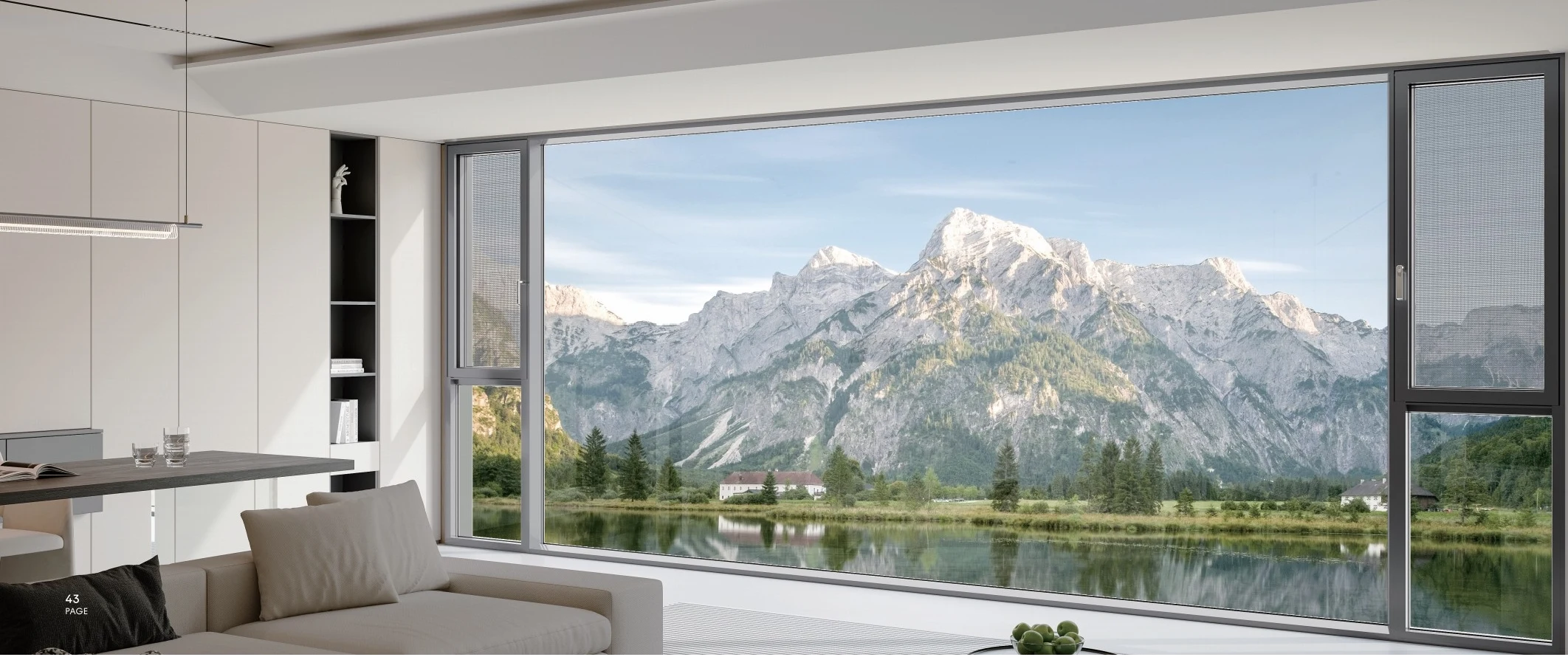
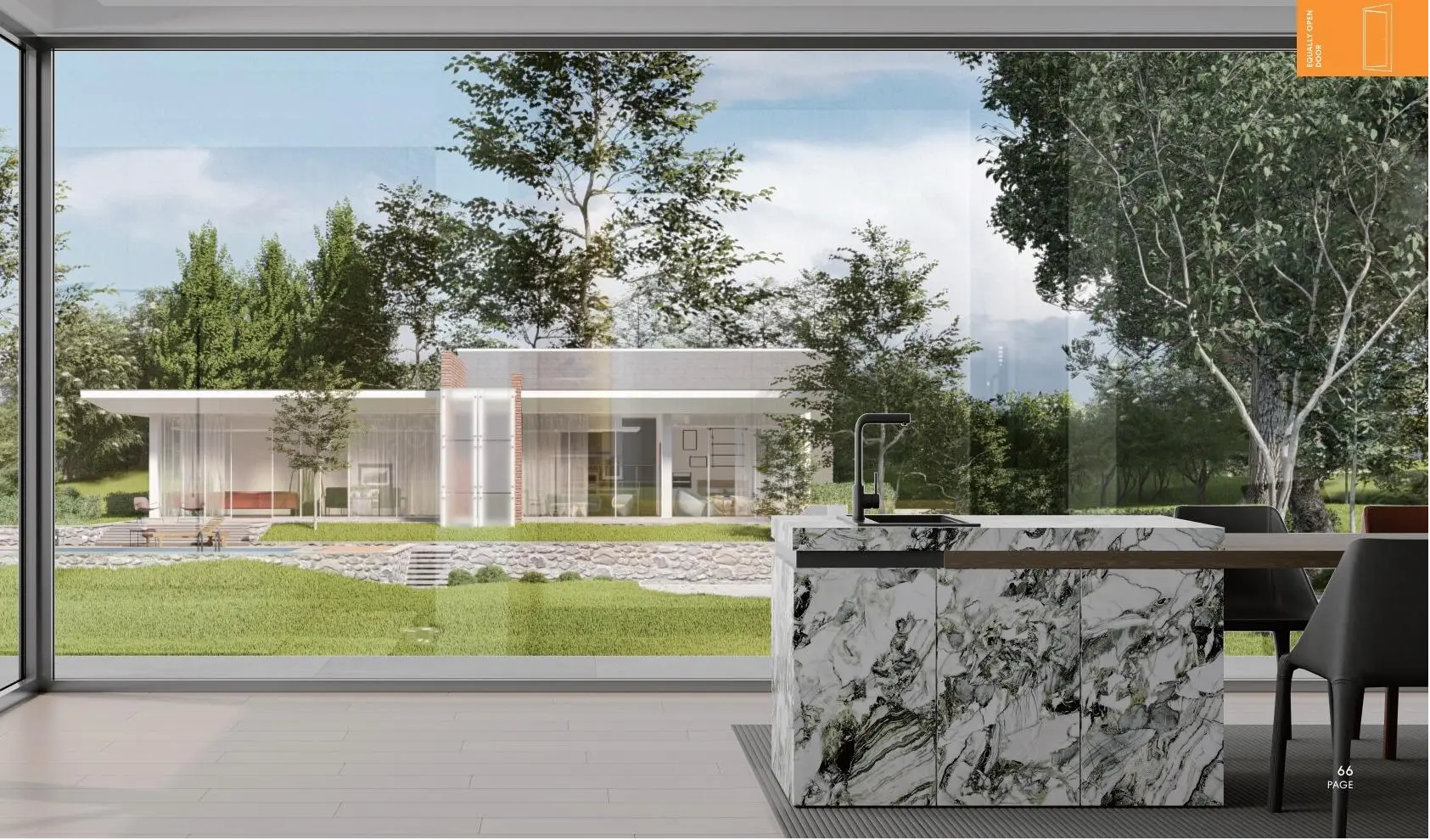
Large sliding panels allow wider openings, improving natural airflow and creating stronger connections between indoor and outdoor spaces. This makes Sliding Window systems especially valuable in coastal homes, tropical regions, and buildings designed to maximize views and ventilation.
Combining Modern Design with Structural Performance
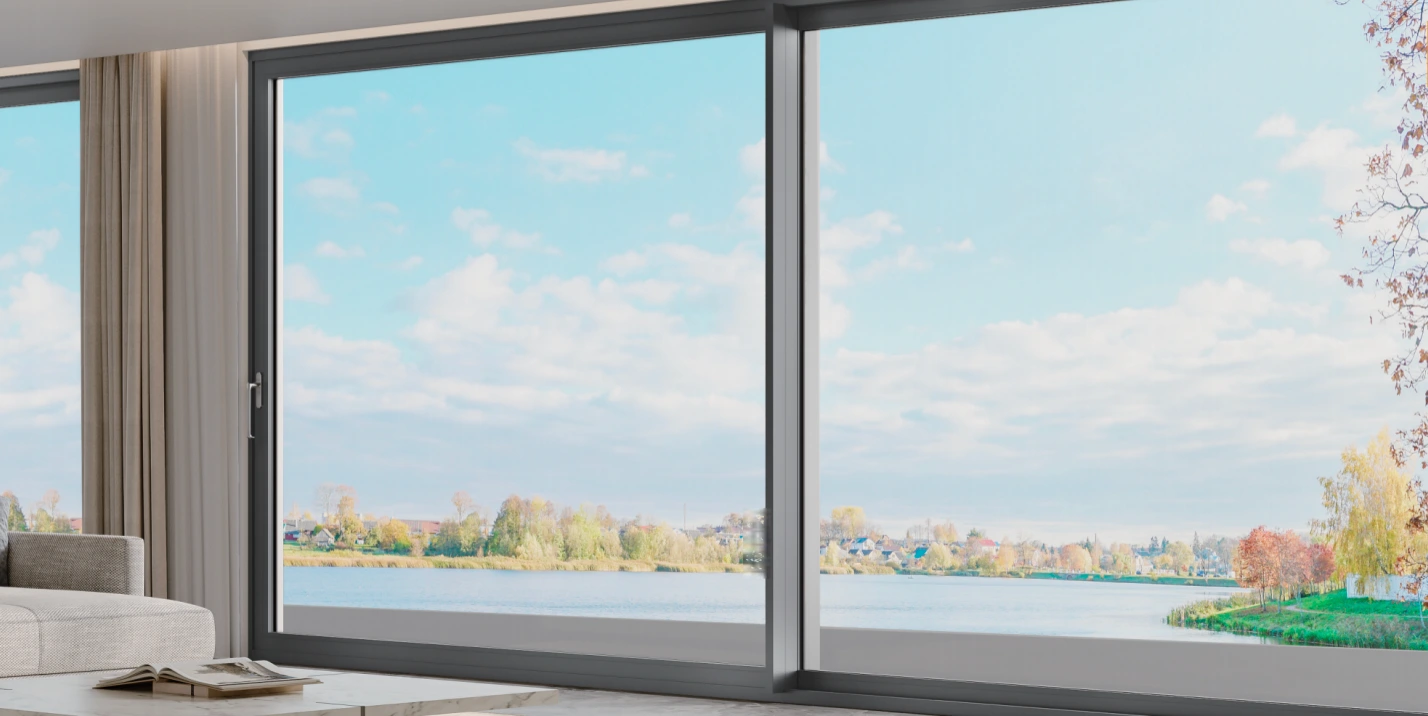
Contemporary architecture often uses large glass areas and slim aluminum profiles to create brighter interiors and a more open visual experience. However, appearance should not come at the expense of durability and weather protection.
A well-designed Sliding Window system can provide:
- Wider glass surfaces for better daylight
- Slim aluminum frames with clean architectural lines
- Customized sizes for different project requirements
- A balance between aesthetics, strength, and long-term performance
For architects, contractors, and property developers, selecting a durable aluminum sliding window solution helps improve both building appearance and overall user experience while maintaining reliable performance in demanding environments.
Common Mistakes to Avoid When Buying a Sliding Window for Storm Areas
Selecting a storm-resistant Sliding Window is not simply a matter of choosing the lowest-priced option. Many window performance issues appear after installation because buyers focus on upfront costs while overlooking structural design, material durability, manufacturing quality, and installation requirements. For coastal buildings and typhoon-prone projects, replacing damaged window systems after severe weather can result in higher repair costs and project delays.
Choosing Thin Aluminum Frames to Reduce Costs
Reducing aluminum profile thickness may lower the initial purchase price, but insufficient structural strength can compromise the long-term performance of a Sliding Window system under extreme wind pressure.
A reliable aluminum sliding window frame should be evaluated based on its complete structural design rather than appearance alone. Important factors include:
- Aluminum profile strength and wall thickness
- Internal chamber reinforcement for improved rigidity
- Corner connection stability
- Resistance to deformation under wind load
For storm-prone areas, reinforced aluminum profiles help maintain the alignment between the frame, glass panels, locking system, and sealing structure. This ensures more stable operation and better weather protection throughout the service life of the window.
Ignoring Hardware Quality and Track Performance
Hardware components directly affect both daily usability and storm resistance. Rollers, locks, handles, and track systems must work together to keep sliding panels stable, secure, and properly sealed.
Low-quality hardware may lead to:
- Difficult sliding operation
- Loose or misaligned panels
- Reduced sealing pressure
- Faster wear of moving components
This is especially important for large-size Sliding Window panels, where heavier glass loads require high-strength rollers, durable tracks, and precise alignment to maintain smooth operation over time.
Focusing Only on Glass Thickness
A common purchasing mistake is assuming thicker glass automatically provides better storm protection. In reality, the performance of a Sliding Window depends on the entire system, including glass type, aluminum frame strength, sealing design, hardware quality, and installation accuracy.
For typhoon-resistant applications, buyers should select a glass configuration that matches the overall window structure. A well-balanced system combining suitable glass, reinforced profiles, and effective sealing often delivers better protection than simply increasing glass thickness alone.
Skipping Performance Testing and Supplier Evaluation
Before placing large-volume orders, buyers should evaluate product samples, technical specifications, production capability, and quality control procedures. This is particularly important for commercial buildings and coastal projects where window performance directly affects safety, maintenance costs, and long-term operating reliability.
Key evaluation areas include:
- مقاومة أحمال الرياح
- Water tightness performance
- Air infiltration control
- Operating durability
- Material corrosion resistance
- Production consistency between batches
Working with an experienced Sliding Window manufacturer helps ensure the selected system meets project requirements for storm protection, durability, and long-term performance.
How Sliding Window Maintenance Helps Preserve Long-Term Performance
Even the best window system requires proper maintenance to maintain performance over time.
Regular care can extend service life and prevent small problems from becoming major repairs.
Recommended maintenance practices include:
- Clean tracks regularly to prevent dust and debris buildup.
- Check sealing strips for aging or damage.
- Inspect locks and rollers for smooth operation.
- Keep drainage holes clear.
- Wash coastal-exposed surfaces to remove salt deposits.
For buildings in typhoon regions, maintenance before and after storm seasons is especially important.
A well-maintained Sliding Window system can continue providing protection, ventilation, and comfort for many years.
الخاتمة
A typhoon-resistant Sliding Window depends on more than strong materials. Reinforced aluminum frames, reliable glass systems, quality hardware, effective sealing, and proper drainage all contribute to long-term performance. For coastal homes, commercial buildings, and large-scale projects, choosing the right window system helps improve safety, comfort, and durability. Work with an experienced window manufacturer to select a customized solution that meets your project’s weather challenges and performance requirements.