
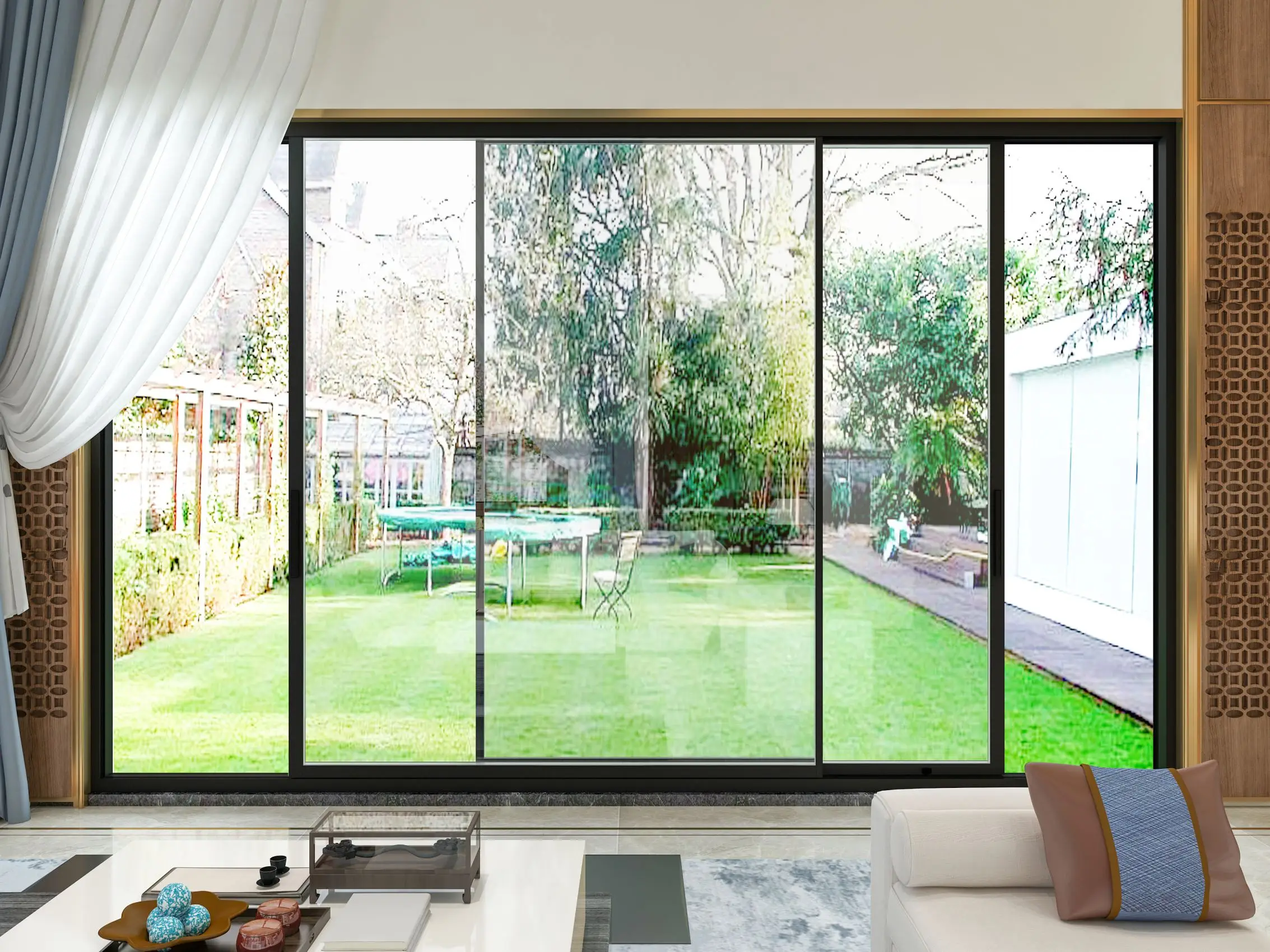
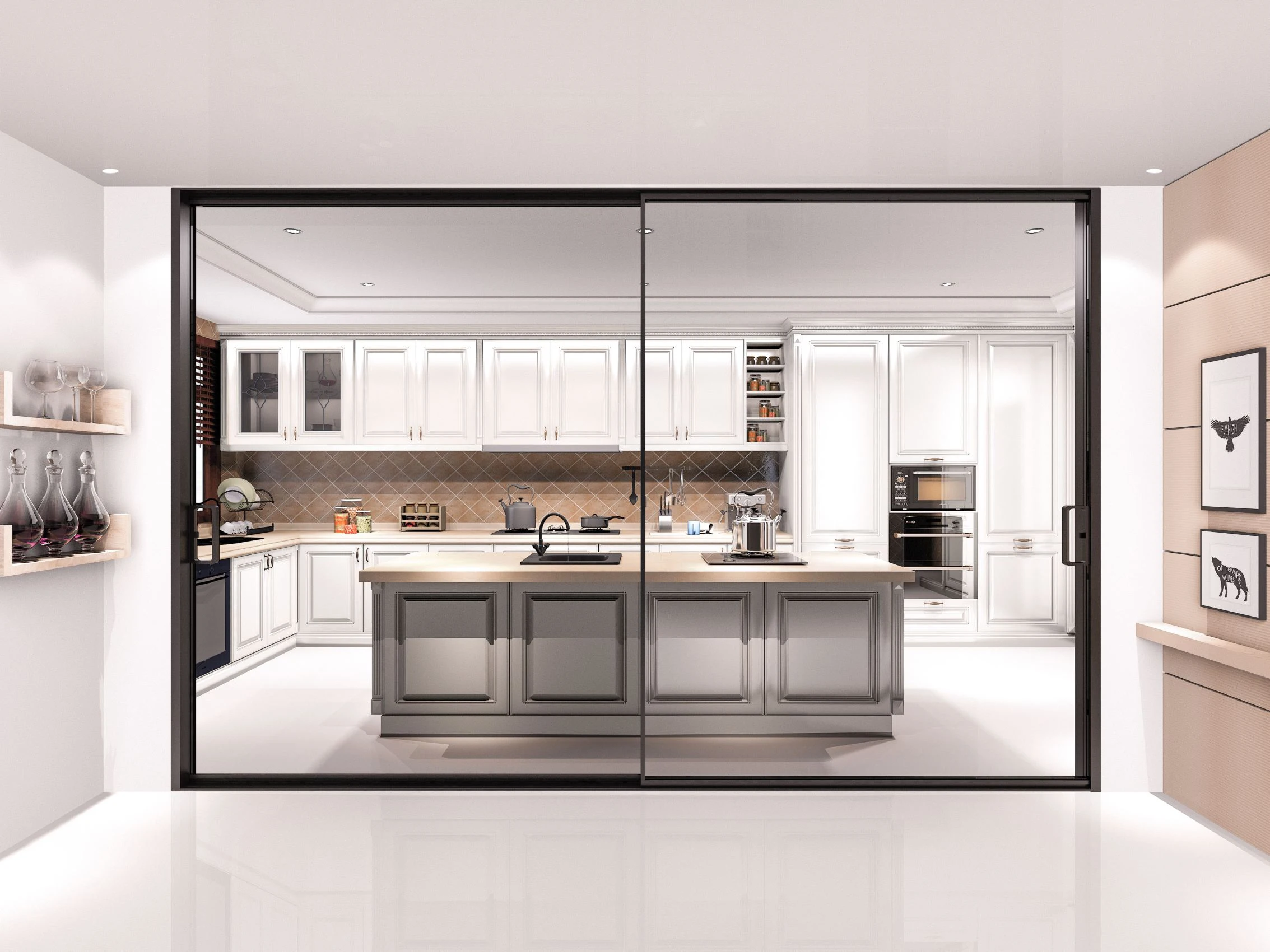
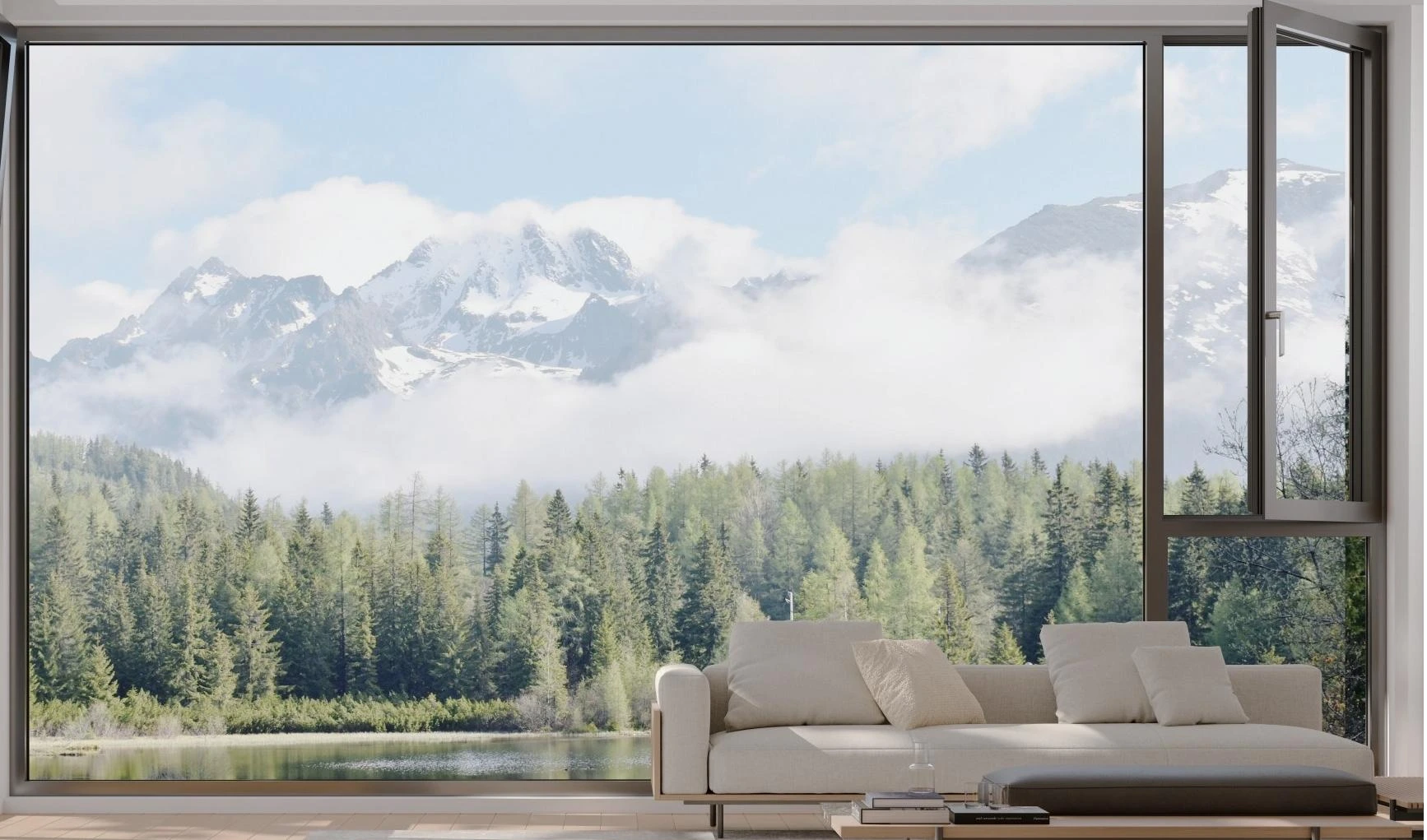
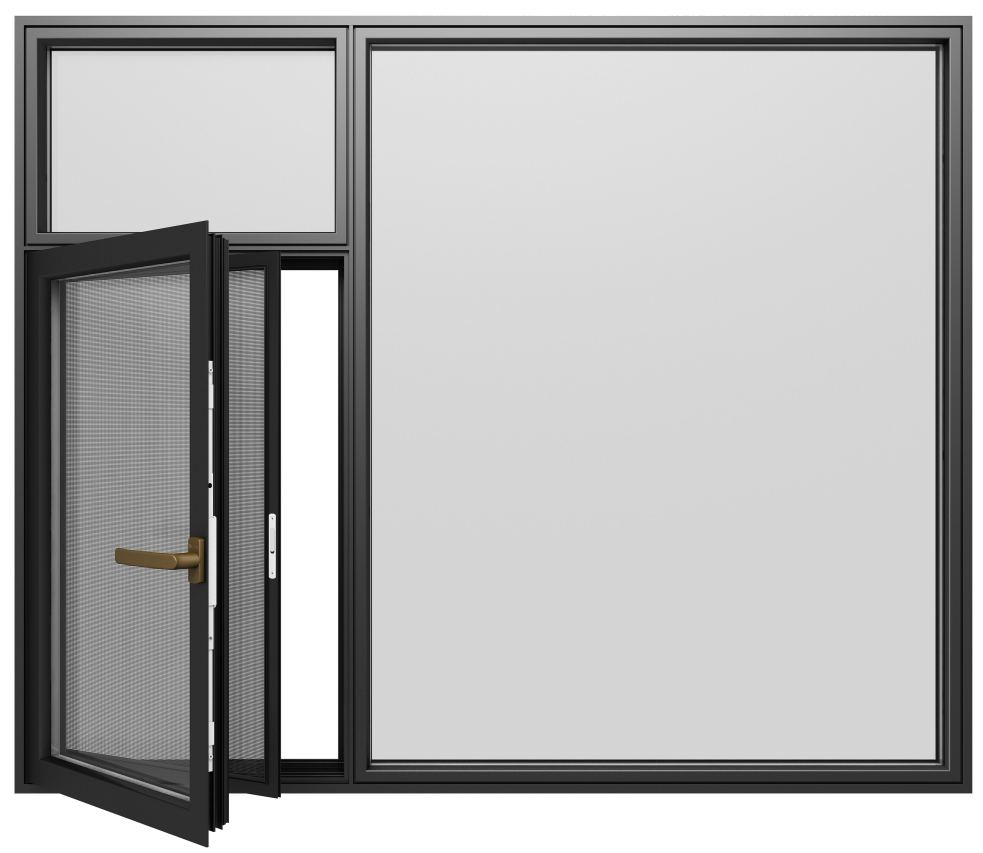
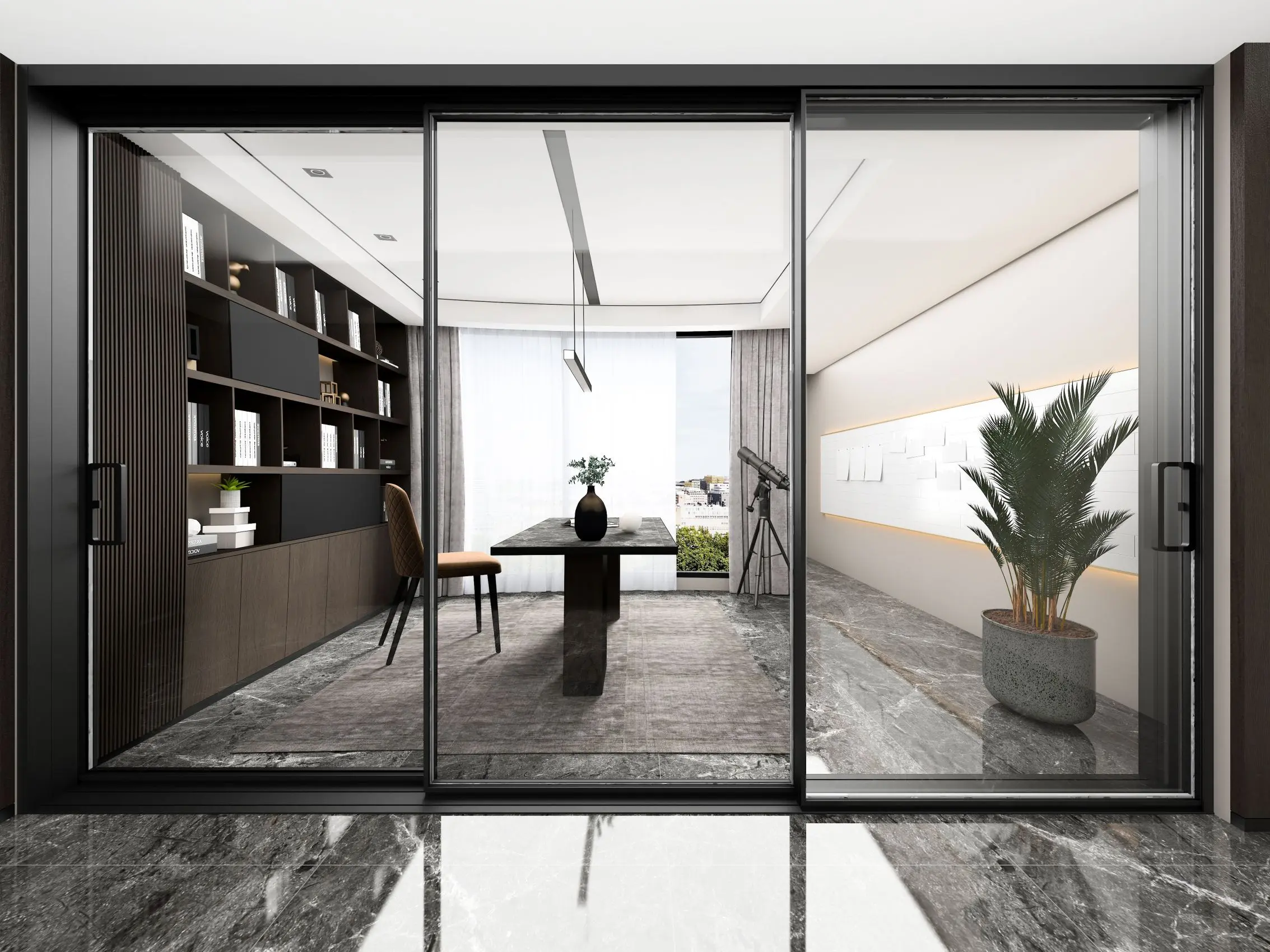
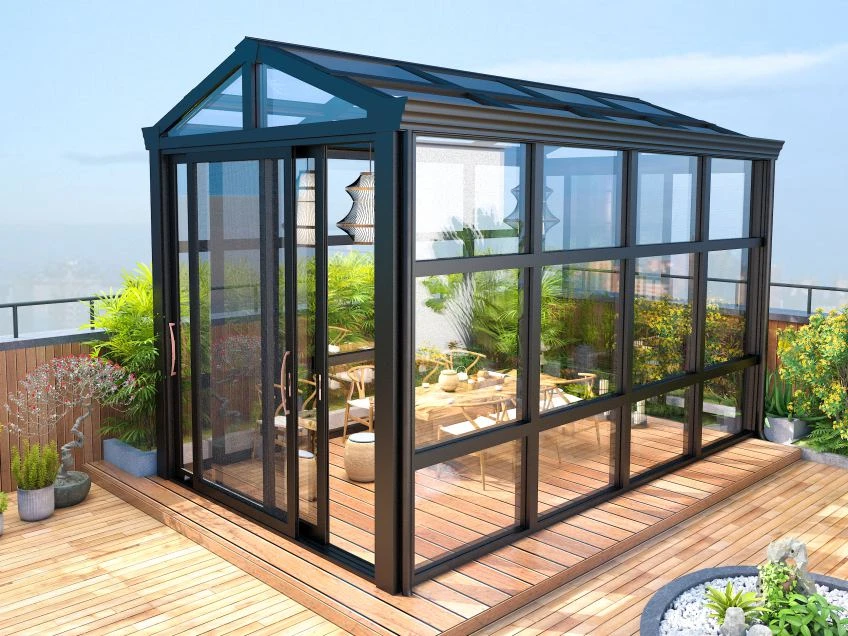
This comprehensive guide assists commercial buyers and architects in selecting premium aluminum sliding windows specifically designed for living room balconies. Covering technical specifications, material advantages, installation considerations, and procurement strategies, this article provides actionable insights for B2B buyers seeking high-performance balcony window solutions that combine aesthetics, durability, and energy efficiency. Whether specifying for residential high-rises, boutique developments, or renovation projects, understanding the technical nuances of aluminum sliding systems ensures optimal performance across diverse climate zones and architectural requirements.
Why Aluminum Sliding Windows Are Ideal for Living Room Balcony
Material Advantages of Aluminum Frames
Aluminum alloy frames deliver exceptional corrosion resistance through natural oxide layer formation, making them particularly suitable for balcony applications exposed to moisture, UV radiation, and temperature fluctuations. Unlike steel or wood alternatives, aluminum maintains structural integrity without requiring protective coatings that degrade over time. The typical 6063-T5 or 6061-T6 aluminum alloy used in premium sliding windows offers tensile strength exceeding 215 MPa while maintaining a density of only 2.7 g/cm³—approximately one-third the weight of steel.
The strength-to-weight ratio becomes critical in balcony installations where structural loads must be minimized without compromising wind resistance. Modern aluminum frames achieve frame depths of 70-90mm while supporting glass units up to 40mm thick, enabling triple-glazing configurations without excessive weight transfer to building structures.
Thermal break technology represents a decisive advancement in aluminum window performance. Polyamide strips (typically 24-34mm wide) inserted between interior and exterior aluminum profiles create thermal discontinuity, reducing heat transfer coefficients from 5.8 W/m²K (non-thermal break) to 1.8-2.2 W/m²K. This technology prevents condensation formation on interior frame surfaces—a common failure point in conventional aluminum systems—while meeting stringent energy codes in cold climates.
The material’s dimensional stability across temperature ranges (-40°C to +80°C) eliminates warping issues that plague PVC frames in extreme conditions. Aluminum’s coefficient of thermal expansion (23.1 × 10⁻⁶/K) requires minimal accommodation in standard residential applications, simplifying installation tolerances.
Space Optimization Benefits of Sliding Mechanisms
Sliding window systems eliminate the 800-1200mm swing clearance required by casement or tilt-turn configurations, making them optimal for balconies with limited depth or furniture placement constraints. The parallel sliding action operates on precision-engineered track systems—typically stainless steel or aluminum with Teflon-coated rollers—that support panel weights up to 150kg while maintaining smooth operation after 50,000+ cycle testing per AAMA 910-18 standards.
Multi-track configurations (2-track, 3-track, or 4-track systems) allow selective ventilation control while maintaining security. In a 3-track system, for example, the center panel remains fixed while exterior and interior panels slide independently, providing 66% maximum opening area compared to 50% in standard 2-track designs. This configuration maximizes natural light transmission—critical for living rooms where balcony windows often constitute the primary daylight source.
The slim sightlines achievable with aluminum profiles (as narrow as 38mm for meeting rails) increase visible glass area by 15-20% compared to PVC equivalents, enhancing views and light penetration. For balconies overlooking premium vistas or urban landscapes, this architectural refinement directly impacts property value and occupant satisfaction.
Technical Specifications and Performance Standards
Frame Profile and Glazing Options
Premium aluminum sliding windows utilize extruded profiles with wall thicknesses ranging from 1.4mm (minimum per AAMA/WDMA/CSA 101/I.S.2/A440-17) to 2.0mm for enhanced structural performance. Commercial-grade specifications typically specify 1.8mm minimum thickness to ensure rigidity in panels exceeding 2.5m height.
Profile depth directly correlates with glazing capacity and thermal performance:
- 70mm systems: Accommodate double-glazing (24-28mm IGU) with basic thermal break
- 80mm systems: Support enhanced double-glazing (32mm IGU) or entry-level triple-glazing
- 90mm+ systems: Enable high-performance triple-glazing (44mm IGU) with argon/krypton fill
Glazing configurations impact overall window U-values significantly:
- Double-glazing (6mm glass + 16mm argon gap + 6mm Low-E): U-value 1.4-1.6 W/m²K
- Triple-glazing (4mm + 14mm + 4mm + 14mm + 4mm with dual Low-E): U-value 0.8-1.0 W/m²K
For balcony applications, laminated safety glass on the interior pane (typically 6.38mm or 8.38mm) provides post-breakage retention, critical for elevated installations per IBC requirements. Exterior panes often incorporate tempered glass for impact resistance, particularly in wind-driven rain zones.
Acoustic performance becomes essential in urban environments. A specialized acoustic laminate configuration (10.38mm laminated + 16mm cavity + 6mm tempered) achieves STC ratings of 38-42, reducing traffic noise intrusion by 35-40 dB.
Compliance with Building Codes and Energy Ratings
NFRC (National Fenestration Rating Council) certification provides standardized performance metrics essential for specification compliance. Key ratings include:
- U-Factor: Heat transfer rate (lower = better insulation)
- SHGC (Solar Heat Gain Coefficient): Solar radiation transmission (0.25-0.40 typical for balconies)
- VT (Visible Transmittance): Daylight passage (0.40-0.60 range balances light and energy)
- Air Leakage: Measured at 0.30 cfm/ft² maximum per ENERGY STAR standards
ENERGY STAR qualification varies by climate zone. Northern zones require U-factors ≤0.27, while southern zones prioritize SHGC ≤0.25 to minimize cooling loads. Premium aluminum systems achieve these targets through combined frame thermal breaks and advanced glazing.
Water penetration resistance follows ASTM E547 testing protocols, with performance grades ranging from R-30 (residential) to R-50+ (high-rise commercial). Balcony windows in coastal areas should specify R-40 minimum to withstand wind-driven rain events.
Application Scenarios and Design Considerations
Residential High-Rise vs. Low-Rise Installations
Wind load calculations govern frame specifications in high-rise applications. Buildings exceeding 60 feet require engineered systems tested to design pressures of 40-70 psf (pounds per square foot), depending on exposure category and local wind speed data. Aluminum’s inherent strength enables slender profiles even under extreme loads—a 2.0mm wall thickness frame with proper reinforcement withstands 50+ psf while maintaining aesthetic proportions.
Safety glazing requirements intensify with elevation. IBC Section 2406 mandates laminated or tempered glass in “hazardous locations,” including balcony doors and windows within 18 inches of floor level. High-rise installations (above 25 feet) often require fully tempered glass on all lites to prevent injury from potential breakage due to thermal stress or impact.
Acoustic performance becomes paramount in urban high-rises. Specifying asymmetric glazing (e.g., 8mm exterior + 6mm interior panes with varied cavity widths) disrupts sound wave resonance, improving STC ratings by 4-6 points compared to symmetric configurations. Buildings near airports or highways may require specialized acoustic interlayers achieving STC 42-45.
Low-rise installations (1-3 stories) permit more flexible specifications but still require attention to egress requirements. Balcony windows serving as emergency exits must provide a minimum 5.7 sq ft opening area with no dimension less than 20 inches—constraints that favor sliding systems over fixed configurations.
Climate-Specific Customization Requirements
Coastal environments demand enhanced corrosion protection beyond standard anodizing. Marine-grade specifications include:
- Powder coating over anodized finish (minimum 60-micron thickness)
- Stainless steel hardware (316 grade) for all exposed fasteners
- EPDM gaskets with UV stabilizers (vs. standard rubber seals)
- Drainage system design with enlarged weep holes (8mm vs. 6mm standard) to prevent salt accumulation
ASTM B117 salt spray testing should demonstrate no corrosion after 3,000+ hours for coastal installations within 1 mile of saltwater.
Extreme temperature zones (below -20°C or above 40°C ambient) require thermal break widths of 30mm+ to prevent condensation and maintain interior comfort. In cold climates, specifying triple-glazing with krypton fill (vs. argon) improves U-values by 0.1-0.15 W/m²K—translating to 8-12% heating cost reduction over 20-year lifecycles.
Desert climates prioritize solar heat gain control. Low-E coatings with SHGC <0.25 combined with exterior shading devices reduce cooling loads by 30-40%. Aluminum’s thermal stability prevents frame warping under sustained 60°C+ surface temperatures common in direct sun exposure.
Humidity control in tropical climates requires attention to condensation resistance factors (CRF). Premium systems achieve CRF 70+ through optimized thermal break placement and warm-edge spacer technology in glazing units.
Procurement Strategy for B2B Buyers
Supplier Evaluation Criteria
Manufacturing certifications validate quality control processes. Essential credentials include:
- ISO 9001:2015: Quality management system baseline
- ISO 14001: Environmental management (increasingly required for LEED projects)
- OHSAS 18001/ISO 45001: Occupational health and safety standards
Request factory audit reports from third-party agencies (SGS, TÜV, Intertek) verifying production capacity, equipment calibration, and QC protocols. Suppliers should demonstrate extrusion press capacities matching project volume—minimum 1,000-ton presses for consistent profile tolerances.
Warranty terms reveal manufacturer confidence. Premium suppliers offer:
- 10-year structural warranty on aluminum frames (vs. 5-year standard)
- 5-year hardware warranty covering rollers, locks, and operating mechanisms
- 2-year seal warranty against IGU failure (condensation between panes)
Clarify warranty exclusions—particularly for coastal installations or non-standard color finishes that may void coverage.
Lead time expectations vary by customization level:
- Standard configurations: 4-6 weeks from order confirmation
- Custom colors/sizes: 6-8 weeks, including tooling setup
- Engineered systems: 8-12 weeks with performance testing documentation
Negotiate penalty clauses for delays exceeding agreed timelines—typically 0.5-1% of order value per week, capped at 10%.
FAQ Module
Q1: What is the typical lead time for bulk orders of aluminum sliding windows for commercial projects?
Standard lead times range from 6-10 weeks for orders exceeding 500m², including manufacturing, quality inspection, and packaging. This timeline assumes confirmed shop drawings and standard powder-coat finishes. Custom anodizing colors add 2-3 weeks, while performance testing documentation (required for some jurisdictions) extends timelines by 1-2 weeks. For projects requiring phased delivery, negotiate staggered production schedules with 30-40% initial delivery, enabling on-site installation to commence while remaining units complete fabrication. Request Gantt charts linking window delivery to critical path construction milestones.
Q2: How do I verify that the aluminum frames meet local fire safety and wind load requirements?
Request certified test reports from accredited laboratories (NFRC, Intertek, SGS) documenting compliance with specific codes. For wind load, verify testing per ASTM E330 at design pressures matching your project’s calculated loads (typically 1.5x expected wind pressure). Fire safety compliance varies by jurisdiction—some require non-combustible frame materials (inherent to aluminum), while high-rises may mandate specific flame-spread ratings. Obtain structural engineering letters stamped by licensed professionals confirming frame adequacy for your building height and exposure category. Cross-reference supplier claims against ICC-ES evaluation reports (ESR numbers) for third-party validation.
Q3: Can these windows be customized for non-standard balcony dimensions without significant cost increases?
Aluminum extrusion processes accommodate custom dimensions more economically than PVC or wood alternatives. Suppliers typically charge 10-15% premiums for non-standard sizes (vs. 25-40% for other materials), provided dimensions fall within manufacturing constraints (maximum panel widths of 1.2-1.5m for sliding systems). Height customization incurs minimal cost impact up to 3.0m. Beyond standard configurations, request value engineering reviews—suppliers may suggest modular approaches using standard components to achieve custom openings while minimizing tooling costs. For projects requiring 20+ units of identical custom sizes, negotiate tooling cost amortization to reduce per-unit premiums to 5-8%.
Premium aluminum sliding windows represent a strategic investment for living room balcony applications, offering superior durability, energy efficiency, and design flexibility. By prioritizing certified suppliers with documented ISO compliance, understanding technical specifications aligned with project-specific climate and building code requirements, and conducting comprehensive lifecycle cost analyses, B2B buyers ensure long-term performance and client satisfaction. The material advantages of aluminum—corrosion resistance, strength-to-weight optimization, and thermal break capability—combined with sliding mechanisms’ space efficiency, make these systems the optimal choice for modern residential developments. Successful procurement hinges on detailed specification development, supplier due diligence, and proactive coordination between architects, contractors, and manufacturers throughout the project lifecycle.