

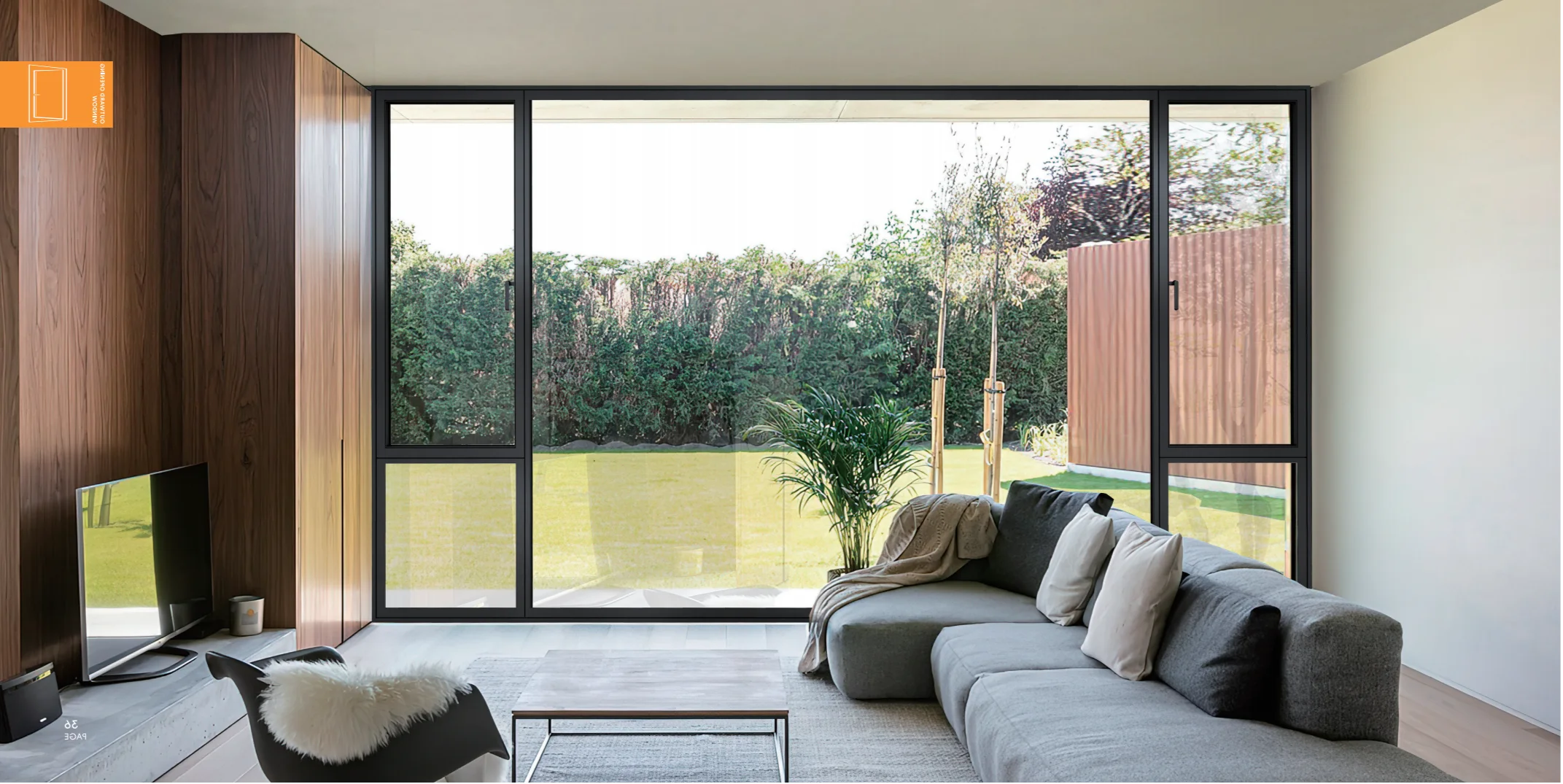


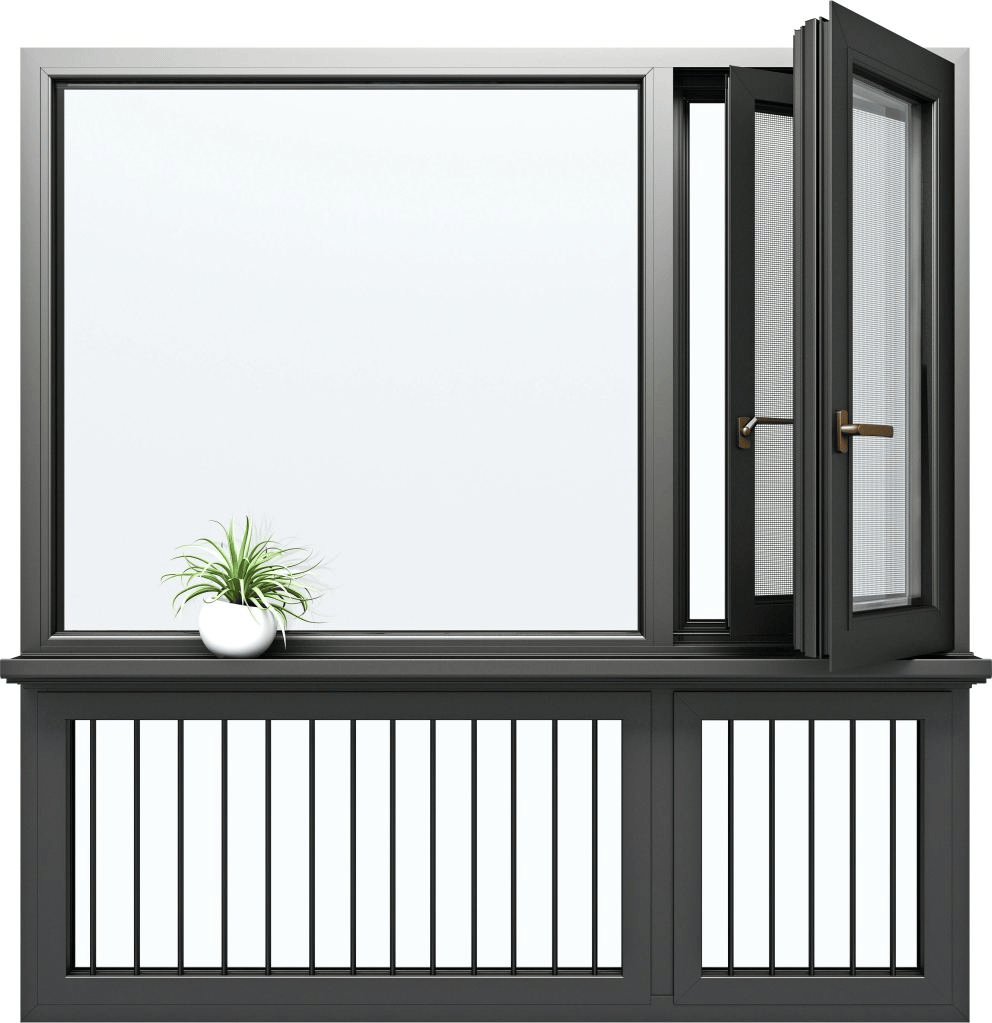

Narrow bezel sliding doors, also called slimline or ultra-thin sliding doors, are architectural doors that minimize the visible width of the frame while maximizing the area of glass. Narrow bezel systems typically have interlock profiles that are 20-30 mm wide, which creates a visual effect that is almostframeless.
From a structural and engineering perspective, narrow bezel sliding doors aren’t simply aesthetic enhancements. They pose a structural and thermal design problem that balances the minimal amount of light with the capacity to support loads, weather resistance, and long-term durability. As modern buildings have increasingly focused on daylight, transparency, and seamless internal-external transitions, narrow bezel doors have become the most popular solution in both residential and commercial projects.
What Defines a Narrow Bezel Sliding Door System?
A narrow bezel sliding door system is defined by three core characteristics:
Ultra-slim visible frame profiles
Large-format glass panels
Engineered aluminum structures capable of supporting heavy loads
In most instances, the frame is covered by walls, ceilings, or floors, and only a minimal amount of interlock is visible between the panels. This design approach facilitates the visual invisibility of the door when it’s closed, preserving the unobstructed view.
Technically, these systems utilize strong aluminum alloys, have a precise extrusion, and have a reinforced track system to compensate for the decreased profile thickness. Without these engineering steps, narrow frames would not have the capacity to safely hold large glass panels.
Why Narrow Bezel Sliding Doors Maximize Daylight and Views
One of the primary reasons narrow-bezel sliding doors are specified in modern projects is their ability to maximize natural light and visual openness.
Traditional sliding doors interrupt sightlines with thick vertical frames, which fragment views and reduce daylight penetration. In contrast, narrow bezel systems reduce the visual barrier between interior and exterior spaces, allowing glass to dominate the façade.
This design approach is particularly valuable in:
Urban apartments with limited window openings
Luxury villas with panoramic landscapes
Coastal or high-rise buildings where views are a key asset
By reducing frame width, architects can increase the glass-to-frame ratio without increasing the overall opening size, improving both daylighting and perceived space.
Structural Engineering Behind Narrow Bezel Sliding Doors
Reducing frame width does not reduce structural demands. In fact, narrow-bezel sliding doors often face higher engineering requirements due to larger glass panels and increased wind loads.
Load-Bearing Considerations
Large glass panels can weigh several hundred kilograms. Narrow bezel systems typically use:
Reinforced aluminum profiles
Multi-point load distribution tracks
High-capacity rollers and bearings
The structural load is transferred vertically to the track system and horizontally through reinforced interlock profiles, ensuring stability even with minimal visible framing.
Wind and Impact Resistance
In exposed locations, such as coastal areas or high-rise buildings, narrow bezel sliding doors must withstand wind pressure and, in some regions, impact resistance requirements. This is achieved through:
Laminated or tempered safety glass
Multi-chamber aluminum profiles
Secure locking mechanisms integrated into slim frames

Thermal Performance and Energy Efficiency
A common misconception is that minimal frames compromise thermal performance. In reality, modern narrow-bezel sliding doors are engineered to meet strict energy efficiency standards.
Thermal Break Technology
Most narrow bezel systems use thermally broken aluminum frames, where insulating materials separate interior and exterior metal sections. This reduces heat transfer and improves insulation performance.
Glazing Options
Energy efficiency is largely driven by glass selection. Narrow bezel sliding doors commonly incorporate:
Double or triple glazing
Low-emissivity (Low-E) coatings
Argon or krypton gas-filled cavities
Together, these features allow slimline systems to achieve thermal performance comparable to, or better than, conventional sliding doors.
Recessed Tracks and Seamless Floor Transitions
A defining feature of narrow-bezel sliding doors is the ability to integrate recessed or flush floor tracks. This design removes raised thresholds, creating a seamless transition between indoor and outdoor spaces.
Functional Advantages
Eliminates trip hazards
Improves accessibility
Enhances minimalist interior design
From an engineering standpoint, recessed tracks require precise drainage design and waterproofing to prevent water ingress. High-quality systems incorporate concealed drainage channels and weather seals to maintain performance without compromising aesthetics.
Common Configurations of Narrow Bezel Sliding Doors
Narrow bezel sliding doors are highly flexible and can be adapted to various spatial requirements.
Multi-Panel Sliding Systems
These systems allow multiple panels to slide along parallel tracks, enabling wide openings without folding mechanisms.
Corner-Opening Systems
Corner-opening narrow bezel doors eliminate the need for a visible corner column, creating a fully open corner when doors are retracted. This configuration requires advanced structural planning and reinforced overhead support.
Pocket Sliding Doors
Pocket systems allow panels to slide completely into wall cavities, making the doors invisible when open. This solution is popular in minimalist interiors and luxury residential projects.
Typical Applications in Architecture and Interior Design
Patio and Garden Connections
Narrow bezel sliding doors are widely used to connect living areas with outdoor spaces, creating a fluid indoor–outdoor experience.
Interior Room Dividers
In interior applications, slimline sliding doors divide spaces while maintaining visual continuity and light flow, making them ideal for offices, studios, and modern homes.
Balcony and Terrace Enclosures
For high-rise apartments, narrow bezel sliding doors maximize usable space and preserve exterior views without bulky framing.
Automation and Smart Integration
Modern narrow-bezel sliding door systems can be motorized and integrated into smart home or building automation systems.
Automation features include:
Remote or app-based operation
Soft-start and soft-close functions
Integration with sensors and access control systems
Despite the slim profiles, automation components are typically concealed within tracks or frames, preserving the minimalist appearance.
Key Technical Considerations When Selecting Narrow Bezel Sliding Doors
Choosing the right narrow-bezel sliding door system requires more than aesthetic preference.
Key factors include:
Maximum panel size and weight
Local wind load and climate conditions
Thermal and acoustic performance requirements
Drainage and waterproofing design
Maintenance access and long-term durability
A well-designed system balances minimal visual impact with robust mechanical and environmental performance.
Narrow Bezel Sliding Doors vs Traditional Sliding Doors
Compared to traditional sliding doors, narrow bezel systems offer:
Significantly reduced sightlines
Greater daylight penetration
More modern architectural expression
However, they also require:
Higher precision manufacturing
Careful installation
Greater upfront planning
For projects where visual impact and openness are priorities, narrow bezel sliding doors provide clear advantages.
Why Narrow Bezel Sliding Doors Are a Long-Term Architectural Trend
The growing adoption of narrow-bezel sliding doors reflects broader architectural trends toward minimalism, transparency, and spatial continuity. As materials, glazing technologies, and manufacturing precision continue to improve, slimline systems are becoming more accessible across different building types and budgets.
Rather than being a short-term design trend, narrow bezel sliding doors represent a structural evolution in how buildings connect interior spaces with their surroundings.
Narrow bezel sliding doors are not simply thinner versions of conventional sliding doors. They are highly engineered architectural systems that combine structural integrity, thermal performance, and minimalist aesthetics.
For architects, developers, and homeowners seeking maximum light, unobstructed views, and seamless transitions, narrow bezel sliding doors offer a compelling solution—provided that system selection, engineering design, and installation are handled with care.