
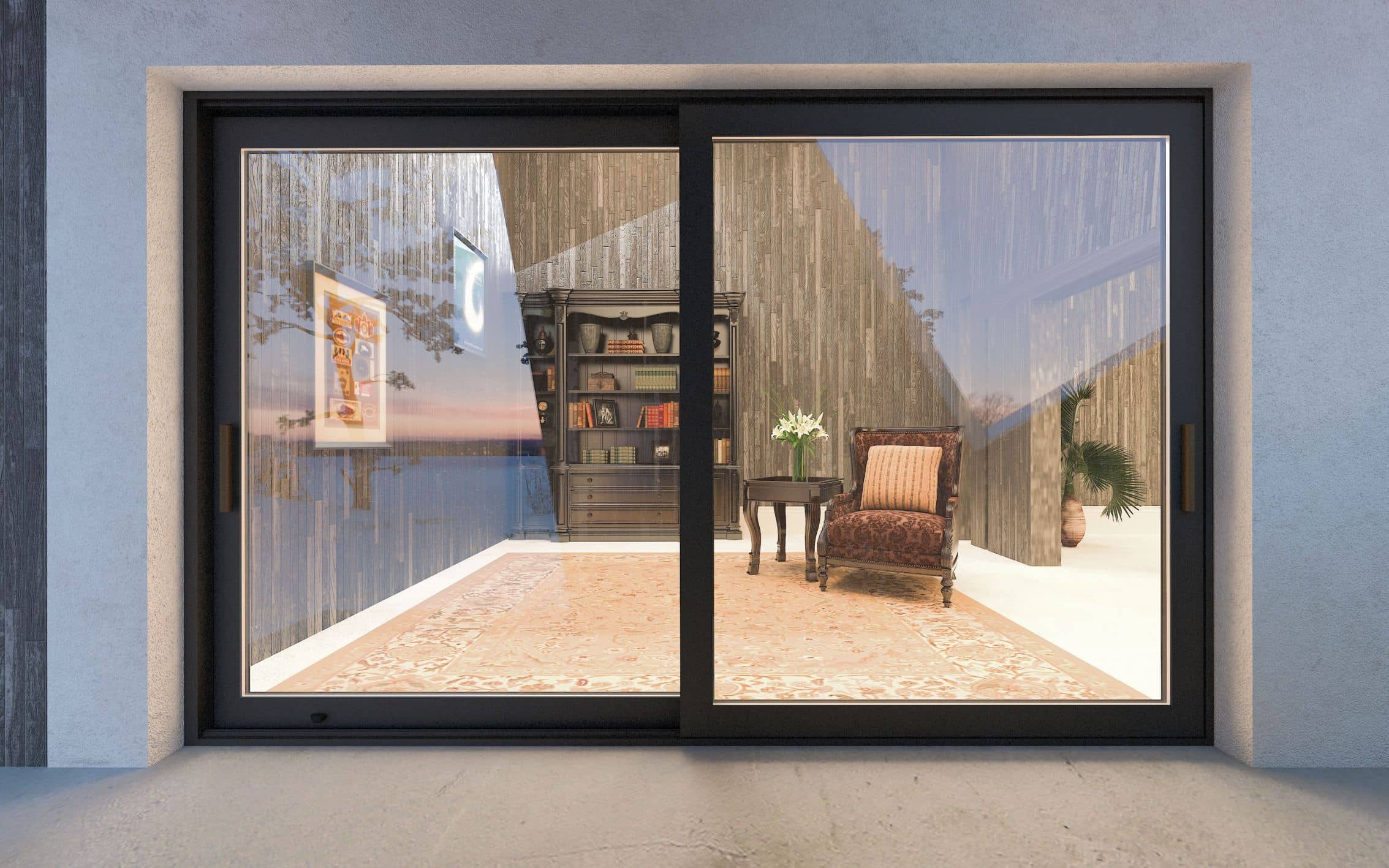
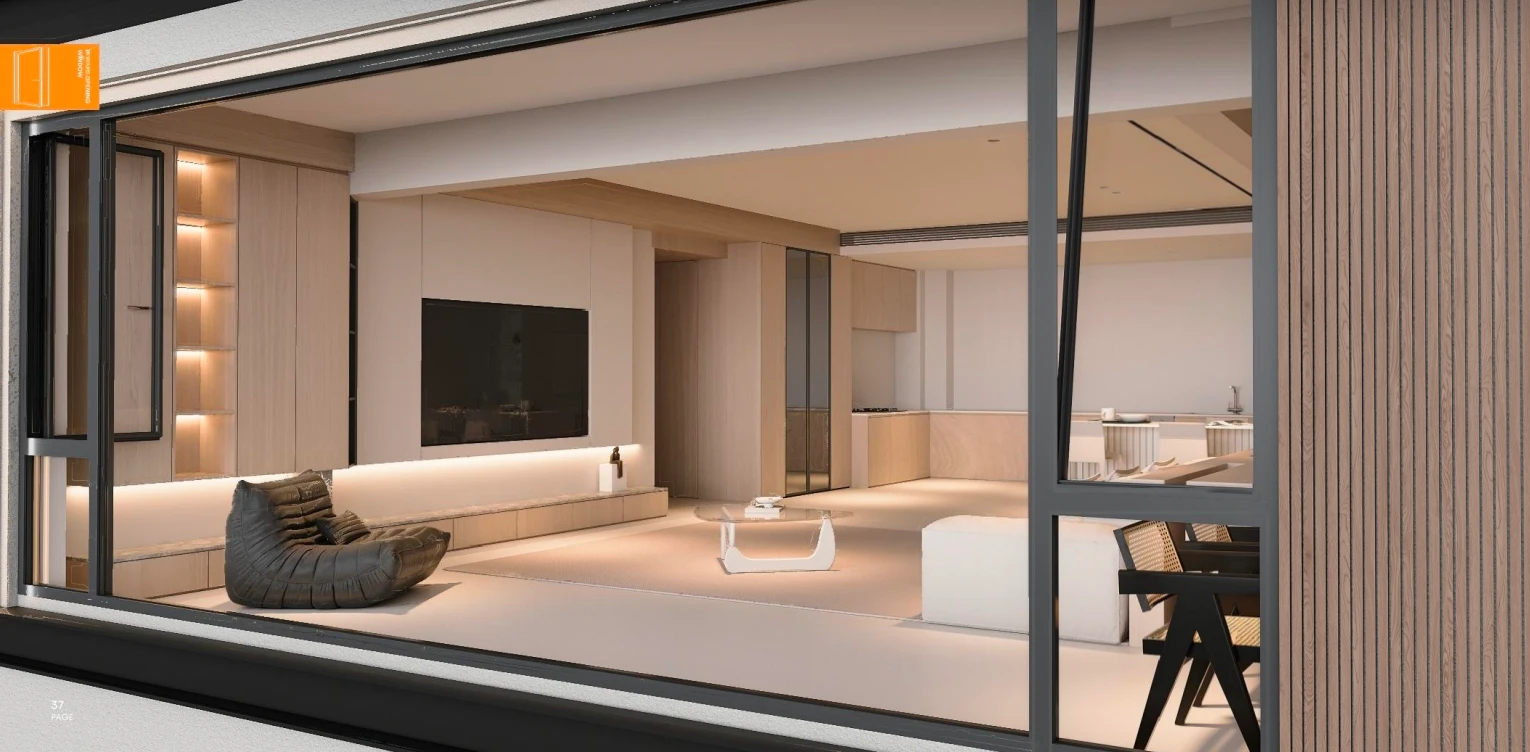
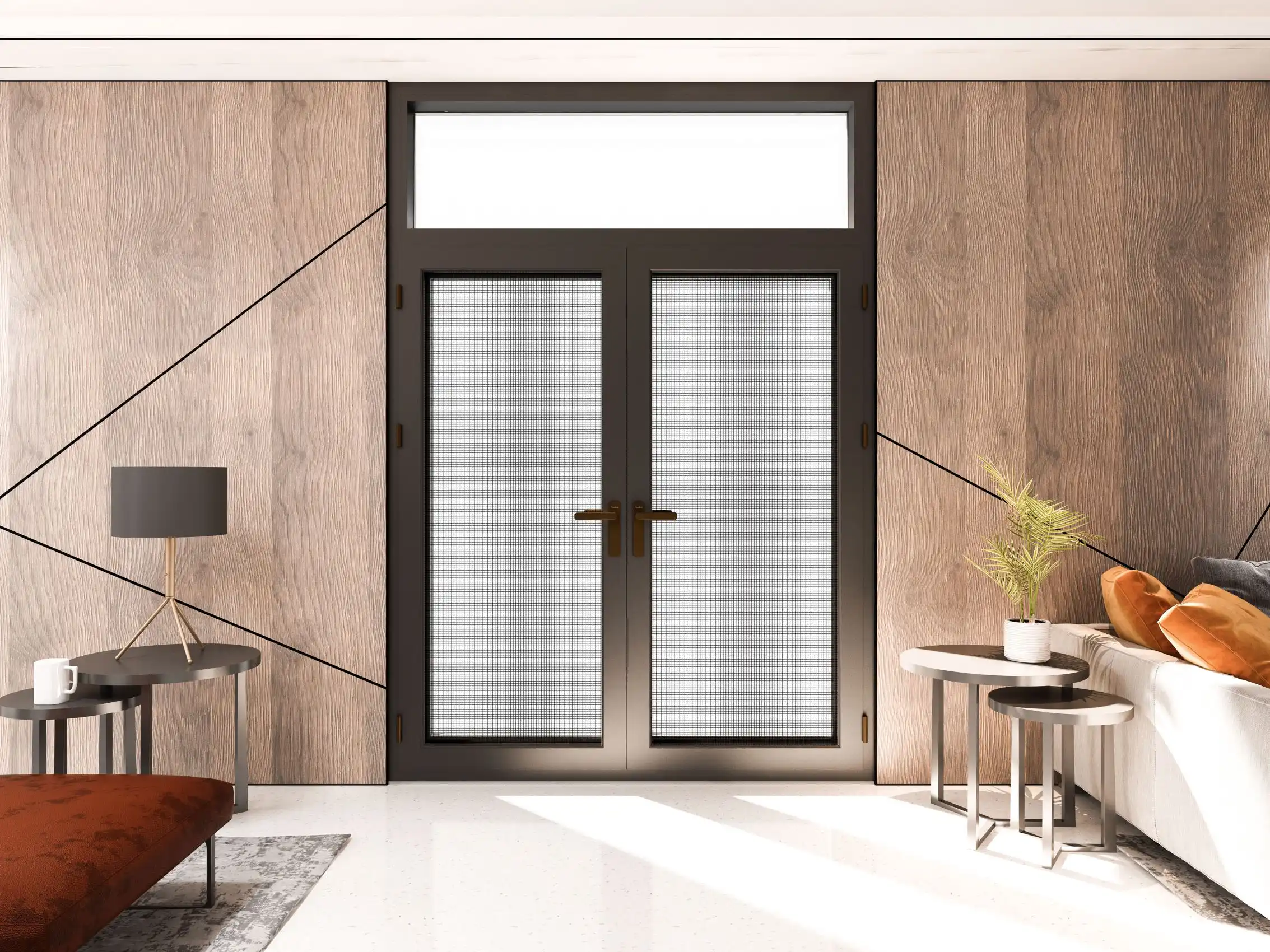
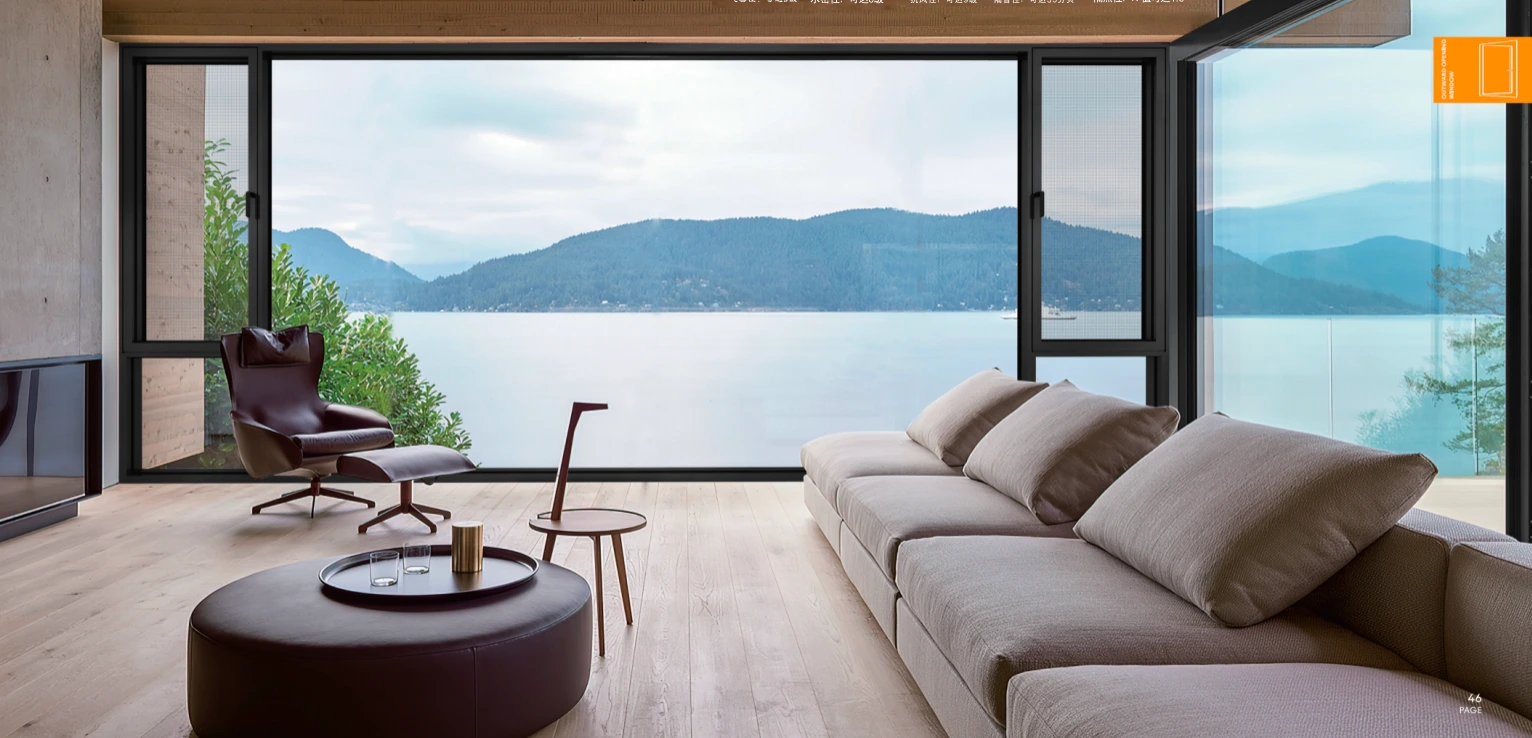
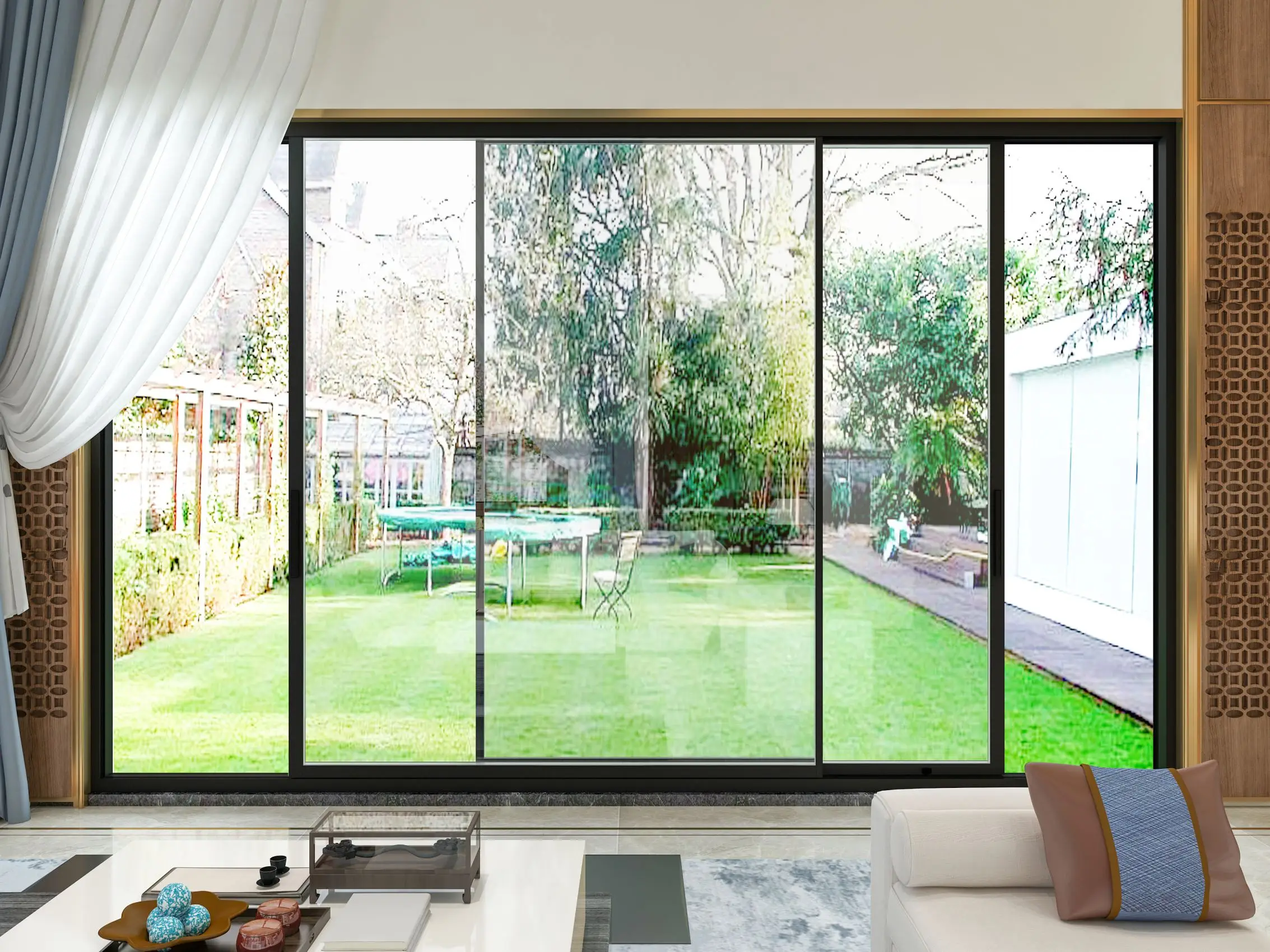
Puertas correderas de bisel estrecho count among the most iconic features of contemporary architecture. Minimal detail, maximum space-saving function inside the opening arc left free by their swing, and potential for dramatic reworking of both home and commercial interiors make them a firm favorite as more designers opt for clean lines with large visible areas and flexible layouts. Aesthetic beauty balances perfectly with very pragmatic aspects in use compared to traditional hinged doors; this is what has made them so attractive, whether connecting living spaces or partitioning office areas, framing an external view, narrow, strong, smooth-operating profiles bring out all their appeal.
The value and performance of narrow-bezel sliding doors can be best understood if their structural design, materials used in making them, characteristics regarding performance, as well as other features, including environmental adaptability, are discussed. Therefore, this article firstly highlights how Narrow Bezel Sliding Doors add to the aesthetics of modern spaces and what sets them fundamentally different from conventional sliding systems, besides discussing enhancements brought about by these in the functionality of interiors that have made them an architectural trend across the globe.
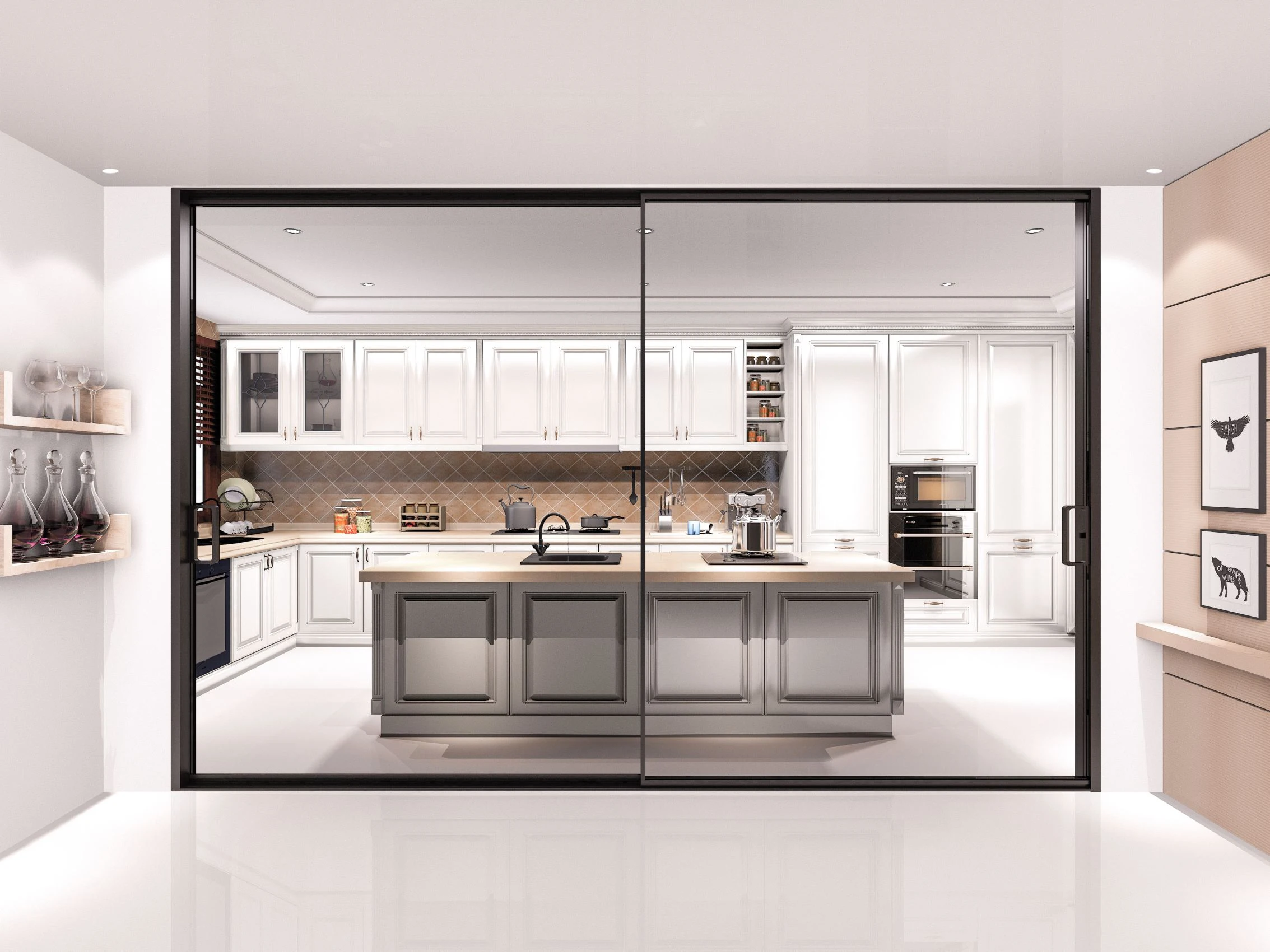
Understanding the Design Philosophy Behind Narrow Bezel Sliding Doors
The design philosophy of narrow-bezel sliding doors is based on reducing the visible frame thickness without compromising its strength. Therefore, a structurally sound explanation supports upward enlargement of the glass area while maintaining and supporting stability, insulation, and smooth operation. This trend toward minimalist frames follows much in step with modern architecture’s apparent preferences for openness—emphasizing natural light and unobstructed views.
Minimalist Style That Enhances Architectural Flow
Minimalism is a worldwide trend for homes and commercial spaces. Narrow bezel sliding doors naturally complement this design approach by eliminating bulky frame elements and highlighting clean lines. Reduced bezel thickness makes the room look larger, adds openness even to small spaces, or parts where apparent depth has to be maximized.
The slim bezel blends into walls and adjacent décor, leaving the door system less of a separate structure and more as a continuation of the environment. That makes it perfectly in line with modern interior styles, which prefer simplicity and cohesion.
A Focus on Maximizing Natural Light
A primary reason for the specification of narrow-bezel sliding doors is to achieve a higher glass-to-frame ratio. More glass equates to more daylight penetration. In discussions of energy efficiency, enhanced moods, and spaces that appear brighter and more vibrant, it creates healthy and inviting living spaces at home and adds natural light into commercial spaces where productivity through natural light can be harnessed while reducing artificial reliance on lighting.
The large surface of tempered or laminated glass used in narrow-bezel sliding doors also enhances the visual connection with outdoor environments. Whether it is a garden, balcony, patio, or landscape that these doors are facing, they turn simple views into architectural features.
Material Options That Define Strength, Style, and Performance
Narrow bezel sliding doors are engineered using diverse materials, each offering advantages in terms of durability, insulation, and design. Material selection plays a crucial role in overall door performance, especially in environments that experience temperature fluctuations or high humidity.
Aluminum: Lightweight, Stylish, and Corrosion Resistant
Aluminum is one of the most favored materials for narrow-bezel sliding doors because it has a high strength-to-weight ratio, and also due to its sleek appearance. The slim frame can support big glass panels without any bending or warping being noticed in the material. It is corrosion-resistant, hence suitable for use in coastal homes, high humidity regions, as well as outdoor applications.
Aluminum can be specified in any color. This helps interior designers and architects provide exact matches to their themes. In the modern section of aluminum, a thermal break is provided for insulation between internal and external heat transfers that energy-conscious buildings demand.
uPVC: Energy Efficient and Low Maintenance
Unplasticized polyvinyl chloride (uPVC) finds general application in sliding door systems of insulated and economical installations. Slightly thicker than aluminum, it can also be fabricated into narrow profiles. Mostly used for homes located within cold thermal zones because of its own internal temperature attributes.
uPVC does not rot, does not need painting, and is highly resistant to moisture. This makes it an obvious choice for any homeowner seeking narrow-bezel sliding doors who is unwilling to pay the high cost attached to premium metals.
Wood: Warm Aesthetics With Modern Engineering
Wood remains unique in appearance, even when narrowly bezeled alongside engineered options that allow strong yet thin profiles. Its warmth suits upscale residences and boutique hotels, or organic-themed spaces. Engineered wood frames can achieve relatively slim profiles while maintaining strength comparable to other materials.[239]
Protective coatings and regular maintenance are the requirements for wooden frames to increase their service life. Modern composite wood-aluminum structures maintain the attractive appearance of woo,d but structural strength is provided by aluminum, therefore combining both advantages.
Fiberglass and Composite Materials
Fiberglass and composite frames provide excellent durability and dimensional stability. They resist warping, swelling, and corrosion while mimicking the appearance of natural materials. Composite frames can be designed with very narrow bezels due to their high strength, making them suitable for large glass configurations.
Performance Characteristics That Matter in Real-World Use
Narrow bezel sliding doors are more than just aesthetic features; they are engineered to provide functional advantages that enhance daily living. Performance characteristics play a critical role in determining whether a sliding door system suits a particular building or climate.
Smooth and Silent Operation
The sliding mechanism consists of precision rollers and a high-quality track. A slim frame needs a stable internal reinforcement that also allows the door to glide easily when it is bearing large glass panels. Dampening systems make this product operate quietly, hence suitable for use in bedrooms, offices, or multi-family buildings where noise control is important for comfort.
Superior Insulation and Energy Efficiency
Most modern narrow-bezel sliding doors contain multi-chamber frame construction, double or triple glazing with advanced weather seals. All these features perfectly testify to the prevention of heat loss through energy insulation inside a building that maintains comfortable indoor temperatures, resulting eventually in low heating or cooling costs demanded at any period within a year.
Special coatings such as Low-E glass help block UV radiation while maintaining clarity, protecting furniture from fading and improving interior comfort.
Enhanced Safety and Security
Safety and security options available for narrow bezel sliding doors include laminated safety glass or glazing, multi-point locks, structural reinforcements within the frame and panel members, plus an anti-lift device. Laminated or tempered glass will not break into dangerous shards of pieces; the structural reinforcements ensure that the doors can withstand impacts as well as attempts at forced entry.
Most people are more conscious about security when their sliding doors face a patio or backyard, or any other outdoor area that is not secured.
Weather Resistance for Long-Term Durability
Sliding door systems must withstand exposure to rain, wind, and temperature changes. High-quality seals, drainage systems, and corrosion-resistant frames ensure the doors remain functional despite environmental stress. In coastal or high-rainfall regions, weather-resistant materials are essential to prevent deterioration.
How Narrow Bezel Sliding Doors Transform Interior and Exterior Spaces
The versatility of narrow-bezel sliding doors allows them to adapt to a wide range of architectural applications. Whether used in residential homes or commercial buildings, they support open layouts, flexible room division, and improved accessibility.
Residential Applications: Enhancing Comfort and Style
In domestic applications, narrow-bezel sliding doors most often span the opening between an interior living area and a patio, garden, or balcony. Their slim profiles ensure views remain unobstructed while maintaining weather protection and insulation.
They may also be used as interior partitions between living and kitchen areas, studies, or entertainment rooms, whereby privacy is created without completely sacrificing openness. Since sliding doors do not have a swing path either inward or outward, they are space savers, permitting more flexible arrangements of furniture.
Commercial Applications: Functionality and Modern Appeal
In commercial establishments like offices, showrooms, hotels, and restaurants, narrow bezel sliding doors add to a professional-looking aesthetic with effective space management. They create clear, transparent boundaries, maintaining visibility while controlling noise levels.
Perfect for conference rooms, storefronts, or lobby entrances and work space partitions, their minimalistic design is in tune with modern commercial architecture, supporting branding, customer experience, and employee comfort.
Indoor-Outdoor Living and Modern Lifestyle Trends
The trend of indoor-outdoor living spaces has driven in high demand for narrow bezel sliding doors. Most modern houses define transition spaces between the indoors and outdoors, making it easier for natural light and fresh air to penetrate inside while allowing accessibility to outdoor entertainment areas.
Supported by slimline framing systems, large glass panels easily facilitate such a transitional area. More significant sliding systems involving multi-panel and telescopic designs can articulate whole walls open as extended living areas during parties or any form of leisure activity.
Configurations and Design Options for Different Needs
Narrow bezel sliding doors come in multiple configurations to accommodate various spatial layouts. The design options allow architects and homeowners to choose systems that match their functional and aesthetic preferences.
Single and Double Panel Sliding Doors
Single-panel sliding doors are suitable for compact spaces, while double-panel systems provide a balanced and symmetrical appearance. Both options ensure easy access and efficient operation.
Multi-Panel and Telescoping Sliding Systems
For wide openings, multi-panel systems allow multiple sliding panels to overlap or stack together. Telescoping doors offer dramatic openness, ideal for luxury homes, beachfront villas, and commercial spaces that benefit from panoramic visibility.
Puertas correderas de bolsillo
Pocket sliding doors disappear into the wall cavity when opened, creating an unobstructed opening. This solution is perfect for minimalist interiors or narrow spaces where saving every inch matters.
Frameless and Ultra-Slim Designs
For the most refined aesthetic, frameless or ultra-slim bezel designs minimize structural lines and maximize visual connectivity. These designs rely on advanced engineering to maintain strength while providing the thinnest possible bezel.
Installation Considerations for Optimal Performance
The installer should pay attention to aligning the tracks and routing them properly, selecting the appropriate glass, and sealing against weather intrusion. Narrow bezel sliding doors require structural reinforcement for large openings in a home with load-bearing walls. A professional installer will ensure stability within the door system itself as well as proper functioning of drainage channels and application of seals.
Maintenance Tips to Extend Lifespan and Performance
Narrow bezel sliding doors are made to last, but optimum performance is ensured through regular maintenance. Cleaning of glass, clearing the tracks, and checking the seals reduces wear and tear while ensuring smooth operation.
Lubrication of roller systems coupled with making sure that the track has been cleared free from any debris results into a frictionless as well as noiseless movement. Routine check on weather seal plus lock enhances both insulation & security.
Why Narrow Bezel Sliding Doors Are Becoming a Global Architectural Trend
The increasing trend of slim frame sliding doors is in line with greater architectural trends: narrow sightlines, minimalism, maximum openness and flexibility, and a play of harmonized lines. Used to unify indoor and outdoor areas; emphasize spatial brightness by light; resolve space problems-they are wanted in different ways for various uses.
Modern sliding systems are also long-lasting, besides looking good. They provide insulation and are easy to use, consequently appropriate forlong long-term residential as well as commercial usage. Narrow bezel sliding doors develop together with building technology, improving by providing new materials, mechanisms design options.
Conclusion
Narrow bezel sliding doors offer a perfectly balanced solution between contemporary looks and functional performance. Slim frames, large glass areas, and flexibility features have made them components of modern architecture. From adding openness in residential applications to supporting transparency in commercial interiors or interface indoor/outdoor environments, these sliding doors provide an elegant yet highly pragmatic answer.