
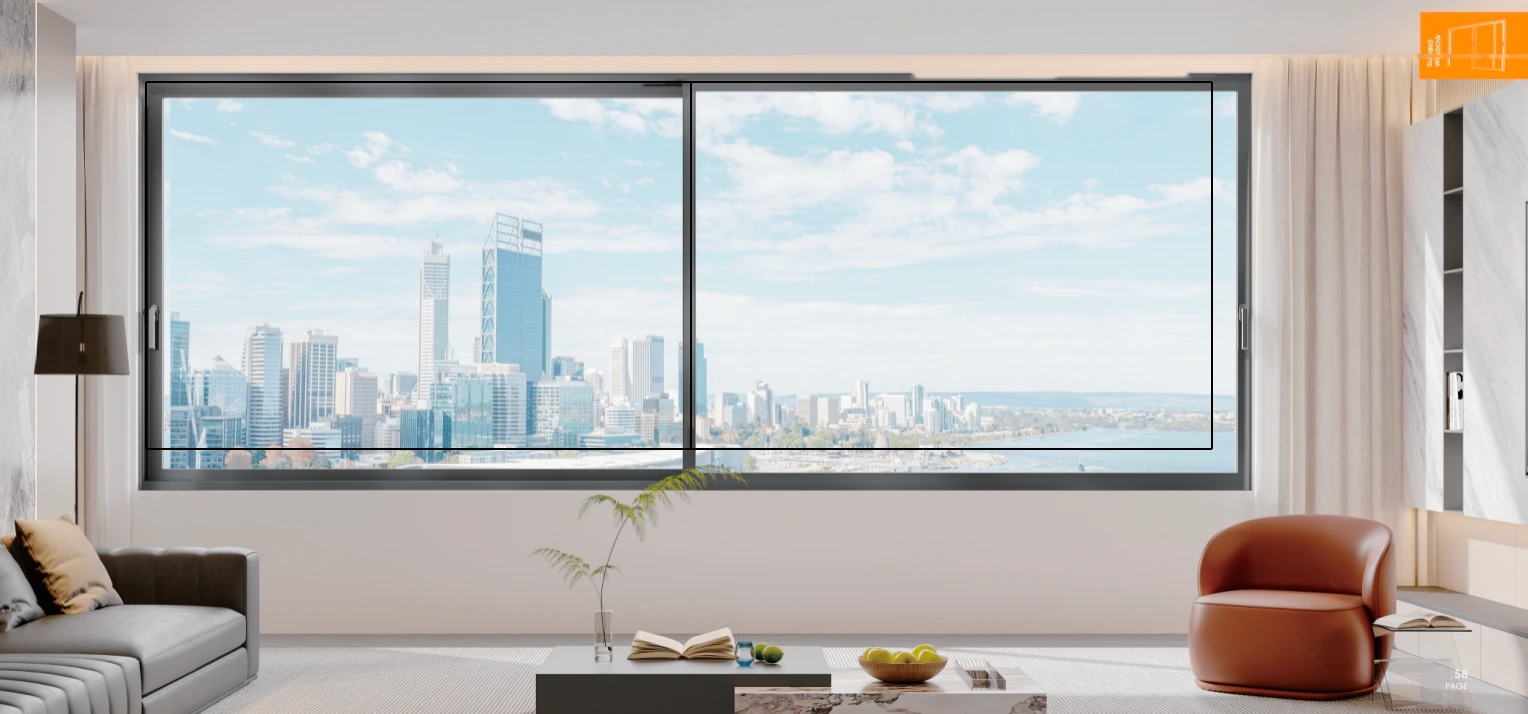
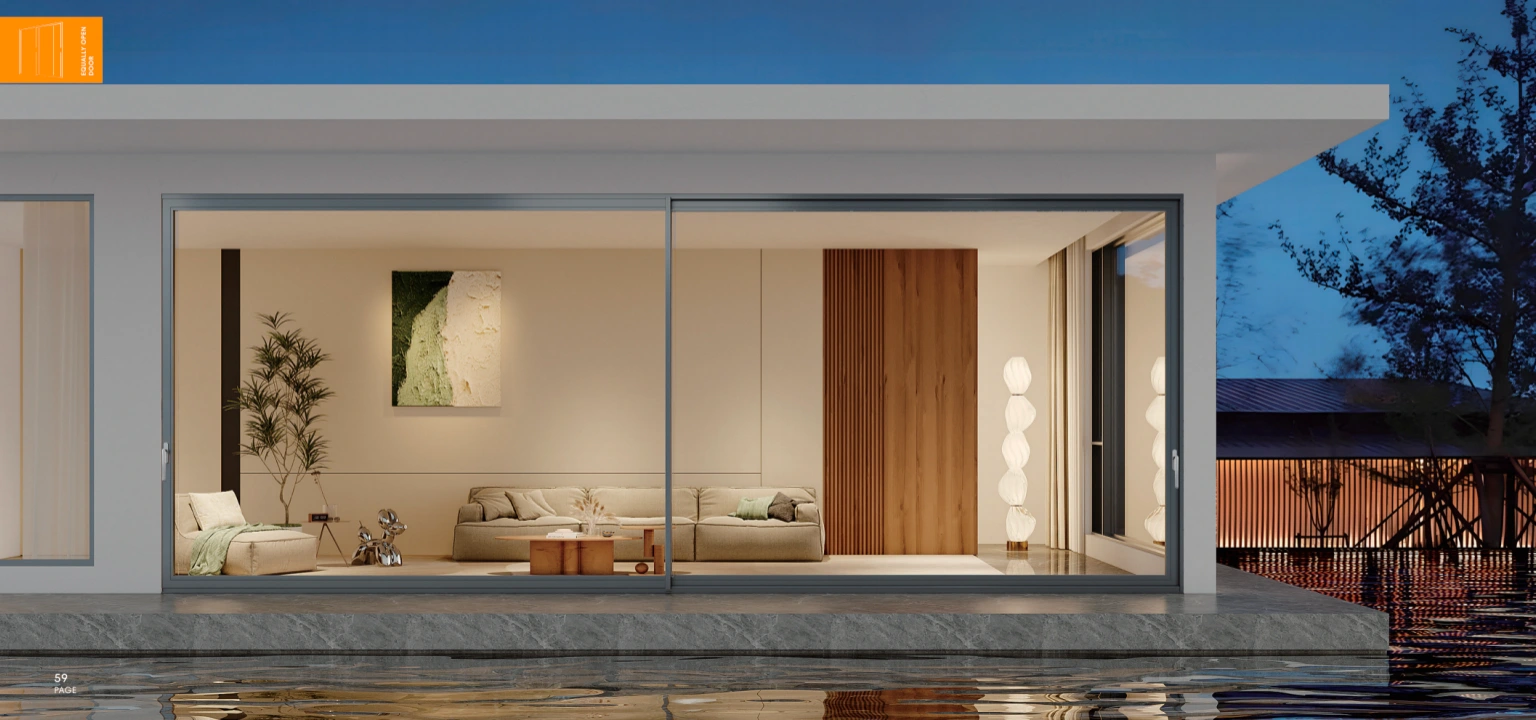
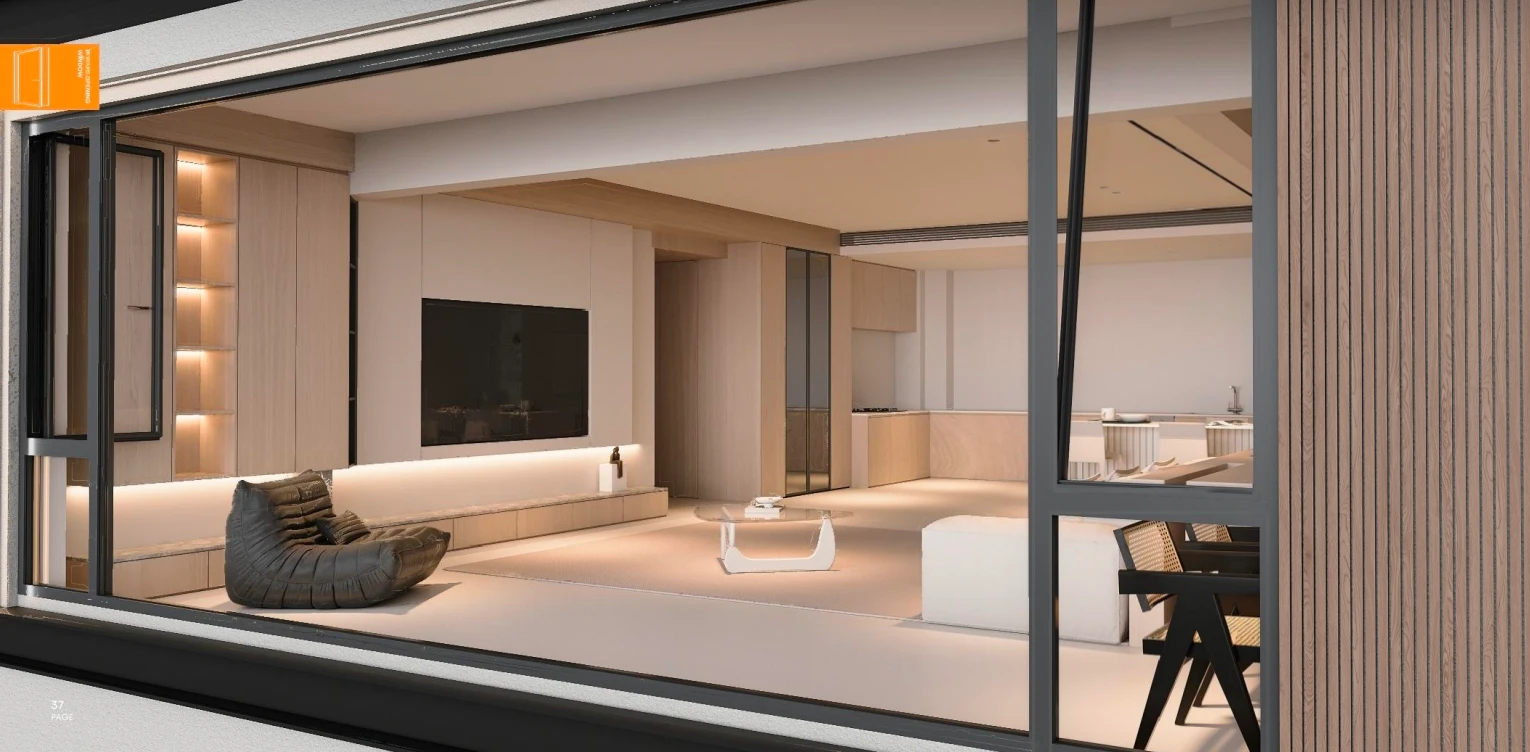
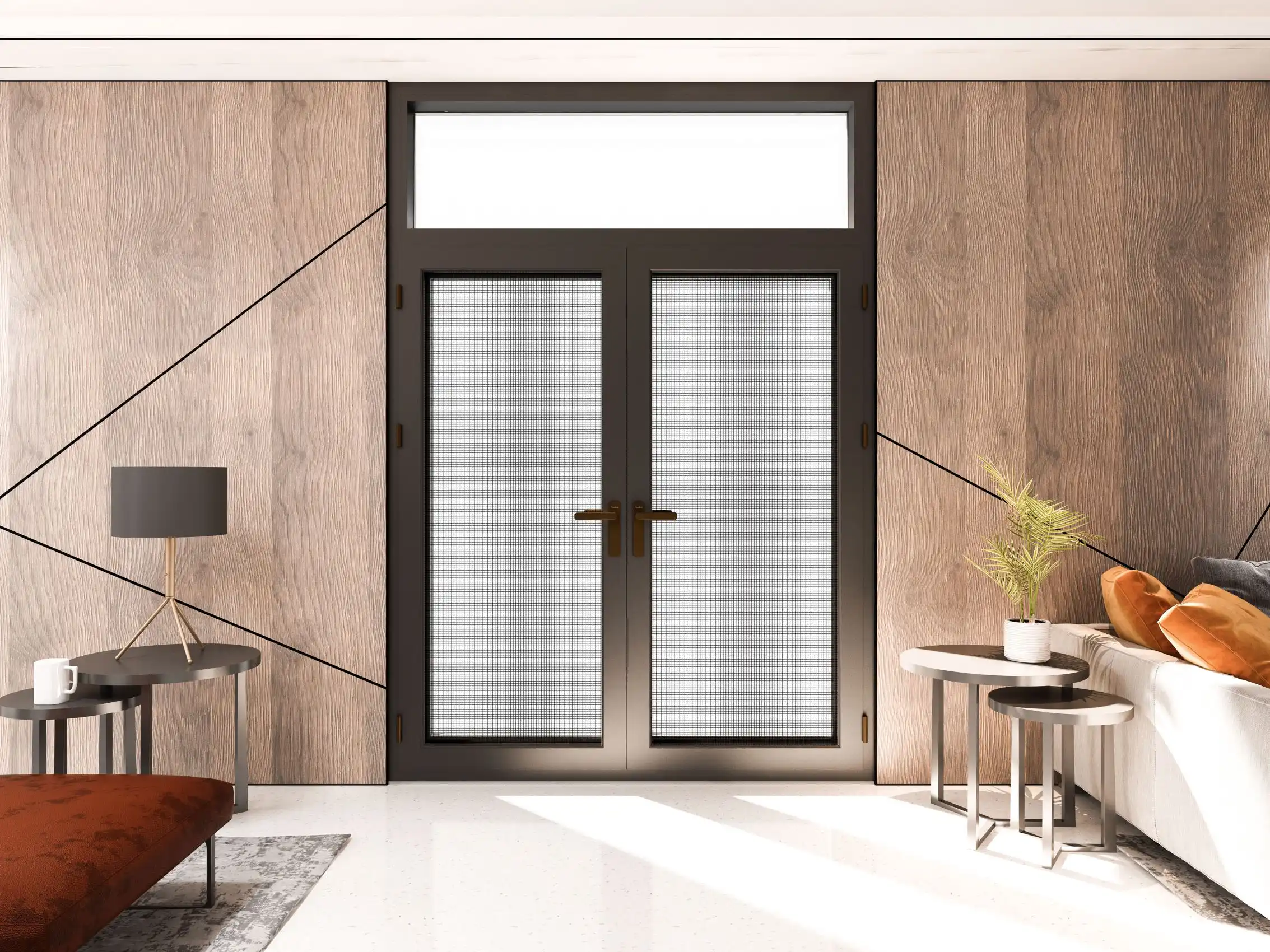
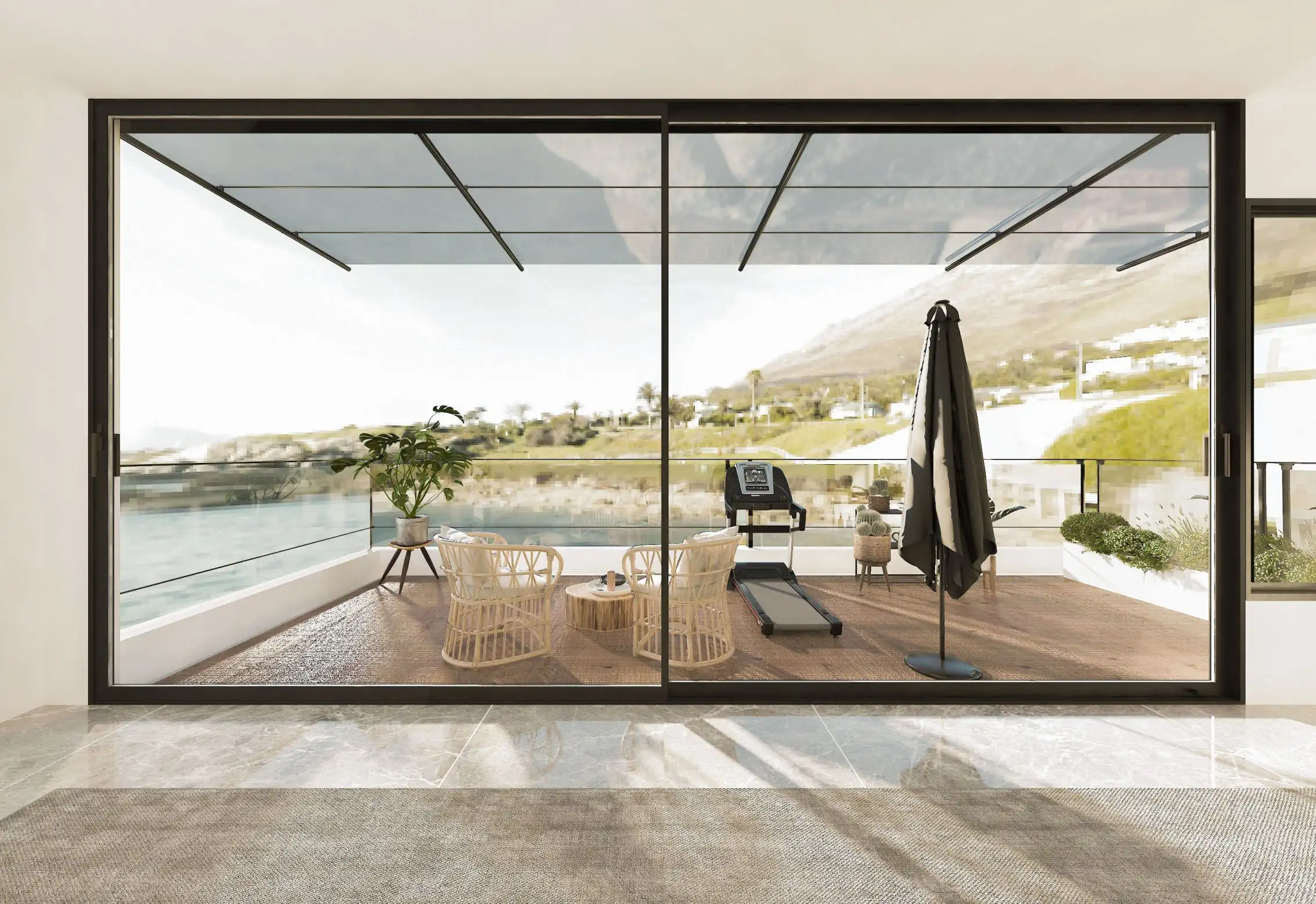
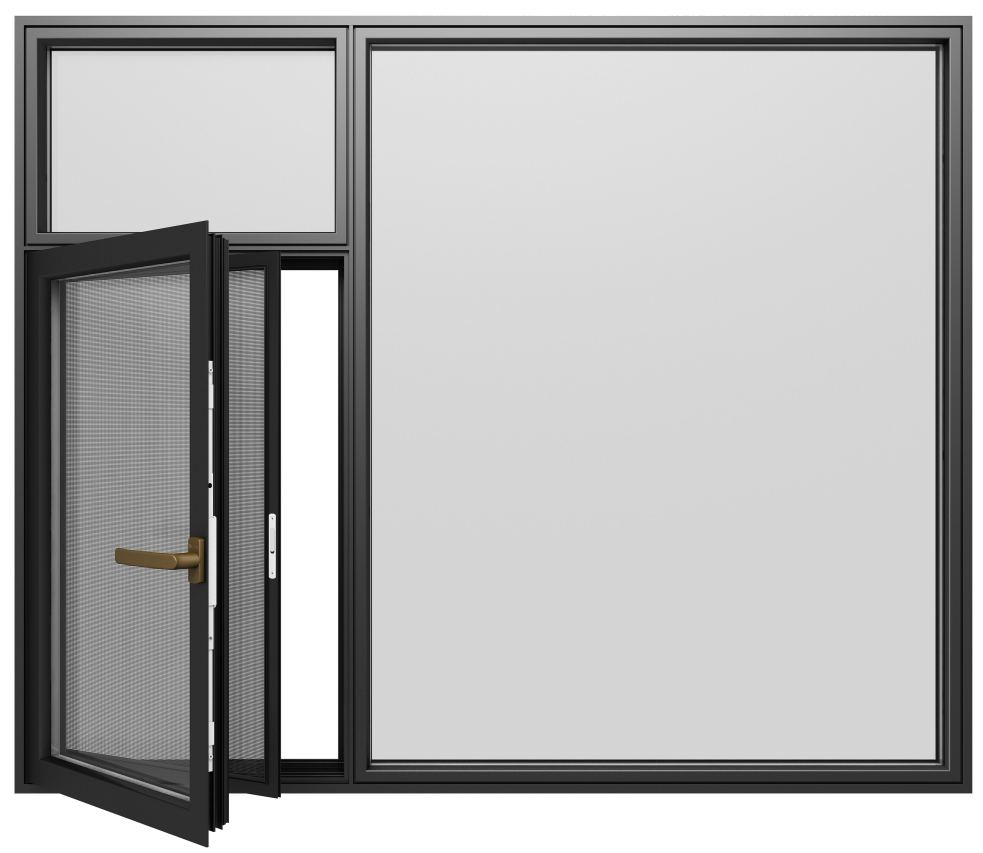
With proven performance and durability features, the 70 Casement Window System has been designed to suit various architectural applications which making it a key element in modern construction works. More building regulations are set worldwide, thus emphasizing energy efficiency for window systems; homeowners, developers, as well as architects have now placed more consideration on aesthetics apart from functionality towards the best choice of window system. Framed at an optimal depth with sturdy structural properties, the 70 Système de fenêtres à battants provides perfect balances between thermal insulation & weather tightness, together with air ventilation performance, plus design flexibility that is highly demanded by different application scopes where it shall be installed or used, hence residential apartments, villas, office buildings, commercial complexes, large-scale renovation projects, etc.
There is growing relevance in the market today for energy-efficient fenestration products. This system supports modern green building standards and helps consume less energy by maintaining better stability of indoor temperatures. Seventy casement has a multi-chamber profile, improved sealing structure, high-tech glass support, and comfort improvement features that result in lower heating/cooling operation costs. Besides its functional benefits, it provides aesthetic coherence with clean lines or customized finishes through flexible hardware solutions meeting different design requirements.
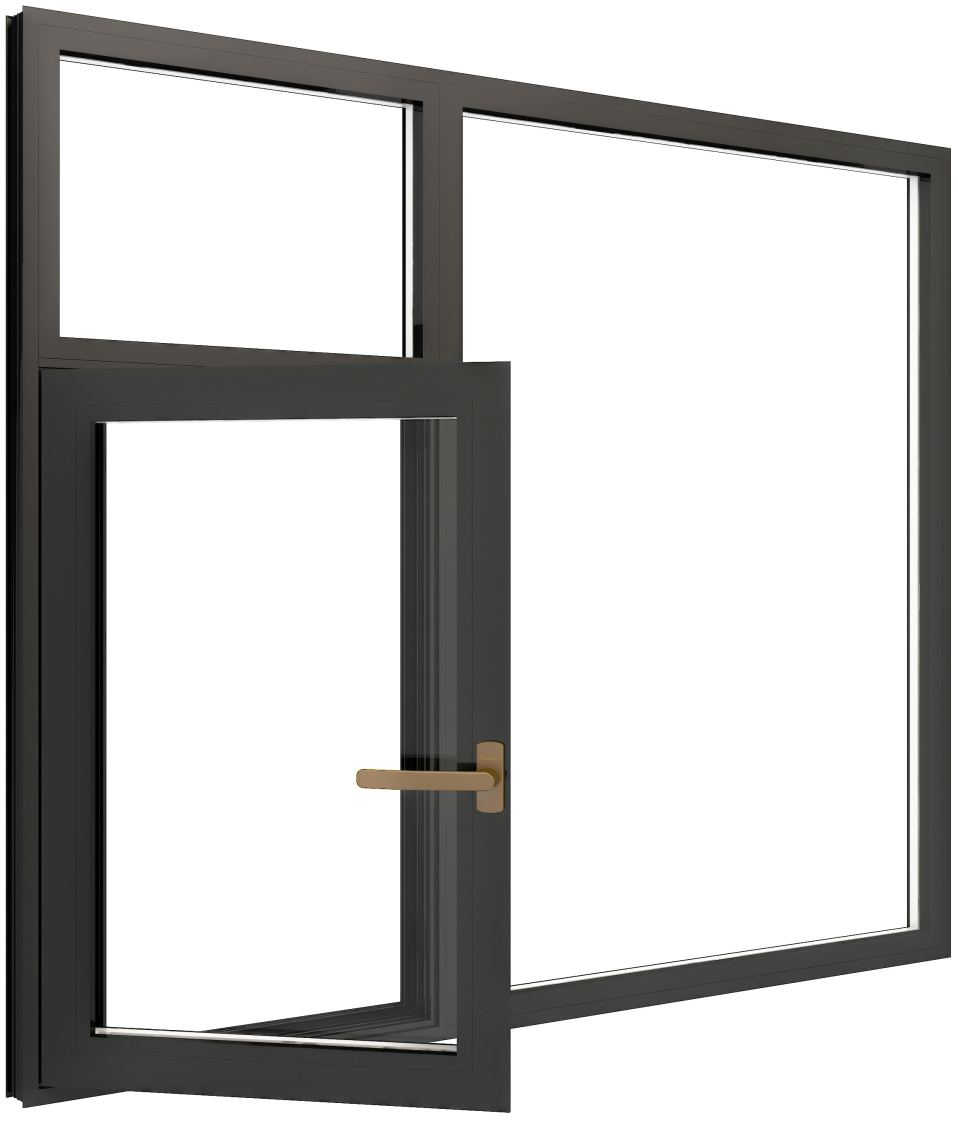
Understanding the Structure and Core Features of the 70 Casement Window System
The 70 Casement Window System is defined by a frame depth of about 70 mm. That makes it strong structurally but at the same time, quite versatile to accommodate various glazing solutions-from single to double and triple insulating glass units. It has stability in supporting a wide range of hardware configurations, which secures this system for long-term use with security.
Frame Depth and Load-Bearing Capacity
One of the primary factors in its distinction from small window systems is an increase in frame thickness. A depth of 70 mm provides a perfect balance between load-bearing capacity and aesthetic compatibility, thus making the system suitable for areas with stringent environmental condition requirements-including high wind pressure and rainfall intensity. It supports stability conditions even at upper stories or coastal regions where such situations are most likely to be encountered more frequently due to their geographical location characteristics; hence, architects/builders can have improved structural reliability that ensures dependable performance across varying project types.
Sealing Design and Thermal Performance
The 70 Casement Window System applies multi-layer sealing technology inside. Sealing, or as generally called air tightness and water tightness, features two major aspects of a window apart from its strength and aesthetics. With the growing global importance given to energy conservation, sealing has indeed turned out to be one of the most vital parameters based on which windows are selected for installation in any type of building high rise or low rise commercial or residential etc., Good quality seals reduce thermal transmittance that is loss of energy through temperature regulation inside buildings hence indoor temperatures stay cooler when it’s hot outside and warmer when cold outside This system with an optimized structure for sealing reduces.
Advantages of the 70 Casement Window System in Modern Architectural Applications
As buildings evolve to meet stricter sustainability targets and aesthetic expectations, the 70 Casement Window System delivers a broad range of advantages. These advantages extend beyond basic functionality, contributing to long-term performance and occupant well-being.
Superior Ventilation and Natural Lighting
Casement windows are among the best ventilators. This makes a wider opening angle and more flexible operations of the 70 Casement Window System, maximizing this advantage. Outward or inward opening (user preferred) brings mode circulation of fresh air in the premises, thus enhancing indoor air quality with lower levels of condensation, resulting in a healthy living/working environment(s). Large glass surfaces that allow much daylight to enter any space accommodated by the system itself mean that reliance on artificial lighting is reduced because enhanced daylight creates not only a more pleasant but also energy-efficient interior environment.
Enhanced Security and Functional Stability
Security is a prime concern for home and commercial installations. The 70 Casement Window System allows multi-point locks, heavy hardware fittings, and frame profiles to support all security requirements for maximum protection. Applied with laminated or tempered glass, additional security measures are accounted for due to safe reliance on opening/closing mechanisms smoothly operated even after years of use, hence low maintenance with long-term stability assured,d that brings about an excellent option not only for homeowners but also other seekers of dependable yet durable window solutions.
Aesthetic Flexibility and Modern Design Integration
Another reason for its wide specification is in what architects would term its aesthetic potential. In simple language, minimal clean lines that can be color finished in any option, from the most contemporary to traditional building projects and different frame materials and surface treatments supported by the system allow flexibility more than enough to satisfy themes of both interior and exterior design developments. This is an added advantage from an architect’s point of view because it means building stories can be created without compromise on performance or sustainability.
Energy Efficiency and Sustainability Benefits of the 70 Casement Window System
In the era of green buildings, the ability of a window system to improve energy efficiency is vital. The 70 Casement Window System is engineered to reduce energy consumption, minimize environmental impact, and contribute to sustainable construction practices.
Improved Thermal Insulation Through Multi-Chamber Profiles
The 70 Casement Window System is designed as a multi-chamber system. The chambers play a very important role in supporting thermal insulation, each chamber acting as a barrier to air, which eventually slows down the process of heat transfer from one side to another. This kind of structure explains gainful support for reduced energy consumption through minimum heat gain and maximum loss during cold seasons in hot weather.[71] Reduced energy consumption automatically translates into reduced costs on energy bills, accompanied by enhanced indoor comforts, resulting in either the homeowner or building occupant. In a region having strict regulations over energy consumption, this system offers an excellent option, both cost-effective & high performing.
Compatibility with High-Performance Glazing Solutions
The 70 Casement Window System allows the use of various advanced glazing technologies to be chosen specifically in relation to a particular climate and energy demand of a project. Insulating glass units, Low-E glass, solar-control coatings, or acoustic glasses can all be installed within the system, which improves thermal insulation by keeping out noise from outside as well as enhancing solar control. Advanced glazing technology, together with an optimized frame design, makes this product highly energy-saving for both new building projects as well as retrofit works.
Practical Applications and Market Trends for the 70 Casement Window System
The increasing focus on building envelope performance has driven demand for versatile and efficient window solutions. The 70 Casement Window System is widely adopted across multiple building segments due to its adaptability and long-term reliability.
Application in Residential Buildings
In residential projects, homeowners find an optimum balance between aesthetics, performance, and comfort through the 70 Casement Window System. The system has high parameters of sound insulation and weather resistance to suit urban environments. Its wide opening feature results in better ventilation and open, airy interior spaces, which it creates within modern villas or private houses; compatible with contemporary architectural style, thus increasing added value sought by today’s home owners, together with long-term enhanced performance.
Application in Commercial and Institutional Buildings
Material Selection and Manufacturing Technologies Behind the 70 Casement Window System
The performance of a window system depends not only on design but also on material quality and manufacturing processes.
Profile Materials and Structural Optimization
The 70 Casement Window System can be manufactured in several materials, which include aluminum, uPVC, and composites. This allows the system to take advantage of each material’s specific strengths-whether it is structural strength, insulation properties, or aesthetic flexibility. Aluminum has excellent structural stability together with durability; uPVC adds better thermal performance as well as cost efficiency to the system. A composite option would understandably bring together different material strengths into one high-end solution.
Hardware and Accessory Integration
High-quality hardware contributes significantly to the overall functionality of the 70 Casement Window System. This includes hinges, handles, locking mechanisms, and friction stays designed to enhance security and longevity. The system’s compatibility with diverse hardware options provides users with flexibility in both function and style.
The Future Development Trend of the 70 Casement Window System
As building technologies advance, the role of window systems continues to evolve. Trends such as smart home integration, improved sustainability features, and advanced glazing technologies will further enhance the performance of the 70 Casement Window System.
Integration with Smart Control Technologies
Future upgrades may include smart locking systems, automated ventilation control, and remote monitoring features. These advancements will allow users to control windows using mobile apps or home automation systems, enhancing convenience and energy management.
Increasing Demand for Customization
Customization will remain a key market trend. Users will seek more personalized options in color, frame shapes, and hardware styles. The 70 Casement Window System, with its inherent flexibility, is well-positioned to meet this growing demand.
Conclusion
The 70 Casement Window System is an advanced and versatile window solution in response to modern architectural structural demands. Therefore, this makes the system suitable for use in residential houses as well as commercial and institutional applications due to its structure, thermal properties, energy efficiency features, plus ventilation potential, together with aesthetics. This kind of product will always be a prerequisite element when talking about building envelopes that involve high standards concerning global trends’ requisites on comfort, sustainability & design flexibility.