
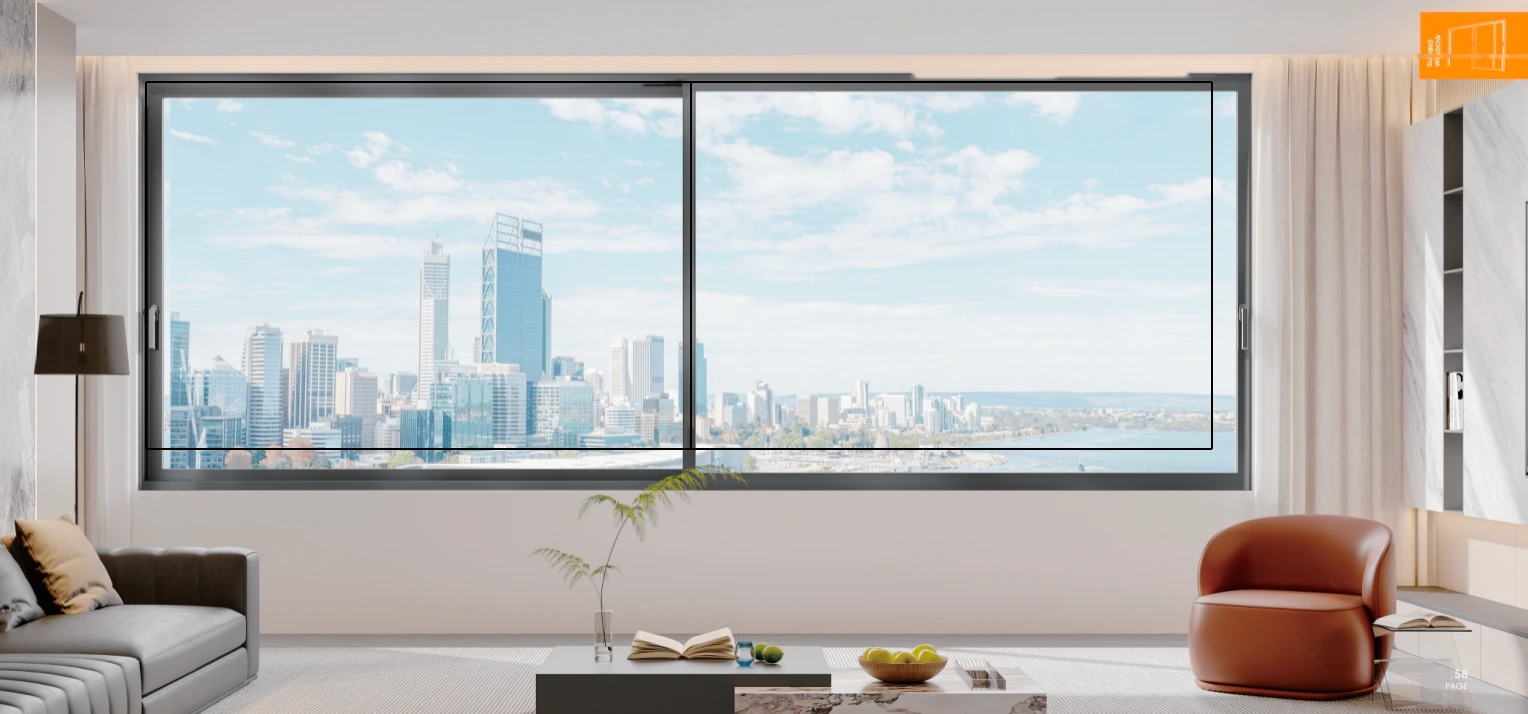
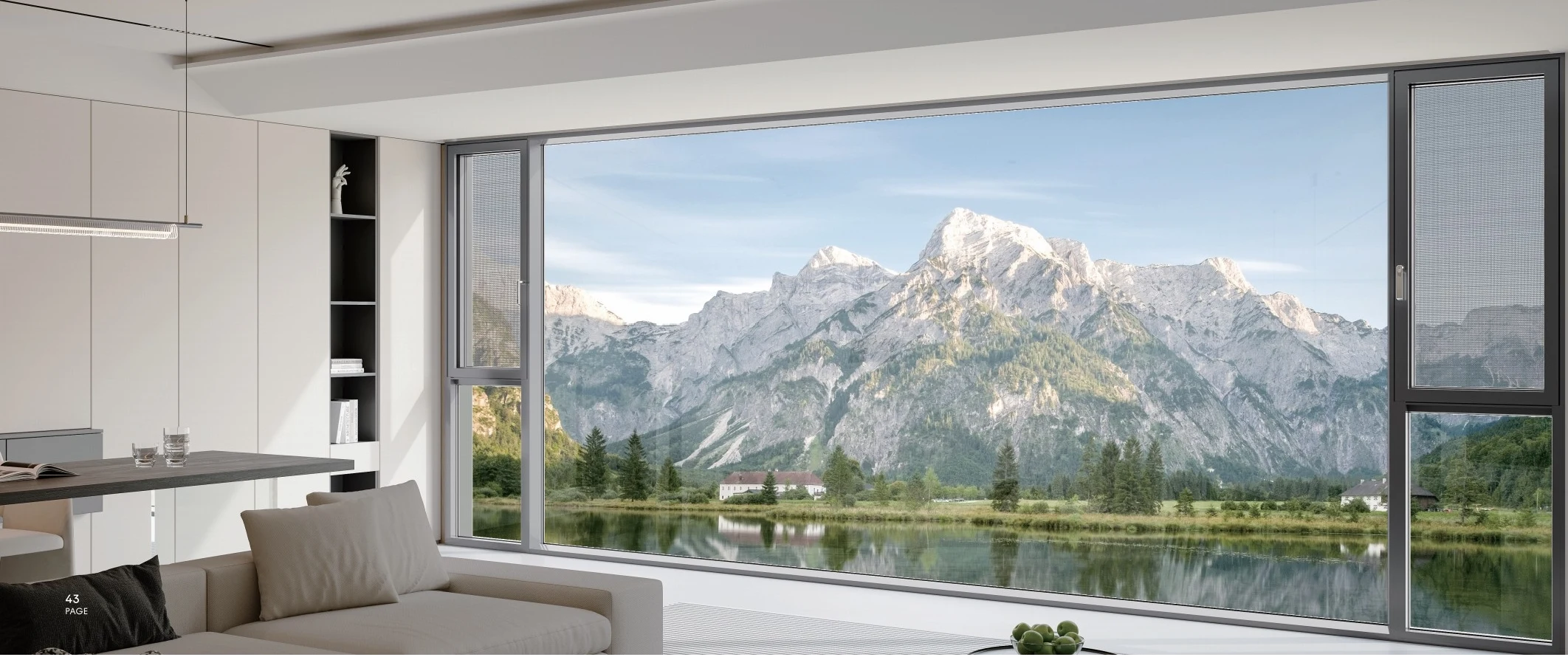
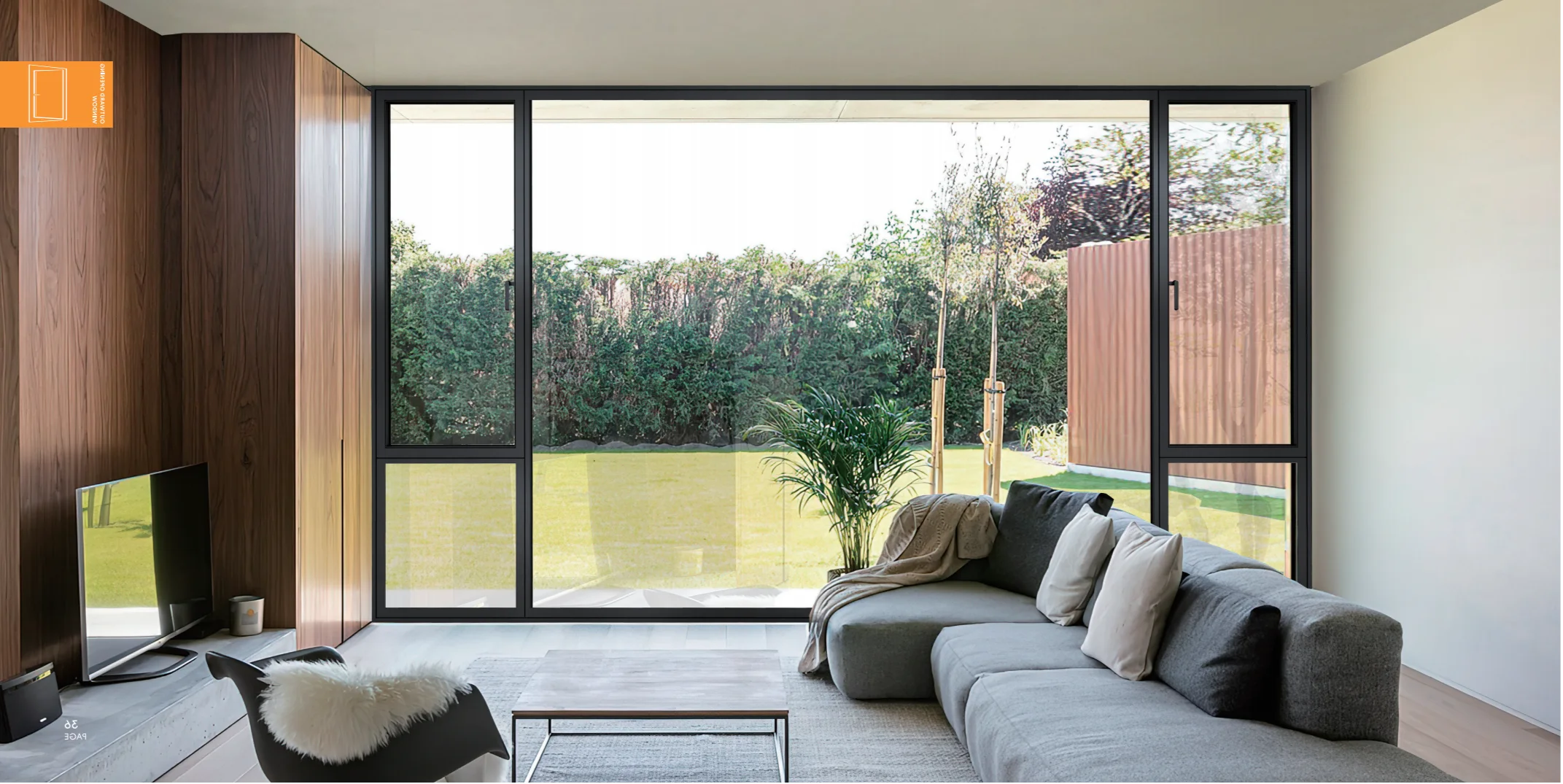
Narrow bezel sliding doors are fast becoming the hallmark of modern architecture and interior design. Defined by their slim frames, clean lines, and the aesthetic connection they create between indoor and outdoor spaces, narrow bezel sliding doors are being selected for use in private residential homes and apartments as well as commercial buildings. Selecting narrow-bezel sliding doors is about much more than making another minimalist choice. Structural performance factors share equal importance with high-quality materials that include space parameters, climate conditions, and usability over time.
This guide shall help you determine and select narrow-bezel sliding doors based on their functions, features, and practical performance.
Understanding Narrow Bezel Sliding Doors
What Narrow Bezel Means in Door Design
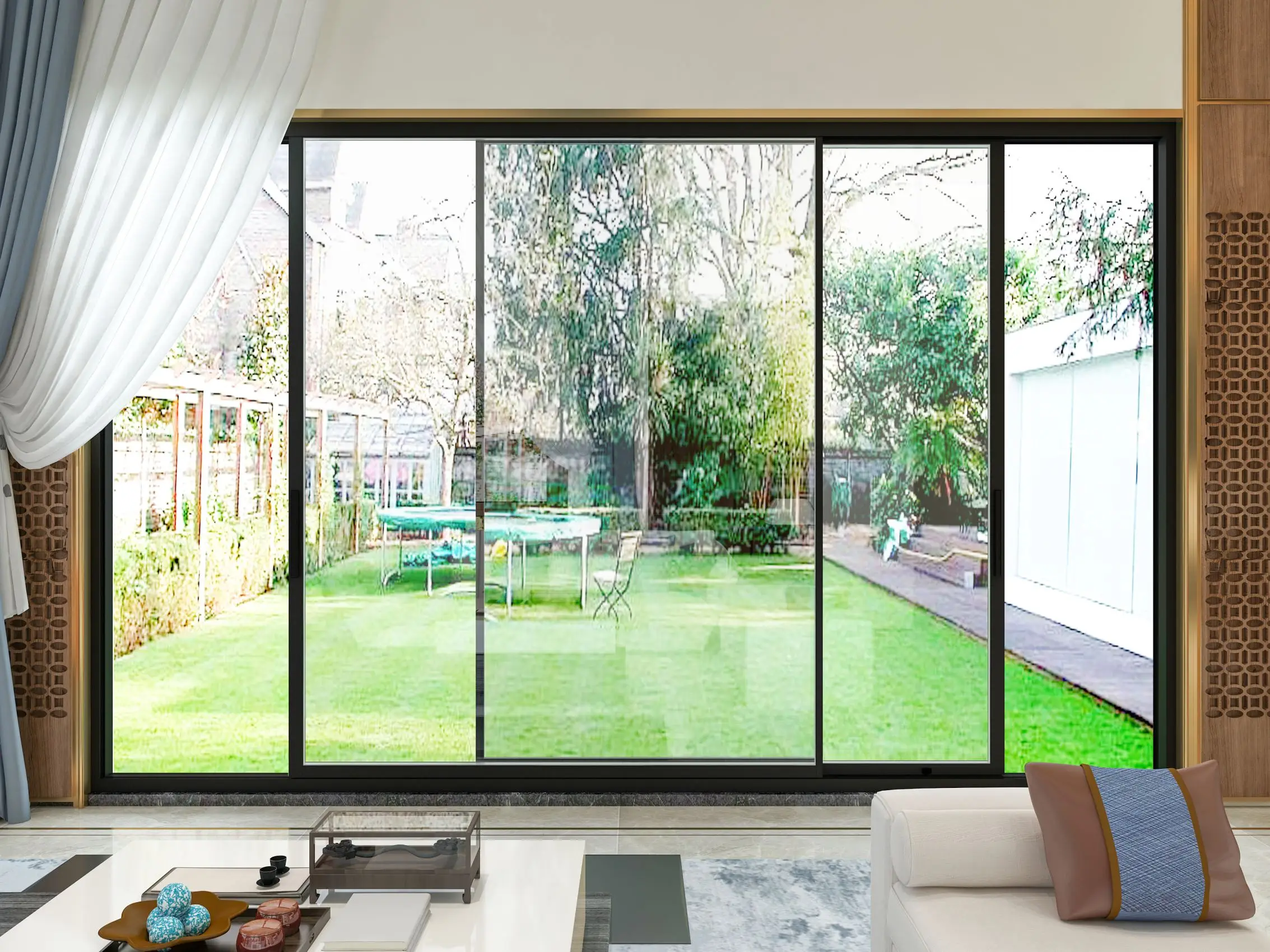
“Narrow bezel” describes the slim visible frame around the glass panels. In comparison to old-fashioned sliding doors with thick aluminum or uPVC profiles, narrow bezel sliding doors greatly lessen the visual width of the frame. The design puts more emphasis on the glass than on the structural elements and makes it look lighter as well as seemingly more open.
The thin bezels are a result of an advanced engineering solution using high-strength materials, with hidden reinforcement that allows the frame to stay slim without any compromise on stability.
Why Narrow Bezel Sliding Doors Are So Popular
A key reason for choosing and specifying narrow or slim profile sliding doors is to allow more natural daylight into a room. Reduce the framing, increase the glass area, and let the light do all the work deep within an internal space. This is what most home occupiers want-including architects-and if artificial lighting can be reduced because daylight penetrates further into a building, then so much better.
Narrow bezel sliding doors enhance visual continuity in blurring the boundary between inside and outside, making the room appear much larger and closely linked with its surroundings.
Evaluating Your Space Before Choosing
Assessing Room Size and Layout
Consider the size and layout of the space in which narrow-bezel sliding doors are to be installed. In a small room, they can give an effect of apparent extra space by removing visual clutter. Narrow bezels make large open plan areas seem as though a clean, cohesive aesthetic is maintained without overwhelming the design.
Consider how the doors interact with existing furniture, walls, and circulation paths. Provide enough wall or pocket space for sliding panels to run smoothly.
Indoor-to-Outdoor Connections
Narrow bezel sliding doors are very often used to connect living or dining areas (or kitchens) with patios, balconies, or gardens. In such applications, the typical transition elements would be considered regarding floor level alignment, drainage, and weather exposure. The threshold should ideally be invisible for easy access and to create a continuous visual flow, but it has functional requirements that it needs to fulfill as well, in terms of water resistance and insulation.
Residential vs Commercial Applications
Requirements for narrow-bezel sliding doors vary between residential and commercial applications. More often, home requirements are associated with comfort, aesthetics, and energy efficiency that should be met or maintained at a certain level, wherein better features can be added on top; meanwhile, the durability of commercial spaces is also emphasized, along with security plus building regulations compliance, wherein all these aspects shall not be compromised.
Intended use helps to determine which performance feature is critical.
Choosing the Right Frame Material
Aluminum Frames
Aluminum is among the most common materials for narrow-bezel sliding doors. The high strength-to-weight ratio of aluminum allows slim profiles to support large glass panels. Aluminum is also corrosion-resistant, suited equally well for indoor and outdoor applications.
Modern systems have introduced thermal breaks within the aluminum to address heat transfer concerns.
Steel and Hybrid Systems
Steel sliding doors are strong and mostly specified for an industrial look or high-end architectural projects. Steel can be fabricated to very thin profiles, but it is heavier, hence it might need more structural support.
Hybrid systems combine aluminum with internal steel reinforcement to provide a slim aesthetic with greater emphasized load-bearing capacity.
Material Finish and Surface Treatment
The frame finish affects appearance and also adds to its durability. Powder-coated aluminum gives a smooth, long-lasting surface available in almost any color preferred. Anodized finishes give a more metallic-looking type finish with higher resistance to wear.
Proper selection of finish will make the doors look good for a long time, even if installed in high-traffic or exposed areas.
Glass Selection and Performance Considerations
Types of Glass Used in Narrow Bezel Sliding Doors
Glass is the major component that defines the performance of narrow-bezel sliding doors. The most common options are tempered glass, laminated glass, and insulated glazing units. Tempered glass can meet strength requirements and safety needs; laminated glazing locks up security features with sound insulation properties.
Insulated glazing units comprise more than one pane separated by a spacer, an air or gas-filled space inside which attributes better thermal performance to energy loss.
Thermal Insulation and Energy Efficiency
High-quality glazing and frame systems ensure low levels of heat transmission through the structure. Glazing is available with two or more sheets, Low-E coated glass, argon-filled units, etc., depending on different climate zones for optimum results, from colder to warmer areas, with high insulation to solar control required respectively.
High-quality multi-track sliding systems comprise frames made from high-grade aluminum profiles that are also thermally broken, together with gaskets between frame members as well as brush seals at meeting stiles & interlocks.
Acoustic Performance
For spaces located near busy streets or commercial areas, sound insulation may be a priority. Laminated glass and well-sealed frames help reduce external noise, creating a quieter indoor environment without compromising the slim design.
Structural Strength and Load Capacity
Supporting Large Glass Panels
Large glass panels are one of the main features possible with narrow-bezel sliding doors. This, therefore, calls for proper engineering to maintain structural integrity. In high-quality systems, the load is shared equally between the tracks and frames so that there will be no deformation later on.
Check if your design requirements match the maximum panel size and weight that can be supported by the system.
Wind Resistance and Stability
Wind load resistance is a key factor in coastal areas or high-rise buildings. The narrow bezel sliding doors must pass a test of holding pressure with no huge deflection. Stability comes from reinforced frames, strong locking mechanisms, and secure installation.
It is also very important to choose a system that matches the environmental conditions of your area for long-term performance.
Sliding Mechanism and Hardware Quality
Track Systems and Smooth Operation
The sliding mechanism is what makes the doors easy to open and close. A high-quality track system has rollers and bearings, all precision-engineered inside the heavy-duty bottom steel beam, which allows it to run smoothly and quietly even under a load of heavy glass panels.
Most large doors are designed with bottom rolling systems. Top hung systems may be used where the panel is light or for some specific design requirement.
Durability of Rollers and Components
Rollers, locks, and handles experience frequent use and must be durable. Stainless steel or high-grade alloy components offer better resistance to wear and corrosion, particularly in humid or coastal environments.
Inspecting the quality of hardware is just as important as evaluating the frame and glass.
Design Flexibility and Configuration Options
Panel Configurations
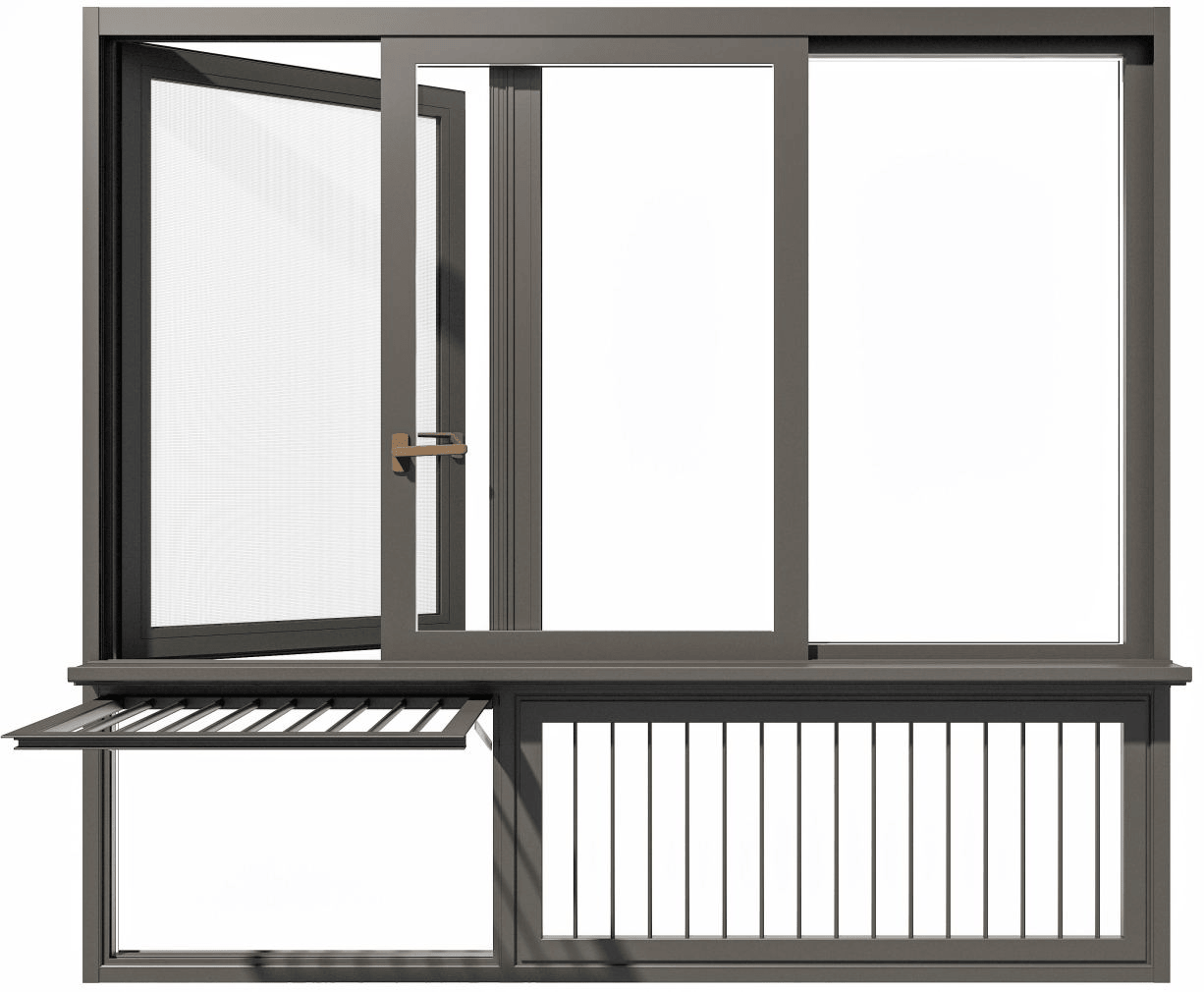
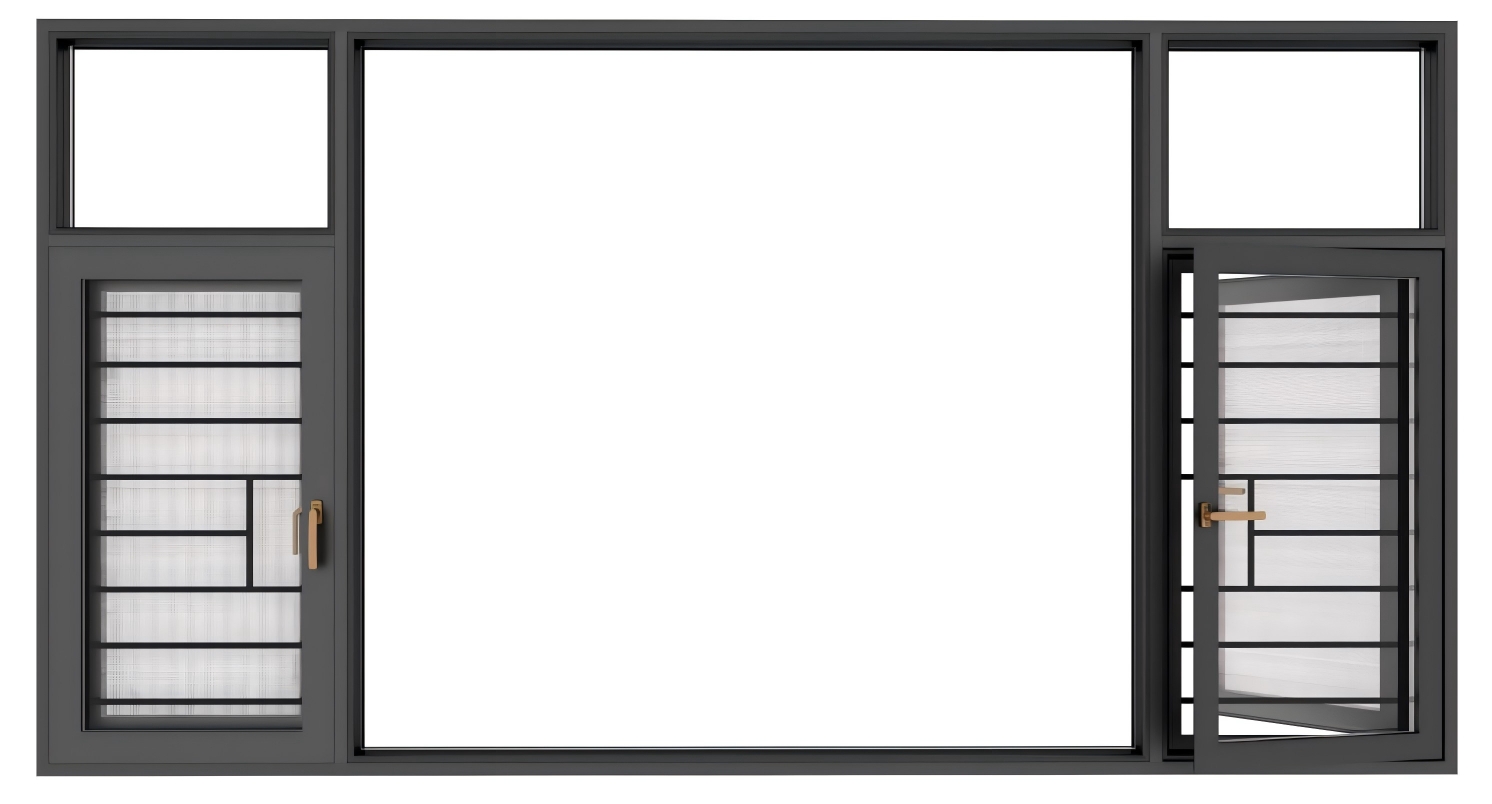
Narrow bezel sliding doors come in different configurations of two-panel, three-panel, and multi-panel systems with stacking panels to one side, bi-parting or pocket configurations completely hiding the panels within walls.
This will largely depend on the size of the opening and any space restrictions, not to mention how you intend to use them.
Frame Visibility and Minimalist Aesthetics
Some systems allow for more hiding of the frame than others. In certain installations, the frame is totally recessed within the floor, wall, and ceiling; hence, when the door leaves are closed, a minimal amount of framing is visible.
Understanding if your client wants to go full minimalist or would accept some compromise helps a lot in reducing all possible options and making sure that it fits well with the general design concept.
Climate and Environmental Factors
Performance in Different Weather Conditions
Climate plays a major role in door selection. In areas with heavy rain, proper drainage and sealing are critical. In regions with extreme temperatures, insulation and expansion tolerance become more important.
Narrow bezel sliding doors designed for specific climates provide better long-term performance and comfort.
Maintenance in Coastal or Urban Environments
Salt air, pollution, and humidity can accelerate wear. Selecting corrosion-resistant materials and finishes helps reduce maintenance requirements and extends the lifespan of the doors.
Regular cleaning and inspection also contribute to preserving both appearance and functionality.
Safety, Security, and Compliance
Locking Systems and Safety Features
Narrow bezel sliding doors are secured with multi-point locks, reinforced glass, and anti-lift devices to prevent forced entry. The slim profiles allow the use of very thick tempered or laminated safety glass, which is almost impossible to break through and also protects people from injury if it does break.
Building Codes and Regulations
Compliance with local building codes is essential. Regulations may cover aspects such as safety glazing, thermal performance, accessibility, and fire resistance.
Before finalizing your choice, ensure the selected system meets all relevant standards for your location and application.
Installation and Long-Term Performance
Importance of Professional Installation
Even the highest-quality narrow-bezel sliding doors require proper installation to perform as intended. Accurate measurements, correct alignment, and secure fixing are crucial for smooth operation and weather resistance.
Working with experienced installers reduces the risk of issues such as misalignment, air leakage, or premature wear.
Maintenance and Longevity
Narrow bezel sliding doors do not require much maintenance. Track cleaning, seal checking, and making sure all the moving parts are properly lubricated shall be enough to keep them working perfectly for a long time.
Less maintenance is required when good materials and components are used in their construction. This makes them dependable over the long term.
Balancing Cost and Value
Initial Investment vs Long-Term Benefits
Narrow bezel sliding doors are priced higher than the standard sliding doors. Their return on investment is long-term through the added values of aesthetics, natural light, and energy efficiency.
Consider its total cost of ownership in your evaluation- how durable it is? Does it require frequent maintenance? Will it save some energy that you have to pay?
Matching Features to Actual Needs
Not every space requires the most advanced system available. Identifying which features are essential helps avoid unnecessary costs while still achieving the desired performance and appearance.
A well-chosen narrow bezel sliding door balances design ambition with practical requirements.
Making the Final Decision
The primary considerations shall be guided by the intent of achieving a particular design, and also in response to functional needs, besides environmental factors. An understanding of materials and glass options available or structural performance requirements/installations permits the selection of systems that best support usability, together with any intended aesthetic enhancements.
Narrow bezel sliding doors shall continue to function well and reliably for long years, besides looking good. They create bright, open, comfortable spaces in line with modern architectural principles.