
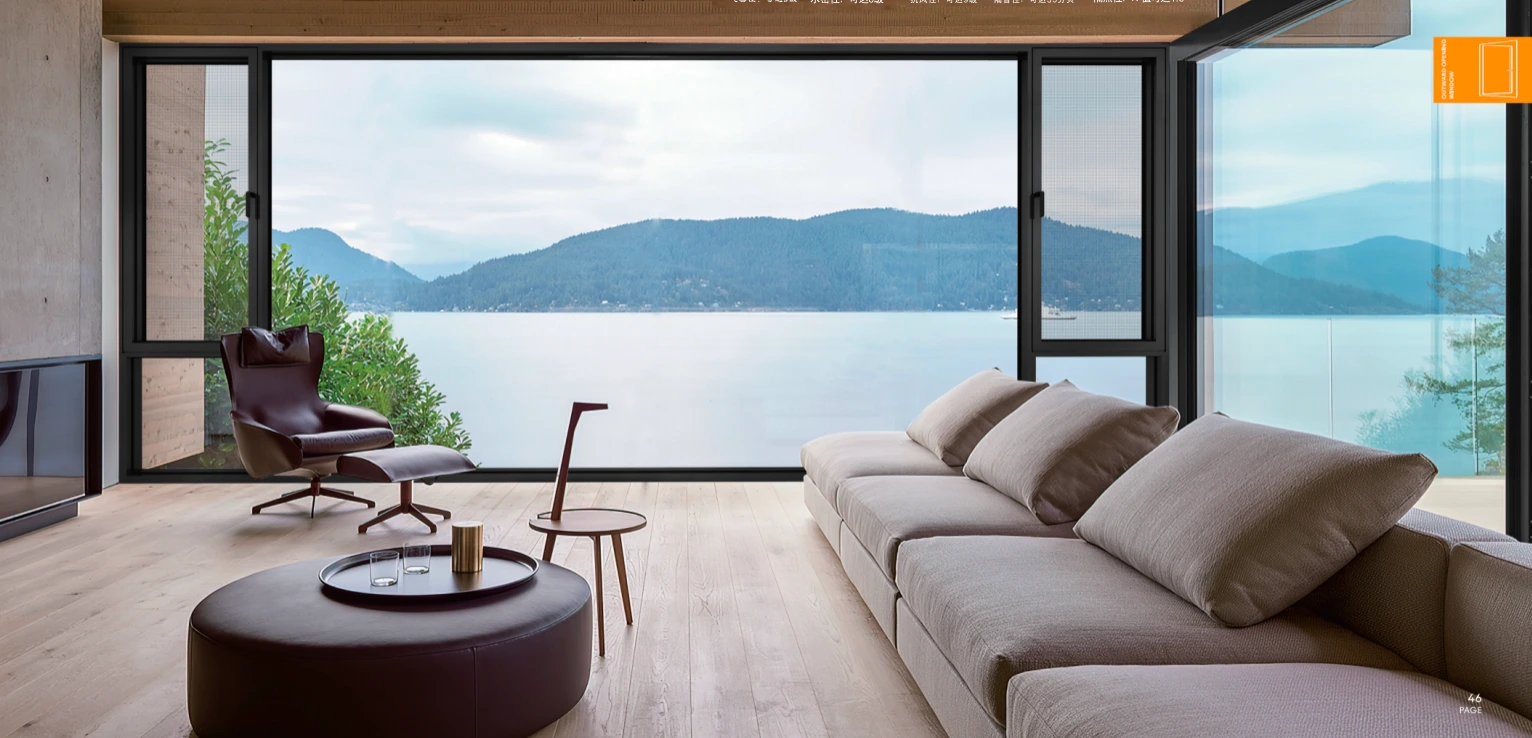
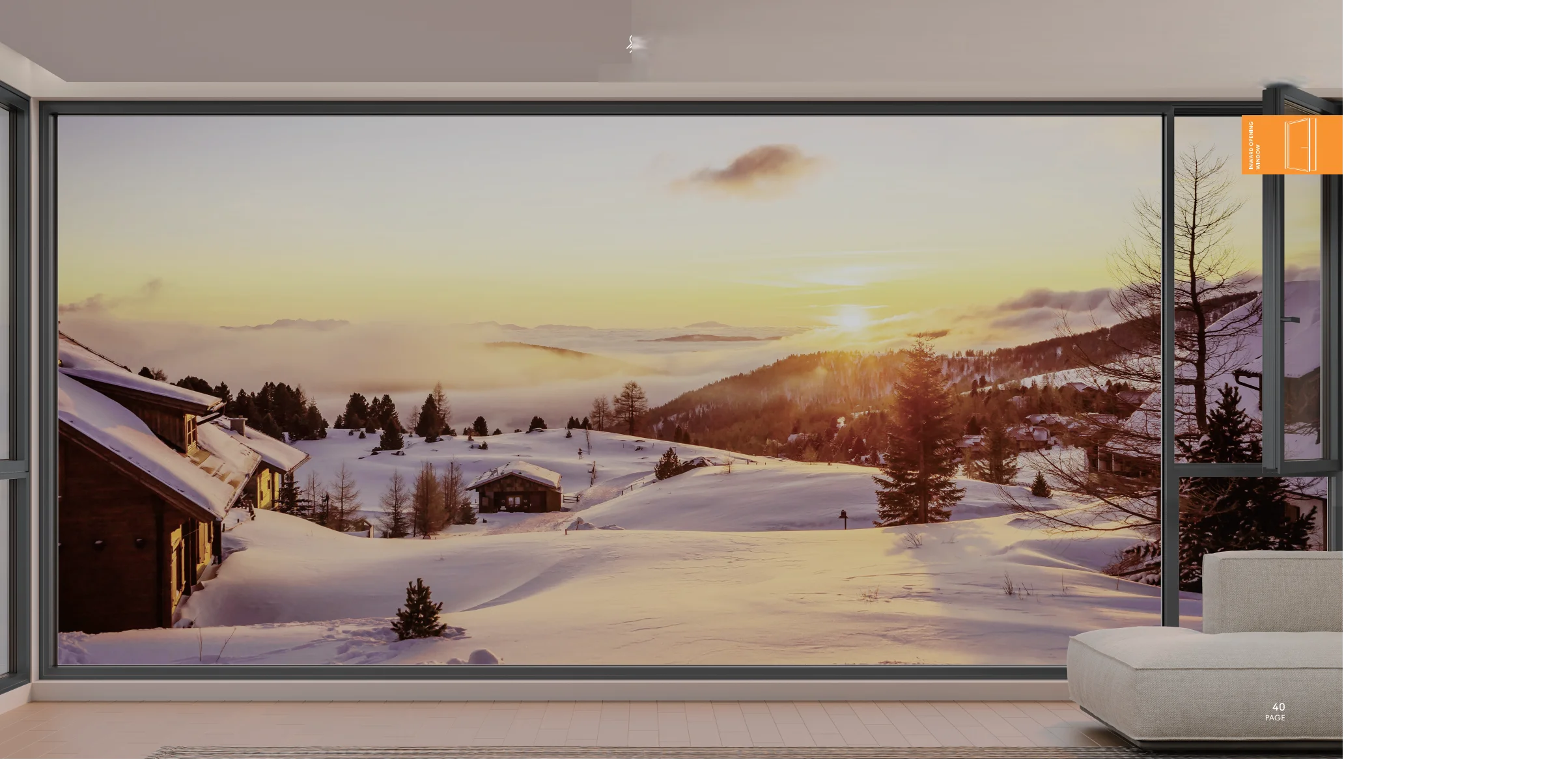
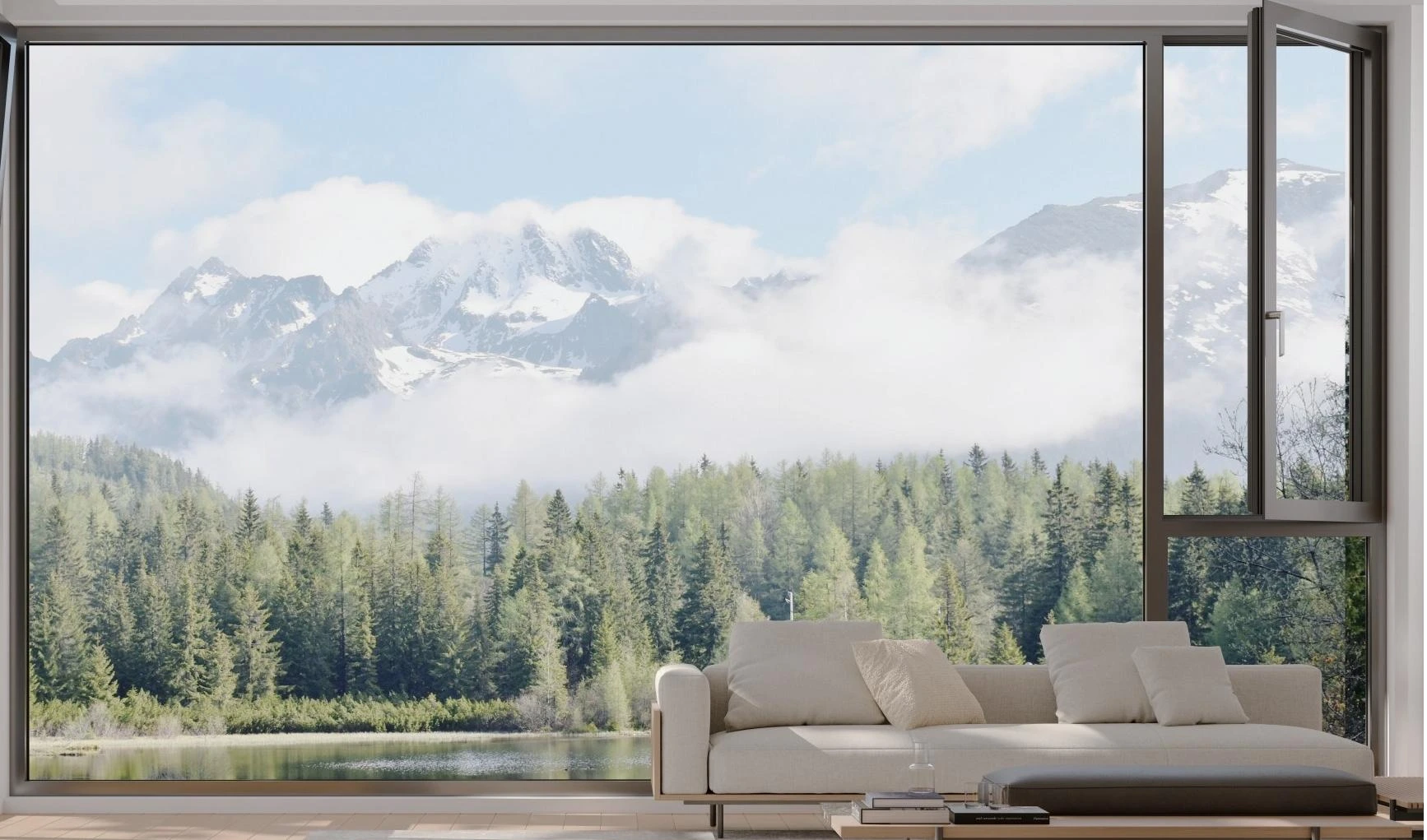
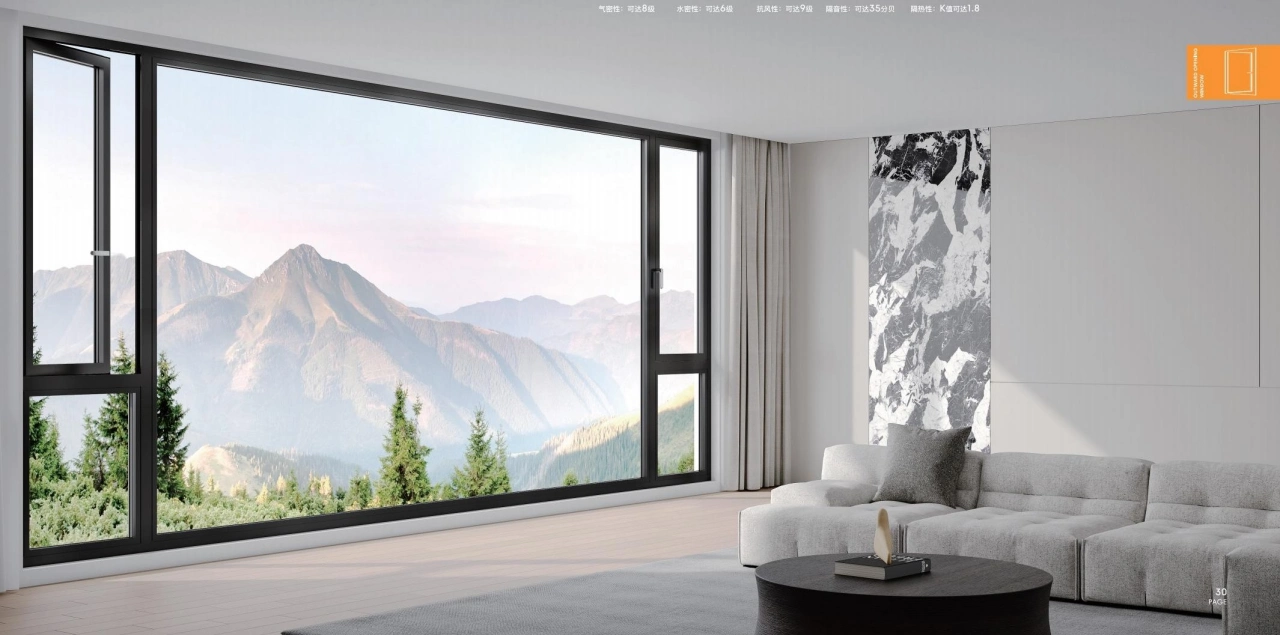
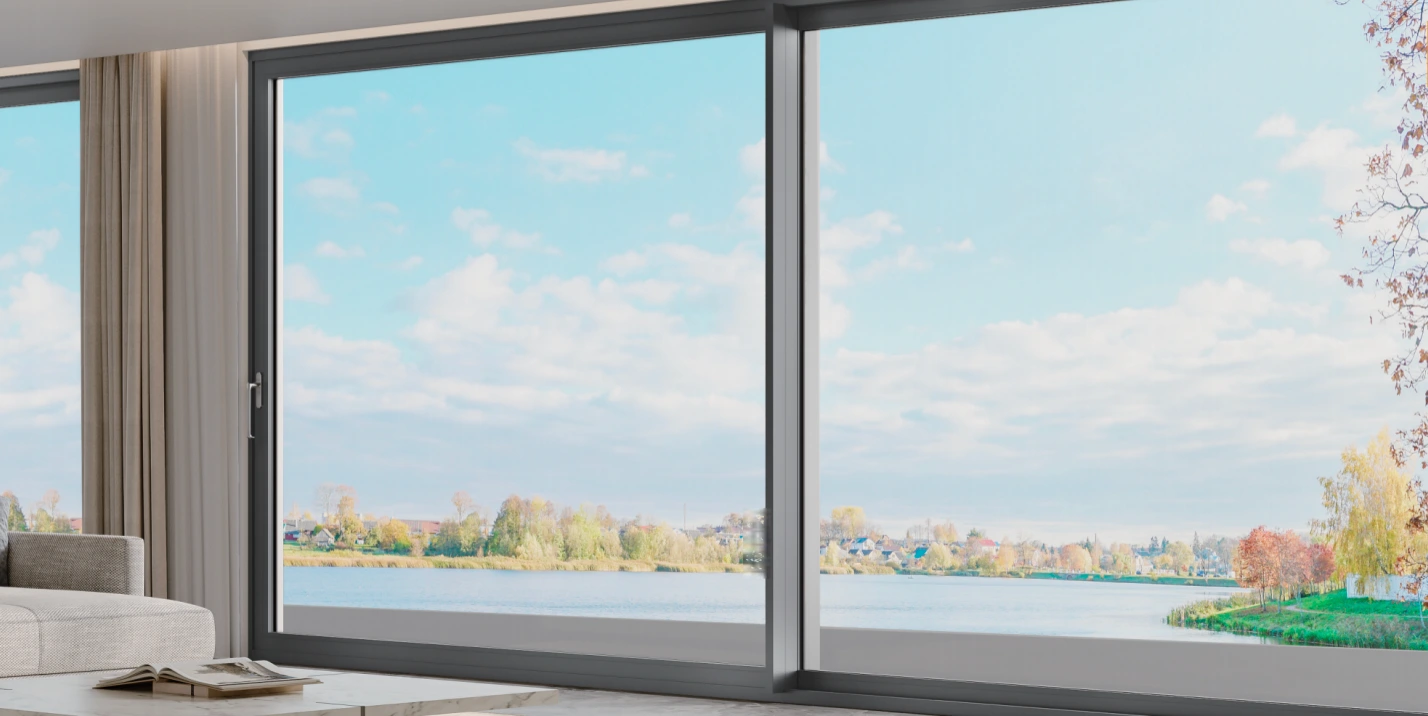
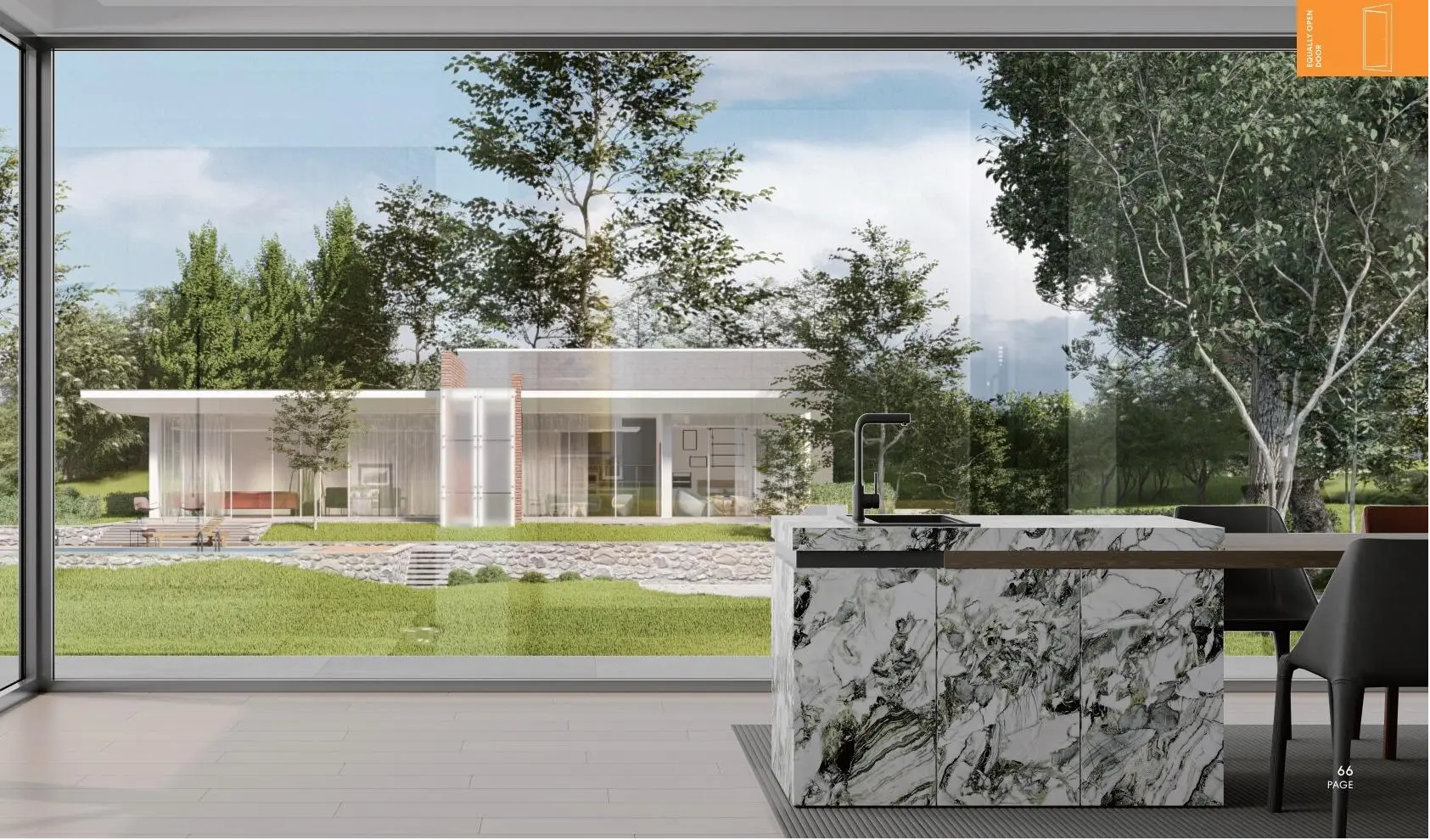
The boundary between indoors and outdoors has always been negotiable. In traditional architecture, that boundary was rigid: walls kept nature out. In modern design, the boundary becomes flexible. Instead of separation, we now seek connection—controlled exposure rather than isolation.
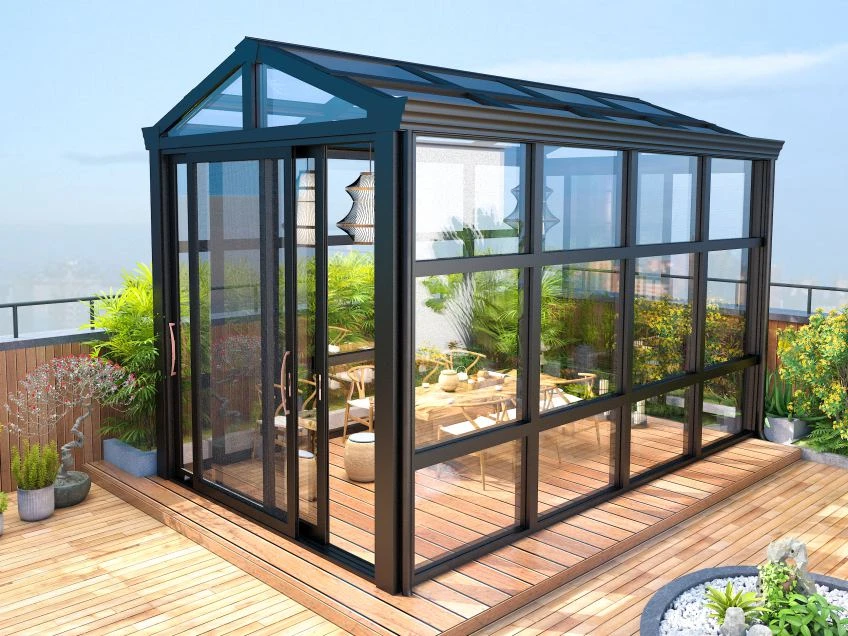
Modern sunroom systems are engineered precisely for this purpose. They allow homeowners to expand their living space while preserving comfort, energy efficiency, and structural integrity. When thoughtfully designed, a sunroom does not feel like an addition. It feels inevitable—like the house was always meant to breathe outward.
Creating a seamless indoor-outdoor living space requires more than installing glass panels. It demands structural planning, thermal strategy, visual continuity, and functional integration. Each layer contributes to the illusion of effortlessness.
Let’s explore how to build that illusion properly.
Redefining the Role of a Sunroom
A sunroom is often misunderstood as a seasonal enclosure—a bright corner for summer afternoons. That perception limits its potential. A modern sunroom system should function as a transitional architectural zone, one that operates year-round and integrates fully with the primary living structure.
Instead of acting as an accessory, it becomes an extension of daily life. It can serve as a dining area, workspace, lounge, entertainment zone, or indoor garden. The goal is continuity. If occupants must mentally “step into another space,” the transition is not seamless.
True seamlessness means:
The visual field extends naturally.
The temperature remains stable.
The flooring and ceiling feel connected.
The light behaves consistently throughout the day.
The human brain is sensitive to spatial disruption. Differences in floor height, abrupt frame thickness, or temperature shifts break immersion. Modern sunroom systems aim to eliminate those disruptions through engineering precision.
Structural Foundations: Designing for Transparency Without Compromise
Transparency requires strength. Large glass surfaces must withstand wind load, temperature fluctuation, and structural stress. This is where modern aluminum framing systems excel.
Slim Aluminum Profiles
High-grade aluminum frames offer exceptional strength-to-weight ratios. This allows for thinner sightlines and larger glass panels without compromising structural integrity.
Thinner frames create visual continuity. When vertical supports are minimized, the eye perceives uninterrupted landscape rather than segmented panels. The architectural language shifts from enclosure to openness.
Aluminum also resists corrosion and deformation, making it ideal for exterior exposure. Powder-coated finishes provide durability and aesthetic flexibility.
Structural Load Considerations
A sunroom must meet local building codes for wind, snow, and seismic conditions. Structural engineering is not an optional upgrade—it is fundamental.
Key considerations include:
Wind pressure resistance
Roof load capacity
Water drainage integration
Thermal expansion allowances
A well-designed sunroom behaves as part of the home’s structural system rather than an appended structure vulnerable to stress.
Glass Technology: The Core of Thermal Performance
Glass defines the experience. However, glass is not simply a transparent material—it is a thermal barrier, UV filter, and acoustic shield.
Insulated Glazing Units (IGUs)
Modern sunroom systems typically use double- or triple-glazed units. These consist of multiple panes separated by spacers and filled with inert gases such as argon or krypton.
The gas layer reduces heat transfer through convection. The sealed system also minimizes condensation and improves acoustic insulation.
Low-Emissivity (Low-E) Coatings
Low-E coatings are microscopically thin metallic layers applied to glass surfaces. They reflect infrared radiation while allowing visible light to pass through.
This creates two benefits:
In summer, external heat is reflected outward.
In winter, internal heat is reflected into the room.
The result is improved thermal regulation without sacrificing brightness.
Solar Heat Gain Control
Depending on the climate, selecting the correct Solar Heat Gain Coefficient (SHGC) is critical. Warmer climates benefit from lower SHGC to reduce heat entry. Colder climates may use moderate SHGC to capture passive solar warmth.
The correct glass specification transforms a sunroom from greenhouse to habitable space.
Thermal Break Technology: Preventing Energy Loss
Metal conducts heat efficiently, which poses a challenge in aluminum structures. Without intervention, frames can transfer outdoor temperatures directly indoors.
Thermal break technology solves this problem.
A thermal break is a non-conductive material inserted within the aluminum frame, separating the interior and exterior metal sections. This barrier significantly reduces thermal bridging—the process where heat bypasses insulation through conductive materials.
Thermal breaks contribute to:
Reduced condensation
Increased energy efficiency
Improved indoor comfort
When combined with high-performance glazing, the sunroom can achieve insulation values comparable to traditional exterior walls.
Ventilation Strategy: Controlling Airflow Naturally
A seamless indoor-outdoor space must manage airflow intelligently. Stagnant air undermines comfort, while excessive drafts compromise usability.
Modern systems incorporate:
Sliding door panels
Folding glass walls
Operable skylights
Integrated ventilation slots
Natural ventilation uses pressure differences and thermal buoyancy to circulate air. Warm air rises and exits through roof vents, drawing cooler air inward. This passive cooling strategy reduces reliance on mechanical systems.
Automated roof vents equipped with rain sensors can close automatically when the weather changes. Smart ventilation enhances usability without increasing maintenance burden.
Flooring Continuity: The Ground-Level Illusion
Visual flow begins at ground level. Abrupt flooring changes disrupt the perception of unity.
To achieve continuity:
Match indoor flooring tones with weather-resistant exterior materials.
Maintain consistent floor height whenever structurally possible.
Use threshold systems designed for flush transitions.
For example, porcelain tiles that mimic natural wood offer moisture resistance while maintaining aesthetic alignment with interior hardwood flooring.
Humans perceive spatial continuity most strongly through horizontal planes. When the floor appears continuous, the entire space feels unified.
Door Systems: Eliminating Physical Barriers
Sliding and folding door systems define flexibility.
Wide-span sliding doors allow panels to stack neatly to one side, opening the entire wall. Folding doors can collapse into compact stacks, creating complete openness.
The distinction matters. A partially open sliding door maintains some division. A fully retractable system erases it.
Modern door systems feature:
Multi-point locking mechanisms
Weather-sealed tracks
Minimal bottom thresholds
Smooth-glide roller systems
When closed, they preserve insulation. When open, they remove architectural boundaries.
Roofing Systems: Balancing Light and Insulation
Sunroom roofs must strike a balance between daylight access and thermal protection.
Options include:
Glass roofing panels
Insulated solid roofing sections
Hybrid systems combining both
Glass roofing maximizes sky views and daylight but requires superior insulation and shading solutions. Solid insulated panels provide greater temperature control but reduce natural light exposure.
Hybrid roofing systems allow customization based on orientation. South-facing sections may incorporate more solid insulation, while north-facing areas maximize glazing.
Integrated shading systems—such as retractable blinds or electrochromic smart glass—enable dynamic light control.
Lighting Design: Extending Usability Beyond Daylight
A seamless space must function at night as well.
Layered lighting design includes:
Recessed ceiling lighting
LED perimeter strips
Accent lighting for plants or architectural details
Floor-level ambient lighting
Lighting temperature should align with the adjacent indoor space to avoid perceptual separation.
Warm light creates relaxation zones. Neutral white enhances productivity in workspace configurations.
Lighting is not merely functional; it reinforces spatial continuity.
Acoustic Comfort: Often Overlooked, Critically Important
Large glass surfaces reflect sound. Without proper acoustic planning, sunrooms may feel echo-prone.
Solutions include:
Laminated acoustic glass
Soft furnishings
Indoor vegetation
Textured wall panels
Acoustic comfort supports long-term usability. A visually open space that feels acoustically harsh discourages prolonged occupation.
Functional Integration: Designing for Real Life
A sunroom should serve defined purposes.
Possible configurations include:
Dining Extension
Positioned adjacent to the kitchen, with sliding access. Natural light enhances social interaction and seasonal dining experiences.
Home Office
Daylight improves focus and circadian alignment. Incorporating glare control and insulated glazing maintains productivity year-round.
Indoor Garden or Conservatory
Plant growth thrives in filtered sunlight. Integrated drainage and humidity management are essential.
Lounge or Entertainment Zone
Flexible seating and climate control allow use in varying weather conditions.
The key principle: intentionality. A defined function transforms a sunroom from a decorative addition to an integral living space.
Energy Efficiency and Sustainability
Energy performance directly influences long-term value.
High-performance sunroom systems reduce:
HVAC load
Artificial lighting demand
Seasonal energy consumption
Passive solar design can capture winter heat while minimizing summer gain through shading and glass orientation.
Sustainable materials and energy-efficient systems align with contemporary building standards and environmental expectations.
An efficiently designed sunroom can increase overall property performance ratings.
Landscaping Integration: Completing the Visual Dialogue
The exterior environment must complement the structure.
Effective strategies include:
Extending patio materials outward
Maintaining consistent elevation levels
Incorporating layered plant heights
Using subtle landscape lighting
When exterior design aligns with interior aesthetics, the boundary fades psychologically.
The brain processes visual coherence rapidly. Matching lines, textures, and colors amplifies continuity.
Smart Home Integration
Automation enhances comfort and adaptability.
Modern features include:
Motorized shading systems
Climate sensors
Automated skylight operation
Smart glass tint adjustment
Smart integration reduces manual intervention and enhances environmental responsiveness.
Technology, when discreetly embedded, supports the illusion of effortless living.
Maintenance and Durability
Seamlessness must endure over time.
Key considerations:
Corrosion-resistant materials
Drainage channels to prevent water pooling
UV-resistant seals
Easy-clean glass coatings
Low-maintenance systems preserve visual clarity and structural reliability.
Durability ensures the space remains inviting across seasons and years.
The Psychological Dimension of Indoor-Outdoor Living
Human well-being is strongly influenced by exposure to natural light and outdoor views.
Studies in environmental psychology suggest that visual access to nature reduces stress and improves cognitive function. Biophilic design—the practice of integrating natural elements into architecture—supports emotional health.
A sunroom serves as a controlled gateway to natural stimuli. It provides:
Seasonal awareness
Weather visibility without exposure
Enhanced daylight rhythms
Connection to greenery
This psychological dimension elevates the sunroom beyond an architectural feature to a lifestyle investment.
Architecture as Adaptive Interface
The most successful sunroom systems do not simply add space—they recalibrate spatial experience.
They create permeability without vulnerability.
They allow light without heat overload.
They permit openness without sacrificing protection.
In essence, they transform rigid architectural boundaries into adaptive interfaces.
Seamless indoor-outdoor living is not achieved through excess glass alone. It results from integrated systems: structural engineering, thermal control, airflow management, aesthetic continuity, and functional clarity working together.
When these components align, the transition between interior and exterior becomes fluid. The home expands visually and emotionally, not just physically.
Modern sunroom systems represent a sophisticated negotiation between shelter and exposure. And when designed thoughtfully, they allow us to inhabit that negotiation comfortably, every day of the year.