
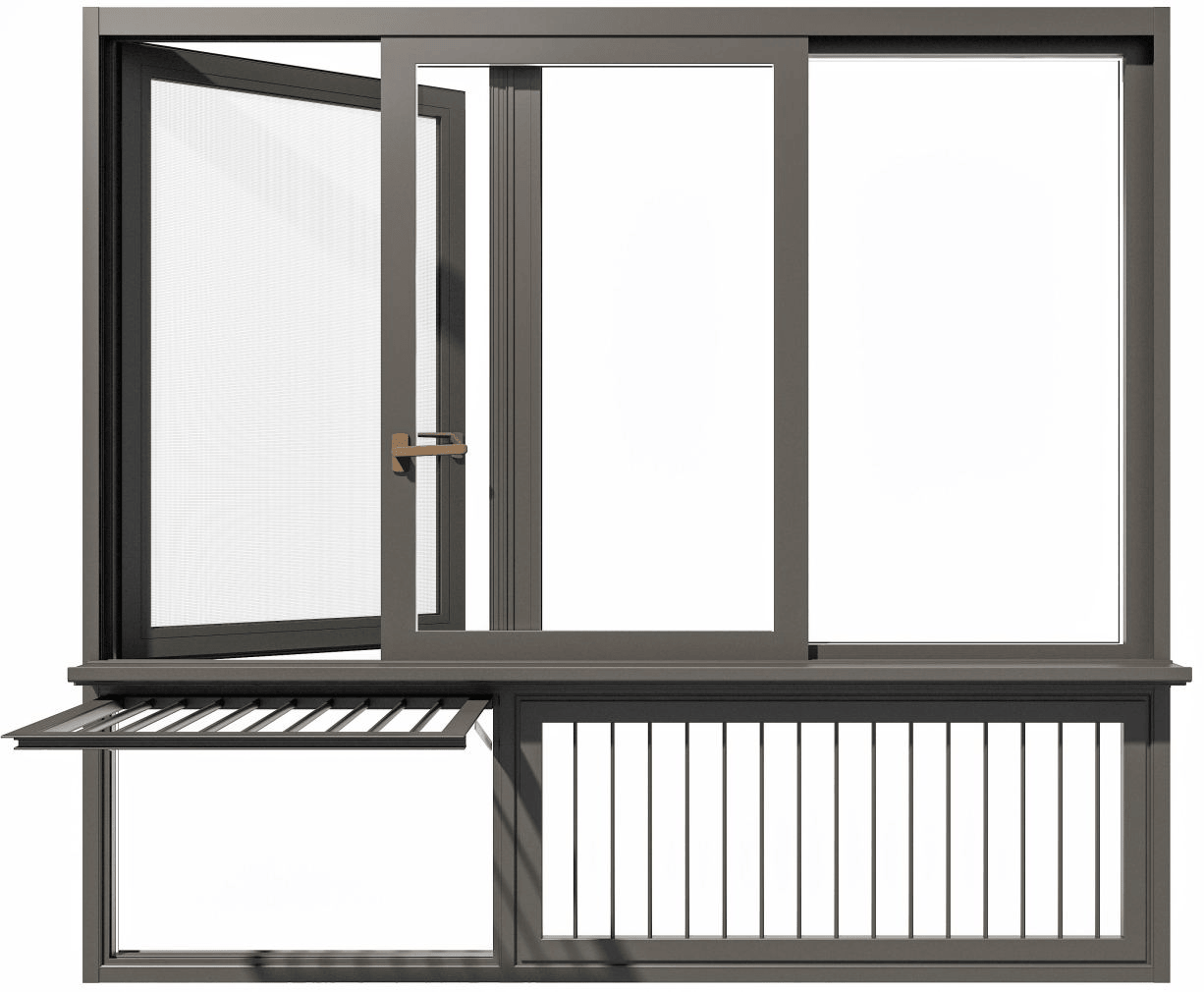

Ventilation and privacy are both important in toilet spaces, but they often compete in the design of practical spaces. Toilets are typically confined areas with limited natural ventilation, high moisture levels, and frequent use. Additionally, they require a significant difference in sensation from the adjacent spaces, both physically and acoustically. The selection of a door’s type has a more significant impact on this equilibrium than is typically recognized.
In many residential and commercial projects, toilets are considered secondary components; they are selected during the design process later on and are primarily judged by appearance or cost. However, an incorrect door type can directly affect the air flow, moisture control, and user enjoyment. A door that prevents airflow may lead to conditions that are damp, while a poorly sealed structure can promote privacy despite the door being closed.
Narrow casement doors have become more popular in toilets because of their design that addresses both ventilation and privacy at a fundamental level. By combining a thin profile with a hinged opening mechanism, these doors have an influence on the way air flows through the space and how the space is maintained during daily use. Instead of taking inspiration from decorative features, their design is based on physical principles and practical applications.
Narrow Bezel Casement Doors in Toilet Applications
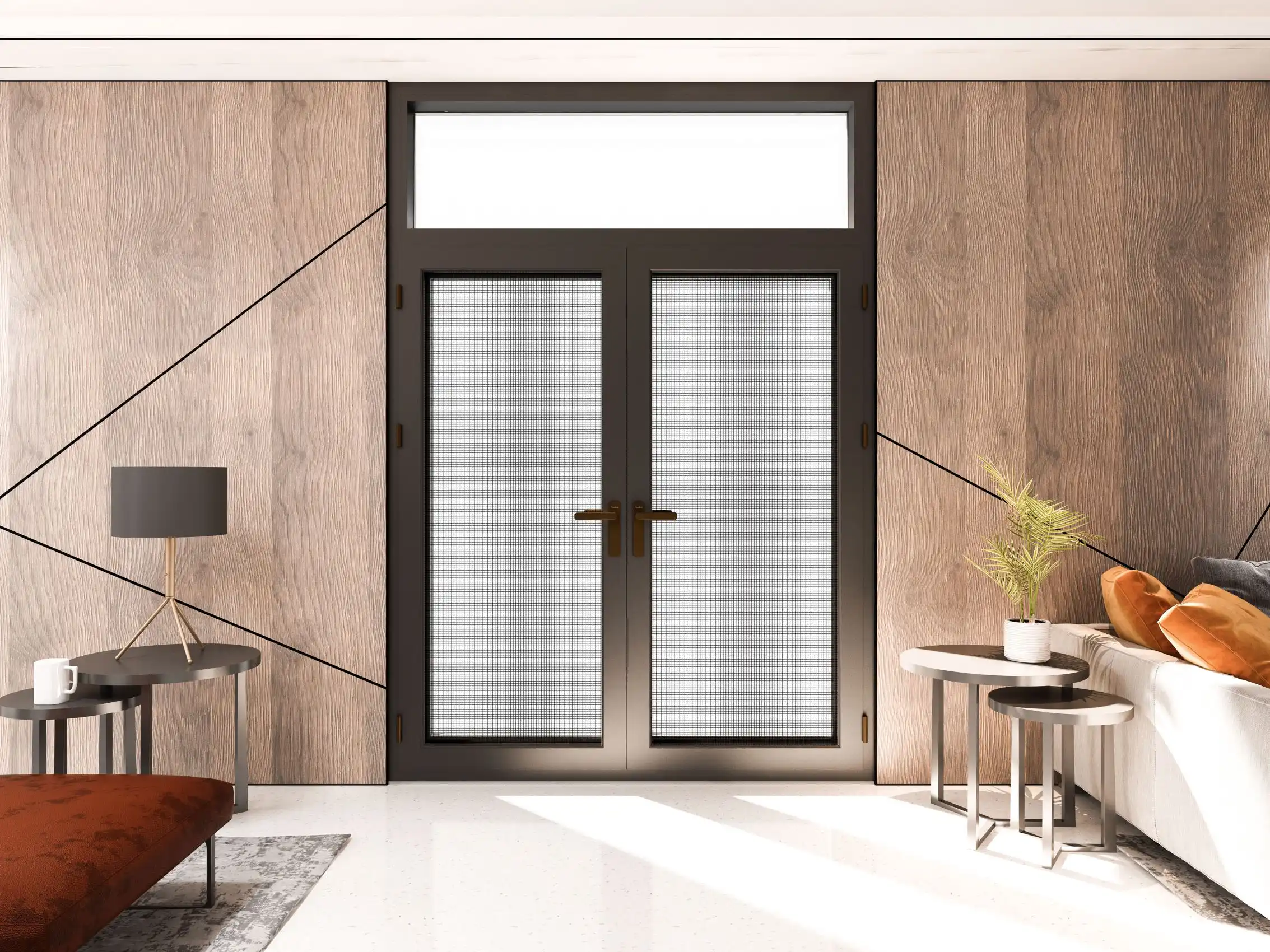
A narrow bezel casement door is characterized by a limited visible frame width and a hinged opening mechanism. In instances where a toilet is installed, this type of door is typically used as a single-leaf option that opens either toward the interior or the exterior, depending on the space available, the circulation path, and the safety of the installation. The narrow bezel is specifically concerned with the perceptible portion of the frame and sash when the door is closed, rather than the overall thickness or structural capacity of the system as a whole.
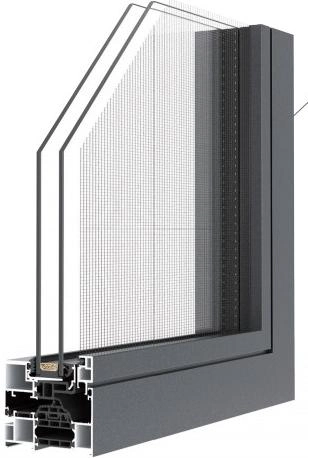
Compared to conventional wide-frame doors, narrow bezel configurations diminish the obstruction of visual space and increase the percentage of the area that can be utilized. This structural choice doesn’t suggest decreased durability. When constructed with the proper design, the strength is maintained through the appropriate profile of aluminum, the appropriate thickness of wall, and the reinforced connections in the corners. As such, the door’s stability is maintained despite the frequent opening and closing of the door; this is also true of high-humidity environments.
In practical terms, a typical toilet narrow bezel casement door consists of several essential components:
A slim-profile frame designed to reduce visual and physical obstruction
A hinged casement opening that allows the door to swing clear of the opening
A glass panel selected to balance light transmission and visual privacy
Moisture-resistant hardware suitable for high-humidity environments
These elements form a system that is both compact and robust, making it suitable for long-term use in toilets where environmental conditions are more demanding than in other interior spaces.
How Casement Door Design Contributes to Better Ventilation
The ventilation of toilets is dependent on the capacity of air to enter and exit the space effectively. Casement doors have a significant advantage in this regard because they can be completely opened. Unlike sliding doors, which always have part of the opening that is covered by overlying panels, a casement door can be deployed to create a path for unobstructed air across the entire doorway.
When the door is reused, fresh air can enter while the warm, damp air is expelled. This exchange is particularly beneficial when combined with mechanical exhaust systems; the open doorway decreases resistance and allows the fans to function more effectively. In some designs, the opening of the door also allows for ventilation between the toilet and other spaces adjacent to it, which facilitates the rapid rejuvenation of the air.
The narrow bezel design increases the total area of the opening by increasing the effective opening area. With less space devoted to the frame on the perimeter, the majority of the doorway is directly involved in airflow. In compact toilets, the already limited door openings can be increased significantly, which will have a significant impact on the speed at which moisture and smells are removed.
From a functional perspective, improved ventilation results from several interacting factors:
Full swing opening that creates a clear path for air movement
Reduced frame width that increases the usable opening area
Directional airflow control is enabled by hinged operation
Easier coordination with mechanical ventilation systems
Together, these characteristics support faster air exchange and help maintain a more stable and comfortable toilet environment.

Moisture and Odor Control in Daily Use
High water levels are a consistent problem in toilets. Activities like bathing and washing hands release a significant amount of water vapor; if the ventilation is not sufficient, this can linger. Eventually, trapped moisture will lead to condensation on the walls, doors, and other fixtures; this will increase the risk of surface damage and device deterioration.
Narrow bezel casement doors facilitate moisture control by allowing a quicker release of the humidity. Allowing the door to open creates a pressure differential that will cause the air to escape from the space instead of being trapped. Because the opening is not surrounded by wide containers or a slipping track, the flow of air remains consistent and efficient.
Odor control is beneficial in a similar manner. Airborne odors can be more easily transmitted, which would reduce the amount of time that odors remain perceptible following use. This natural air flow supplement supports exhaust systems and reduces the need for constant mechanical operation.
Maintaining Privacy Without Sacrificing Light
The privacy of toilets is more extensive than the direct visibility that is blocked. This also involves controlling the transmission of sound, regulating the light, and maintaining a distinct distinction from the surrounding area. Narrow bezel casement doors address these concerns through both the material choice and the behavior of the structure.
Panels of glass used in toilets have typically been frosted, textured, or patterned to prevent visual clarity while still allowing light to pass through. This method is particularly beneficial in toilets that lack windows; the lack of access to borrowed light causes the space to feel confined or uncomfortable. The thin frame promotes this effect by minimizing the visual obstruction around the window.
When closed, casement doors typically have a greater degree of seal than sliding doors. The leaflet’s door presses into the frame, which reduces the likelihood of sound or light passing through. Even if the frame is reduced in width, the door still maintains a recognizable and consistent boundary.
Privacy performance can be understood across several practical dimensions:
Visual privacy is achieved through appropriate glass treatment
Acoustic separation supported by tighter door-to-frame contact
Psychological privacy is created by a clear and stable spatial boundary
These elements work together to ensure privacy is preserved without compromising ventilation or light quality.
Performance in Compact Toilet Spaces
Compact toilets place greater demands on every design decision. Limited floor area, restricted ventilation options, and proximity to living or working spaces increase sensitivity to humidity and noise. Narrow bezel casement doors perform well in such conditions because they address multiple constraints simultaneously.
The slim frame helps reduce visual bulk, while the full-opening structure allows users to regulate airflow when needed. This balance is especially effective in apartments, hotels, and serviced residences, where toilets are often small but expected to provide consistent comfort and hygiene.
Installation Considerations for Effective Results
The efficacy of narrow-bezel casement doors is enhanced by accurate installation. Opening direction, hinge quality, alignment, and sealing details all influence ventilation and privacy outcomes. Combining the position of the coordinating doors with the exhaust outlets and the overall design of the bathroom promotes a consistent performance throughout daily use.
Narrow bezel casement doors have an advantage in the design of toilets by addressing both ventilation and privacy through the structural design of the door instead of making simple alterations. Their capacity to fully open supports efficient air flow, while their thin frame and material choices maintain auditory and visual distinction. By balancing these objectives practically and permanently, they provide a dependable alternative to toilets that combines comfort, hygiene, and privacy.