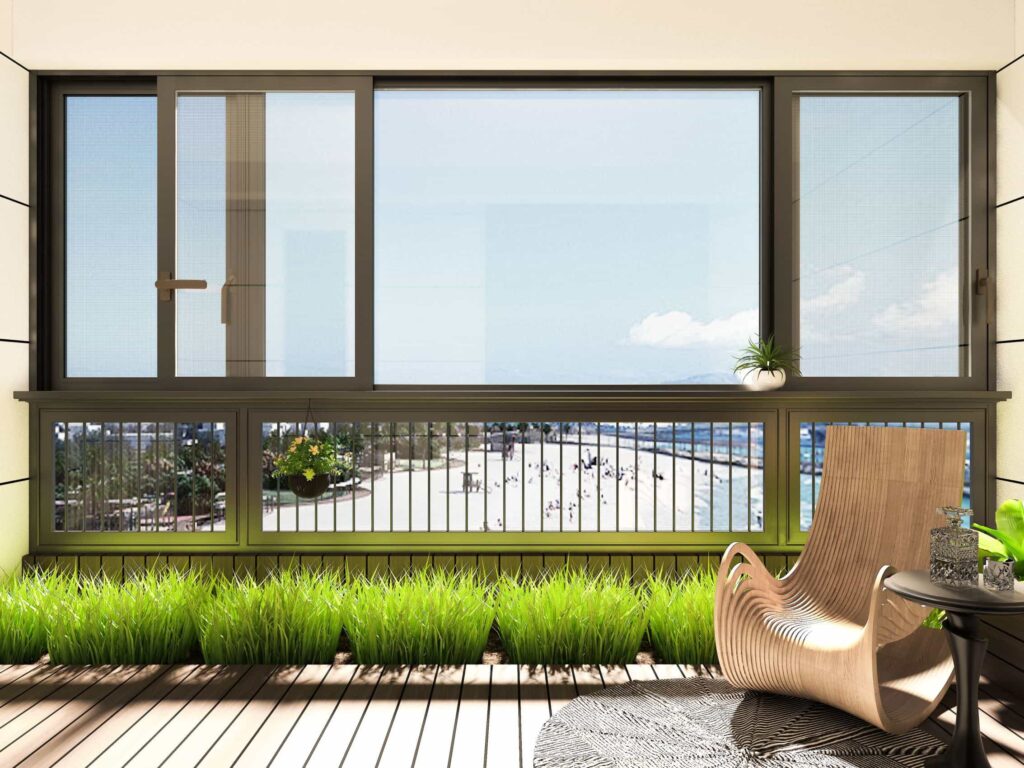
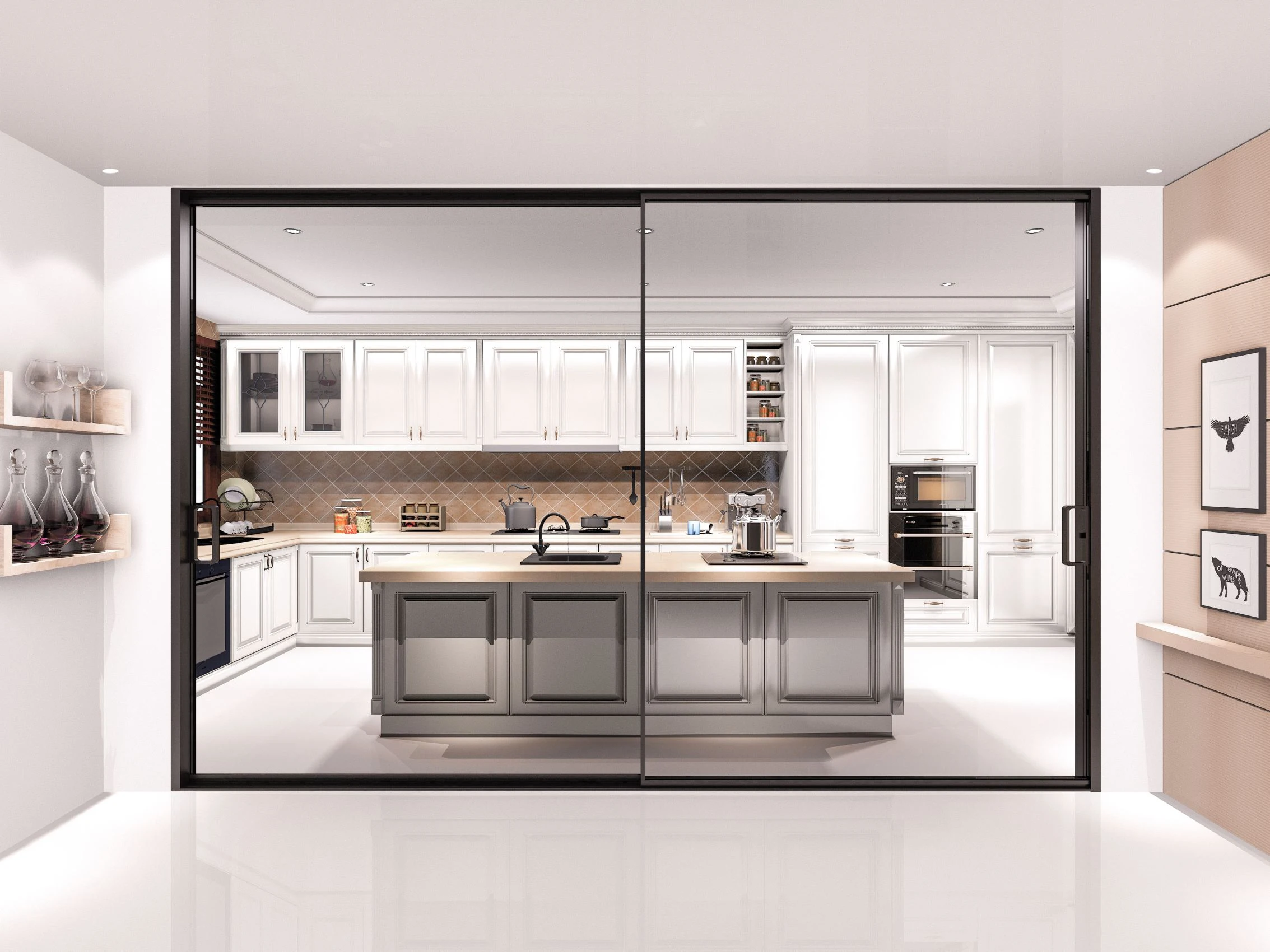
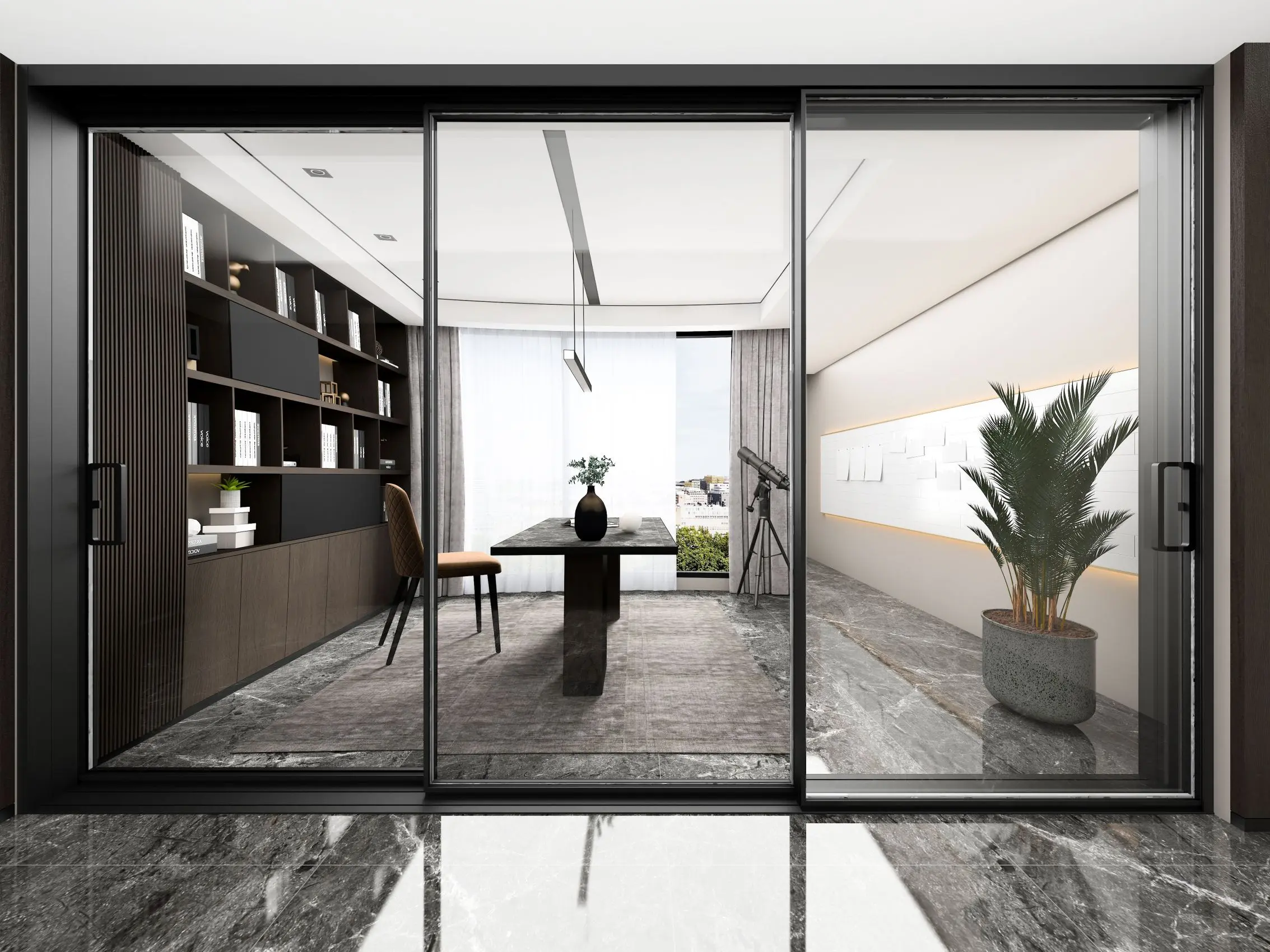
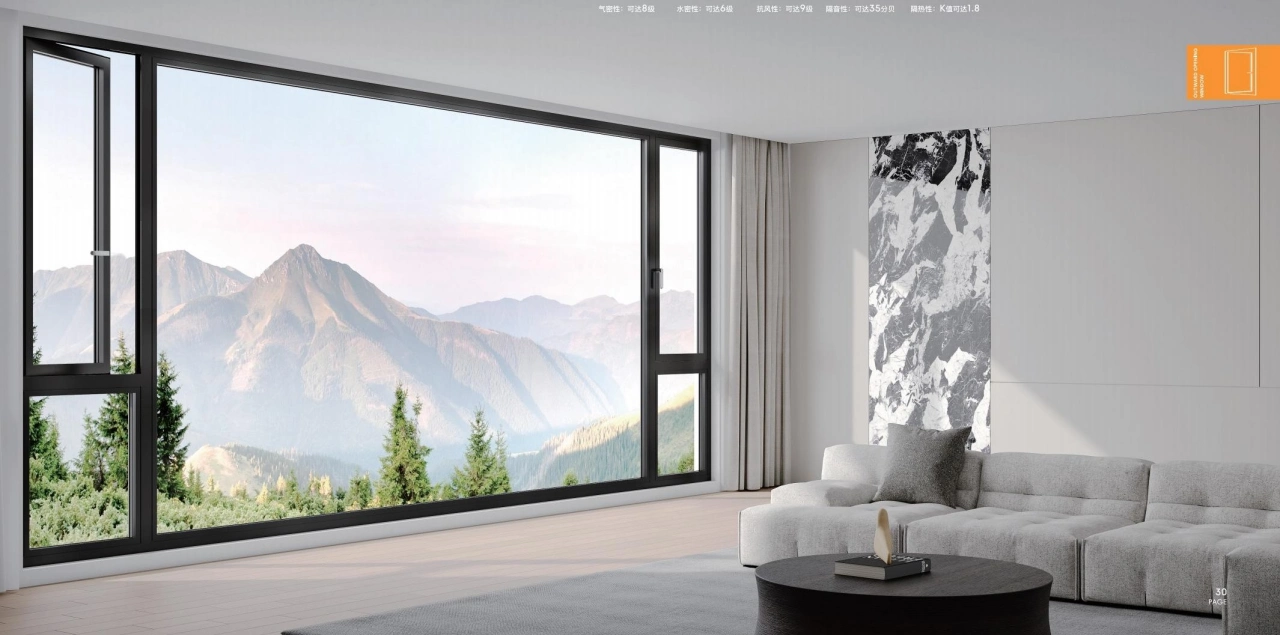
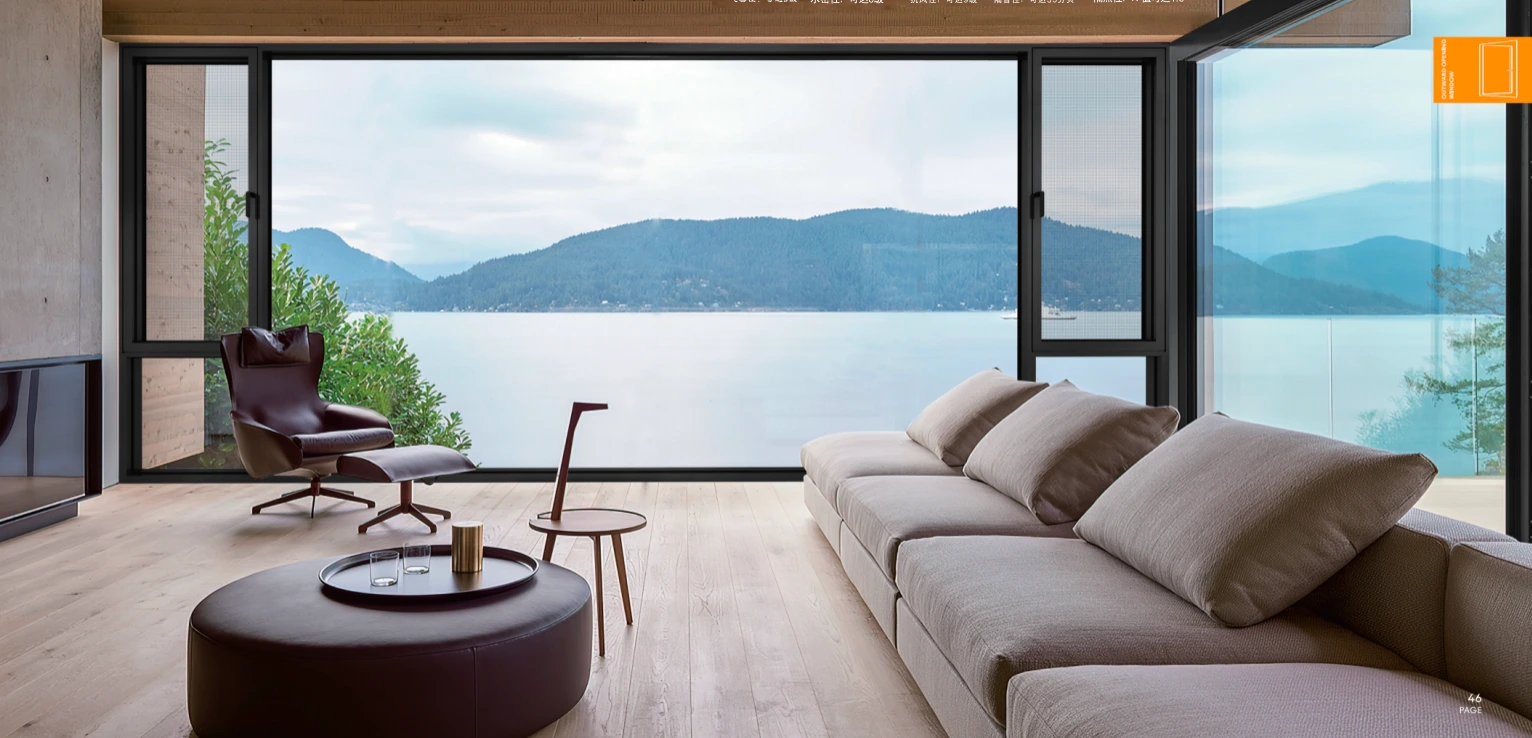
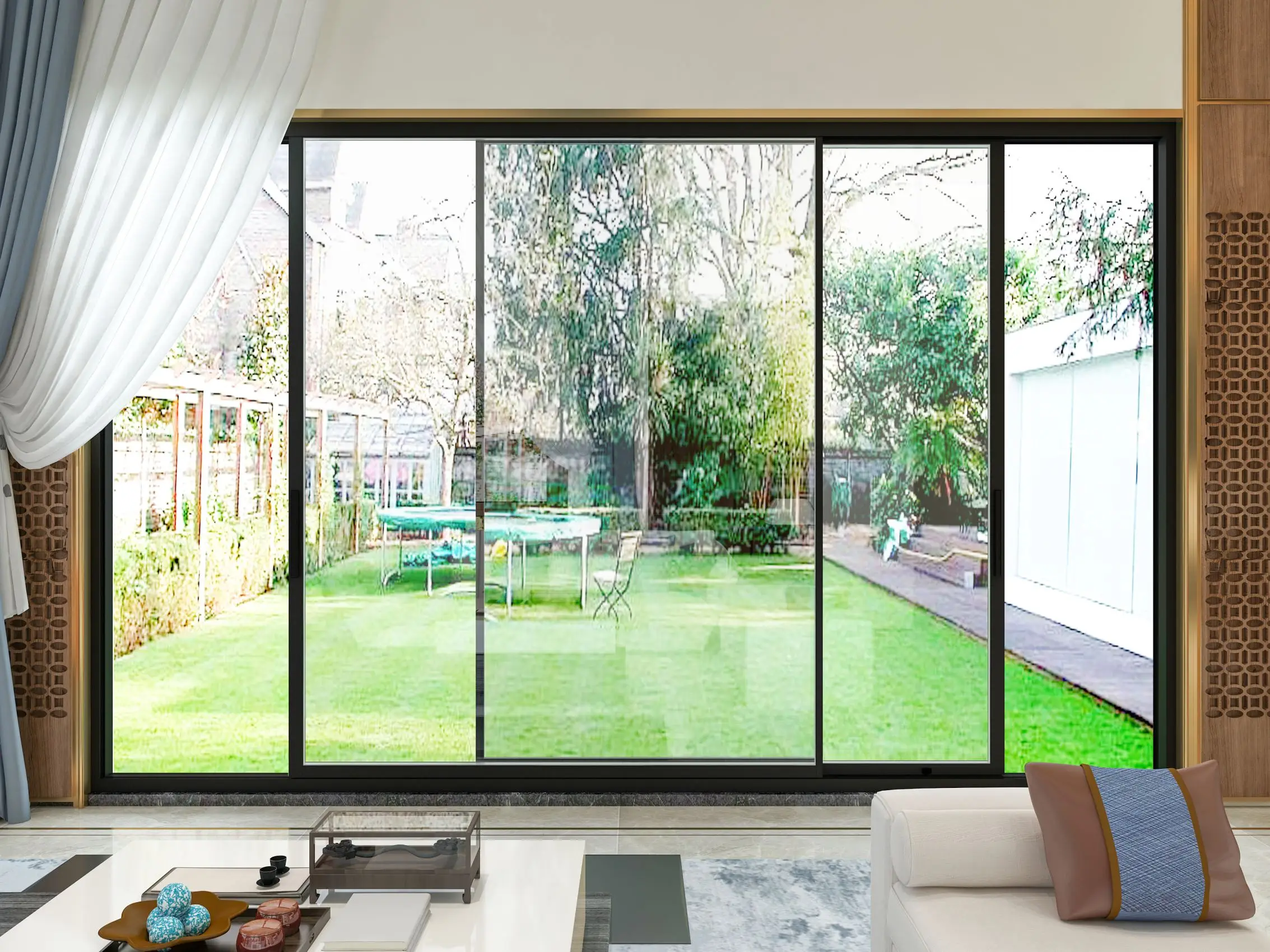
Modern sliding window systems for balconies operate through two primary mechanisms: inline sliding and lift-and-slide configurations. Inline sliding systems feature panels that glide horizontally along parallel tracks using roller bearing assemblies. These systems typically accommodate panel weights up to 100 kg and require minimal operating force (typically 50-80 N). The track design incorporates drainage channels with weep holes positioned every 300-400 mm to prevent water accumulation.
Lift-and-slide mechanisms employ a more sophisticated approach where panels lift vertically 8-12 mm before sliding, creating an airtight seal when closed. This system utilizes stainless steel roller bearings (typically 304 grade) with load capacities exceeding 150 kg per panel. The lifting action is controlled through a handle-operated cam mechanism that engages compression gaskets around the entire perimeter, achieving superior air infiltration ratings of ≤0.1 m³/h·m² at 50 Pa pressure differential.
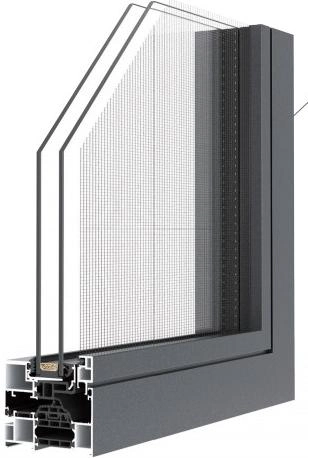
Frame construction methods significantly impact structural integrity. Mechanically joined frames use corner cleats and screws, suitable for openings up to 2.5 meters wide. Welded aluminum frames with thermal breaks provide enhanced strength for spans exceeding 3 meters, with corner welds ground flush and reinforced with internal gussets. Premium systems incorporate multi-chamber extrusion profiles (5-7 chambers) that create thermal barriers and structural reinforcement zones.
Key Performance Metrics for Balcony Environments
Balcony sliding windows face unique environmental challenges requiring specific performance benchmarks. Air permeability classifications range from Class A1 (≤3 m³/h·m²) to A4 (≤50 m³/h·m²) per EN 12207. For conditioned living spaces, specify minimum Class A3 performance (≤9 m³/h·m² at 100 Pa), which translates to approximately 15% reduction in HVAC energy consumption compared to Class A2 products.
Water tightness testing per ASTM E547 establishes resistance levels from 1A (no water penetration at 137 Pa) to 12A (2,039 Pa). Coastal installations require minimum 7A rating (980 Pa), equivalent to wind-driven rain conditions in 160 km/h winds. This performance depends on track geometry—optimal designs feature 25 mm dam heights with dual drainage planes.
Thermal transmittance (U-value) directly impacts energy costs. Aluminum frames with standard thermal breaks achieve U-values of 2.4-3.0 W/m²K, while advanced polyamide thermal barriers reduce this to 1.6-2.0 W/m²K. When combined with low-E double glazing (U-value 1.1 W/m²K), overall window U-values below 1.8 W/m²K are achievable, meeting stringent energy codes in climate zones 4-7.
音響性能 measured in Sound Transmission Class (STC) ratings becomes critical for urban balconies. Standard 6 mm double glazing achieves STC 28-30, while laminated acoustic glass configurations (6 mm + 1.52 mm PVB interlayer / 12 mm airspace / 8 mm glass) deliver STC 36-40, reducing traffic noise by approximately 70-80%.

Material Selection Criteria for Balcony Sliding Windows
Frame Material Comparison
| Material Type | Thermal Performance (U-value) | Weather Resistance | Maintenance Requirements | Cost Range ($/m²) | Lifespan (years) |
|---|---|---|---|---|---|
| Aluminum Alloy (6063-T5) | 2.0-2.8 W/m²K | Excellent (Grade 5 anodizing) | Minimal – annual cleaning | 280-420 | 30-40 |
| uPVC Multi-chamber | 1.4-1.8 W/m²K | Good (UV stabilizers required) | Low – bi-annual cleaning | 180-280 | 25-35 |
| Wood-clad Aluminum | 1.6-2.2 W/m²K | Excellent (aluminum exterior) | Moderate – refinishing every 5-7 years | 450-650 | 35-50 |
| Fiberglass-reinforced Polymer | 1.5-1.9 W/m²K | Excellent (non-corrosive) | Minimal – periodic inspection | 380-520 | 40-50 |
Aluminum alloy systems dominate commercial applications due to structural strength-to-weight ratios. Extruded 6063-T5 alloy with minimum wall thickness of 1.4 mm (per AAMA standards) provides adequate rigidity for panels up to 1.2 m × 2.4 m. Thermal performance improves through polyamide strut thermal breaks (typically 24-34 mm wide) that reduce thermal bridging by 40-60%. Surface treatments include:
- Anodizing (Class I: 18 µm minimum): Superior corrosion resistance for coastal environments, 30+ year color stability
- パウダーコーティング (60-80 µm): Wider color range, AAMA 2604 certification ensures UV resistance
- PVDF liquid coating (70 µm): Premium finish with exceptional chalk/fade resistance (AAMA 2605)
uPVC systems offer superior thermal performance through multi-chamber designs (typically 5-6 chambers) that trap insulating air. Calcium-zinc stabilizer formulations resist UV degradation better than lead-based alternatives. However, structural limitations restrict panel sizes to approximately 1.0 m × 2.0 m without steel reinforcement. Fusion-welded corners eliminate air infiltration paths but require precise manufacturing tolerances (±0.5 mm).
Wood-clad aluminum combines aesthetic warmth with weather protection. The aluminum exterior (minimum 1.2 mm) protects engineered wood cores (typically laminated veneer lumber) from moisture. Interior wood surfaces accept stains and clear finishes, though maintenance intervals require refinishing every 5-7 years depending on sun exposure.
Glazing Options and Energy Efficiency
Glass comprises 70-80% of window area, making glazing selection critical for performance. Double glazing with 12-16 mm airspace remains the baseline specification, achieving center-of-glass U-values of 2.7-2.9 W/m²K. Low-E coatings (emissivity ε = 0.04-0.15) reflect infrared radiation, reducing U-values to 1.4-1.8 W/m²K while maintaining 70-75% visible light transmittance.
Triple glazing configurations (4 mm / 14 mm / 4 mm / 14 mm / 4 mm) achieve U-values below 0.8 W/m²K but increase panel weight by 45-50%, requiring upgraded roller systems. This specification makes economic sense only in climate zones with >5,000 heating degree days annually.
Gas fills enhance insulation: argon (90-95% concentration) reduces U-values by 15-20% compared to air-filled units, while krypton offers 25-30% improvement but costs 3-4× more. Gas retention rates exceed 95% over 20 years in quality sealed units with dual-seal construction (primary polyisobutylene seal, secondary silicone or polysulfide).
Safety glass standards mandate tempered or laminated glass for balcony applications. Tempered glass (ASTM C1048) breaks into small granular pieces, reducing injury risk. Laminated glass (0.76-1.52 mm PVB interlayer) retains fragments when broken and provides enhanced security and acoustic performance. Building codes typically require tempered glass for panels with bottom edges <460 mm above walking surfaces.
Compliance Standards and Safety Requirements
International Building Codes and Certifications
Sliding windows for balcony applications must meet jurisdiction-specific performance standards. ASTM E2112 establishes standardized testing protocols for window assemblies, covering structural load resistance, air/water infiltration, and forced-entry resistance. Products bearing AAMA Gold Label certification have undergone third-party verification of these performance claims.
ISO 6612 classifies windows by air permeability, water tightness, and wind resistance using numerical classes (e.g., A4-E9A-V C4 indicates specific performance levels). European markets require CE marking demonstrating conformity with EN 14351-1 standards, including durability testing through 10,000 operation cycles.
NFRC (National Fenestration Rating Council) labels provide comparative energy performance data including U-factor, Solar Heat Gain Coefficient (SHGC), Visible Transmittance (VT), and Air Leakage ratings. For balcony living spaces in cooling-dominated climates, specify SHGC ≤0.30 to minimize solar heat gain; heating-dominated climates benefit from SHGC ≥0.40 to leverage passive solar heating.
Energy Star certification establishes minimum performance thresholds by climate zone—Northern zones require U-factor ≤0.27 and SHGC ≤0.40, while Southern zones mandate U-factor ≤0.40 and SHGC ≤0.25.
Wind Load and Structural Considerations
Design pressure (DP) ratings quantify structural performance under wind loads, calculated using ASCE 7 methodology based on building height, exposure category, and basic wind speed. For reference:
- DP 30 (±1,440 Pa): Suitable for buildings <9 m in moderate wind zones
- DP 40 (±1,920 Pa): Required for buildings 9-15 m or coastal exposure
- DP 50 (±2,400 Pa): High-rise applications >15 m or hurricane-prone regions
Testing per ASTM E330 subjects assemblies to ±1.5× design pressure to verify structural adequacy. Premium systems incorporate reinforced mullions and transoms with aluminum wall thickness ≥2.0 mm for DP 50 applications.
Anchoring systems must transfer wind loads to structural substrates. Typical installations use adjustable anchors at 450-600 mm spacing around the perimeter, with fasteners penetrating minimum 50 mm into concrete or engaging structural framing. Seismic zones D-E require additional flexible anchors accommodating ±25 mm lateral movement without frame distortion.
Design Integration and Space Optimization
Configuration Options for Balcony Layouts
Panel configurations affect usable opening widths and operational convenience. Two-panel systems (one fixed, one operable) provide 50% ventilation area—a 2.4 m wide opening yields 1.2 m operable width. Three-panel configurations offer flexibility: XOX (both end panels slide to center) provides 66% ventilation, while OXO (center panel operable) maintains 33% but preserves symmetrical sightlines.
Corner solutions address L-shaped balconies through 90° corner posts (typically 100-150 mm wide) or frameless structural glazing systems using patch fittings. The latter maximizes transparency but requires 12 mm minimum tempered glass and specialized hardware rated for point-loading conditions.
Threshold types significantly impact accessibility and weather resistance:
- Standard thresholds (40-60 mm height): Maximum weather protection, suitable for exposed balconies
- Low-profile thresholds (20-25 mm): Improved accessibility while maintaining water infiltration resistance through sloped sill design
- Flush thresholds (0-5 mm): ADA-compliant accessibility requiring subsurface drainage systems and perimeter sealing
Ventilation and Security Features
Multi-point locking mechanisms engage the frame at 3-5 locations along the vertical stile, distributing force and enhancing security. Mushroom-cam locks provide anti-lift protection, while shootbolt systems extend rods into head and sill tracks. Hardware meeting DIN V ENV 1627 (RC2 rating) resists forced entry for 3+ minutes.
Restricted opening positions allow secure ventilation through adjustable stays or friction hinges limiting panel travel to 100-150 mm—sufficient for airflow while preventing unauthorized access or child safety concerns.
Integrated insect screens mount within track systems using retractable roller mechanisms (spring-loaded or motorized) or fixed frames with fiberglass mesh (18×16 weave). Motorized screens accommodate openings up to 6 m wide, retracting into 100-120 mm head boxes when not needed.
Commercial Evaluation and Supplier Selection
Total Cost of Ownership Analysis
Initial purchase price represents only 30-40% of lifecycle costs. Installation complexity varies by system—standard inline sliders require 4-6 labor hours per opening, while lift-and-slide systems demand 8-12 hours due to precise adjustment requirements. Factory pre-glazed units reduce field labor by 25-30% compared to site-glazed assemblies.
保証条件 indicate manufacturer confidence: reputable suppliers offer 10-year coverage on mechanical components, 20-year glass seal warranties, and lifetime coverage on frame structural integrity. Verify warranty transferability for property resale scenarios.
Maintenance costs over 20 years include:
- Annual cleaning/lubrication: $50-80 per opening
- Roller replacement (years 8-12): $150-250
- Weatherstrip replacement (years 10-15): $120-180
- Hardware adjustment (as needed): $80-150
Premium systems with stainless steel components and EPDM gaskets minimize maintenance interventions, reducing total costs by 20-30% versus economy products requiring frequent service.
Vendor Assessment Criteria
製造認証 verify quality management systems—ISO 9001 ensures consistent production processes, while ISO 14001 demonstrates environmental responsibility. AAMA certification requires ongoing testing and factory audits, providing assurance of continued compliance.
Lead times vary from 4-6 weeks for standard configurations to 10-14 weeks for custom sizes or finishes. Suppliers maintaining regional inventory can expedite delivery but typically limit customization options.
After-sales support should include technical assistance for installation queries, replacement parts availability (minimum 15-year commitment), and field service capabilities. Evaluate supplier responsiveness through reference checks with previous clients.
Customization capabilities differentiate suppliers—assess flexibility in non-standard sizes (some manufacturers accommodate openings to 6 m × 3 m), custom color matching (RAL or powder coat), and hardware finish options (satin nickel, oil-rubbed bronze, matte black).
FAQモジュール
Q1: What is the minimum glass thickness recommended for balcony sliding windows in coastal areas?
Coastal environments require a minimum of 6 mm tempered glass for panels up to 1.5 m², with thickness increasing to 8 mm for larger panels. Laminated glass (6 mm + 1.52 mm PVB + 6 mm) provides superior impact resistance against windborne debris in hurricane-prone regions. Specify Grade 5 anodizing or PVDF coatings on aluminum frames to resist salt spray corrosion per ASTM B117 (1,000+ hour exposure).
Q2: How do I determine the correct wind load rating for my building’s height and location?
Calculate design pressure using ASCE 7 methodology: identify basic wind speed from local building department (typically 90-150 mph), determine exposure category (B for urban, C for open terrain, D for coastal), and apply height coefficients. Online calculators provided by AAMA simplify this process. For buildings >30 m, engage a structural engineer to verify calculations and account for localized acceleration effects.
Q3: Can sliding windows meet fire escape egress requirements for residential balconies?
Most sliding windows do not meet IRC R310.2 egress requirements (minimum 5.7 ft² opening, 24″ height, 20″ width, 44″ maximum sill height) due to operational constraints. Balconies with alternative egress paths may not require window egress compliance—verify with local building officials. Where required, specify casement or awning windows that fully open, or install separate egress doors within the balcony enclosure.
Selecting appropriate sliding windows for balcony living spaces requires balancing performance specifications, regulatory compliance, and design preferences. Prioritize suppliers offering tested products with transparent technical data, robust warranties, and proven installation support to ensure long-term satisfaction and property value enhancement. Focus procurement decisions on total lifecycle value rather than initial cost alone—premium systems that deliver superior thermal performance, weather resistance, and operational longevity typically achieve a 8-12-year payback through reduced energy consumption and maintenance expenses. Engage qualified installers familiar with manufacturer specifications to ensure proper anchoring, weatherproofing, and operational adjustment, as installation quality determines 40-50% of in-service performance. By systematically evaluating materials, configurations, and supplier capabilities against project-specific requirements, specifiers can confidently select sliding window systems that transform balconies into comfortable, energy-efficient living spaces for decades.