
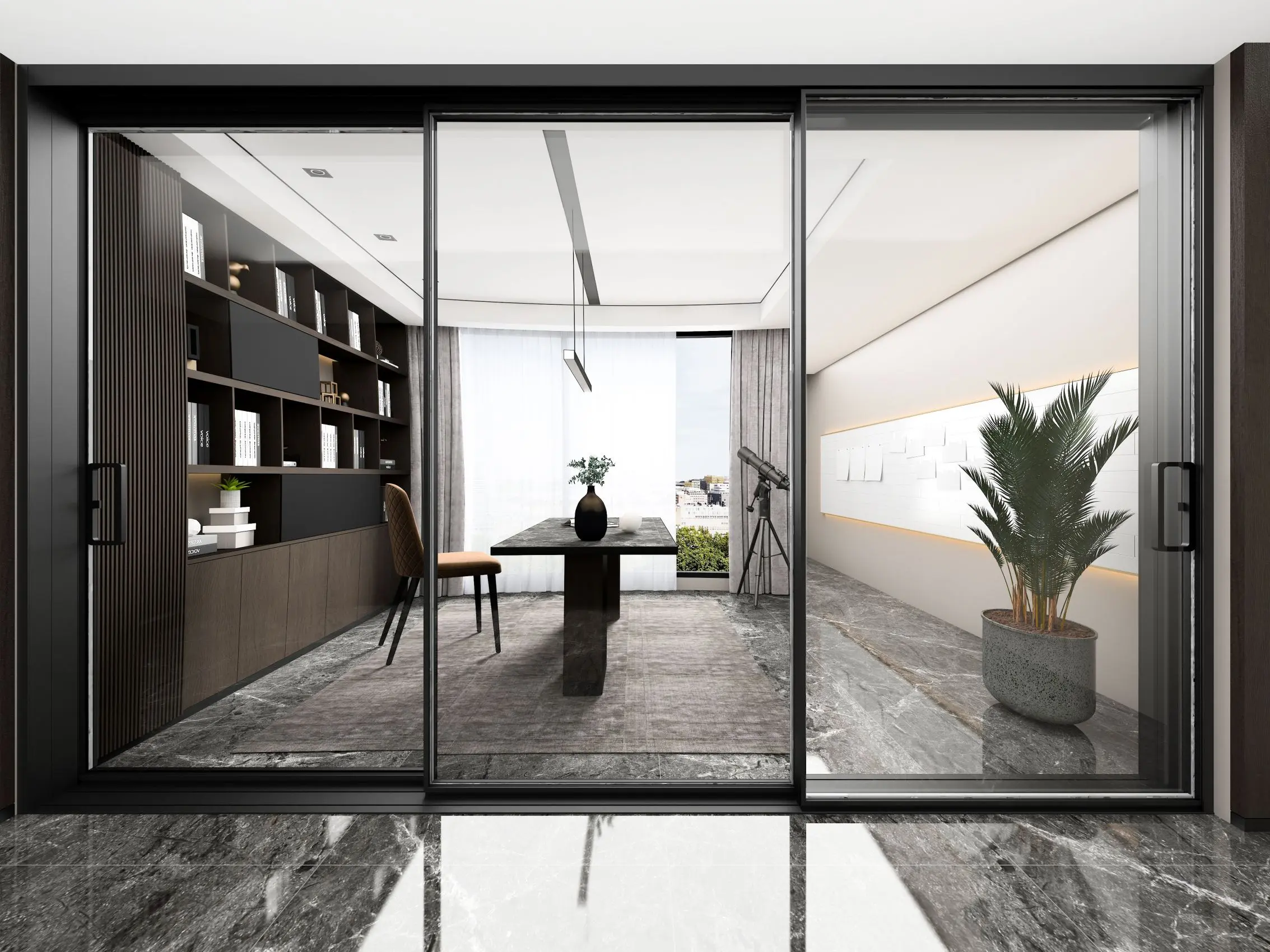
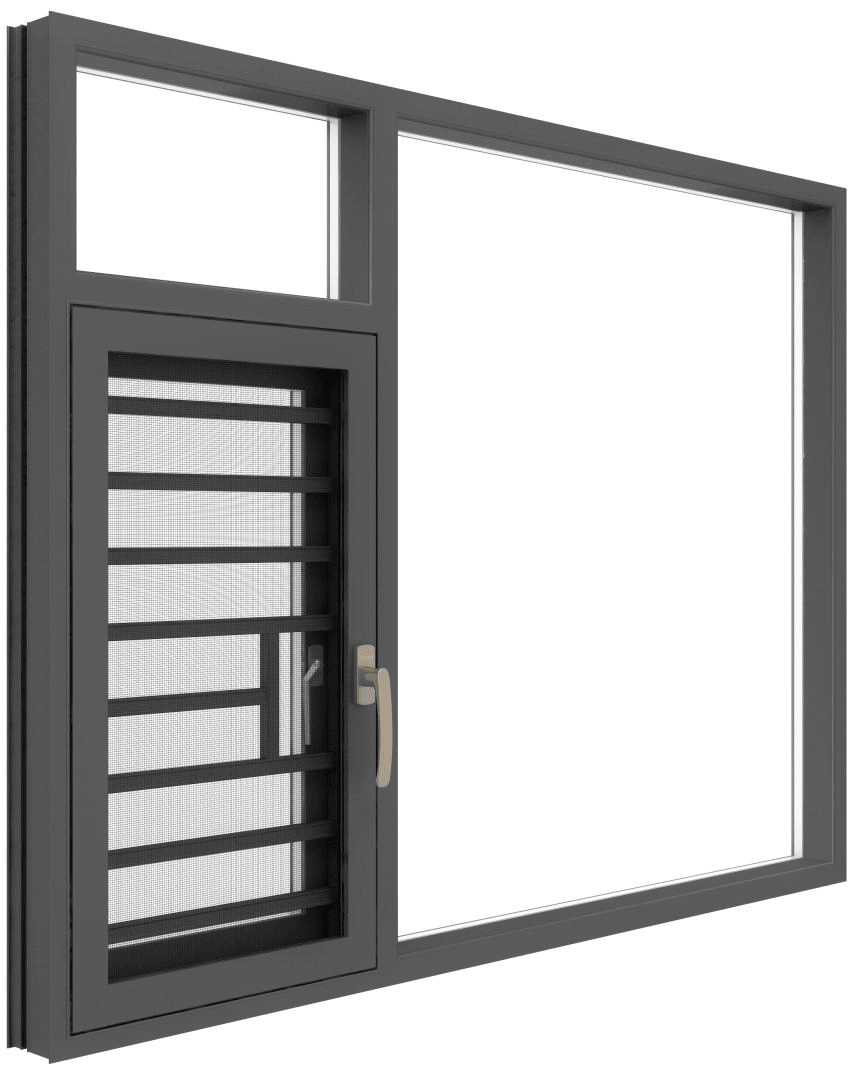
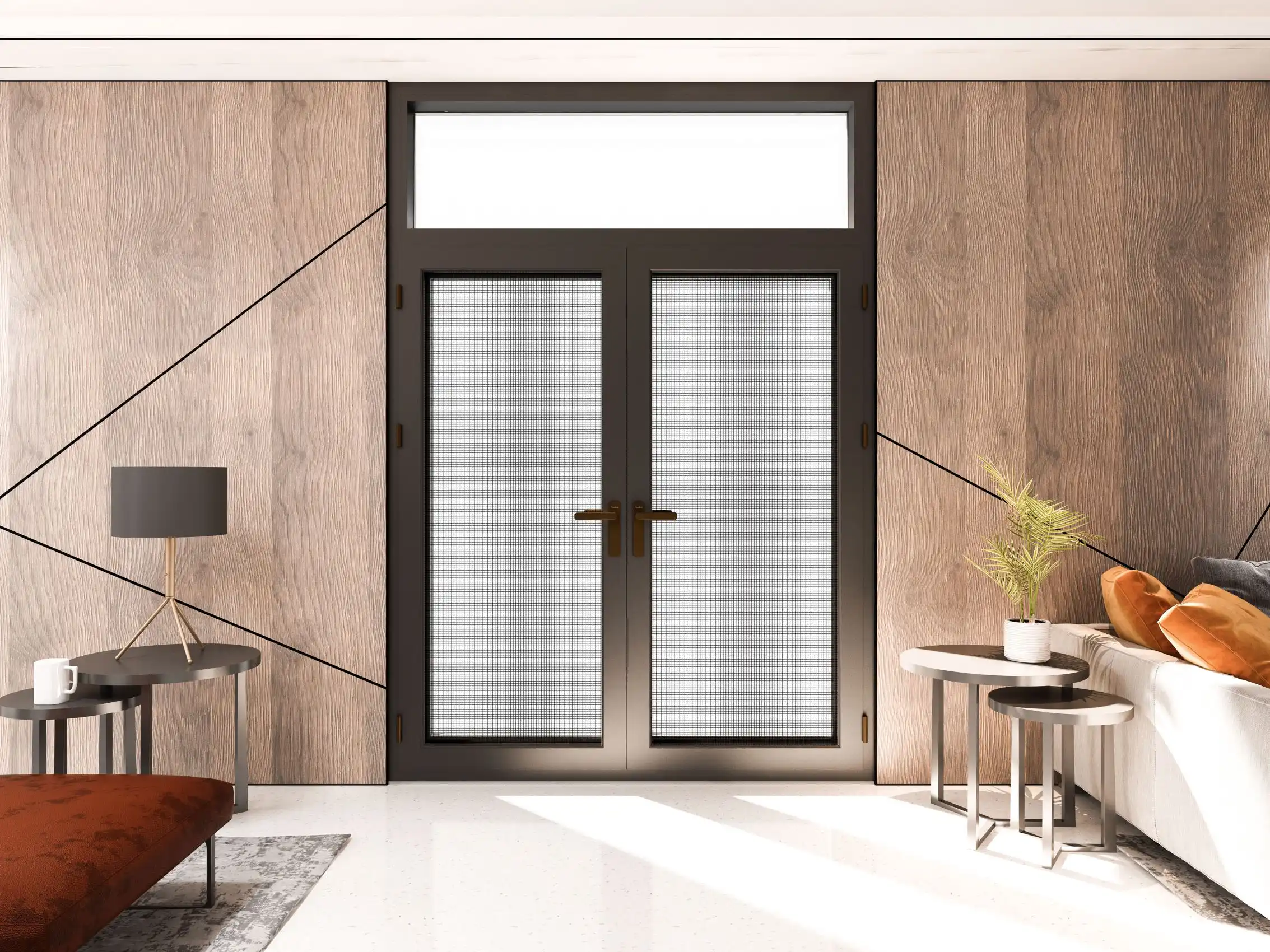
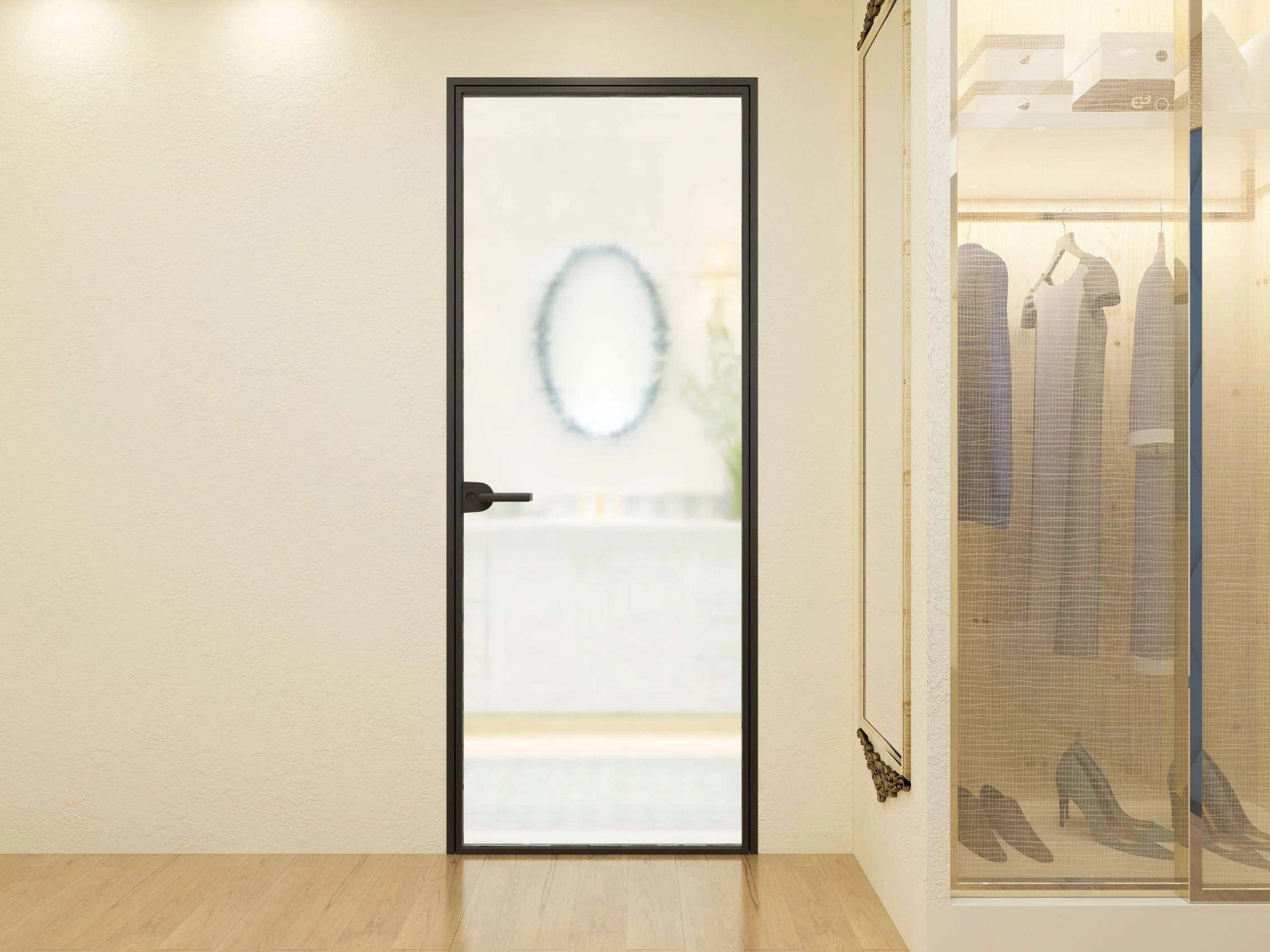
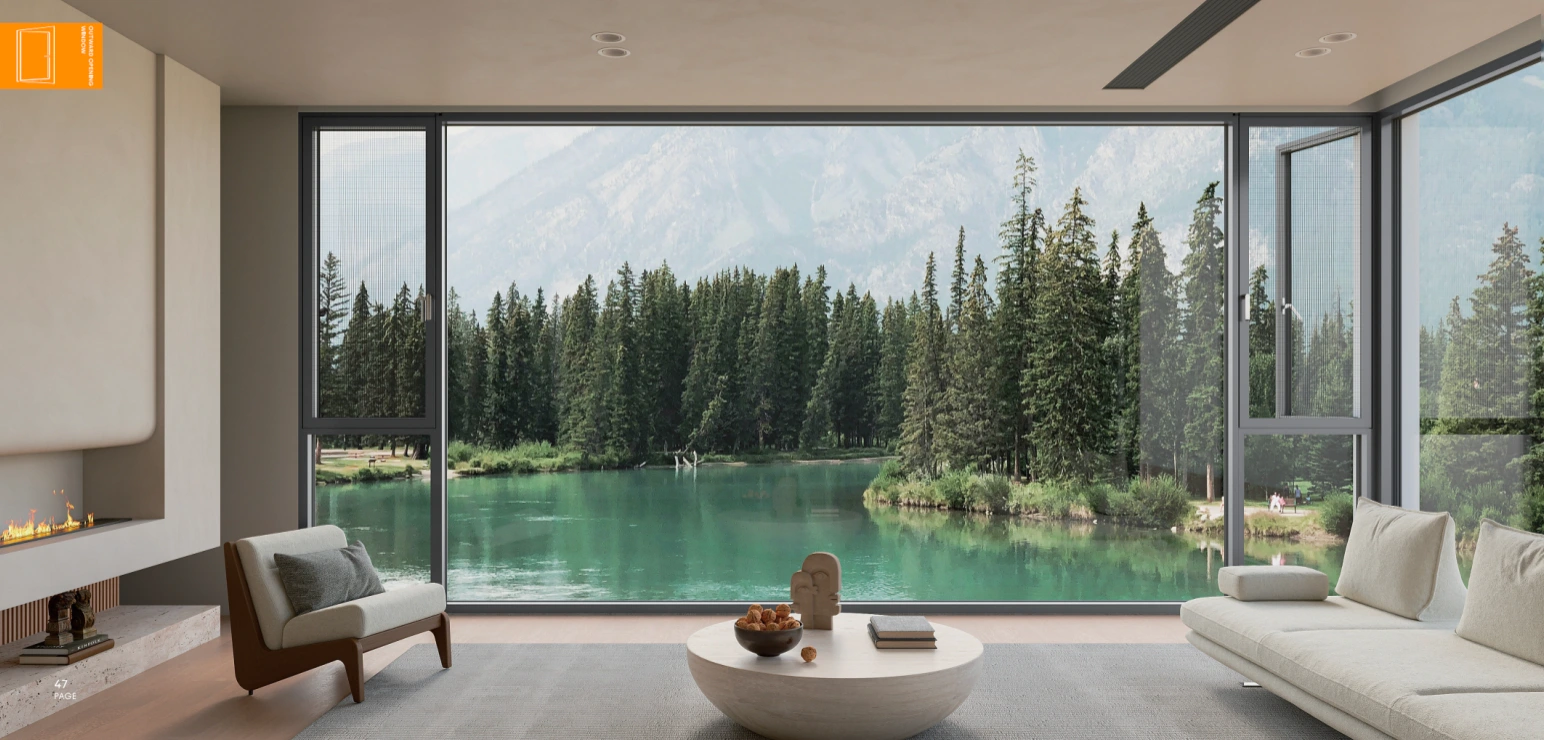
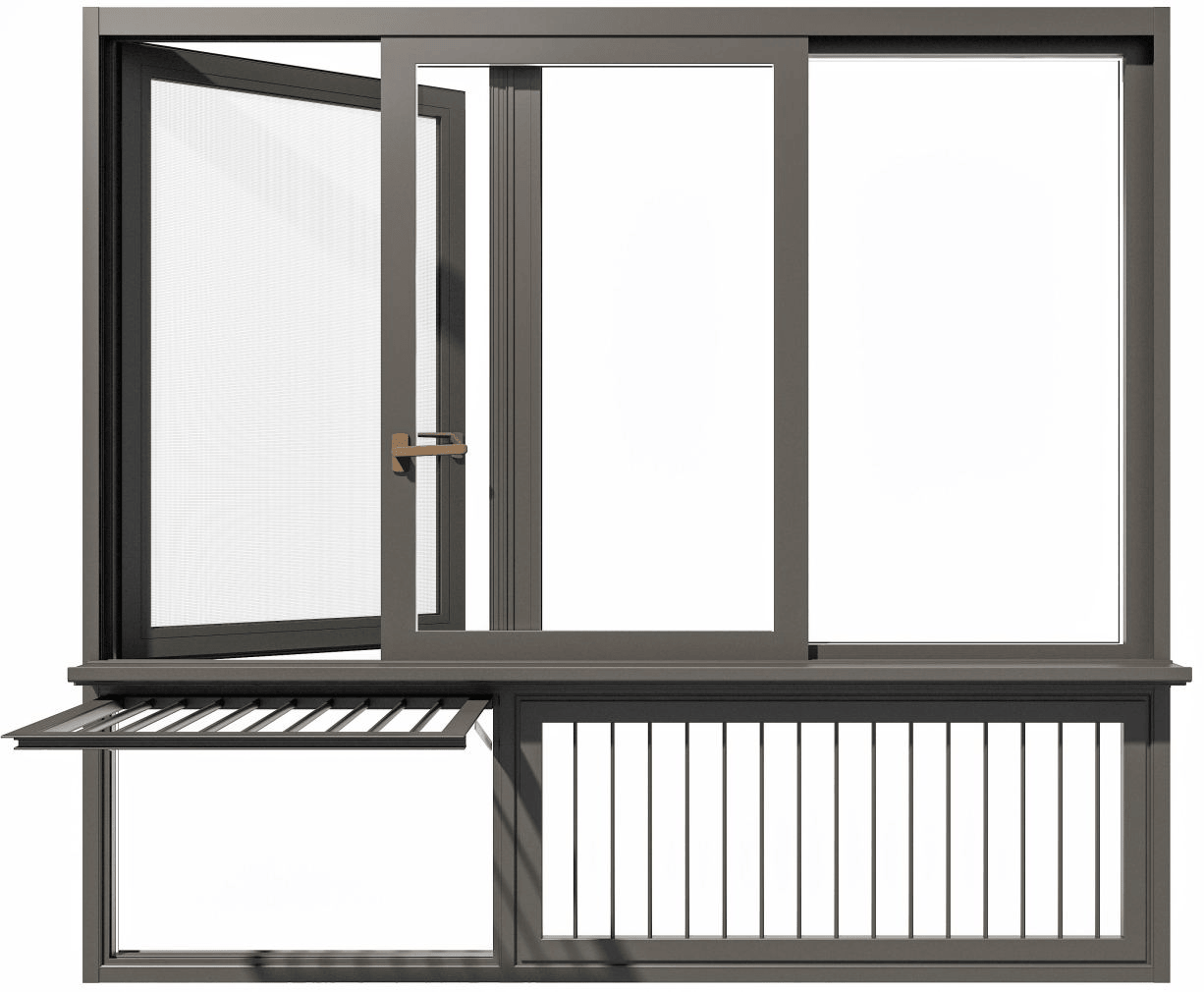
최신 발코니용 슬라이딩 창 시스템은 인라인 슬라이딩과 리프트 앤 슬라이드 구성이라는 두 가지 주요 메커니즘을 통해 작동합니다. 인라인 슬라이딩 시스템 롤러 베어링 어셈블리를 사용하여 평행 트랙을 따라 수평으로 미끄러지는 패널이 특징입니다. 이 시스템은 일반적으로 최대 100kg의 패널 무게를 수용하며 최소한의 작동력(일반적으로 50~80N)만 필요합니다. 트랙 설계에는 물이 고이는 것을 방지하기 위해 300~400mm마다 위프홀이 있는 배수 채널이 통합되어 있습니다.
리프트 앤 슬라이드 메커니즘 는 패널을 수직으로 8~12mm 들어올린 후 슬라이딩하여 밀폐하는 보다 정교한 방식을 사용합니다. 이 시스템은 패널당 하중 용량이 150kg을 초과하는 스테인리스 스틸 롤러 베어링(일반적으로 304 등급)을 사용합니다. 리프팅 동작은 전체 둘레에 압축 개스킷을 결합하는 핸들 작동식 캠 메커니즘을 통해 제어되며, 50 Pa 압력 차에서 ≤0.1m³/h-m²의 우수한 공기 침투 등급을 달성합니다.
프레임 구성 방법은 구조적 무결성에 큰 영향을 미칩니다. 기계적으로 결합된 프레임 최대 2.5m 너비의 개구부에 적합한 코너 클리트와 나사를 사용합니다. 용접 알루미늄 프레임 열 차단이 있는 경우 3미터 이상의 경간에서 코너 용접부를 평평하게 마감하고 내부 거싯으로 보강하여 강도를 높였습니다. 프리미엄 시스템은 다중 챔버 압출 프로파일(5~7개의 챔버)을 통합하여 열 차단막과 구조 보강 구역을 만듭니다.
발코니 환경의 주요 성능 지표
발코니 슬라이딩 창 특정 성능 벤치마크가 필요한 고유한 환경적 과제에 직면해 있습니다. 공기 투과성 EN 12207에 따라 클래스 A1(≤3m³/h-m²)에서 A4(≤50m³/h-m²)까지 분류됩니다. 에어컨이 설치된 생활 공간의 경우 최소 A3 등급 성능(100 Pa에서 ≤9m³/h-m²)을 지정하면 A2 등급 제품에 비해 HVAC 에너지 소비를 약 15% 절감할 수 있습니다.
방수 기능 ASTM E547에 따른 테스트는 1A(137 Pa에서 물 침투 없음)에서 12A(2,039 Pa)까지의 저항 수준을 설정합니다. 해안가 설치의 경우 최소 7A 등급(980 Pa)이 필요하며, 이는 160km/h의 바람으로 인한 강우 조건과 동일합니다. 이 성능은 트랙 지오메트리에 따라 달라지며, 최적의 설계는 이중 배수 평면을 갖춘 25mm 댐 높이를 특징으로 합니다.
열 투과율(U값) 에너지 비용에 직접적인 영향을 미칩니다. 표준 열 차단 기능이 있는 알루미늄 프레임은 2.4~3.0W/m²K의 U값을 달성하는 반면, 고급 폴리아미드 단열재는 이를 1.6~2.0W/m²K로 낮춥니다. 로이 이중창(U값 1.1W/m²K)과 결합하면 전체 창문 U값을 1.8W/m²K 미만으로 달성하여 기후 구역 4-7의 엄격한 에너지 규정을 충족할 수 있습니다.
음향 성능 투과율(STC) 등급으로 측정되는 차음 유리는 도시 발코니에서 매우 중요합니다. 표준 6mm 이중창은 STC 28-30을 달성하는 반면, 접합 차음 유리 구성(6mm + 1.52mm PVB 중간층 / 12mm 에어스페이스 / 8mm 유리)은 STC 36-40을 달성하여 교통 소음을 약 70-80%까지 줄여줍니다.
발코니 슬라이딩 창호의 재료 선택 기준
프레임 재질 비교
| 재료 유형 | 열 성능(U값) | 내후성 | 유지 관리 요구 사항 | 비용 범위($/m²) | 수명(년) |
|---|---|---|---|---|---|
| 알루미늄 합금(6063-T5) | 2.0-2.8 W/m²K | 우수(5등급 아노다이징) | 최소 - 연간 청소 | 280-420 | 30-40 |
| uPVC 멀티 챔버 | 1.4-1.8 W/m²K | 양호(자외선 안정제 필요) | 낮음 - 2년에 한 번 청소 | 180-280 | 25-35 |
| 우드 피복 알루미늄 | 1.6-2.2 W/m²K | 우수(알루미늄 외관) | 보통 - 5~7년마다 재시공 | 450-650 | 35-50 |
| 유리 섬유 강화 폴리머 | 1.5-1.9W/m²K | 우수(비부식성) | 최소 - 주기적 검사 | 380-520 | 40-50 |
알루미늄 합금 시스템 구조적 중량 대비 강도 비율로 인해 상업용 애플리케이션을 지배합니다. 최소 벽 두께가 1.4mm인 압출 6063-T5 합금(AAMA 표준 기준)은 최대 1.2m × 2.4m의 패널에 적절한 강성을 제공합니다. 열 브리징을 40-60%까지 줄여주는 폴리아미드 스트럿 열 차단(일반적으로 폭 24-34mm)을 통해 열 성능이 향상됩니다. 표면 처리에는 다음이 포함됩니다:
- 아노다이징 (Class I: 18 µm minimum): Superior corrosion resistance for coastal environments, 30+ year color stability
- Powder coating (60-80 µm): Wider color range, AAMA 2604 certification ensures UV resistance
- PVDF liquid coating (70 µm): Premium finish with exceptional chalk/fade resistance (AAMA 2605)
uPVC systems offer superior thermal performance through multi-chamber designs (typically 5-6 chambers) that trap insulating air. Calcium-zinc stabilizer formulations resist UV degradation better than lead-based alternatives. However, structural limitations restrict panel sizes to approximately 1.0 m × 2.0 m without steel reinforcement. Fusion-welded corners eliminate air infiltration paths but require precise manufacturing tolerances (±0.5 mm).
Wood-clad aluminum combines aesthetic warmth with weather protection. The aluminum exterior (minimum 1.2 mm) protects engineered wood cores (typically laminated veneer lumber) from moisture. Interior wood surfaces accept stains and clear finishes, though maintenance intervals require refinishing every 5-7 years depending on sun exposure.
Glazing Options and Energy Efficiency
Glass comprises 70-80% of window area, making glazing selection critical for performance. Double glazing with 12-16 mm airspace remains the baseline specification, achieving center-of-glass U-values of 2.7-2.9 W/m²K. Low-E coatings (emissivity ε = 0.04-0.15) reflect infrared radiation, reducing U-values to 1.4-1.8 W/m²K while maintaining 70-75% visible light transmittance.
Triple glazing configurations (4 mm / 14 mm / 4 mm / 14 mm / 4 mm) achieve U-values below 0.8 W/m²K but increase panel weight by 45-50%, requiring upgraded roller systems. This specification makes economic sense only in climate zones with >5,000 heating degree days annually.
Gas fills enhance insulation: argon (90-95% concentration) reduces U-values by 15-20% compared to air-filled units, while krypton offers 25-30% improvement but costs 3-4× more. Gas retention rates exceed 95% over 20 years in quality sealed units with dual-seal construction (primary polyisobutylene seal, secondary silicone or polysulfide).
Safety glass standards mandate tempered or laminated glass for balcony applications. Tempered glass (ASTM C1048) breaks into small granular pieces, reducing injury risk. Laminated glass (0.76-1.52 mm PVB interlayer) retains fragments when broken and provides enhanced security and acoustic performance. Building codes typically require tempered glass for panels with bottom edges <460 mm above walking surfaces.
Compliance Standards and Safety Requirements
International Building Codes and Certifications
Sliding windows for balcony applications must meet jurisdiction-specific performance standards. ASTM E2112 establishes standardized testing protocols for window assemblies, covering structural load resistance, air/water infiltration, and forced-entry resistance. Products bearing AAMA Gold Label certification have undergone third-party verification of these performance claims.
ISO 6612 classifies windows by air permeability, water tightness, and wind resistance using numerical classes (e.g., A4-E9A-V C4 indicates specific performance levels). European markets require CE marking demonstrating conformity with EN 14351-1 standards, including durability testing through 10,000 operation cycles.
NFRC (National Fenestration Rating Council) labels provide comparative energy performance data including U-factor, Solar Heat Gain Coefficient (SHGC), Visible Transmittance (VT), and Air Leakage ratings. For balcony living spaces in cooling-dominated climates, specify SHGC ≤0.30 to minimize solar heat gain; heating-dominated climates benefit from SHGC ≥0.40 to leverage passive solar heating.
Energy Star certification establishes minimum performance thresholds by climate zone—Northern zones require U-factor ≤0.27 and SHGC ≤0.40, while Southern zones mandate U-factor ≤0.40 and SHGC ≤0.25.
Wind Load and Structural Considerations
Design pressure (DP) ratings quantify structural performance under wind loads, calculated using ASCE 7 methodology based on building height, exposure category, and basic wind speed. For reference:
- DP 30 (±1,440 Pa): Suitable for buildings <9 m in moderate wind zones
- DP 40 (±1,920 Pa): Required for buildings 9-15 m or coastal exposure
- DP 50 (±2,400 Pa): High-rise applications >15 m or hurricane-prone regions
Testing per ASTM E330 subjects assemblies to ±1.5× design pressure to verify structural adequacy. Premium systems incorporate reinforced mullions and transoms with aluminum wall thickness ≥2.0 mm for DP 50 applications.
Anchoring systems must transfer wind loads to structural substrates. Typical installations use adjustable anchors at 450-600 mm spacing around the perimeter, with fasteners penetrating minimum 50 mm into concrete or engaging structural framing. Seismic zones D-E require additional flexible anchors accommodating ±25 mm lateral movement without frame distortion.
Design Integration and Space Optimization
Configuration Options for Balcony Layouts
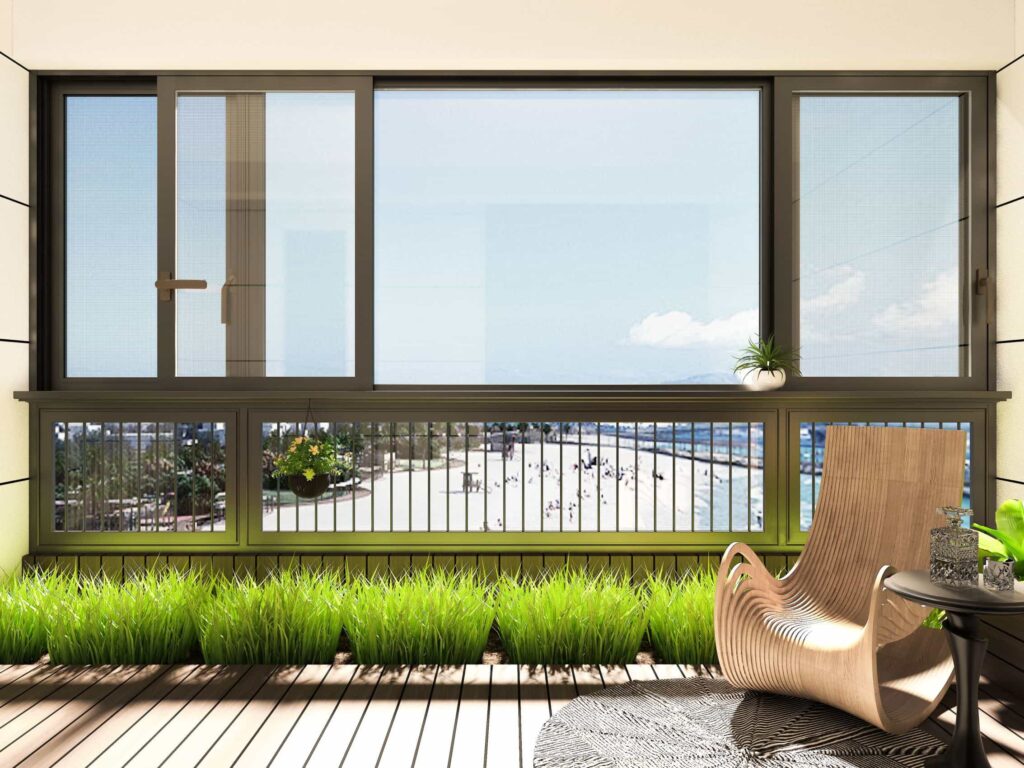
Panel configurations affect usable opening widths and operational convenience. Two-panel systems (one fixed, one operable) provide 50% ventilation area—a 2.4 m wide opening yields 1.2 m operable width. Three-panel configurations offer flexibility: XOX (both end panels slide to center) provides 66% ventilation, while OXO (center panel operable) maintains 33% but preserves symmetrical sightlines.
Corner solutions address L-shaped balconies through 90° corner posts (typically 100-150 mm wide) or frameless structural glazing systems using patch fittings. The latter maximizes transparency but requires 12 mm minimum tempered glass and specialized hardware rated for point-loading conditions.
Threshold types significantly impact accessibility and weather resistance:
- Standard thresholds (40-60 mm height): Maximum weather protection, suitable for exposed balconies
- Low-profile thresholds (20-25 mm): Improved accessibility while maintaining water infiltration resistance through sloped sill design
- Flush thresholds (0-5 mm): ADA-compliant accessibility requiring subsurface drainage systems and perimeter sealing
Ventilation and Security Features
Multi-point locking mechanisms engage the frame at 3-5 locations along the vertical stile, distributing force and enhancing security. Mushroom-cam locks provide anti-lift protection, while shootbolt systems extend rods into head and sill tracks. Hardware meeting DIN V ENV 1627 (RC2 rating) resists forced entry for 3+ minutes.
Restricted opening positions allow secure ventilation through adjustable stays or friction hinges limiting panel travel to 100-150 mm—sufficient for airflow while preventing unauthorized access or child safety concerns.
Integrated insect screens mount within track systems using retractable roller mechanisms (spring-loaded or motorized) or fixed frames with fiberglass mesh (18×16 weave). Motorized screens accommodate openings up to 6 m wide, retracting into 100-120 mm head boxes when not needed.
Commercial Evaluation and Supplier Selection
Total Cost of Ownership Analysis
Initial purchase price represents only 30-40% of lifecycle costs. Installation complexity varies by system—standard inline sliders require 4-6 labor hours per opening, while lift-and-slide systems demand 8-12 hours due to precise adjustment requirements. Factory pre-glazed units reduce field labor by 25-30% compared to site-glazed assemblies.
Warranty terms indicate manufacturer confidence: reputable suppliers offer 10-year coverage on mechanical components, 20-year glass seal warranties, and lifetime coverage on frame structural integrity. Verify warranty transferability for property resale scenarios.
Maintenance costs over 20 years include:
- Annual cleaning/lubrication: $50-80 per opening
- Roller replacement (years 8-12): $150-250
- Weatherstrip replacement (years 10-15): $120-180
- Hardware adjustment (as needed): $80-150
Premium systems with stainless steel components and EPDM gaskets minimize maintenance interventions, reducing total costs by 20-30% versus economy products requiring frequent service.
Vendor Assessment Criteria
Manufacturing certifications verify quality management systems—ISO 9001 ensures consistent production processes, while ISO 14001 demonstrates environmental responsibility. AAMA certification requires ongoing testing and factory audits, providing assurance of continued compliance.
Lead times vary from 4-6 weeks for standard configurations to 10-14 weeks for custom sizes or finishes. Suppliers maintaining regional inventory can expedite delivery but typically limit customization options.
After-sales support should include technical assistance for installation queries, replacement parts availability (minimum 15-year commitment), and field service capabilities. Evaluate supplier responsiveness through reference checks with previous clients.
Customization capabilities differentiate suppliers—assess flexibility in non-standard sizes (some manufacturers accommodate openings to 6 m × 3 m), custom color matching (RAL or powder coat), and hardware finish options (satin nickel, oil-rubbed bronze, matte black).
FAQ 모듈
Q1: What is the minimum glass thickness recommended for balcony sliding windows in coastal areas?
Coastal environments require a minimum of 6 mm tempered glass for panels up to 1.5 m², with thickness increasing to 8 mm for larger panels. Laminated glass (6 mm + 1.52 mm PVB + 6 mm) provides superior impact resistance against windborne debris in hurricane-prone regions. Specify Grade 5 anodizing or PVDF coatings on aluminum frames to resist salt spray corrosion per ASTM B117 (1,000+ hour exposure).
Q2: How do I determine the correct wind load rating for my building’s height and location?
ASCE 7 방법론을 사용하여 설계 압력 계산: 지역 건축 부서에서 기본 풍속(일반적으로 90~150마일)을 파악하고, 노출 카테고리(도심의 경우 B, 개방 지형의 경우 C, 해안의 경우 D)를 결정한 다음 높이 계수를 적용합니다. AAMA에서 제공하는 온라인 계산기를 사용하면 이 과정을 간소화할 수 있습니다. 30m가 넘는 건물의 경우 구조 엔지니어에게 의뢰하여 계산을 검증하고 국부적인 가속 효과를 고려하세요.
Q3: 슬라이딩 창문이 주거용 발코니의 비상구 탈출 요건을 충족할 수 있나요?
대부분의 슬라이딩 창은 운영상의 제약으로 인해 IRC R310.2 탈출 요건(최소 5.7ft² 개구부, 24인치 높이, 20인치 너비, 44인치 최대 창틀 높이)을 충족하지 못합니다. 대체 탈출 경로가 있는 발코니는 창문 탈출 규정 준수가 필요하지 않을 수 있으므로 현지 건물 관계자에게 확인하세요. 필요한 경우 완전히 열리는 여닫이 창문 또는 차양 창문을 지정하거나 발코니 인클로저 내에 별도의 비상구를 설치하세요.
발코니 생활 공간에 적합한 슬라이딩 창을 선택하려면 성능 사양, 규정 준수, 디자인 선호도 사이에서 균형을 맞춰야 합니다. 투명한 기술 데이터, 강력한 보증, 검증된 설치 지원으로 테스트를 거친 제품을 제공하는 공급업체를 우선적으로 고려하여 장기적인 만족과 재산 가치 향상을 보장하세요. 우수한 열 성능, 내후성, 운영 수명을 제공하는 프리미엄 시스템은 일반적으로 에너지 소비와 유지보수 비용 절감을 통해 8~12년의 투자 회수 기간을 달성할 수 있으므로 초기 비용보다는 총 수명 주기 가치에 초점을 맞춰 조달 결정을 내립니다. 설치 품질이 40~50%의 서비스 성능을 결정하므로 제조업체 사양을 잘 알고 있는 자격을 갖춘 설치 전문가에게 의뢰하여 적절한 고정, 내후성, 운영 조정을 보장해야 합니다. 프로젝트별 요구사항에 따라 자재, 구성, 공급업체의 역량을 체계적으로 평가하여 수십 년 동안 발코니를 편안하고 에너지 효율적인 생활 공간으로 바꿔주는 슬라이딩 창호 시스템을 자신 있게 선택할 수 있습니다.