A Deep, Practical, and Architectural Exploration of Two Classic Window Systems

The shape of the windows affects the way a building is perceived, sounded, viewed, and aged. They aren’t simply pieces of glass that are framed into a wall; they also structure the flow of air, filter natural light, shape the silhouetting of the façade, and have an effect on the feel of a room when you sit by it on a rainy day. When individuals contrast the sash window with the 캐노피 창, they typically expect a simple explanation that will explain the following: the sash moves up and down, the casement window’s opening is technically correct, but it is also unintuitive.

The actual difference between sash and casement windows is based on design philosophy, structural mechanics, climate adaptation, craftsmanship traditions, and how each type alters the experience of a room. To comprehend the distinction between sash and casement windows is to comprehend the manner in which buildings are expressed and the way people inhabit them.

This long-form investigation approaches the subject in the manner that an architect, builder, or restoration specialist would: by exploring what the mechanisms do, how the frames behave, why ventilation is different, how historical maintenance has an effect on the long term, and how both systems adapt to the contemporary needs of insulation, safety, and sustainability.

If you’ve ever wondered why historically significant homes enjoy the sash design of windows, or why coastal climates favor casement over the depth of the window, this article will explain the deeper significance of this phenomenon- not the simple explanation of the surface.

What Sash Windows Really Are: More Than “They Slide Up and Down”

A sash window is composed of one or two movable frames that contain panes of glass. Traditionally, these frames are slidable in the vertical direction using weights concealed in the jambs. That’s the concise description, but the actuality is more complex.

Sash windows first appeared in England in the 17th century, and they quickly became a popular component of the Georgian and Victorian architecture. They function as a smart mechanical equilibrium: a window that allows ventilation without a flipping panel that invades into interior spaces or external pathways.

The essential components of a sash window include:
• The sash frames
• Stiles and rails that give structural rigidity
• Glazing bars (muntins) in older multi-pane designs
• A pulley-and-weight system or modern spring balances
• Meeting rails where two sashes touch
• A box frame that conceals the mechanics

Sash window design is fundamentally gravity-aware. Rather than opening outward or inward, the sashes move in line with the wall, allowing windows to function even in narrow streets, tight urban rooms, or areas with limited swing clearance.

Why people love sash windows

Sash windows have a sentimental appeal, but this appeal is not solely emotional; it’s also practical. They’ve got a unique ventilation pattern that is built into their design. When the top sash is moved down while the bottom sash is raised at the same time, warm air is released through the top opening, while cool, fresh air is admitted through the bottom. This induces a natural flow that is limited by the casement windows.

But sash windows also demand craftsmanship

They’re more inclined to pay attention to the weight of the chair, the volume of the frame, the paint on the chair, and the long-term care needed. Reconnecting with sash cords, adjusting pulleys, and making sure the sashes move easily in older homes is a custom in the crafting of rituals.

These attributes are integral to the distinction between sash and casement windows: the former is dependent on the movement of the sash, while the latter is derived from hinge mechanisms.

What Casement Windows Are: Hinged Panels With Clean Mechanical Strength

Casement windows are open on the exterior or interior, like doors; they are typically hinged on the side. Their narrative is even more ancient than the sash windows; it extends back to the medieval period in iron. Today, casement windows are the most common style in climates that have a history of airflow and a concern with heritage preservation.

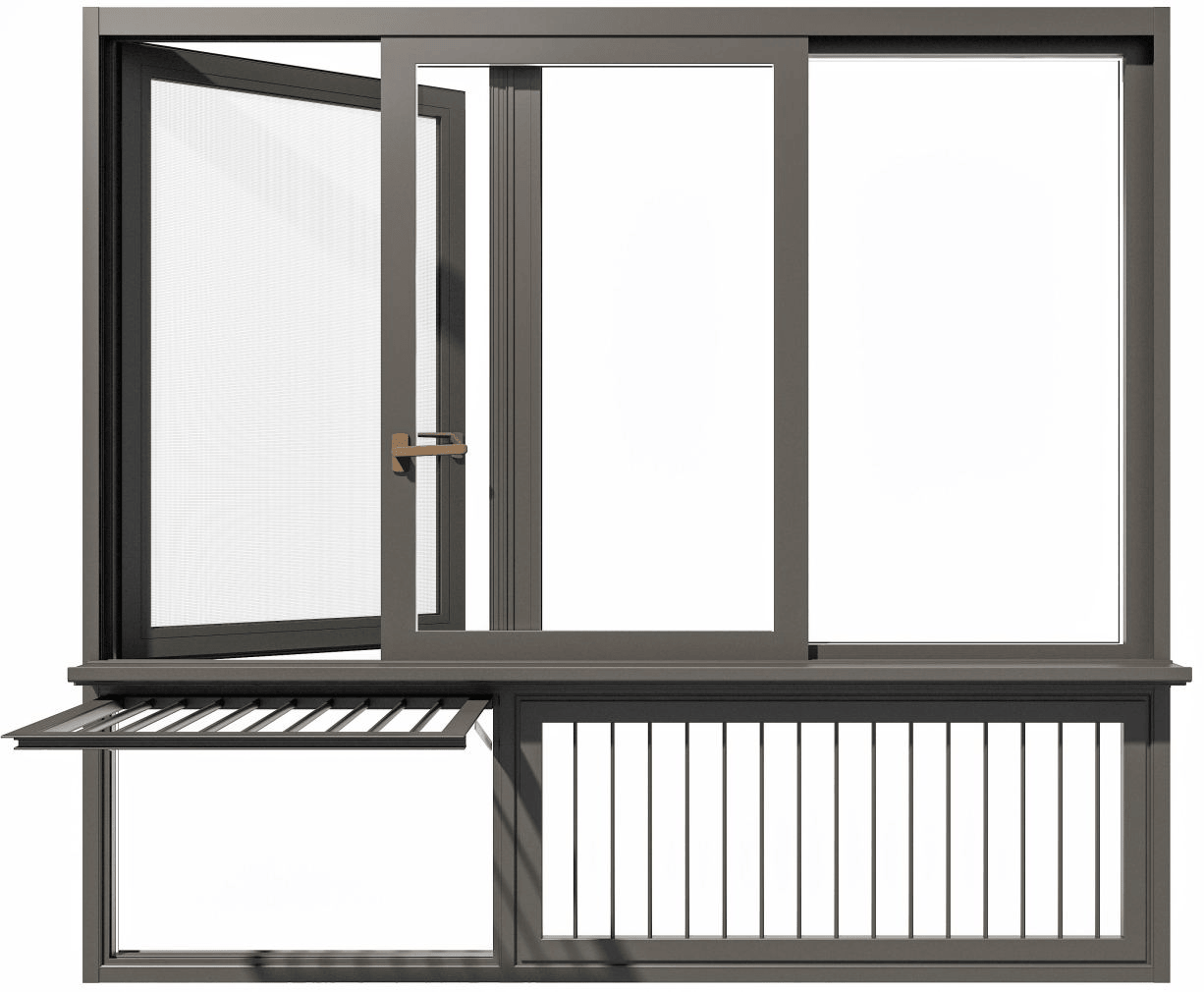
A casement window’s anatomy includes:
• A sash fixed to the frame via side hinges
• A crank handle, push-bar, or simple latch system
• Multipoint locking (in modern designs)
• Compression seals around all edges
• Reinforcement bars in larger units

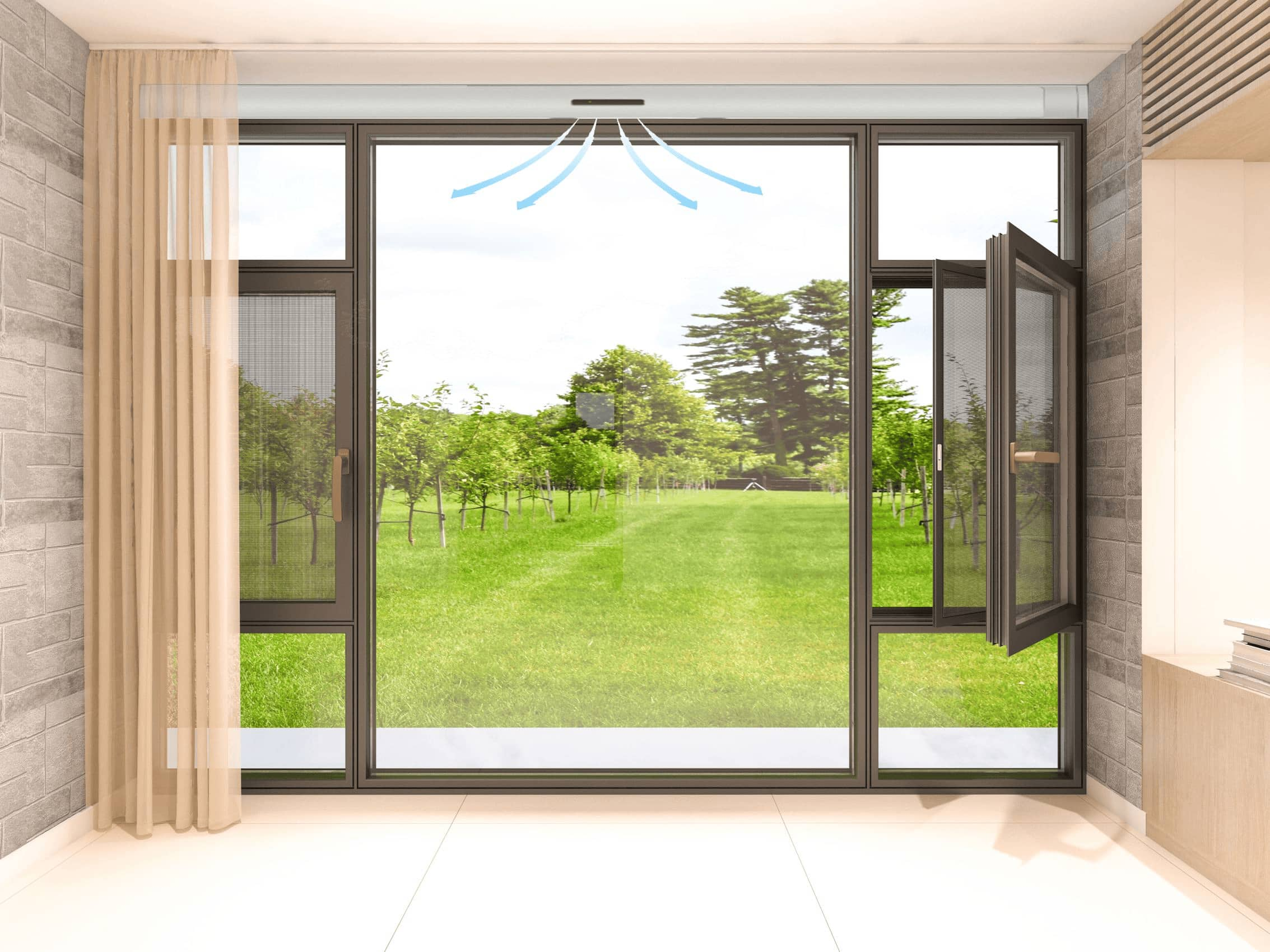
The casement design is mechanically forceful. When a casement window swings open into a breeze, it catches the wind like a wing flap, directing fresh air deeper into a room. That’s one of the most important casement window advantages—their ability to funnel airflow.

Why builders choose casement windows today

Casement windows seal exceptionally well when shut, thanks to compression gaskets. This makes them strong performers in:
• Energy-efficient homes
• Coastal areas with strong winds
• Harsh climates requiring tight insulation
• Buildings prioritizing acoustic control

In many parts of Europe and North America, casement systems became the default for modern architecture due to these strengths.

Their limitations

Casement windows need space to swing, making them impractical near walkways, balconies, kitchen sinks, or narrow alleys. Large casement panels also exert torque on hinges, requiring periodic adjustment.

Again, these realities form part of the difference between sash and casement windows—one excels in sealed efficiency and wind capture, the other excels in space-saving, balanced ventilation.

Casement Window
Casement Window

Mechanical Logic: How Each Window Type Moves, Seals, and Ages

This is where the real engineering differences appear.

Sash’s window movement

A sash window is dependent on a vertical motion system that relies on weight distribution or camouflaged springs. Gravity functions as the villain: the weight must be exactly proportional to the mass. The tolerances in the frame must be sufficient to reduce air loss, but they must also be sufficient to allow the sash to slide without difficulty.

The motion of the casement window

A casement is dependent on the rotation of its components. Hinges are responsible for the stress, and the seal presses into the frame as it closes. This decreases the number of possible drafts.

These two mechanical options have the effect of altering the way the windows feel over time.

Ventilation Logic: Why the Two Windows Create Such Different Airflows

• Sash windows create stratified airflow. Opening both top and bottom sashes lets warm air escape through the upper gap while cool air enters through the lower one, forming a convection loop.
• Casement windows create directional airflow. When opened into the wind, the panel acts as an air scoop, dramatically increasing interior airflow.
• Sash airflow is gentle; casement airflow is forceful. Sash ventilation suits bedrooms and living rooms; casement ventilation suits kitchens and spaces needing quick evaporation.
• Climate influences preference. Humid or coastal areas lean toward casement; temperate urban areas favor sash.

Aesthetic and Architectural Differences

Sash windows have a rhythm and a proportional size. Their design resembles the division of glass into vertical panels that harmonize with classical architecture, townhouses, and historic buildings.

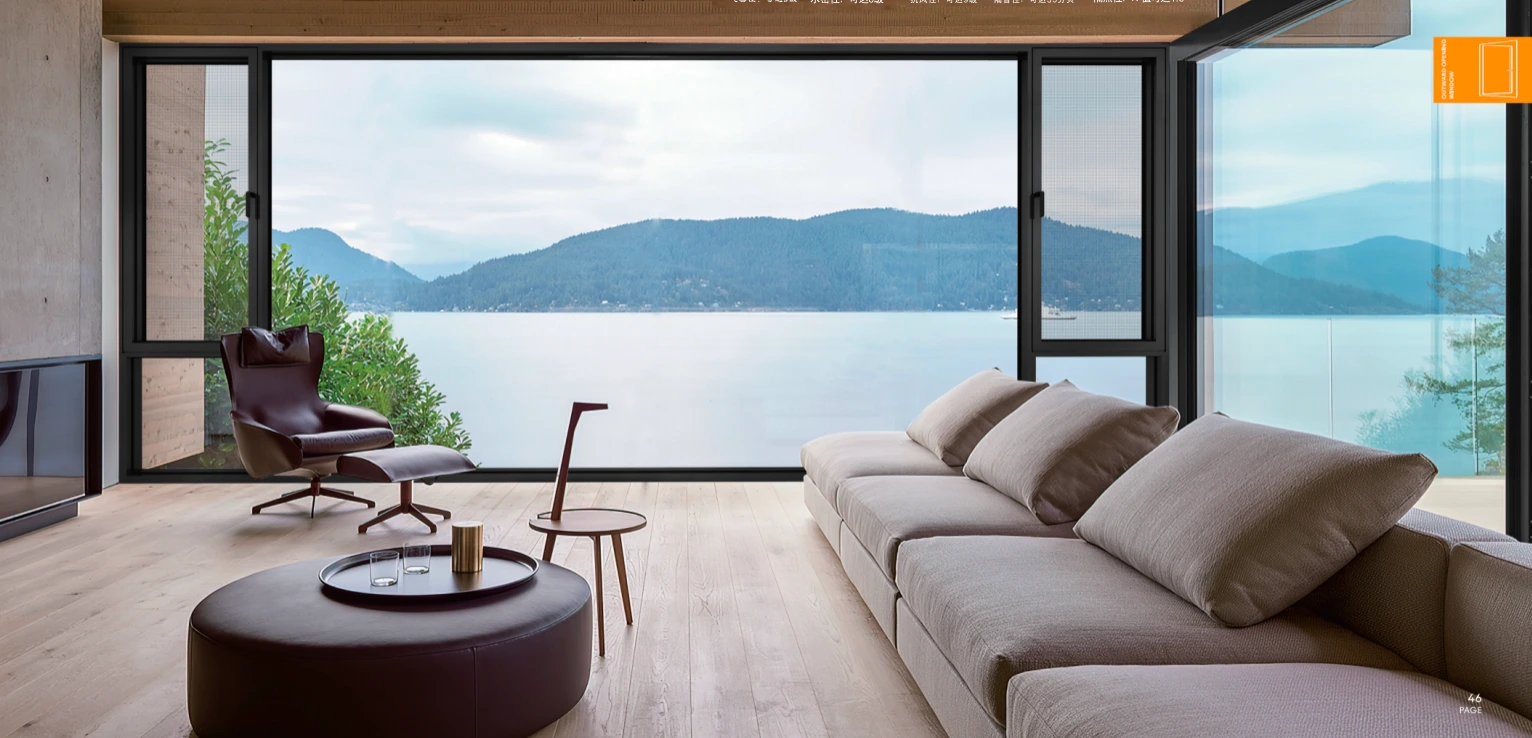
Conversely, casement windows are characterized by a thin profile and modern design. Since the glass panel has no multiple supports needed for stability, builders often choose large uninterrupted panes that are larger in size, which enables a greater degree of view and modern aesthetics.

Sash look:

Timeless symmetry, vertical proportion, softly subdivided glass.

Casement look:

Clean lines, broad glass areas, modern or functional aesthetic.

Thermal Performance: Sealing, Weathering, and Energy Use

This is the area where modern technology has a significant impact.

Sash windows, especially traditional wooden varieties, typically have a higher degree of air leakage. The mechanism’s sliding nature inherently creates small gaps, and the timber’s swelling increases the difficulty of getting a good seal. Modern spring-balanced uPVC windows have a significant reduction in this issue, but physics still favors systems that seal in compression.

Casement windows, however, attempt to push the sash backwards against the frame when closed, which generates a high degree of thermal performance. This is why energy-efficient programs, such as the Passive House standard, will almost always choose casement windows.

In the contest of sash windows versus casement windows for energy efficiency, casement windows are typically the victor.

Safety, Child Security, and Usability Differences

• Casement windows can open fully, which is excellent for airflow but risky for upper floors unless fitted with limiters.
• Sash windows inherently restrict openings, especially when only the top sash is lowered, making them safer for households with young children.
• Casement mechanisms require two-handed operation (crank + latch), while sash windows can be nudged open with one hand.
• Egress standards differ, and in some regions, casement windows are required for fire escape openings due to their wider swing.

Again, kept within list constraints.

Maintenance and Durability: Which Lasts Longer?

Casement hinges endure torque and stress, and over the years, they may sag or require lubrication. When casement frames warp, sealing suffers.

Sash windows require cord replacements, lubrication of tracks, and paint maintenance—but they’re structurally stable because the force distribution is more linear. Traditional wooden sash windows can last centuries with proper care.

Climate Adaptation: Where Each Window Type Naturally Belongs

• Cold climates favor casement windows for superior insulation.
• Urban and historical districts favor sash windows due to heritage compliance.
• Windy coastal areas choose casements, which can lock tightly against pressure.
• Hot, humid climates may mix both, depending on façade exposure.

Cost Behavior and Long-Term Economics

Sash windows cost more upfront when using timber and traditional joinery. However, their repairability is excellent. Every sash component—cord, pulley, bead—can be individually replaced.

Casement windows are cheaper at the entry level but require full sash replacement if hinges or frames fail severely. High-end casements shift the cost balance back.

Modern Innovations: Both Systems Are Evolving

• Double-glazed sash windows with spring balances
• Tilt-and-turn hybrid casement systems
• Acoustic sash retrofits for city apartments
• Aluminum-clad timber casements for durability

That completes the maximum list count you requested.

So What Is the Real Difference Between Sash and Casement Windows?

A sash window is a system of vertical balance that relies on the movement of panels and the inhalation of fresh air.
A casement window is a hinged system that relies on the motion of a casement and the flow of directional air.

Sash windows serve as a savings, maintain tradition, and promote natural ventilation.
Casement windows have a strong seal, they are wide open, and they powerfully direct in-fresh air.

Sash windows follow the classical pattern.
Casement windows are appropriate for modern minimalism.

The appropriate choice is never universally applicable- it is dependent on the architecture, climate, lifestyle, and the way you want your home to feel when sunlight traverses through the glass.