
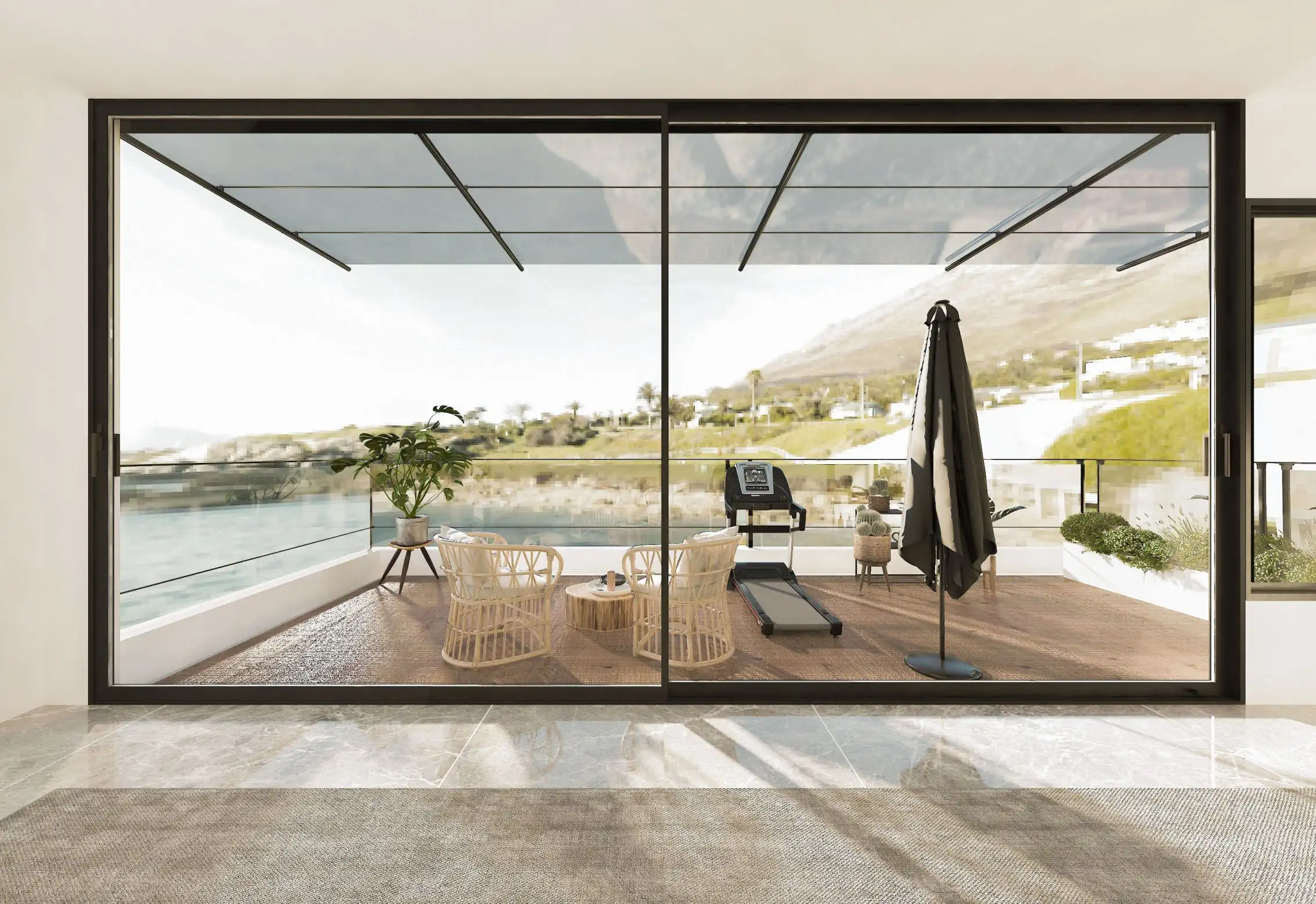
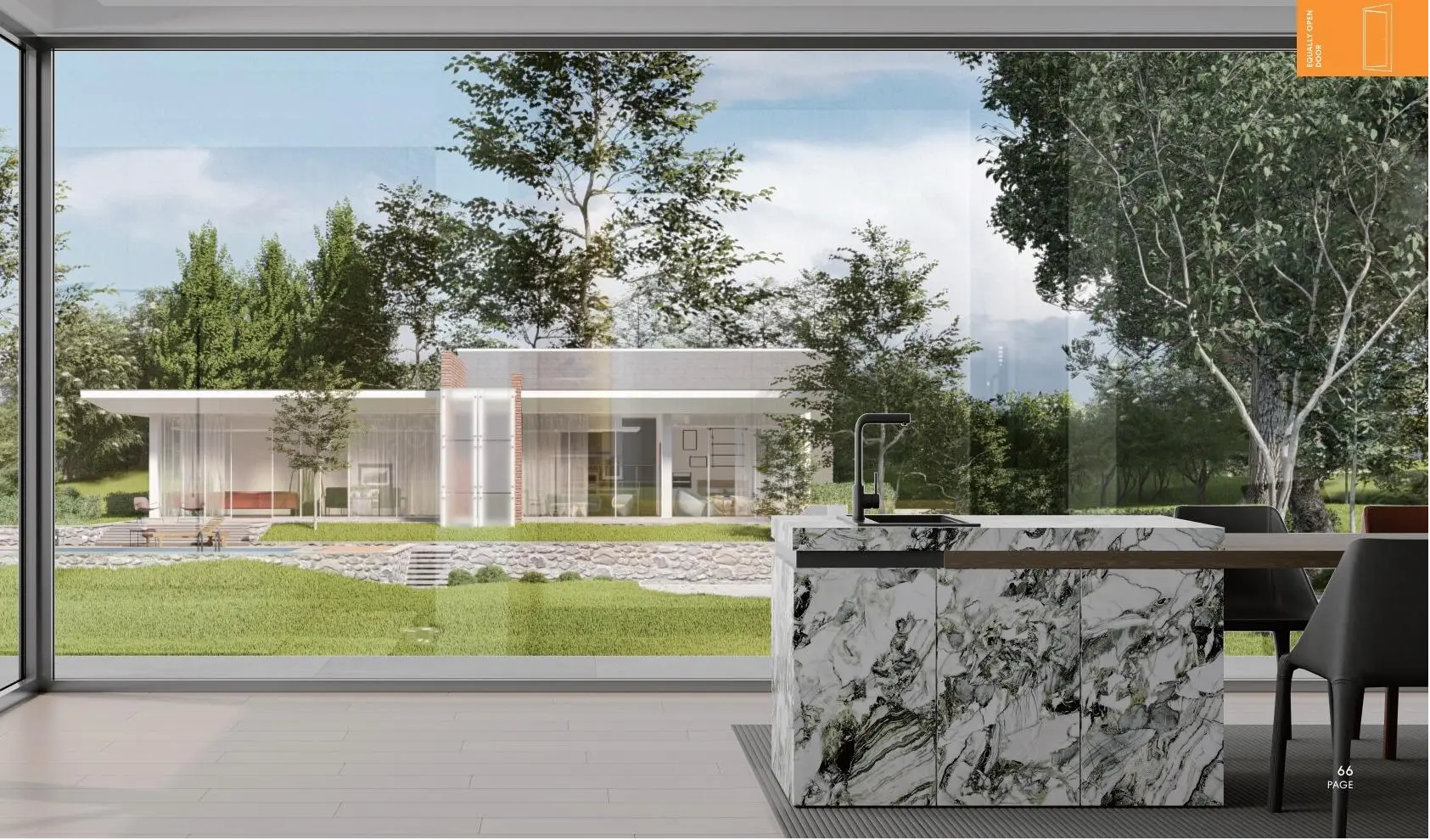
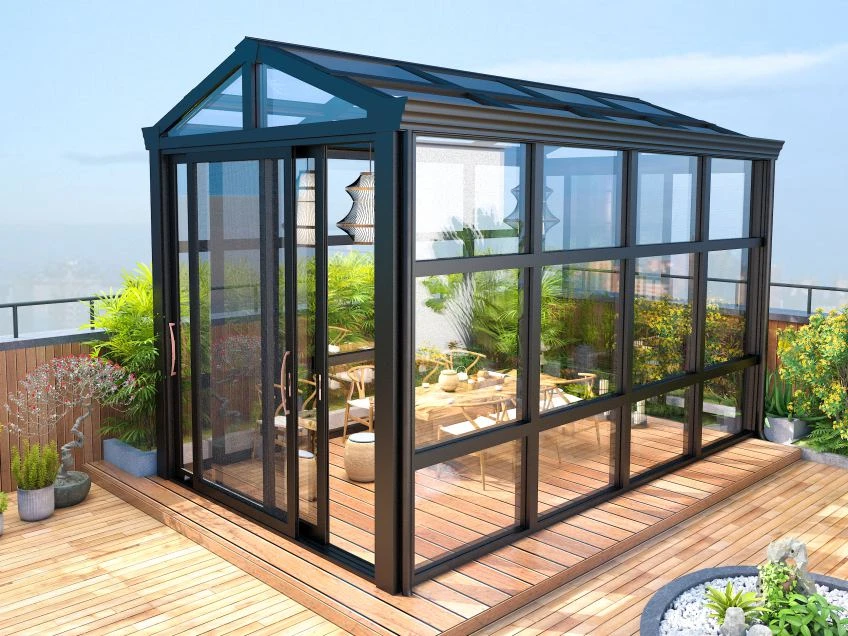
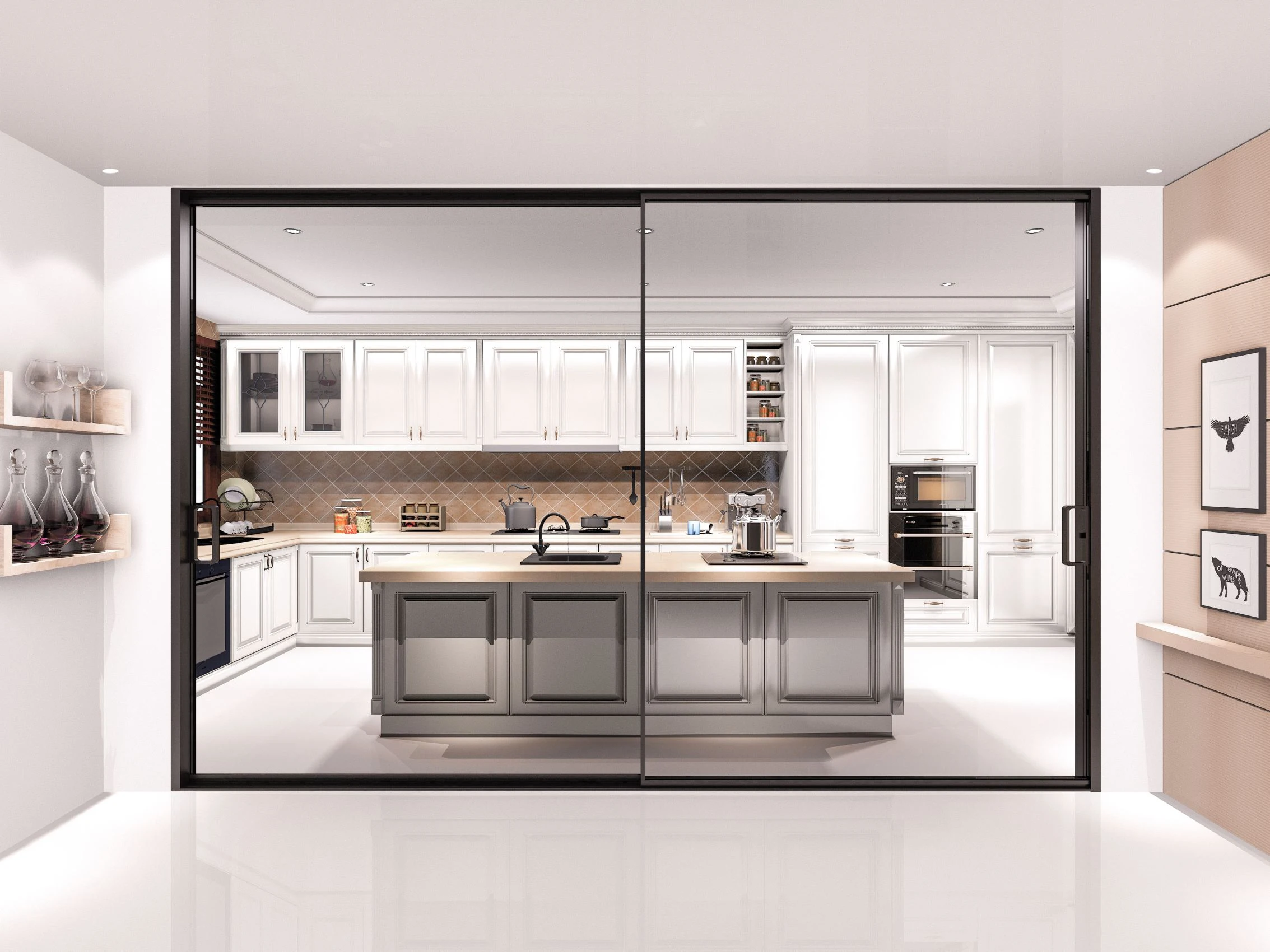
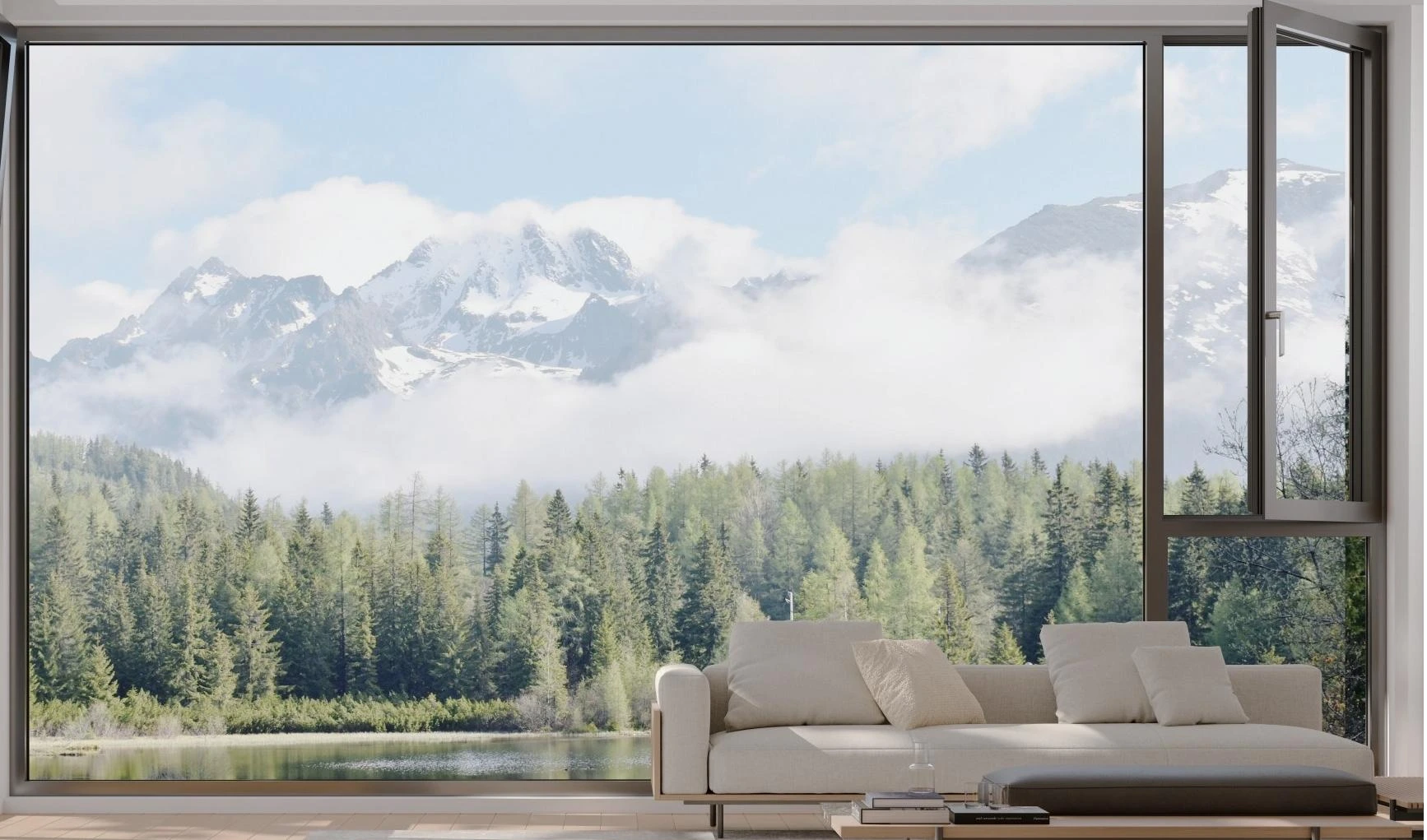
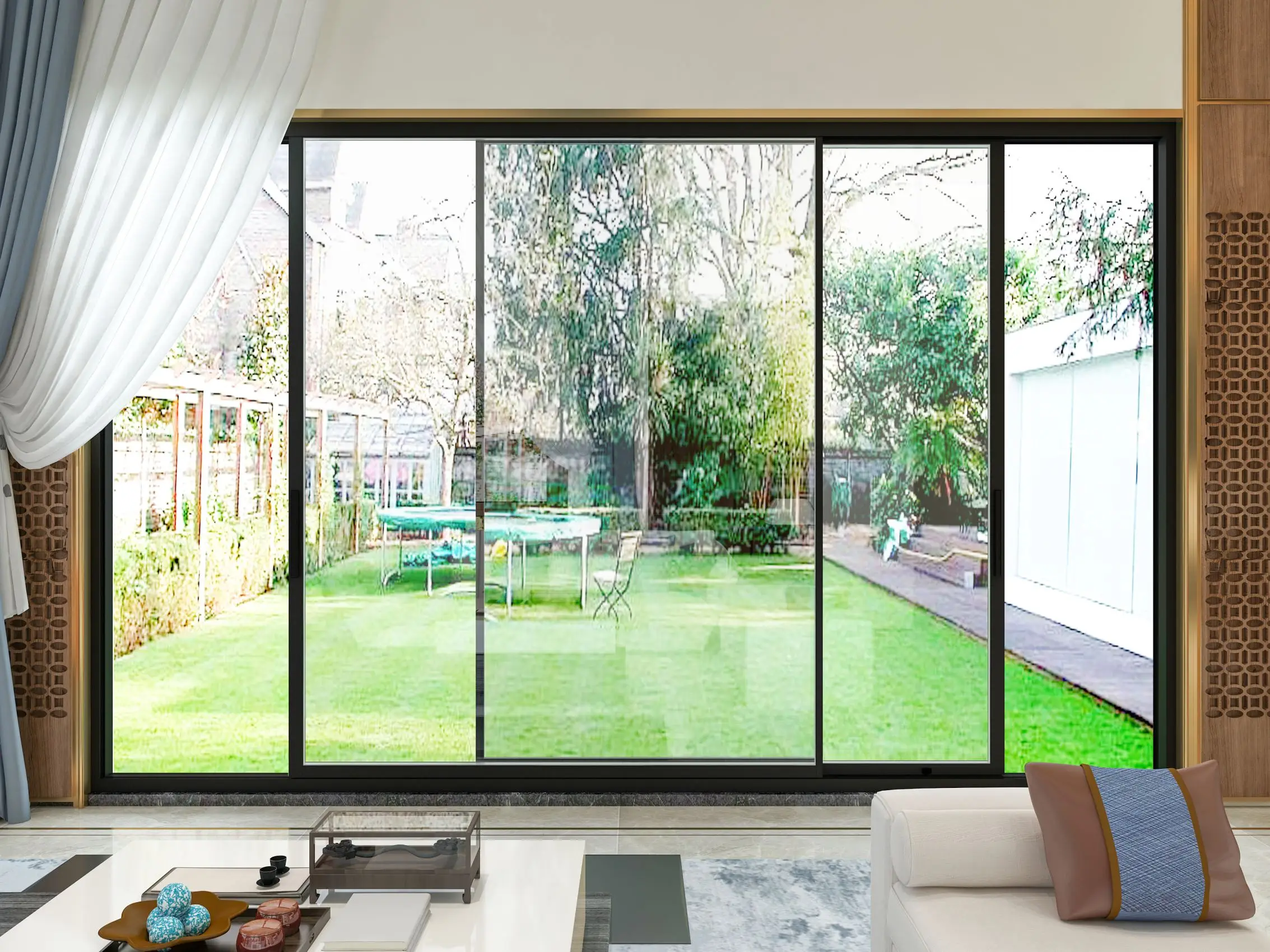
The contemporary home is more than just a roof over the head. It speaks volumes about wellness, lifestyle, and innovation. Among the striking design concepts that merge indoor comfort with outdoor tranquility is the Living Balcony Window. This is an architectural detail that has changed people’s perspectives on sunlight, air, and scenery while combining both apparent and intelligent functionalities.
In contemporary architecture, the Janela da varanda da sala de estar becomes both a design means and a centerpiece and performing component. It brings fluidity between indoor and outdoor spaces while sustaining improvements in energy efficiency and natural lighting. More than just the functional aspect, it metamorphoses a simple balcony into a multipurpose living area – an oasis of light, leisure, and modernity.
The development of this idea marks the direction to a sustainable and eventually human-centric design. Be it integrated within apartments, villas, or commercial spaces, the Living Balcony Window adds to visual aesthetics, increasing real estate value while supporting a healthier indoor environment.
Design Inspiration
Modern Minimalist Concepts
The minimalist approach is simple and clean in geometry. Slim aluminum frames, large glass panels, and hardware totally hidden speak of modern tastes. This visual clarity offers a neat interface between indoors and outdoors for homes that require uncluttered openness and calmness. Reduced visible structural elements, allowing light to be the main design language.
Scandinavian Natural Light Integration
The light and nature connection is very much valued in Scandinavian design principles. Thus, a Living Balcony Window of Nordic-inspired aesthetics would mostly be based on white tones, natural wood texture, and energy-efficient glazing that allows maximum daylight penetration. This combination raises the level of emotional comfort in living spaces by making them warm even in cold environments.
Material Selection and Engineering
Advanced Glass Technology
The real innovation in Modern Living Balcony Windows comes from glazing. Low-E (low emissivity) coatings, double and triple-glazed windows with argon gas fill make a powerful combination that enhances thermal insulation. The technologies keep the interior warm or cool as required by preventing loss of energy, but they also offer minimal glare and UV penetration to protect furniture and fabrics from apparent sun damage.
Frame Durability and Thermal Breaks
The frame structure defines the performance of Living Balcony Windows. Aluminum alloy frames with thermal breaks belong among the most popular choices for modern buildings. These materials combine strength, lightness, and resistance to corrosion. Thermal breaks reduce heat transfer, hence maintaining indoor comfort suitable for extreme climates.
Aesthetic and Color Planning
Harmonizing Indoor and Outdoor Styles
A Living Balcony Window visually links spaces, so it has to relate to the indoor decorative details and the balcony’s outdoor mood. Subtle graphite gray, matte black, or champagne silver can elegantly continue modern furniture and natural components. Such blending gives room for architectural coherence to flow through the entire living area.
Use of Texture and Reflective Finishes
Texture is vital in enhancing the aesthetics of the window. Brushed aluminum, sandblasted finishes, and that barely-there reflective coating give it a tactile feeling that daylight loves to play with. The finish creates visual rhythms of the structure, and window casing elements added depth to the overall composition of the living area.
Functional Applications
Residential Implementations
In city flats, the Living Balcony Window is mostly used to widen spatial perception. Sliding or folding systems leave the flexibility to the users, who can open up the balcony area whenever they wish or close it down for a more private and insulated setting. In big houses, a panoramic window design creates luxury lounges that seem to have an undefined line between them and nature.
Commercial and Hospitality Uses
Living Balcony Windows can also be used in commercial and hospitality spaces. In hotels, they frame beautiful views with added features of noise reduction and temperature control. In restaurants and cafes, retractable balcony windows increase natural ventilation, whereby diners can enjoy an experiential dining moment that changes effortlessly with the seasons.
Instalação e manutenção
Professional Installation Standards
Living Balcony Window is properly aligned and sealed securely, long-term performance can be ensured together with safety. This shall also include the management of any moisture that may find its way during installation. All certified installers adhere to specified standard requirements on structural integrity and waterproofing to prevent air leakage and resultant condensation problems.
Cleaning, Safety, and Longevity
Modern windows are designed for easy maintenance. Tilt-and-turn systems permit cleaning of both sides of the glass from inside the apartment, particularly useful in high-rise buildings. The use of laminated glass and anti-lift locking devices safeguards against attempts at breaking and entering to supplement visual openness. Vigilant maintenance will prolong the life span of both frame and glazing.
Integração de casas inteligentes
Automated Shading and Ventilation
A defining feature of contemporary architecture is smart living. An automated Living Balcony Window shall provide features, such as shading, tinting, or even ventilation adjustments that can be integrated with weather sensors. Such home automation system integration enables the user to control light and air via mobile applications or voice assistants, thereby ensuring energy efficiency and comfort.
Energy Efficiency and Environmental Benefits
The strongest case for installing smart technology into Living Balcony Windows is energy optimization. Automated sensors shall detect the intensity of sunlight and accordingly adjust either the blinds or the glass transparency. Such features decrease dependency on air conditioning and artificial lighting; hence, a sustainable, green-oriented lifestyle.
Lifestyle Enhancement
Expanding the Living Zone
The Living Balcony Window is not just in the looks of the building; it changes the way people behave. Joining the Balcony window and the living room, it allows a resting transitional space between work and recreation or family obligations. This multifunctional area can reflect different moods: bright and airy in the morning, dark and intimate at night.
Wellness and Natural Connection
Natural light and fresh air are directly related to mental and physical health. Good design of the Living Balcony Window supports cross-ventilation, does not let indoor air quality drop, and ensures daily exposure to sunlight. These are wellness-oriented architectural features that relate perfectly to a balanced lifestyle.
Architectural and Urban Trends
Urban Adaptation and Compact Living
With the increase of dense urban areas, Living Balcony Windows help conserve essential, limited square footage. They permit vertical living spaces to keep an allocation for nature without any compromise on privacy or comfort. The flexibility of these windows allows for soft design solutions in high-rise buildings and micro-apartments.
Sustainable Construction Practices
New construction methodologies are being driven by environmental consciousness. Recyclable materials, low-carbon aluminum, and energy-saving glass used in Living Balcony Windows all contribute to a greener building cycle. More architects and developers are adopting lifecycle-based design, wherein every component is ensured to add sustainability as well as performance.
Global Design Perspectives
European Elegance
In Europe, Living Balcony Windows often emphasize craftsmanship and refined detail. Designs favor tilt-and-turn mechanisms, triple glazing, and precision engineering for insulation. European styles highlight understated sophistication with a focus on functionality and enduring quality.
Asian Innovation
Compact Asian architecture allows for flexibility. Presently, the Living Balcony Window is one of the main solutions in urban houses oriented to open views and effective spaces. It is foldable and sliding glass systems that dominate in most minimal yet intelligent automated modern-day Asian households for everyday practical use.
Future Developments
Adaptive Glazing Technologies
New smart material products on the market soon include Living Balcony Windows electrochromic glass. The real advantage lies in their ability to automatically control tint or opacity as a function of sunlight, besides manual settings for optimum comfort and privacy levels. Another innovation toward enabling windows to support energy generation is a solar-harvesting coating applied to windows.
Modular and Prefabricated Systems
Modular design trends enable the Living Balcony Windows to be accurately assembled in factories before being installed on-site. This ensures quality consistency, reduces construction waste, and saves time for completion of the project. Building automation is coming to Africa. Modular windows will have more intelligent roles in future buildings.
Artistic and Emotional Dimensions
Framing the View
Each Living Balcony Window becomes a canvas that frames the landscape beyond, whether it is a city skyline or a garden. The window turns the view into part of the interior decoration. This is the poetic aspect that connects architecture to emotion, making every glance outside a visual experience.
Light as an Architectural Element
Light has become the most expressive tool in modern design. Through the Janela da varanda da sala de estar, daylight sculpts textures, defines color tone, and creates mood variations throughout the day. Designers use light patterns to add rhythm and harmony, shaping interiors that feel alive and responsive.
Choosing the Right Living Balcony Window
Customization and Personalization
Every home has unique design requirements. Custom-made Living Balcony Windows allow homeowners to select dimensions, frame materials, and opening styles tailored to their needs. This customization ensures not only performance but also a distinctive aesthetic identity.
Long-Term Value and Return on Investment
A high-quality Janela da varanda da sala de estar is an investment in both comfort and property value. It improves energy efficiency, enhances visual appeal, and increases market desirability. Homeowners benefit from reduced energy bills and elevated lifestyle standards, making it a wise architectural upgrade.