
The market for windows is vast, but not all manufacturers adhere to the same standards of quality, durability, and customer support. Whether you are a contractor sourcing for a large-scale commercial development or a homeowner planning a renovation, the selection process should focus on three core areas: material quality and engineering precision, energy performance and third-party certifications, and customization capabilities backed by comprehensive warranty protections. By examining these pillars in detail, you can identify a fereastră batantă manufacturer that balances durability, efficiency, and long-term value. Each of these factors interacts with the others; for instance, high-quality materials contribute to energy efficiency, while a strong warranty reflects confidence in both materials and engineering. Understanding these interconnections will empower you to make a truly informed decision.
1. Material Quality and Engineering Precision
The foundation of any high-performing casement window lies in the materials used and the precision with which they are engineered. Unlike double-hung windows, which slide vertically, casement windows rely on a single locking point mechanism and a crank system that must endure repeated use over decades. A reputable casement window manufacturer will prioritize structural integrity from the outset, recognizing that inferior materials lead to warping, air infiltration, and premature failure.
Frame Materials: Comparing Vinyl, Fiberglass, Aluminum, and Wood
The choice of frame material dictates the window’s lifespan, maintenance requirements, thermal performance, and overall aesthetic appeal. Each material has distinct characteristics that suit different climates, architectural styles, and budget considerations.
Vinyl (uPVC): This is one of the most popular choices due to its affordability, low maintenance, and excellent thermal insulation. High-quality vinyl frames are fusion-welded at the corners (rather than mechanically fastened with screws) to prevent water infiltration and improve structural rigidity. When evaluating a casement window manufacturer, look for those using virgin vinyl with ultraviolet (UV) stabilizers to prevent yellowing and brittleness over time. Multi-chambered frame designs also improve thermal insulation by creating air pockets that slow heat transfer. The thickness of the vinyl walls—typically measured in millimeters—is another indicator of quality; premium manufacturers use thicker extrusions (1.8 mm or more) that resist flexing under wind load.
Fiberglass: Known for its exceptional strength and dimensional stability, fiberglass frames are less prone to expansion and contraction with temperature changes. This makes them ideal for extreme climates where temperatures fluctuate dramatically between seasons. A manufacturer specializing in fiberglass often provides frames that are up to eight times stronger than vinyl, ensuring the sash remains square and operational for decades. Fiberglass can also be painted in the factory to match any color specification, offering design flexibility without the maintenance burden of wood.
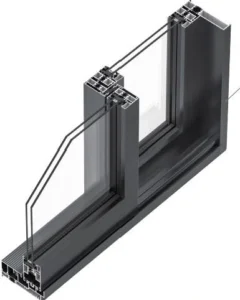
Aluminum with Thermal Breaks: While aluminum is exceptionally strong and allows for slim sightlines that maximize glass area, it is highly conductive. Without intervention, aluminum frames can become thermal bridges that transfer heat and cold, leading to condensation and energy loss. Top-tier manufacturers address this by incorporating thermal breaks—non-conductive barriers (typically polyamide or polyurethane) placed between the interior and exterior metal sections. When selecting a casement window manufacturer, ask whether their aluminum products include thermal breaks and request the specific U-factor data to verify performance.
Wood: Wood windows offer unmatched natural beauty and insulation properties. However, they require regular maintenance (painting or staining) to protect against moisture and decay. A quality casement window manufacturer offering wood windows will typically use species like mahogany, oak, or Douglas fir, often with aluminum cladding on the exterior to reduce maintenance.
Hardware and Mechanical Components: The Engine of the Window
The hardware is the engine of a casement window. The operator (crank), hinges, and lock must be engineered for smooth operation, security, and longevity. A reliable casement window manufacturer will source hardware from established brands such as Roto, Truth Hardware, or Siegenia and conduct rigorous cycle testing to validate performance.
Industry standards, such as those set by the American Architectural Manufacturers Association (AAMA) and the Window & Door Manufacturers Association (WDMA), often require hardware to withstand 10,000 to 20,000 open-close cycles without failure. For coastal applications, stainless steel hardware is essential to resist salt corrosion. When evaluating a casement window manufacturer, inquire about the following:
Operator Type: Heavy-duty operators with sealed gearboxes provide smoother operation and longer life than basic models.
Hinge Design: Concealed hinges offer a cleaner look and better security than exposed hinges.
Locking Mechanism: Multi-point locking systems (where the handle engages multiple points along the frame) provide superior compression against weatherstripping, improving both security and airtightness.
Table 1: Comparative Analysis of Casement Window Frame Materials
| Material | Strength | Thermal Efficiency | Maintenance Level | Typical Lifespan | Cost Range |
|---|---|---|---|---|---|
| Vinyl (uPVC) | Moderate | Excellent | Very Low | 20–30 Years | $ |
| Fiberglass | Very High | Excellent | Very Low | 40–50 Years | $$$ |
| Aluminum (Thermally Broken) | High | Good | Low | 30–40 Years | $$–$$$ |
| Wood (Clad) | Moderate | Excellent | Moderate | 30–50 Years | $$$–$$$$ |
2. Energy Efficiency Ratings and Certifications
In an era of rising energy costs and increasing environmental awareness, the thermal performance of windows is non-negotiable. The right casement window manufacturer will provide transparent data on energy efficiency, backed by independent testing. Casement windows inherently have a tight seal because the sash compresses against the frame when closed, often outperforming sliding or single-hung styles. However, the actual efficiency depends on the glass package, frame design, and the manufacturer’s quality control during assembly.
Understanding NFRC Labels and Key Performance Metrics
The National Fenestration Rating Council (NFRC) provides a standardized system for comparing window energy performance. This independent, non-profit organization tests and certifies windows, allowing consumers to make apples-to-apples comparisons. When evaluating a casement window manufacturer, look for products with NFRC labels that detail several critical metrics:
U-Factor: Measures how well the window insulates. Lower numbers (0.20 to 0.30) indicate better insulation. For cold climates, a U-factor of 0.25 or lower is ideal. A casement window manufacturer that achieves U-factors below 0.25 typically uses triple glazing, warm-edge spacers, and multiple chambers in the frame.
Solar Heat Gain Coefficient (SHGC): Measures how much solar radiation passes through the window. Lower SHGC (0.20–0.30) is beneficial in hot climates to reduce cooling loads, while higher SHGC (0.40–0.60) is desirable in cold climates to harness passive solar heating.
Visible Transmittance (VT): Indicates how much natural light passes through. Higher VT (0.50–0.70) maximizes daylight, but there is often a trade-off with SHGC.
Air Leakage (AL): This is critical for casement windows, as their primary advantage over other styles is airtightness. A lower AL rating (≤ 0.1 cfm/ft²) signifies superior airtightness, reducing drafts and energy loss. A quality casement window manufacturer will consistently achieve air leakage ratings as low as 0.03 cfm/ft² through precision engineering and robust weatherstripping.
Glazing Options, Gas Fills, and Spacer Technology
The glass package significantly impacts overall performance. Advanced manufacturers offer a range of glazing options that can be tailored to specific climate zones:
Double vs. Triple Glazing: Triple glazing (three panes of glass) adds two additional layers of insulation, reducing U-factors by 30–40% compared to standard double glazing. However, it also increases weight and cost. A reputable casement window manufacturer will help you determine whether triple glazing is cost-effective based on your local climate and energy costs.
Gas Fills: Inert gases such as argon and krypton are used to fill the spaces between panes, reducing convective heat transfer. Argon is cost-effective and suitable for most applications, while krypton offers superior performance for very thin gaps in triple-glazed units.
Low-E Coatings: Low-emissivity (Low-E) coatings are microscopically thin, virtually invisible layers of metal oxide applied to glass surfaces. They reflect infrared heat while allowing visible light to pass. Spectrally selective Low-E coatings can be optimized for different climates—high-solar-gain for cold regions and low-solar-gain for hot regions.
Warm-Edge Spacers: Traditional aluminum spacers conduct heat, creating a thermal bridge at the glass edge. Warm-edge spacers (made from materials like stainless steel, foam, or silicone) reduce heat transfer and minimize condensation risk. A casement window manufacturer that uses warm-edge spacers demonstrates attention to detail that contributes to overall energy performance.
Table 2: Impact of Glazing Options on U-Factor (Typical Values)
| Glazing Configuration | U-Factor Range | Best Suited Climate |
|---|---|---|
| Double Glazing, Air Fill, No Low-E | 0.48 – 0.55 | Mild climates |
| Double Glazing, Argon Fill, Low-E | 0.28 – 0.32 | Mixed climates |
| Double Glazing, Krypton Fill, Low-E | 0.25 – 0.28 | Cold climates |
| Triple Glazing, Argon/Krypton, Low-E | 0.18 – 0.22 | Very cold climates |
3. Customization Capabilities and Warranty Protections
A window that does not fit properly, does not match the architectural style, or fails prematurely can lead to water damage, mold, and costly replacements. Beyond the base product, the flexibility of a casement window manufacturer to accommodate unique architectural requirements and the strength of their warranty are decisive factors that separate premium suppliers from commodity producers.
Customization for Architectural Integrity and Design Vision
No two buildings are exactly alike. A quality casement window manufacturer should offer a range of customization options to match the architectural style and functional needs of each project. This is particularly important for historic renovations, modern custom homes, and commercial projects where standard sizes and finishes are insufficient.
Size Variations: Standard sizes may not suffice for non-standard openings. Look for a casement window manufacturer that can produce non-standard dimensions without compromising structural integrity. Premium manufacturers can accommodate widths up to 36 inches and heights up to 72 inches or more for a single casement unit, though larger sizes may require reinforced frames or specialized hardware.
Color and Finish Options: Aesthetics matter significantly. Leading manufacturers offer a wide palette of colors, including dual-color options where the exterior finish differs from the interior. For aluminum or fiberglass, factory-applied finishes such as Kynar 500 paint provide superior durability (20–30 years) compared to field-painted alternatives. Some vinyl manufacturers now offer laminated finishes that resist fading and can mimic wood grain textures.
Grid Patterns and Glass Types: Simulated divided lites (SDL) or grilles-between-the-glass allow for traditional appearances without compromising cleaning ease. For those seeking custom casement window solutions, specialized glass options should also be available, including:
Impact-resistant glass: Required in hurricane-prone regions (Miami-Dade County approved).
Laminated glass: Provides enhanced security and sound reduction (up to 50% reduction in noise transmission).
Tempered glass: Required for safety in certain locations (e.g., near doors or floors).
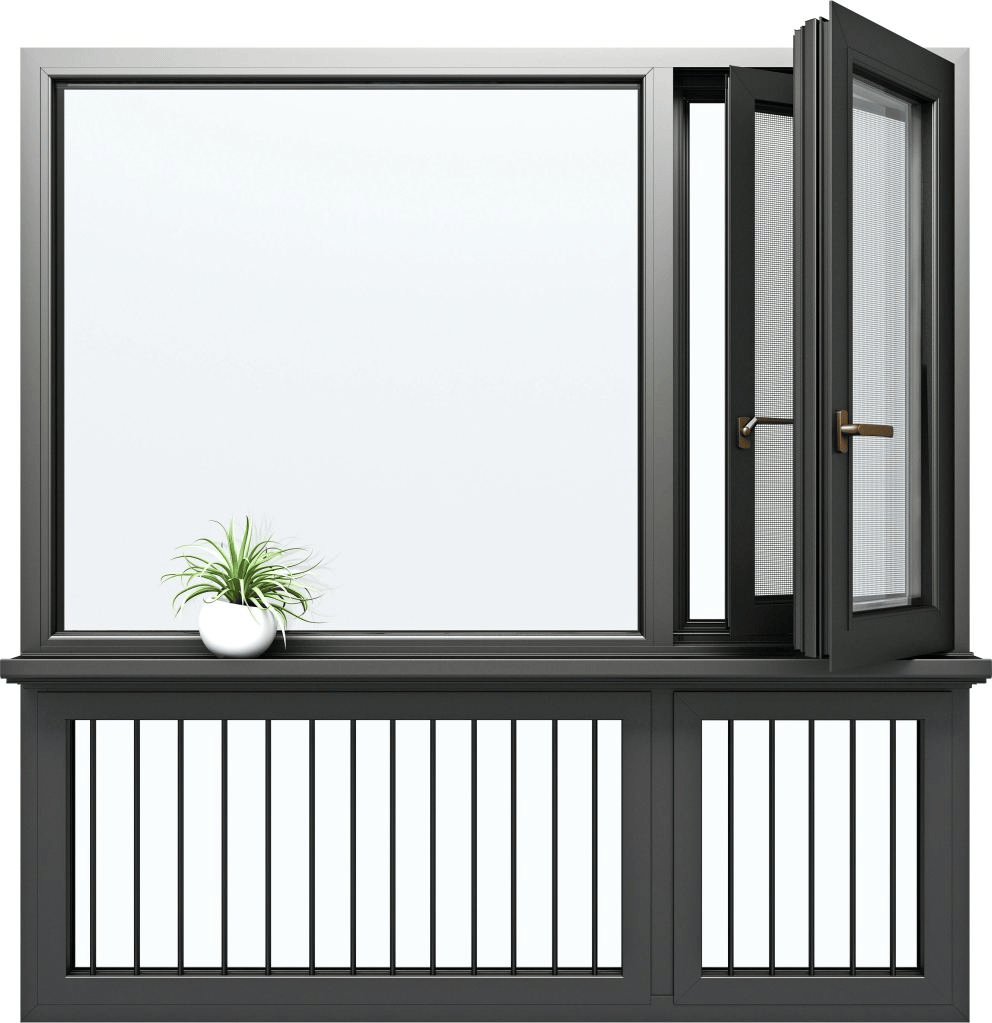
Screen Integration: A thoughtful casement window manufacturer will offer retractable or hinged screen options that do not interfere with the crank operation.
Decoding the Warranty and After-Sales Support
A warranty is the manufacturer’s commitment to their product. However, not all warranties are created equal, and the fine print often reveals significant differences. When vetting a casement window manufacturer, scrutinize the warranty terms with the same rigor applied to materials and performance.
Coverage Duration and Scope: Does the warranty cover the frame, glass, and hardware for 10 years, 20 years, or a lifetime? A reliable window manufacturer with warranty that is fully transferable to subsequent homeowners can add significant resale value to a property. Look for warranties that explicitly cover:
Frame and sash: Against defects in material and workmanship.
Glass: Against seal failure (fogging between panes) and breakage under normal conditions.
Hardware: Against corrosion and mechanical failure.
What Is Excluded: Some manufacturers exclude labor costs, meaning you pay for installation even if the product fails under warranty. Others prorate coverage, reducing compensation over time. A transparent casement window manufacturer will clearly state what is covered and for how long, without hidden exclusions.
Environmental Coverage: Ensure the warranty covers performance in your specific climate. For coastal regions, you need explicit coverage against salt corrosion. For areas with extreme temperature fluctuations, coverage against warping or thermal stress is essential.
Registration Requirements: Some warranties require online registration within a specific timeframe (e.g., 90 days after purchase) to remain valid. A reliable casement window manufacturer will make this process straightforward and well-communicated.
Conclusion: Building Confidence Through Due Diligence
Selecting a casement window manufacturer is a decision that influences energy bills, home comfort, and long-term property value for years to come. By focusing on material quality and engineering, verifying energy performance through NFRC certified window performance ratings, and demanding strong customization and warranty protections, you can separate exceptional manufacturers from average ones. Remember that the lowest upfront cost often leads to higher expenses later through repairs, higher utility bills, or premature replacement—a principle known as the “buy cheap, buy twice” phenomenon.
Taking the time to research a casement window manufacturer—visiting showrooms, requesting detailed specifications, reading independent reviews, and verifying certifications—ensures that the windows you install will operate smoothly, withstand the elements, and enhance the beauty and value of your space. In an industry where precision, durability, and transparency matter, the right partner makes all the difference between a source of frustration and a source of lasting satisfaction.