
Introducere
Choosing the right window system for a residential or commercial project is rarely a simple decision. With so many configurations on the market, architects, builders, and homeowners alike often find themselves weighing trade-offs between cost, performance, and aesthetics. One of the most common debates centers around track configuration: Should you go with a standard two track sliding window, or is the three track sliding window worth the additional investment?
The answer depends largely on your specific needs—climate, building type, desired ventilation, and long-term energy goals all play a role. But if you’re looking for superior airflow, better noise insulation, and a system that can stand up to extreme weather, three track sliding windows are increasingly becoming the preferred choice for modern construction. Let’s break down the differences so you can make an informed decision.
Understanding the Basics: Two Track vs Three Track Configurations
Before diving into performance comparisons, it helps to understand what these terms actually mean. A two track sliding window features two parallel tracks within the frame, accommodating either one fixed sash and one movable sash, or two operable sashes that slide horizontally. This is the traditional sliding window design that has been used for decades—simple, reliable, and budget-friendly.
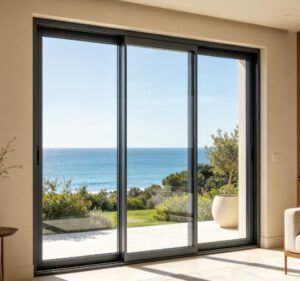
A three track sliding window, by contrast, incorporates three separate tracks, typically supporting three sliding panels. This extra track allows for greater flexibility in how much of the window opening you can utilize. You can slide one, two, or all three panels to achieve varying degrees of ventilation and openness. While this sounds like a minor difference on paper, the practical implications are substantial.
The fundamental distinction comes down to opening capacity. A standard two track configuration typically allows you to open about 50% of the total window area—one panel slides behind the other, but half the opening remains covered. With a three track system, you can open up to two-thirds of the total aperture, as two panels can slide behind the third. That extra 15-20% of open space makes a world of difference in how a room feels and functions.
Ventilation and Airflow: Where Three Track Windows Excel
If there’s one area where three track sliding windows clearly outperform their two track counterparts, it’s ventilation. The ability to open a larger portion of the window translates directly into better airflow, which is particularly valuable in warm climates or spaces that tend to feel stuffy.
Two track sliding windows, with their 50% maximum opening, can struggle to provide adequate cross-ventilation, especially during peak summer months when fresh air circulation is most needed. In hot, humid regions, this limitation can make indoor environments uncomfortable and drive up reliance on air conditioning.
Three track sliding windows, on the other hand, allow you to open up a significantly wider portion of the window. This promotes natural cross-ventilation that can dramatically improve indoor air quality. In city apartments where air circulation is often compromised, this feature alone can justify the upgrade. For homeowners who want to reduce their cooling costs and enjoy more fresh air, the three track design delivers a tangible benefit that two track systems simply cannot match.
Energy Efficiency and Thermal Performance
Energy efficiency is another critical factor where three track sliding windows have an edge—though the gap depends largely on the quality of the window system itself. The extra track in a three track configuration provides an additional layer of insulation, helping to reduce heat transfer and improve overall thermal performance.
High-end three track sliding windows incorporate advanced thermal break technology to maximize energy savings. For example, premium systems feature 28 mm polyamide thermal barriers that achieve U-values as low as 0.89 W/m²K, blocking up to 40% more heat than standard sliding windows. This level of thermal efficiency puts three track sliding windows among the most energy-efficient options on the market.
When it comes to air leakage—a major contributor to energy loss—well-engineered three track systems set a new standard. Some configurations achieve just 0.08 ACH (air changes per hour), outperforming even Passive House requirements. This means less conditioned air escapes and less outside air infiltrates, keeping indoor temperatures stable and energy bills in check.
Two track windows, while more affordable upfront, typically cannot match these numbers. The simpler sealing systems and fewer contact points mean more opportunities for air leakage. For projects where long-term energy performance is a priority, three track sliding windows offer clear advantages that can offset their higher initial cost over time.
Noise Reduction and Acoustic Comfort
Urban living comes with noise—traffic, construction, neighbors. If acoustic comfort matters to you, three track sliding windows are worth serious consideration. The multi-track design inherently provides better sound insulation than two track alternatives.
The triple-track separation in premium systems can achieve noise reduction of up to 45 dB. To put that in perspective, that’s enough to turn a bustling city apartment into a quiet sanctuary where you can actually hear yourself think. For properties near busy streets, airports, or commercial districts, this level of soundproofing is invaluable.
The improved noise insulation comes from several factors: the additional track creates more air cavities that dampen sound transmission, higher-quality seals prevent sound leakage, and the overall structural rigidity reduces vibration. Two track windows, while not without acoustic benefits, simply don’t offer the same level of noise reduction. For homeowners who value peace and quiet, three track sliding windows are a clear winner.
Storm Resistance and Durability
This is where three track sliding windows truly separate themselves from the pack—especially in regions prone to hurricanes, typhoons, or severe storms. The enhanced structural integrity of three track systems makes them significantly more resilient in extreme weather conditions.
Premium three track sliding windows are engineered to withstand hurricane-force winds. Some systems have been tested against 150 km/h winds and certified under Miami-Dade NOA 2020 standards, one of the most stringent building codes in the world. Anti-lift rollers engage like aircraft landing gear, resisting sash detachment under 2,500 Pa of pressure. This level of storm resistance is simply not achievable with standard two track configurations.
The engineering behind these systems is sophisticated. Stepped sill designs with pressure chambers can divert up to 2,500 liters of water per hour per meter, simulating monsoon-level rainfall. Impact-compression seals—memory-foam-infused gaskets that expand under wind loads—form an airtight barrier when it matters most. Laser-welded, full-frame encapsulation resists corrosion while maintaining a clean, minimalist aesthetic.
For coastal properties, high-rise towers, or any building in a storm-prone area, three track sliding windows offer peace of mind that two track systems simply cannot provide. The marine-grade hardware—316L stainless steel rollers that resist corrosion—ensures smooth operation even after years of salt-air exposure. This is why many architects and developers specify three track sliding windows for luxury residences, beachfront properties, and high-rise projects where safety and durability are non-negotiable.
Aesthetic Appeal and Design Flexibility
Beyond performance, three track sliding windows offer distinct aesthetic advantages. The slimline design of modern three track systems features sightlines as narrow as 22 mm, maximizing glass area and creating expansive views. This translates into more natural light, a stronger connection to the outdoors, and a more open, airy feel inside.
Three track configurations also provide greater design flexibility. You can combine fixed glass panels, sliding doors, and ventilation vents into endless architectural configurations. Whether you’re designing a contemporary villa, a modern office façade, or a luxury resort, three track sliding windows can adapt to your vision.
Two track windows, while offering a classic and minimalist look, simply don’t provide the same level of design versatility. The larger glass panels and cleaner lines of three track systems make them particularly appealing for projects where aesthetics matter as much as function.
Cost Considerations: Upfront Investment vs Long-Term Value
Let’s address the elephant in the room: three track sliding windows cost more than two track alternatives. Two track windows require fewer components, making them easier to install and more affordable to purchase. For budget-conscious projects where windows are not a primary focus, two track systems can be an attractive option.
However, the cost difference tells only part of the story. Three track sliding windows are more expensive, but their superior energy efficiency can significantly reduce heating and cooling costs over time. The modern appeal and enhanced functionality can also increase property value, making them a worthwhile long-term investment.
When evaluating cost, consider the full lifecycle—not just the purchase price. A three track sliding window that delivers better energy performance, superior noise reduction, and greater storm resistance may ultimately provide better value than a cheaper two track alternative that requires more energy to heat and cool, offers less comfort, and may need replacement sooner.
Comparison Table: Two Track vs Three Track Sliding Windows
| Caracteristică | Two Track Sliding Windows | Ferestre glisante cu trei canate |
|---|---|---|
| Maximum Opening | ~50% of the window area | Up to 66% of the window area |
| Ventilație | Moderate; limited airflow | Excellent; superior cross-ventilation |
| Energy Efficiency (U-value) | Standard performance | As low as 0.89 W/m²K |
| Scurgeri de aer | Higher infiltration rates | As low as 0.08 ACH |
| Reducerea zgomotului | Moderat | Up to 45 dB |
| Storm Resistance | Basic | Tested to 150 km/h winds, Miami-Dade certified |
| Flexibilitate de proiectare | limitată | Modular, customizable configurations |
| Costuri | Lower upfront cost | Higher upfront, better long-term value |
| Cel mai bun pentru | Smaller spaces, budget-conscious projects | Large openings, luxury projects, storm-prone regions |
Which One Should You Choose?
The answer depends on your specific project requirements. Here’s a quick decision guide:
Choose two track sliding windows if:
You’re working with a tight budget
The windows are for smaller spaces where maximum ventilation isn’t critical
You’re in a mild climate with minimal storm risk
Energy efficiency and noise reduction are secondary concerns
Choose three track sliding windows if:
You need maximum ventilation and airflow
Energy efficiency and long-term cost savings matter
Noise reduction is important for comfort
Your building is in a storm-prone or coastal region
You want expansive views and modern aesthetics
You’re designing a luxury residence, high-rise, or commercial space
For most residential and commercial applications today, three track sliding windows offer a compelling combination of performance, aesthetics, and long-term value that justifies the additional investment. The superior ventilation alone can transform how a space feels, while the energy savings and storm protection provide tangible benefits that two track systems simply cannot match.
Real-World Applications: Where Three Track Sliding Windows Shine
To understand the true value of three track sliding windows, it helps to see how they perform in real-world scenarios:
Luxury Beachfront Villas: Coastal properties face relentless salt air, high winds, and the constant threat of storms. Three track sliding windows with marine-grade 316L stainless steel hardware resist corrosion while providing storm-proof protection. The triple-track separation achieves 45 dB noise insulation, keeping the sound of crashing waves at a comfortable level rather than an intrusive one.
High-Rise Urban Apartments: City dwellers contend with traffic noise, limited ventilation, and small footprints. Three track sliding windows deliver the noise reduction needed for urban comfort while maximizing natural light through slimline sightlines as narrow as 22 mm. The superior air sealing—just 0.08 ACH—keeps out dust and pollution common in dense urban environments.
Commercial Retail Façades: Modern retail spaces demand clean aesthetics, abundant natural light, and modular flexibility. Three track sliding windows offer slim profiles and the ability to combine fixed glass panels with sliding sections into endless configurations. The result is an inviting storefront that draws customers in while maintaining energy efficiency.
Hospitality and Resorts: Guest comfort is paramount in the hospitality industry. Three track sliding windows provide the panoramic views and noise reduction that elevate the guest experience. The integrated panoramic ledge—a hidden 15 cm-deep aluminum shelf—adds a thoughtful touch for potted plants or coffee cups.
The Bottom Line: Performance That Justifies the Investment
Choosing between two track and three track sliding windows ultimately comes down to priorities. If upfront cost is your only concern, two track windows will serve basic needs at a lower price point. But if you value ventilation, energy efficiency, noise reduction, storm protection, and design flexibility, three track sliding windows deliver performance that justifies the additional investment.
The gap between these two options isn’t just incremental—it’s transformative. The ability to open two-thirds of a window versus half changes how a room breathes and feels. The difference between 0.08 ACH and standard air leakage rates translates into real energy savings year after year. The peace of mind that comes from knowing your windows can withstand 150 km/h winds is priceless in storm-prone regions.
For architects, developers, and homeowners who refuse to compromise on quality, three track sliding windows represent the new standard in fenestration. They bridge the gap between technical resilience and timeless design, delivering performance that enhances daily life while standing strong against the elements.
Ready to Upgrade Your Window System?
The decision between two track and three track sliding windows doesn’t have to be complicated. If you’re looking for superior ventilation, energy efficiency, noise reduction, and storm protection, three track sliding windows are the clear choice.
Explore the full range of three track sliding window options available and discover how the right window system can transform your space. Whether you’re designing a new build or upgrading an existing property, investing in quality windows pays dividends in comfort, energy savings, and peace of mind for years to come.
Contact a window specialist today to discuss your specific requirements and find the perfect three track sliding window solution for your project.