
Introducere
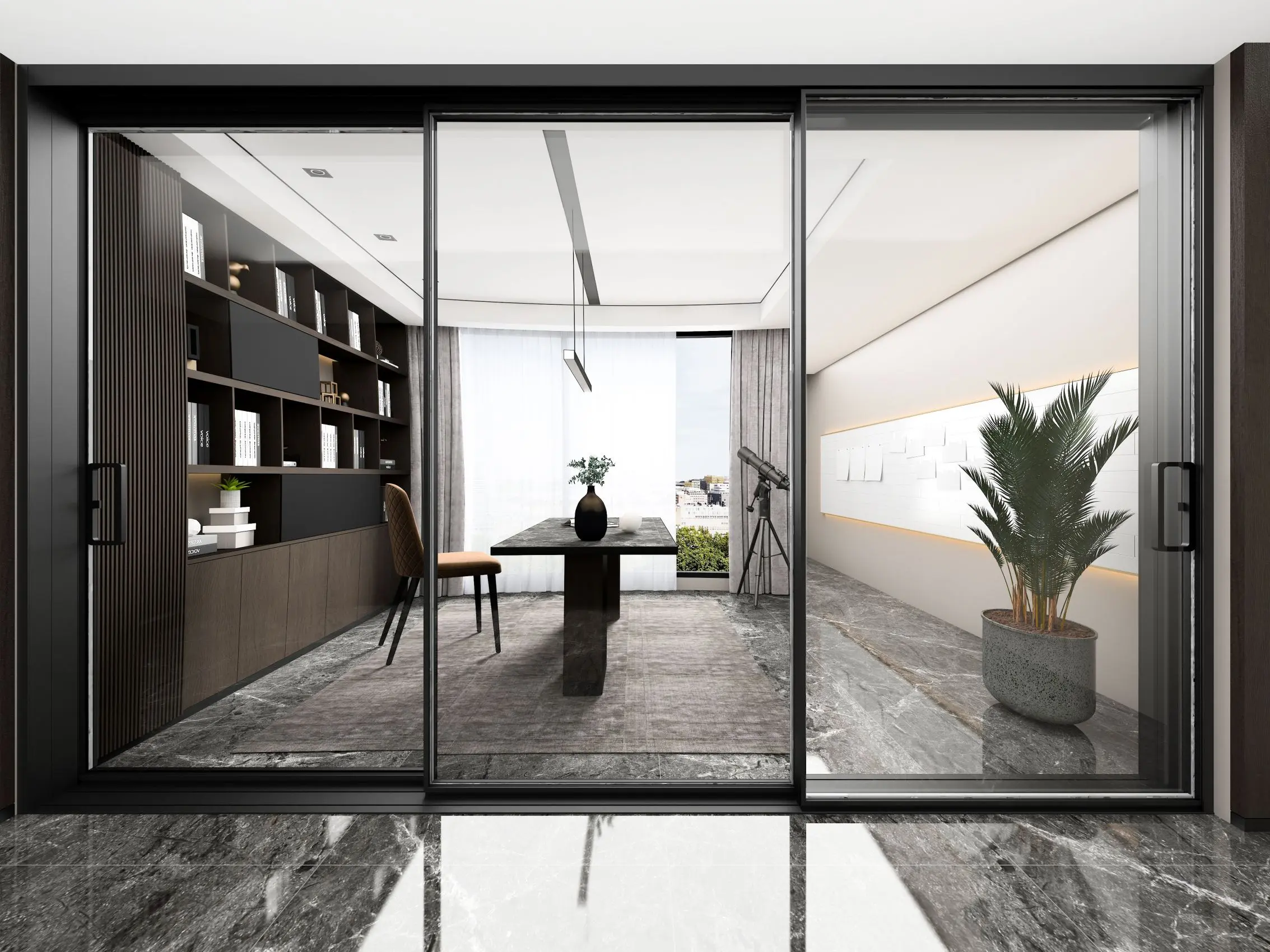
Deschiderile mari reprezintă atât o oportunitate, cât și o provocare. Acestea vă permit să maximizați lumina naturală, să surprindeți priveliști extinse și să creați o conexiune perfectă între interior și exterior. Cu toate acestea, ferestrele glisante tradiționale cu două șine se pot deschide doar până la aproximativ 50% din lățimea totală - o limitare evidentă atunci când aveți de-a face cu o deschidere de patio de 4 metri sau o vitrină comercială largă.
Acesta este exact locul în care ferestre glisante cu trei șine ies în evidență. Prin adăugarea unei șine suplimentare, acestea permit deschiderea a până la 66% din lățimea totală, cu două panouri stivuite ordonat într-o parte, în timp ce al treilea rămâne fix sau funcționează independent. Pentru arhitecții, constructorii și proprietarii de case care lucrează cu deschideri largi, acest design transformă o deschidere restrânsă într-o soluție mai flexibilă, funcțională și deschisă vizual.
Înțelegerea configurației cu trei șine
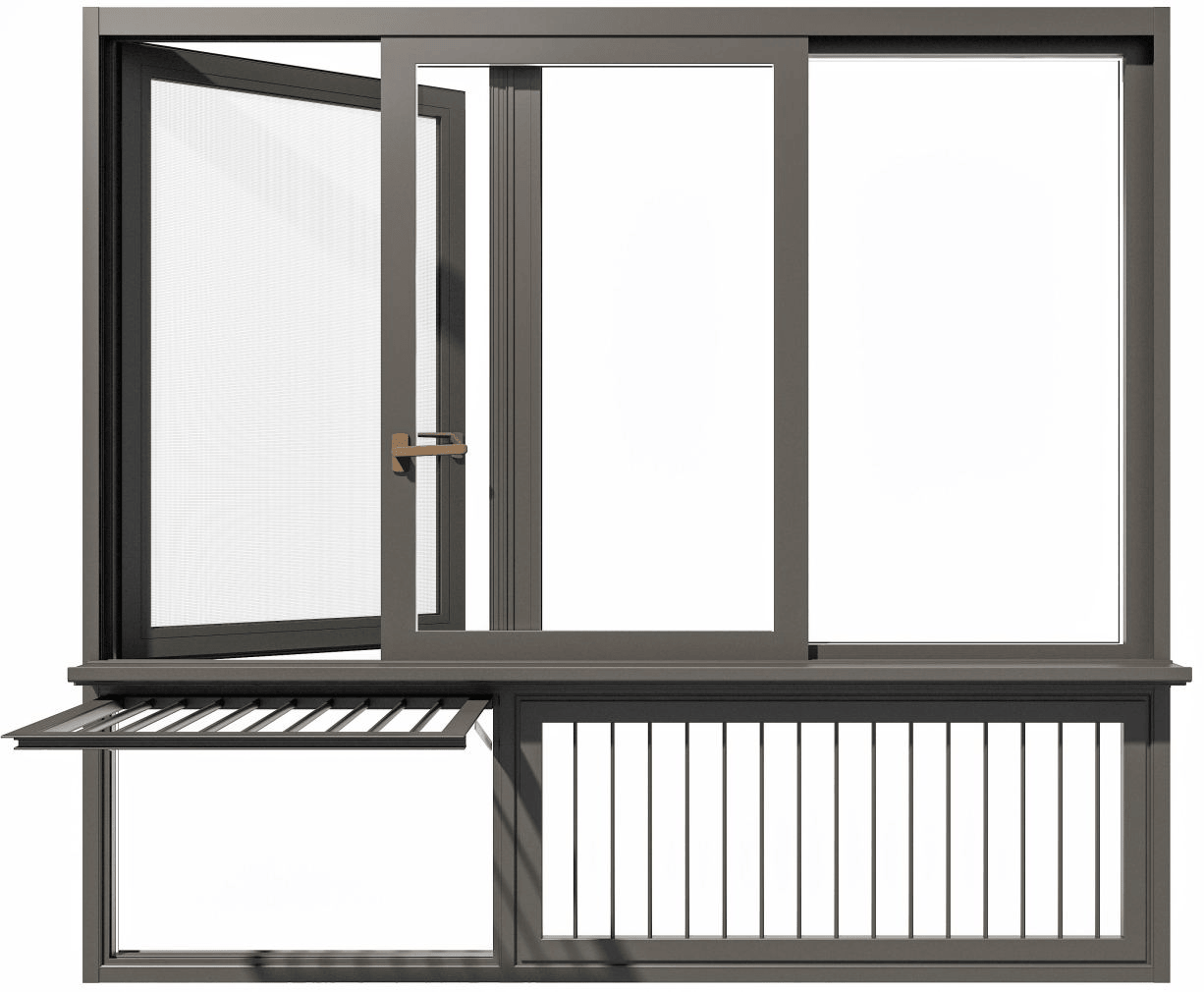
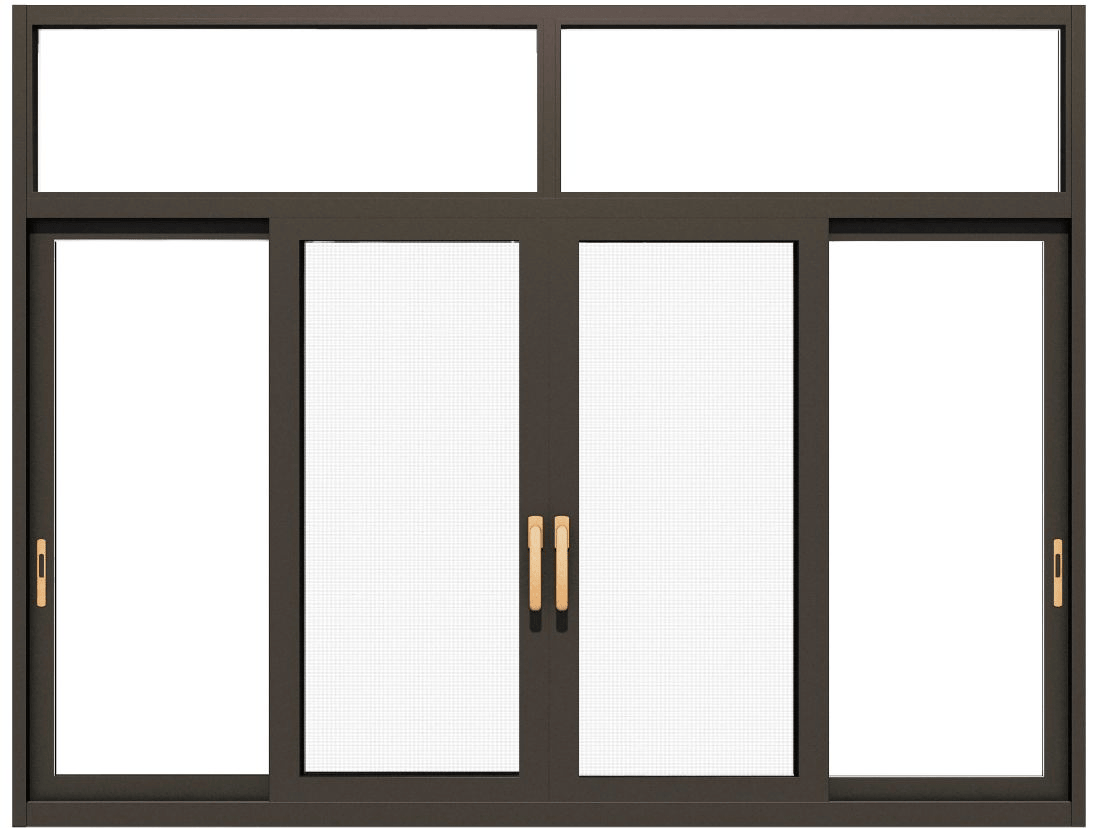
Înainte de a intra în detalii, este util să înțelegeți exact cum funcționează un sistem cu trei piste. Spre deosebire de o fereastră cu două piste în care panourile împart doar două canale, un fereastră glisantă cu trei șine încorporează trei șine separate, fiecare capabilă să găzduiască o fereastră. Acest lucru permite până la trei panouri - de obicei două glisante și unul fix, deși configurațiile pot fi personalizate în funcție de cerințele proiectului.
Rezultatul este un sistem de ferestre care poate acoperi deschideri mult mai largi. Sistemele premium pot găzdui deschideri de până la 6 metri lățime în configurații cu mai multe panouri. În comparație, modelele arhitecturale high-end cu trei piste pot crea fațade de ferestre pe deschideri de până la 24 de metri atunci când sunt combinate mai multe elemente glisante. Pentru majoritatea aplicațiilor rezidențiale și comerciale, o configurație cu trei panouri cu două uși operabile oferă echilibrul ideal între flexibilitatea ventilației și simplitatea structurală.
Maximizarea spațiului deschis: Avantajul 66%
Cel mai convingător motiv pentru a alege ferestre glisante cu trei șine este matematică simplă. Un sistem cu două șine, cu un panou fix și un panou glisant, oferă aproximativ 50% suprafață deschisă. Un sistem cu trei șine, cu două panouri glisante stivuite pe o parte, oferă aproximativ 66% - o îmbunătățire de 16 puncte procentuale care face o diferență dramatică în aplicațiile din lumea reală.
Luați în considerare o deschidere de balcon de 3 metri lățime. Cu un sistem cu două șine, veți avea aproximativ 1,5 metri de deschidere liberă. Cu un sistem cu trei șine, aceasta se extinde la aproximativ 2 metri. În cazul unei uși de terasă care se întinde pe 4 metri, diferența crește la aproape 1,3 metri de spațiu liber suplimentar - practic, o cale suplimentară de mers pe jos.
Această suprafață de deschidere extinsă se traduce în mod direct printr-o ventilație transversală superioară. În climatele umede sau în timpul lunilor de vară, posibilitatea de a deschide două treimi dintr-o deschidere mare permite brizei naturale să circule liber prin spațiile de locuit, reducând dependența de aerul condiționat și îmbunătățind calitatea aerului interior. Pentru locuințele din regiunile tropicale sau apartamentele urbane în care fluxul de aer este adesea restricționat, această îmbunătățire a ventilației poate spori semnificativ confortul zilnic.
Eficiență spațială fără compromisuri
Unul dintre avantajele adesea trecute cu vederea ale oricărui sistem de ferestre glisante este eficiența spațiului său. Spre deosebire de ferestrele cu balamale sau cu copertină, care necesită spațiu liber pentru ca foaia să se poată balansa spre exterior sau spre interior, ferestrele glisante funcționează în întregime în planul peretelui. Acest lucru înseamnă că nu se pierde spațiu pe terase, balcoane sau alei - un aspect crucial pentru locuințele urbane compacte, apartamentele înalte și proiectele arhitecturale minimaliste.
Cu un sistem cu trei șine, obțineți acest avantaj de economisire a spațiului, beneficiind în același timp de o deschidere mai largă. Panourile alunecă paralel cu peretele în loc să se proiecteze în cameră sau în spațiul exterior. Pentru balcoanele mici, unde fiecare centimetru contează, această eficiență operațională permite amplasarea mobilierului mai aproape de fereastră, fără a interfera cu funcția acesteia. Ferestre glisante cu trei șine oferă acest beneficiu fără compromisul unui cadru voluminos.
Vederi fără obstacole și estetică modernă
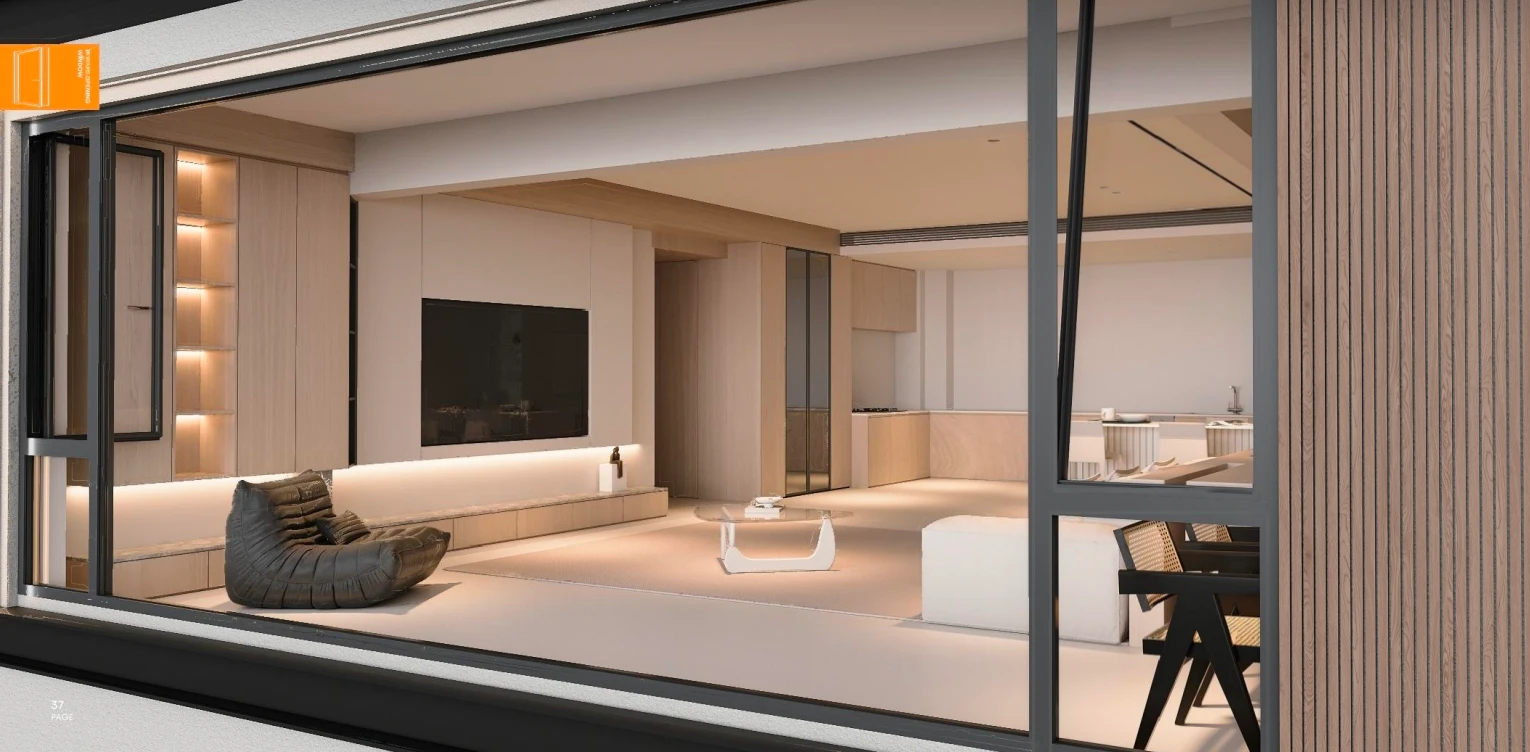
Deschiderile mari merită vederi mari și ferestre glisante cu trei șine oferă exact acest lucru. Cu o încadrare minimă și posibilitatea de a glisa mai multe panouri unul lângă altul, aceste sisteme oferă vederi extinse, aproape fără întreruperi, spre exterior. Tehnicile contemporane de fabricație au redus liniile de vizibilitate la dimensiuni remarcabil de înguste - unele sisteme premium ating linii de vizibilitate de până la 22 mm, creând un efect mai apropiat de un perete de sticlă decât de o fereastră tradițională.
Continuitatea vizuală creată de opțiunile extinse de geamuri și de profilele subțiri ale ramei face ca aceste ferestre să fie deosebit de potrivite pentru arhitectura contemporană. Fie că încadrează o priveliște de coastă, un orizont de oraș sau o grădină luxuriantă, ferestrele glisante cu trei șine ajută la estomparea graniței dintre spațiile interioare și exterioare.
Aluminiul a devenit materialul preferat pentru aceste sisteme, oferind o combinație ideală de rezistență, durabilitate și flexibilitate estetică. Ferestre glisante din aluminiu cu trei șine pentru case moderne pot fi acoperite cu pulbere sau anodizate în aproape orice culoare, cu finisaje care rezistă la decolorare, exfoliere și coroziune, chiar și după ani de expunere la soare și la aerul sărat de coastă. Această durabilitate asigură faptul că aspectul elegant care atrage inițial proprietarii de case rămâne intact timp de decenii.
Eficiența energetică: O considerație critică
Pentru deschiderile cu geamuri mari, performanța termică devine o preocupare primordială. Vestea bună este că ferestre glisante cu trei șine eficiente energetic pentru deschideri mari ating acum niveluri de performanță care îndeplinesc sau depășesc codurile stricte de construcție și cerințele ENERGY STAR.
Ramele moderne din aluminiu cu rupere termică încorporează o barieră neconductoare - de obicei poliamidă - între secțiunile interioare și exterioare din aluminiu, reducând drastic transferul de căldură. Sistemele premium cu rame cu rupere termică pot atinge valori U de până la 0,26 (conform NFRC) sau 0,70-0,80 W/m²K, ceea ce le plasează în intervalul adecvat pentru construcția de case pasive și cu consum redus de energie. Aceste valori reprezintă o îmbunătățire substanțială față de vechile modele fără întreruperi termice, care ar pierde energie prin cadru.
Tehnologia de etanșare a avansat la fel de impresionant. Mecanismele de blocare în mai multe puncte strâng foaia împotriva garniturilor de compresie, în timp ce garniturile specializate cu perie rețin praful, polenul și scurgerile de aer. Sistemele premium pot atinge rate de scurgere a aerului de până la 0,08 ACH, depășind standardele Passive House. Acest nivel de etanșare nu numai că îmbunătățește eficiența energetică, dar sporește și confortul acustic - un beneficiu binevenit pentru locuințele situate în apropierea străzilor aglomerate sau în medii urbane dense. Specificarea ferestre glisante cu trei șine cu aceste caracteristici asigură confortul pe termen lung.
Comparație între performanțele termice: Tipuri de rame
| Tip cadru | Gama de valori U tipice (W/m²K) | Cea mai bună aplicație |
|---|---|---|
| Ruptură non-termică Aluminiu | 3.2 – 5.0+ | Clime blânde, compartimentări interioare |
| Ruptură termică Aluminiu | 1.1 – 2.9 | Majoritatea aplicațiilor rezidențiale și comerciale |
| Întrerupere termică Premium (cu geamuri triple) | 0.26 – 0.80 | Clime reci, proiecte de case pasive |
| UPVC Multi-Chamber | 1.4 – 2.0 | Proiecte de eficiență energetică care țin cont de buget |
Pentru performanțe termice maxime, combinați un cadru cu rupere termică cu geamuri duble sau triple cu strat de acoperire low-E și tehnologie de distanțare cu margine caldă. Această combinație minimizează pierderea de căldură în timpul iernii, reduce câștigul de căldură solară în timpul verii și ajută la menținerea unui confort interior constant pe tot parcursul anului.
Aplicații grele și utilizare comercială
Ferestre glisante cu trei șine nu sunt limitate la terase și balcoane rezidențiale. Ferestre glisante rezistente cu trei șine pentru clădiri comerciale încorporează armături structurale îmbunătățite pentru a face față cerințelor din mediile cu trafic intens, dimensiunilor mai mari ale panourilor și utilizării mai frecvente.
Sistemele comerciale au de obicei profile de cadru mai adânci (de la 100 mm la 150 mm) cu o grosime crescută a pereților (de la 1,8 mm la 2,5 mm) pentru o rigiditate mai mare. Îmbinările de colț ranforsate și rolele anti-lift previn desprinderea jaluzelelor chiar și în condiții de vânt extrem - unele sisteme sunt testate să reziste la o presiune a vântului de 3600 Pa și la vânturi de 150 km/h.
Aceste configurații grele își găsesc aplicații în:
Holurile hotelurilor și terasele restaurantelor necesită soluții elegante, cu trafic intens
Arii de birouri și săli de conferințe în care lumina naturală sporește productivitatea
Vitrine de vânzare cu amănuntul care beneficiază de configurații flexibile de deschidere
Clădirile înalte necesită o rezistență structurală sporită pentru rezistența la vânt
Pentru proprietățile de coastă și regiunile predispuse la uragane, sistemele cu geamuri rezistente la impact și modele de pervazuri de protecție împotriva furtunilor oferă o liniște suplimentară. Pervazurile în trepte cu camere de presiune integrate pot devia până la 2 500 de litri de apă pe oră pe metru, prevenind pătrunderea apei în timpul ploilor musonice.
Opțiuni privind materialele: Aluminiu vs. uPVC
Alegerea între rame din aluminiu și PVC are un impact semnificativ asupra performanței, esteticii și bugetului. Ambele materiale sunt utilizate pe scară largă în fereastră glisantă cu trei șine sisteme, fiecare cu avantaje distincte.
Ferestre glisante cu trei șine din aluminiu
Aluminiul oferă un raport rezistență/greutate superior, permițând linii de vizibilitate mai subțiri și panouri de sticlă mai mari fără a compromite integritatea structurală. Materialul este inerent rezistent la coroziune, deformare și degradare UV, ceea ce îl face o investiție excelentă pe termen lung. Finisajele acoperite cu pulbere sau anodizate oferă opțiuni extinse de culoare și își mențin aspectul cu o întreținere minimă.
Tehnologia modernă de rupere termică a abordat în mare măsură slăbiciunea istorică a aluminiului - conductivitatea termică ridicată. Prin încorporarea unei bariere neconductoare între secțiunile interioare și exterioare ale cadrului, ferestrele din aluminiu cu întrerupere termică ating performanțe termice comparabile cu cele ale PVC-ului, păstrând în același timp rezistența aluminiului și avantajele profilului subțire.
Ferestre glisante uPVC cu trei șine
UPVC (policlorură de vinil neplastifiată) oferă o izolare termică excelentă la un preț în general mai mic decât aluminiul. Profilele cu mai multe camere rezistă în mod natural la transferul de căldură fără a necesita o întrerupere termică separată, făcând din uPVC o opțiune atractivă pentru proiectele eficiente din punct de vedere energetic care țin cont de buget.
Ramele din uPVC sunt de obicei mai groase decât cele din aluminiu, ceea ce poate reduce suprafața geamului și poate crea o ramă mai vizibilă. Cu toate acestea, pentru multe aplicații rezidențiale, acest compromis este acceptabil, având în vedere economiile de costuri și performanța termică puternică. Ferestrele din uPVC cu trei șine rămân o alegere populară pentru proprietarii de locuințe care doresc deschideri mai mari cu capacități de ventilație și eficiență energetică îmbunătățite.
Configurații personalizate pentru aplicații specifice
Unul dintre cele mai mari puncte forte ale sistemelor de ferestre glisante cu trei șine este configurabilitatea lor. Ferestre glisante personalizate cu trei șine pentru terasă și balcon aplicațiile pot fi adaptate pentru a se potrivi cerințelor arhitecturale specifice și preferințelor stilului de viață.
Opțiuni de configurare:
Două panouri glisante + un panou fix - Cel mai comun aranjament, care oferă o deschidere de până la 66%
Trei panouri glisante - Toate panourile sunt mobile, oferind flexibilitate maximă
Configurații de buzunar - Panourile alunecă complet în cavitățile pereților, creând o deschidere complet deschisă
Configurații de colț - Soluții de colț sticlă la sticlă fără stâlpi verticali
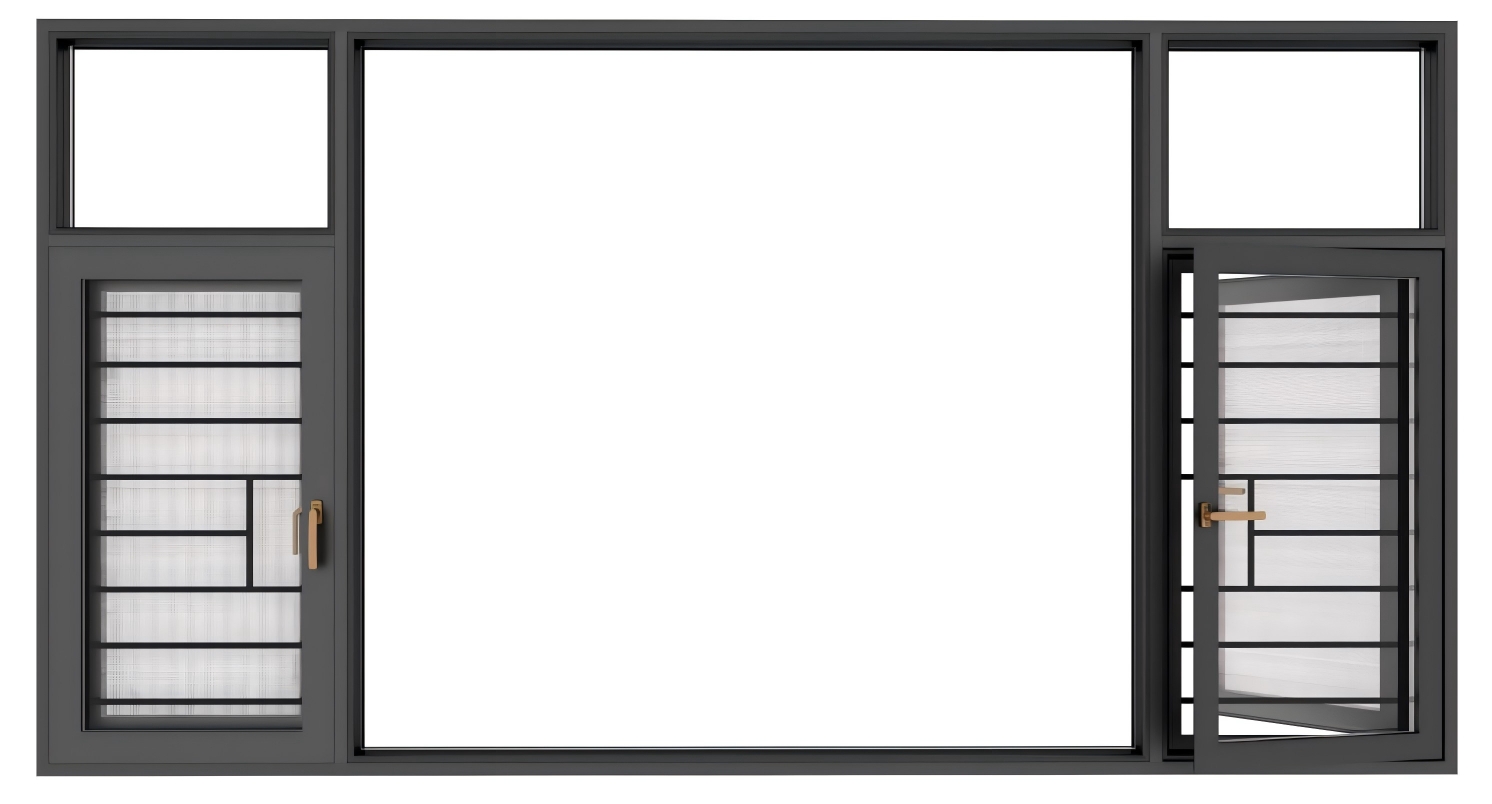
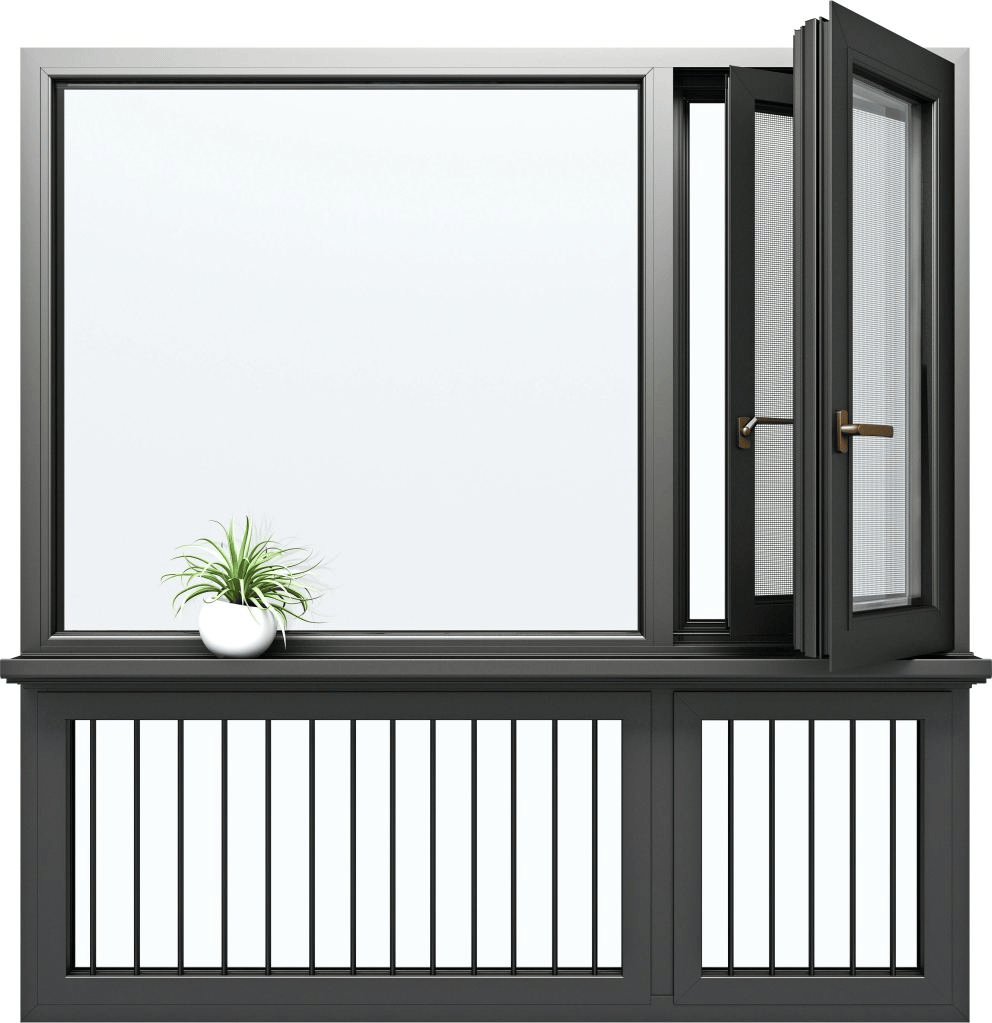
Opțiunile suplimentare de personalizare includ paravane integrate pentru insecte pe o șină dedicată, grilaje de securitate pentru instalațiile de la parter, sticlă întunecată sau mată pentru aplicații de confidențialitate și operare motorizată pentru panouri de dimensiuni mari. Natura modulară a sistemelor cu trei șine înseamnă că aceste caracteristici pot fi amestecate și potrivite pentru a crea soluția ideală pentru fiecare spațiu unic.
Considerații privind instalarea și structura
Instalarea corectă este esențială pentru performanța optimă a oricărui sistem de ferestre glisante cu trei șine. Șinele suplimentare măresc adâncimea totală a cadrului - de obicei de la 120 mm la 250 mm pentru configurațiile cu trei șine - care trebuie să fie inclusă în ansamblul peretelui.
Factorii cheie de instalare includ:
Asigurarea că deschiderea brută este dreaptă, plană și cu firul la pământ
Asigurarea unui suport structural adecvat pentru sarcinile laterale ale vântului
Etanșarea corespunzătoare a perimetrului pentru a preveni infiltrarea aerului și a apei
Role de reglare pentru o funcționare lină, echilibrată
Se recomandă insistent instalarea profesională de către antreprenori cu experiență, în special pentru deschideri mai mari și aplicații comerciale, unde consecințele unei instalări necorespunzătoare sunt amplificate.
Întreținere pentru performanță pe termen lung
Ferestre glisante cu trei șine necesită o întreținere relativ modestă pentru a oferi zeci de ani de performanță fiabilă. O atenție regulată acordată șinelor și rolelor previne acumularea de resturi care pot împiedica buna funcționare.
Cele mai importante sarcini de întreținere includ:
Curățarea pistelor cu un aspirator și o perie moale de cel puțin două ori pe an
Aplicarea de lubrifiant pe bază de silicon pe role și șine, după cum este necesar
Inspectarea garniturilor de etanșare și a garniturilor pentru uzură sau deteriorare
Verificarea canalelor de scurgere pentru a se asigura că apa se poate scurge liber
Cu o îngrijire corespunzătoare, calitatea fereastră glisantă cu trei șine pot oferi peste 20 de ani de funcționare fiabilă și fără probleme. Investiția în hardware de calitate superioară și în instalarea profesională se plătește prin reducerea cerințelor de întreținere și prelungirea duratei de viață.
Două piste vs. Trei piste: O comparație practică
| Caracteristică | Sistem cu două piste | Sistem cu trei șine |
|---|---|---|
| Lățime maximă de deschidere | ~50% de lățime totală | Până la ~66% din lățimea totală |
| Număr de panouri | 2 | 3 |
| Adâncimea tipică a cadrului | 85-100 mm | 120-150 mm |
| Cel mai bun pentru | Ferestre mai mici, dormitoare și proiecte bugetare | Deschideri mari, camere de zi, terase și spații comerciale |
| Capacitatea de ventilație | Moderat | Superior |
| Costuri | Investiție inițială mai mică | Investiție inițială mai mare, valoare mai bună pe termen lung pentru deschideri mari |
Pentru deschideri mai mici de 1,8 metri lățime, un sistem cu două șine poate fi perfect adecvat. Cu toate acestea, pe măsură ce lățimea deschiderii crește, avantajele configurației cu trei șine devin din ce în ce mai convingătoare. Cu cât deschiderea este mai largă, cu atât este mai logic ferestre glisante cu trei șine face.
ÎNTREBĂRI FRECVENTE
1. Cu cât se poate deschide mai larg o fereastră cu trei șine în comparație cu una cu două șine?
Un sistem cu două șine deschide aproximativ 50% din lățimea totală, în timp ce un sistem cu trei șine cu două panouri glisante deschide până la 66% - cu aproximativ 16% mai mult spațiu deschis.
2. Sunt ferestrele glisante cu trei șine potrivite pentru clădirile înalte?
Da. Sistemele cu trei șine, cu profile ranforsate și role anti-încărcare, sunt proiectate special pentru aplicații la înălțimi mari care necesită o rezistență structurală sporită și rezistență la vânt.
3. Pot adăuga un paravan împotriva insectelor la o fereastră glisantă cu trei șine?
Da. Cele mai multe sisteme cu trei șine includ o șină dedicată pentru ecran care găzduiește un panou de protecție împotriva insectelor asortat fără a compromite aspectul curat sau funcționarea.
4. Care este lățimea maximă tipică pentru o fereastră glisantă cu trei piste?
Configurațiile rezidențiale standard se potrivesc deschiderilor de până la 6 metri lățime, în timp ce sistemele arhitecturale cu panouri multiple pot acoperi deschideri de 24 de metri sau mai mult.
5. Ferestrele glisante cu trei șine necesită mai multă întreținere decât cele cu două șine?
Cerințele de întreținere sunt similare. Curățarea regulată a șinelor și lubrifierea ocazională a rolelor asigură o funcționare fără probleme pentru ambele configurații, indiferent de numărul de șine.
Concluzie
Ferestre glisante cu trei șine reprezintă soluția optimă pentru deschideri largi în care maximizarea spațiului util, lumina naturală și ventilația sunt prioritare. Capacitatea de deschidere a 66%, combinată cu funcționarea eficientă din punct de vedere al spațiului și cu aspectul estetic modern, face ca aceste sisteme să fie la fel de potrivite pentru terase rezidențiale, vitrine comerciale și orice altceva între acestea.
Atunci când selectați un fereastră glisantă cu trei șine sistem, prioritizați:
Rame din aluminiu rupte termic pentru cea mai bună combinație de rezistență, linii de vizibilitate subțiri și eficiență energetică
Hardware de calitate de la producători renumiți pentru a asigura o funcționare ușoară și de lungă durată
Instalare profesională de către antreprenori cu experiență
Geamuri adecvate pentru zona dumneavoastră climatică și cerințele de performanță
Pentru deschiderile mari, investiția suplimentară în ferestre glisante cu trei șine plătește dividende în utilizarea zilnică, economiile de energie și satisfacția pe termen lung. Fie că proiectați o casă nouă, renovați un spațiu existent sau specificați ferestre pentru un proiect comercial, aceste sisteme oferă performanța și flexibilitatea estetică pe care le solicită arhitectura modernă.
Sunteți gata să vă transformați deschiderile mari? Contactați echipa noastră astăzi pentru o consultare personalizată și o ofertă detaliată privind ferestre glisante cu trei șine adaptate la cerințele specifice ale proiectului dumneavoastră.