
Introducere
Dacă vă gândiți să vă renovați sau să construiți o casă nouă și luați în considerare înlocuirea ușilor glisante, iată răspunsul pe scurt: Da. Dacă aveți o deschidere mai mare pentru ușă, doriți să economisiți energie și vreți o ușă care să alunece la fel de bine și peste 10 ani, nu căutați mai departe de ușa glisantă cu ridicare Junhan ADL 120. Pentru marea majoritate a proprietarilor de case și a arhitecților implicați în proiecte rezidențiale sau comerciale de lux, credem că o ușă bine proiectată Lift Ușă glisantă de exemplu, modelul Junhan ADL 120 oferă o durabilitate, o izolare și o ușurință în utilizare superioare oricărei uși glisante standard pentru terasă disponibile pe piață.
Această concluzie nu se bazează pe simple presupuneri; ea a fost confirmată de standardele tehnice și industriale, precum și de părerea celor care le instalează zilnic. Ușile glisante obișnuite sunt ideale pentru cei cu un buget limitat sau cu o deschidere mai mică. Însă, odată ce dimensiunea panoului depășește 2.000 mm sau dacă doriți ceva ușor de întreținut și complet etanș, cu geamuri de calitate superioară, alegerea este clară.
Să discutăm mai exact de ce considerăm că aveți nevoie de o ușă glisantă cu ridicare ADL 120.
Ce este, mai exact, o ușă glisantă cu sistem de ridicare? Un mecanism explicat pe înțelesul tuturor
Înainte de a compara performanțele una lângă alta, este util să înțelegem ce este un Lift Ușă glisantă de fapt, funcționează altfel.
Dacă v-ați luptat vreodată cu o ușă veche și grea de terasă cu glisare — genul acela care se blochează la jumătatea drumului, scârțâie pe o șină murdară sau lasă curentul rece să șuieră prin ea iarna — ați experimentat limitele tehnologiei standard a ușilor glisante. Aceste uși mai vechi se bazează pe role mici sau perii care rămân în contact permanent cu șina. În timp, murdăria, resturile și coroziunea sporesc frecarea, garniturile se uzează, iar ușa devine din ce în ce mai greu de mișcat. În cele din urmă, fie nu mai etanșează corespunzător, fie necesită o împingere puternică cu umărul de fiecare dată.
A Lift Ușă glisantă rezolvă această problemă într-un mod elegant. Mecanismul funcționează ca o pârghie. Când rotiți mânerul cu 180 de grade, un sistem de cărucioare din interiorul șinei inferioare ridică fizic întregul canat de pe șină și îl îndepărtează de garniturile de etanșare. Ușa se deplasează acum pe role încastrate, astfel încât nu trebuie să împingeți întreaga greutate a panoului de sticlă — ci doar să o glisați lateral cu o frecare minimă. Închideți ușa, rotiți mânerul înapoi, iar canatul coboară. Greutatea totală a ușii apasă pe garniturile din EPDM, asigurând o închidere etanșă și ermetică.
Aceasta este diferența esențială. O ușă glisantă standard se deplasează rămânând mereu în contact cu șina. O Lift Ușă glisantă se ridică mai întâi, apoi alunecă, iar la final coboară pentru a etanșa.
De ce modelul ADL 120 se remarcă în categoria ușilor glisante cu ridicare
Nu toate Uși glisante cu sistem de ridicare sunt fabricate după aceleași standarde. Modelul Junhan ADL 120 ocupă o nișă foarte specifică: performanță de vârf fără prețul exorbitant al produselor europene importate, realizate integral la comandă. Iată ce îl diferențiază.
Structură din aluminiu de calitate aerospațială, care chiar rezistă în timp
Modelul ADL 120 utilizează aluminiu 6060-T66, un tip de aluminiu folosit de obicei în industria aerospațială și în ingineria structurală. Grosimea peretelui profilului său este de ≥2,2 mm — semnificativ mai groasă decât cea a ușilor glisante din gama de bază. Nu este vorba doar de o strategie de marketing. Pereții mai groși asigură rezistența cadrului la torsiune și deformare în timp, ceea ce influențează direct etanșeitatea și funcționarea ușii. Un cadru fragil se va deforma în cele din urmă sub greutatea panourilor de sticlă, compromițând etanșeitatea care face ca ușile glisante cu ridicare să fie atât de apreciate.
Capacitate de încărcare a cercevelei de 400 kg: concepută pentru priveliști panoramice
Una dintre cele mai impresionante caracteristici ale modelului ADL 120 este capacitatea sa de încărcare a canatului de 400 kg. Asta înseamnă aproximativ 880 de livre. În practică, aceasta înseamnă că puteți monta panouri de sticlă masive cu geam dublu sau triplu, fără a vă face griji că feroneria se va defecta sau că funcționarea va deveni greoaie. Ușile glisante standard ating de obicei o greutate maximă de aproximativ 200 kg înainte ca performanța să se deterioreze.
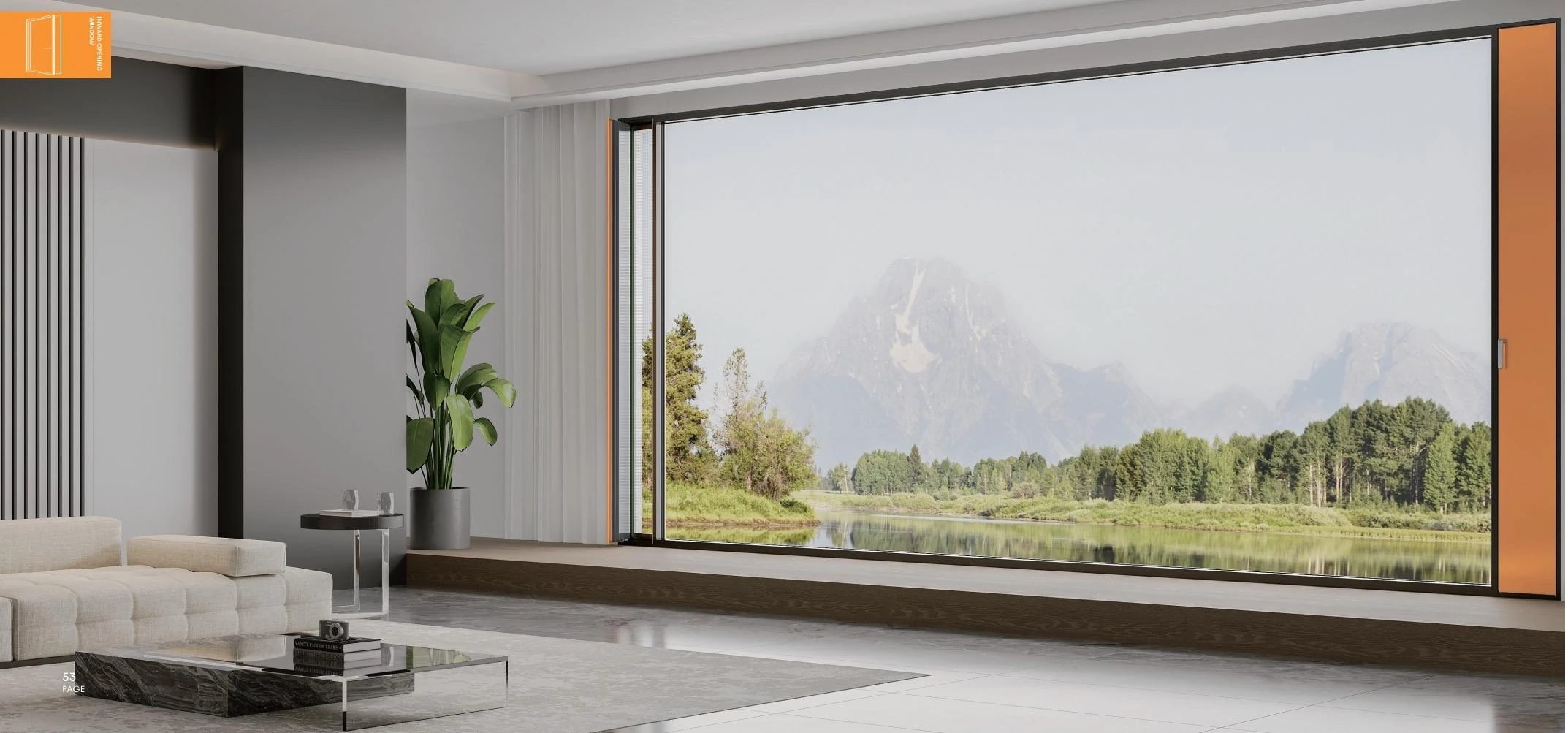
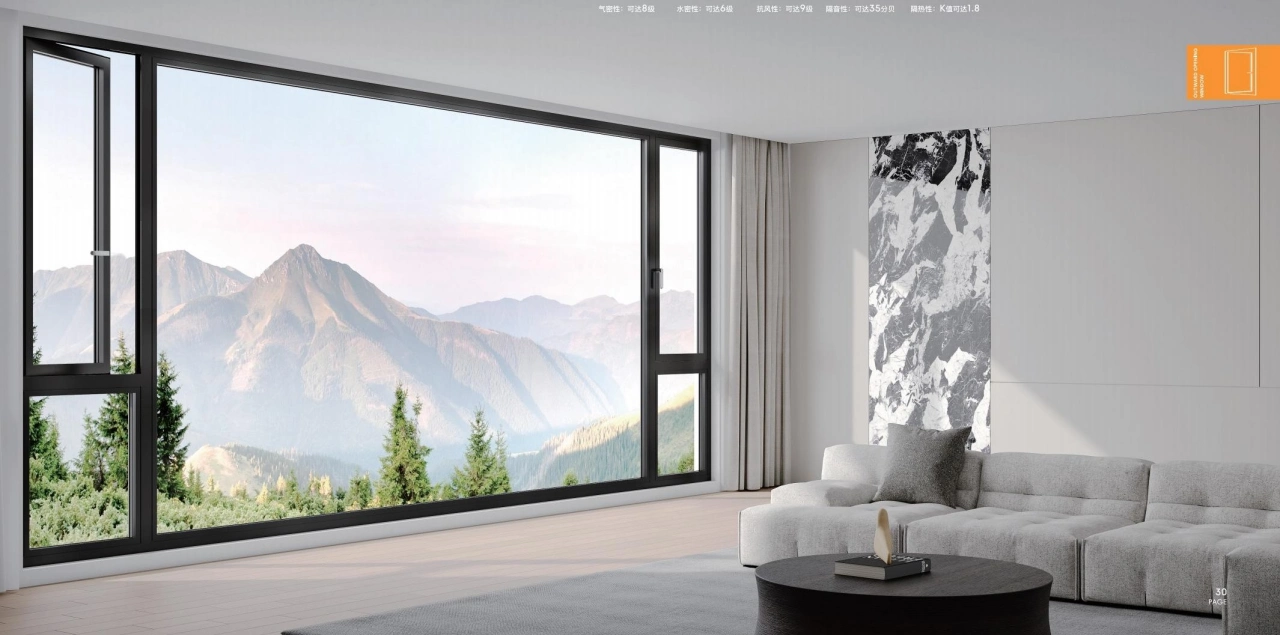
Pentru arhitecții și proprietarii de locuințe care doresc pereți din sticlă de la podea până la tavan, cu vedere panoramică, această capacitate de 400 kg este o condiție indispensabilă. Aceasta permite utilizarea unor panouri cu lățimi de până la 3.000 mm și înălțimi de până la 3.000 mm. Nu mai trebuie să ții cont de limitările ușii atunci când proiectezi — ușa se adaptează la viziunea ta.
Barierele termice și garniturile care chiar funcționează
Eficiența energetică este un aspect la care multe sisteme culisante prezintă deficiențe. Modelul ADL 120 încorporează două componente esențiale: benzi de izolare termică din PA66GF25 și garnituri din cauciuc EPDM.
PA66GF25 este o poliamidă armată cu fibră de sticlă. Aceasta face legătura între profilele interioare și exterioare din aluminiu, reducând în același timp la minimum transferul termic. Fără această barieră, aluminiul acționează ca o autostradă termică — frig afară, frig și înăuntru. Datorită acesteia, modelul ADL 120 atinge performanțe termice care se apropie de cele pe care le-ați aștepta de la ferestrele fixe.
Garniturile din EPDM sunt la fel de importante. Spre deosebire de garniturile mai ieftine din PVC, care se întăresc și se fisurează după câțiva ani de expunere la radiațiile UV, EPDM-ul își păstrează flexibilitatea și rezistența într-un interval larg de temperaturi. Când ușa se coboară, aceste garnituri se comprimă uniform, eliminând spațiile libere localizate care provoacă curenți de aer și infiltrații de apă.
Patru finisaje, o singură estetică profesională
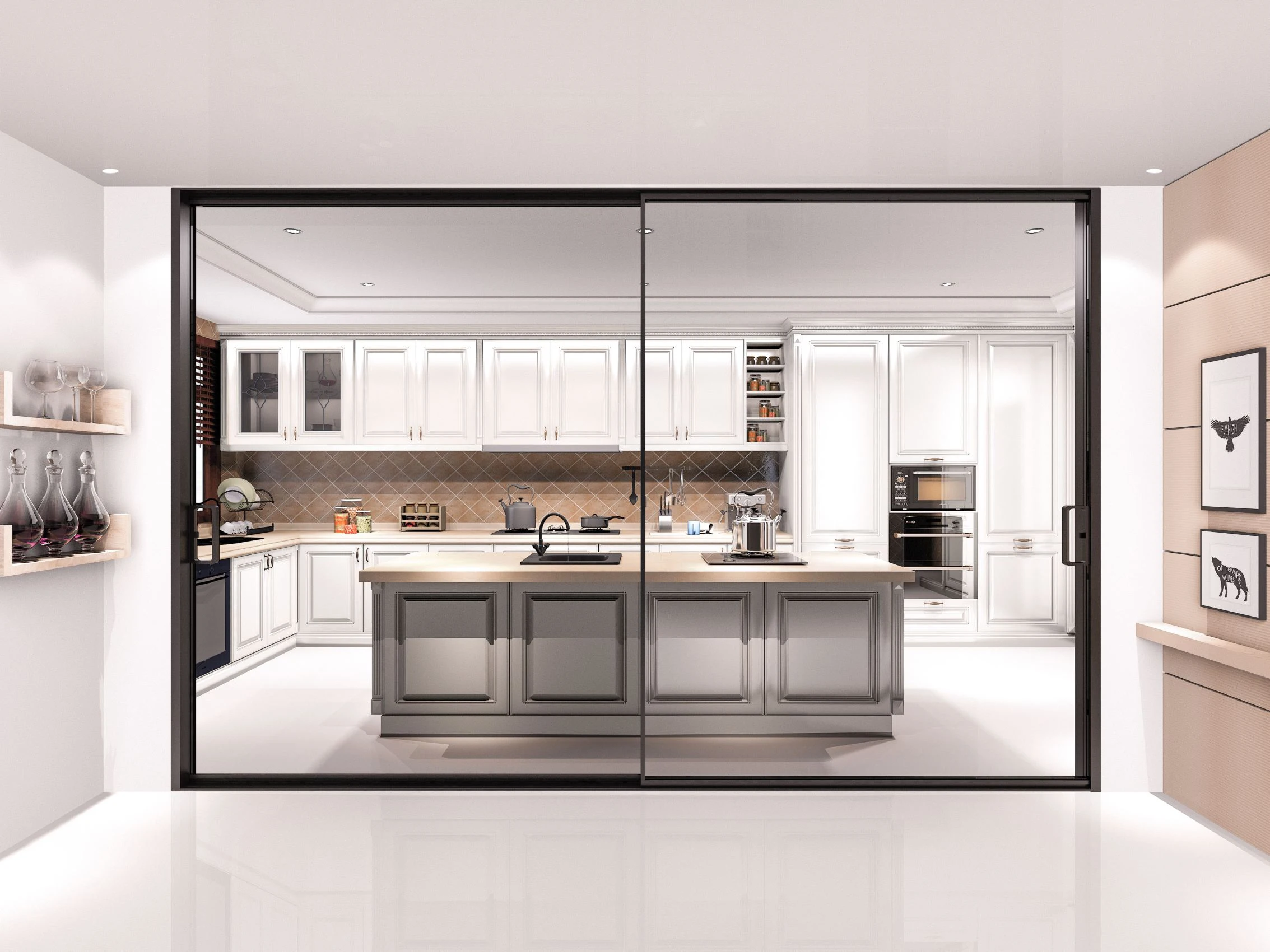
A Lift Ușă glisantă este aproape întotdeauna punctul central al unei încăperi. Modelul ADL 120 este disponibil în patru finisaje: Polar Black, Space Silver, Mocha Brown și Gunmetal Gray. În cazul proiectelor comerciale, aceste nuanțe neutre se integrează cu ușurință în sistemele de fațade cortină. În cazul proiectelor rezidențiale, acestea se asortează cu paletele de culori exterioare contemporane, fără a da o impresie industrială sau a părea nepotrivite.
Ușa glisantă cu sistem de ridicare vs. ușa glisantă standard: o comparație detaliată
Tabelul comparativ de mai jos prezintă pe scurt diferențele principale dintre un Lift Ușă glisantă (folosind modelul ADL 120 ca referință) și o ușă glisantă tipică de terasă, standard.
| Caracteristică | Ușă glisantă standard | Ușă glisantă cu sistem de ridicare (ADL 120) |
|---|---|---|
| Mecanism de deschidere | Alunecă în timp ce se află în contact permanent cu șina | Mai întâi se desprinde de șină, apoi alunecă |
| Efortul necesar pentru funcționare | Poate deveni grea și rigidă în timp; necesită împingerea întregii greutăți a canatului | Efort minim; ușa alunecă pe role după ridicare |
| Etanșeitatea la închidere | Moderat; uzura garniturilor din cauza frecării | Excelent; greutatea completă a canatului apasă pe garniturile noi |
| Limita tipică de încărcare a cercevelei | ~150–200 kg | 400 kg |
| Ruptură termică | Adesea minim sau inexistent | Barieră termică din PA66GF25 |
| Materialul garniturii | PVC sau cauciuc simplu (se degradează mai repede) | EPDM (rezistent la radiațiile UV, durabil) |
| Durata de funcționare fără probleme | Scade în timp, pe măsură ce șinele acumulează resturi | De lungă durată; piesele mobile se decuplează în timpul alunecării |
| Cel mai bun pentru | Proiecte cu buget redus, spații mai mici, climă moderată | Deschideri mari, climă rece, locuințe de lux, proiecte de case pasive |
Asta nu înseamnă că ușile glisante standard nu sunt niciodată o soluție bună. Dar dacă investiți în geamuri de înaltă performanță sau construiți într-o regiune cu ierni adevărate, atunci Lift Ușă glisantă se detașează în aproape toate categoriile importante pentru satisfacția pe termen lung.
Domeniile în care ADL 120 excelează: scenarii de proiect reale
Scenariul 1: Renovarea unei case pasive în condiții climatice reci
Imaginați-vă că renovați o casă mai veche din Chicago sau Toronto. Ușa glisantă existentă lasă să treacă atât de mult aer, încât puteți vedea cum se mișcă perdelele când se întețește vântul. Proprietarii doresc să reducă facturile la încălzire și să beneficieze de stimulente pentru eficiență energetică, dar își doresc, de asemenea, o deschidere largă către o terasă nouă.
O ușă glisantă standard nu va îndeplini standardele de schimb de aer ale caselor pasive, care impun o valoare de ≤0,6 ACH la o presiune de 50 Pa. ADL 120 Lift Ușă glisantă, cu bariera termică din PA66GF25 și garniturile din EPDM, se apropie mult mai mult de acest obiectiv. Atunci când este instalat corespunzător, acesta poate atinge valori de permeabilitate la aer care respectă normele riguroase de construcție. Capacitatea de 400 kg a canatului permite, de asemenea, utilizarea unităților cu geam triplu, reducând și mai mult valorile U până la 0,8 W/m²K sau mai puțin — situându-se cu mult în limitele specificațiilor pentru ferestrele și ușile caselor pasive..
Scenariul 2: Apartamentul de lux dintr-un bloc înalt, cu vedere
În cazul unui penthouse situat într-un mare oraș de pe litoral, prioritatea este adesea maximizarea priveliștii, menținând în același timp izolarea fonică împotriva zgomotului stradal. Ușile glisante standard folosesc, de obicei, rame mai subțiri și panouri de sticlă mai mici, ceea ce înseamnă mai multe obstacole vizuale și o izolare fonică mai slabă.
Modelul ADL 120 permite lățimi ale panourilor de până la 3.000 mm, ceea ce înseamnă că mai puține montanți verticali obstrucționează vederea. Atunci când este combinat cu sticlă laminată sau acustică, garniturile din EPDM și compresia puternică a mecanismului de ridicare reduc la minimum zgomotul exterior. Clienții sunt dispuși să plătească un preț mai mare pentru priveliști panoramice — și un Lift Ușă glisantă este modul în care le oferi fără compromisuri.
Scenariul 3: Vitrina unui magazin sau terasa unui restaurant
Restaurantele și spațiile comerciale au nevoie de uși care să se deschidă complet în orele de vârf, să se închidă etanș peste noapte și să reziste la sute de cicluri pe zi fără să se blocheze sau să necesite intervenții de întreținere. Ușile pliante reprezintă o opțiune, dar pot fi voluminoase și costisitoare.
Modelul ADL 120, dotat cu componente personalizate Andrew și cu un sistem de role cu mișcare lină, face față utilizării intense mai bine decât majoritatea glisoarelor standard. Deoarece ușa se ridică de pe șină înainte de a aluneca, uzura garniturilor și a rolelor este redusă semnificativ în comparație cu o ușă glisantă standard, care se freacă de aceeași șină la fiecare mișcare.
Demitizarea a patru mituri comune despre ușile glisante cu ridicare
Mitul 1: „Ușile glisante cu sistem de ridicare sunt prea complicate și se strică des.”
Realitatea: Mecanismul este extrem de simplu — un ansamblu format din cărucioare, role și un actuator conectat la mâner. Există mai puține puncte vulnerabile decât în cazul unui sistem cu balamale cu mai multe articulații. Componentele de calitate provenite de la furnizori europeni renumiți (precum cele utilizate la modelul ADL 120) sunt testate pentru sute de mii de cicluri.
Mitul nr. 2: „Sunt imposibil de instalat fără ajutorul unui antreprenor.”
Corect. Niciun proprietar nu ar trebui să încerce să monteze singur un panou de sticlă de 400 kg pe niciun tip de ușă. Însă instalatorii profesioniști, familiarizați cu Uși glisante cu sistem de ridicare consideră că procesul este simplu, deoarece sistemul a fost conceput pentru a permite reglarea. Odată ce cadrul este nivelat și perpendicular, ușa se fixează în poziție.
Mitul nr. 3: „Izolația suplimentară nu merită costul inițial mai ridicat.”
Să facem niște calcule aproximative: o ușă glisantă standard care lasă să intre curentul poate crește facturile la încălzire și răcire cu 10–15% în condiții climatice extreme. Pe o durată de viață de 15 ani, doar aceste economii de energie pot compensa diferența de preț dintre o ușă glisantă standard de bună calitate și una de bază Lift Ușă glisantă. Dacă luăm în calcul și valoarea de revânzare a unei uși de înaltă performanță într-o locuință de lux, balanța înclină și mai mult în favoarea sistemului ridicare-glisare.
Mitul nr. 4: „Toate ușile glisante cu sistem de ridicare sunt la fel.”
Fals. Diferența dintre o fereastră culisantă-ridicabilă ieftină și un model premium precum ADL 120 se observă în detalii: calitatea aliajului de aluminiu, materialul garniturilor, capacitatea totală de încărcare a canatului și marca feroneriei. Sistemele ieftine folosesc profile mai subțiri și garnituri din PVC care se fisurează după câteva sezoane. Chiar primești ceea ce plătești.
Tendințe din industrie: De ce arhitecții optează din ce în ce mai des pentru uși glisante cu ridicare
La evenimentele recente din domeniu, precum International Builders’ Show, ceea ce a ieșit în evidență nu a fost doar tehnologia, ci și cererea. Constructorii semnalează că proprietarii de locuințe de lux continuă să acorde prioritate sistemelor de ferestre și uși de mari dimensiuni, personalizate, care estompează granița dintre interior și exterior. Lucrările de renovare de nivel mediu se concentrează din ce în ce mai mult pe îmbunătățirea eficienței energetice, care încep adesea cu înlocuirea ușilor glisante vechi.
Piața reacționează, de asemenea, la înăsprirea normelor energetice. Codul internațional de conservare a energiei din 2021 a determinat producătorii să opteze pentru proiecte cu izolație superioară și punți termice reduse. A Lift Ușă glisantă cu barierele termice adecvate se încadrează perfect în această orientare normativă, în timp ce multe ferestre glisante standard abia îndeplinesc cerințele minime.
Din punct de vedere al designului, ramele subțiri și șinele încastrate rămân elementele estetice dominante. Cumpărătorii nu mai doresc praguri masive sau șine de rulare vizibile. Designul cu șine încastrate al modelului ADL 120 și liniile exterioare curate reflectă exact cerințele arhitecturii contemporane.
Instalare și întreținere: La ce să vă așteptați
O instalare corectă este esențială pentru succesul oricărui Lift Ușă glisantă. Înainte de a plasa comanda, asigurați-vă că deschiderea brută este orizontală, perpendiculară și suficient de solidă din punct de vedere structural pentru a susține greutatea ușii. Modelul ADL 120 poate fi montat pe fațadă sau cu aripioare, în funcție de structura peretelui. Prevedeți în buget costul montării profesionale — acesta nu este un proiect de bricolaj de weekend.
Întreținerea este surprinzător de redusă. Deoarece ușa se ridică de pe șină înainte de a aluneca, șina inferioară rămâne în mare parte liberă de resturi care, altfel, ar uza rolele. O dată pe an, aspirați șina, lubrifiați rolele cu un spray pe bază de silicon (niciodată cu vaselină) și verificați dacă mecanismul mânerului funcționează fără probleme. Cam asta este tot. În schimb, ușile glisante standard necesită curățarea murdăriei compactate din șinele înguste și înlocuirea rolelor uzate la fiecare câțiva ani.
ÎNTREBĂRI FRECVENTE
Întrebarea 1: O ușă glisantă cu sistem de ridicare este mai eficientă din punct de vedere energetic decât o ușă glisantă standard?
Da. Când este închisă, greutatea totală a canatului apasă pe garniturile din EPDM, creând o etanșare perfectă pe care ușile glisante standard nu o pot egala. Acest lucru reduce curenții de aer, pierderile de căldură și zgomotul din exterior.
Întrebarea 2: Ce greutate poate suporta sistemul de ferestre culisante-ridicante ADL 120?
Modelul ADL 120 suportă canate cu o greutate de până la 400 kg (aprox. 880 lbs). Acest lucru permite utilizarea unor panouri mari din sticlă cu geam triplu, asigurând în același timp o funcționare lină și fără efort.
Întrebarea 3: Pot automatiza o ușă glisantă cu ridicare, precum modelul ADL 120?
Desigur. Multe configurații de ferestre cu deschidere prin ridicare și glisare pot integra mecanisme de deschidere motorizate, controlate prin telecomandă, întrerupător de perete sau sistem de casă inteligentă. Pozițiile de ventilație nocturnă permit, de asemenea, pătrunderea aerului proaspăt chiar și atunci când fereastra este încuiată.
Întrebarea 4: Cum se comportă ușile glisante Lift în zonele cu vânt puternic sau în zonele de coastă?
Profilul din aluminiu de ≥2,2 mm al modelului ADL 120 și feroneria de înaltă rezistență asigură o rezistență excelentă la vânt. Când este închisă și blocată, ușa nu se poate desprinde de pe șină, ceea ce o face extrem de sigură în timpul furtunilor.
Întrebarea 5: Ce tipuri de sticlă se potrivesc cel mai bine cu un sistem culisant-ridicător?
Geamurile duble sau triple, cu acoperiri low-E, umplute cu argon sau kripton și cu distanțiere „warm-edge”, maximizează performanța termică. Sticla laminată sau fonoizolantă îmbunătățește izolația fonică acolo unde este necesar.
Ești pregătit să-ți îmbunătățești următorul proiect cu ADL 120?
Alegerea între o ușă glisantă standard și o ușă glisantă cu sistem de ridicare depinde de trei factori: dimensiunea deschiderii, eficiența energetică și ușurința de utilizare pe termen lung.
Dacă proiectul dumneavoastră include deschideri cu lățimea mai mare de 2.000 mm sau necesită un confort sporit și o estetică modernă, ușa glisantă cu ridicare ADL 120 de la Ferestre Junhan este o alegere excelentă. Cu o capacitate de 400 kg a canatului, aluminiu de calitate aerospațială, barieră termică din PA66GF25 și patru finisaje de înaltă calitate, aceasta oferă performanțe pe care ușile glisante standard nu le pot egala de multe ori.
Contact Ferestre Junhan Astăzi, pentru a discuta despre dimensiuni personalizate, mostre de finisaje sau configurația potrivită pentru următorul dumneavoastră proiect.