
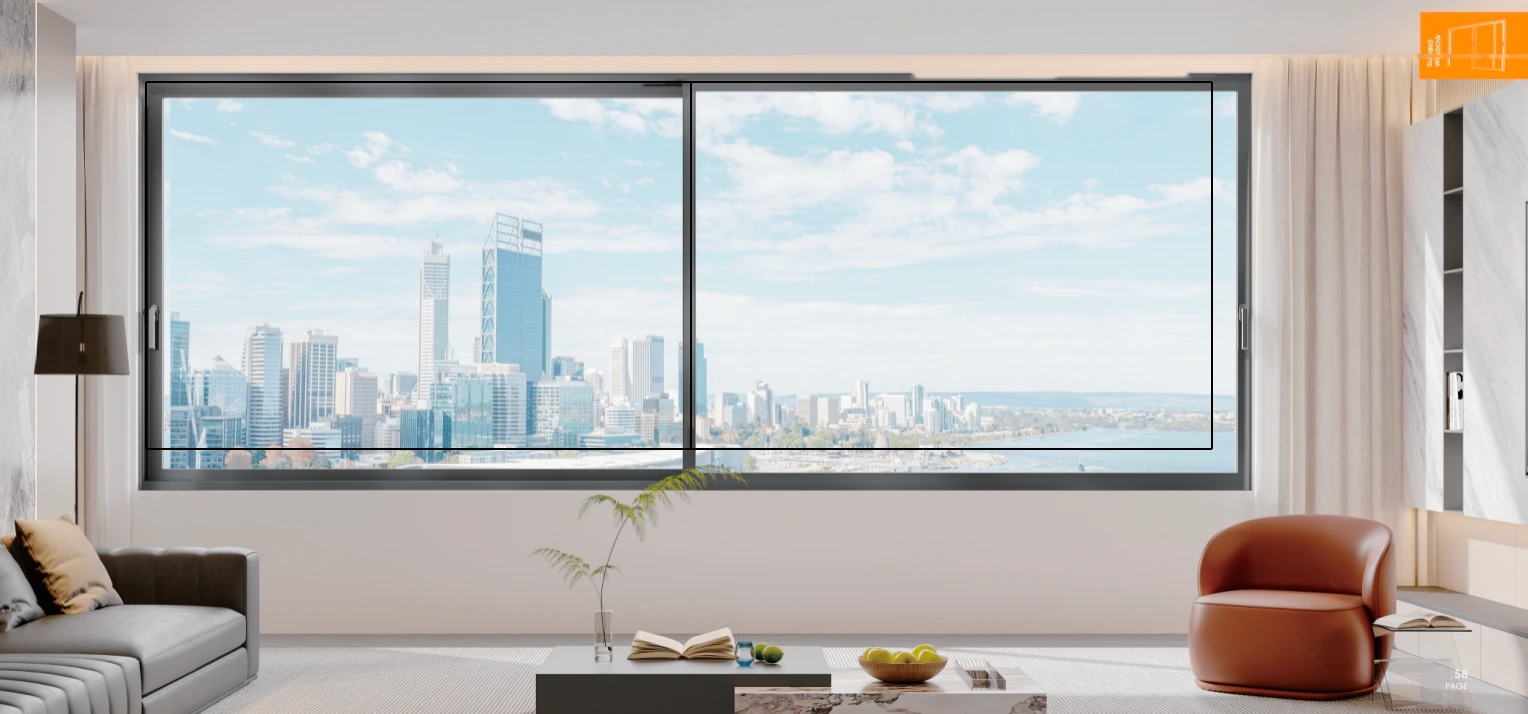
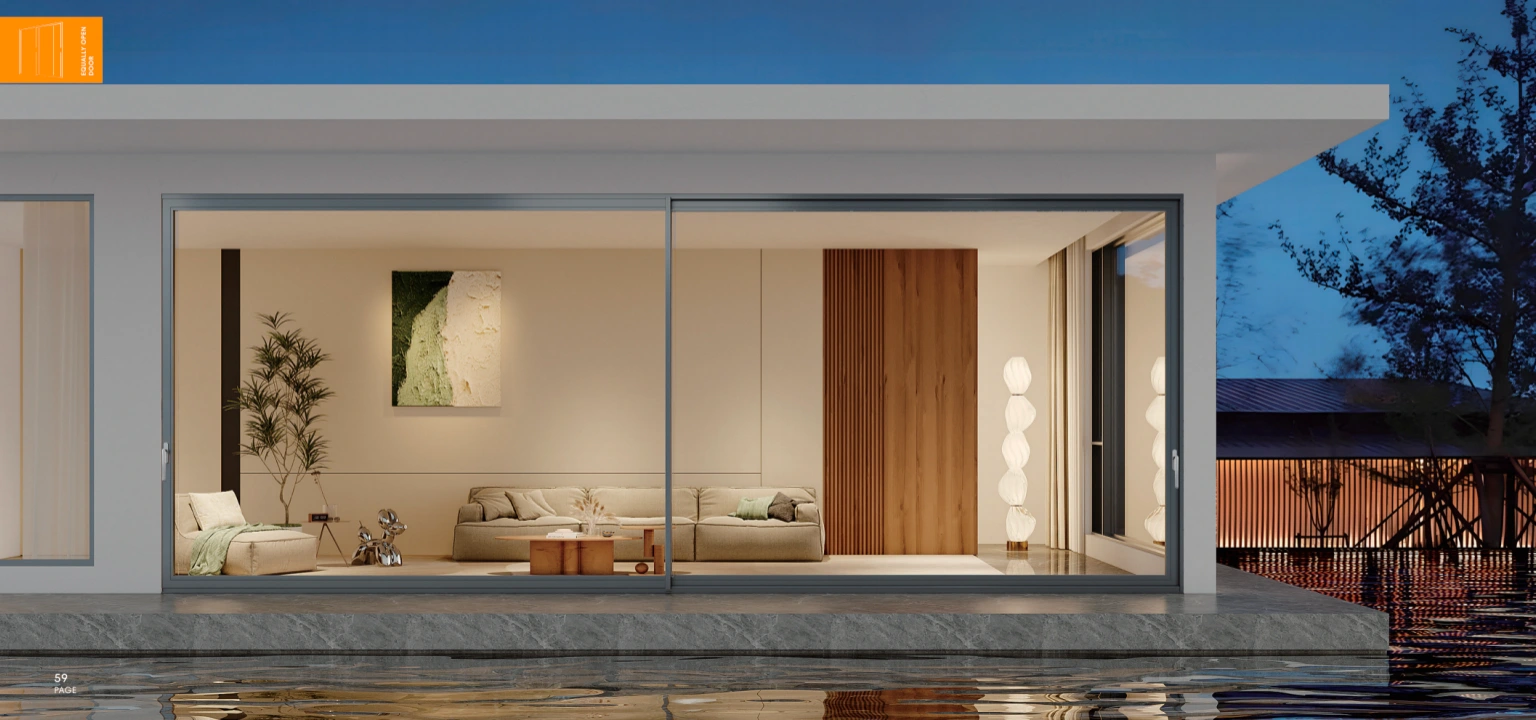
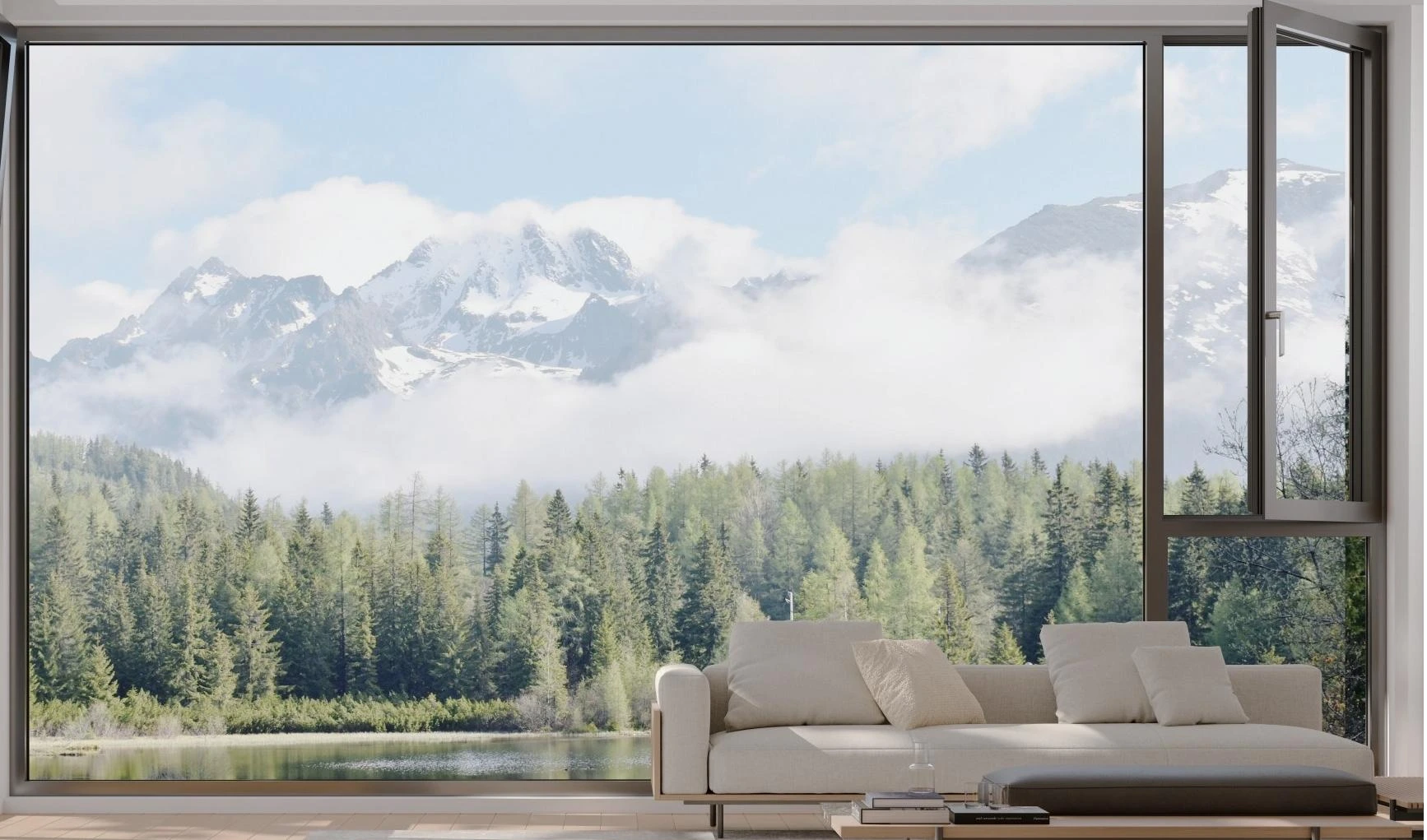
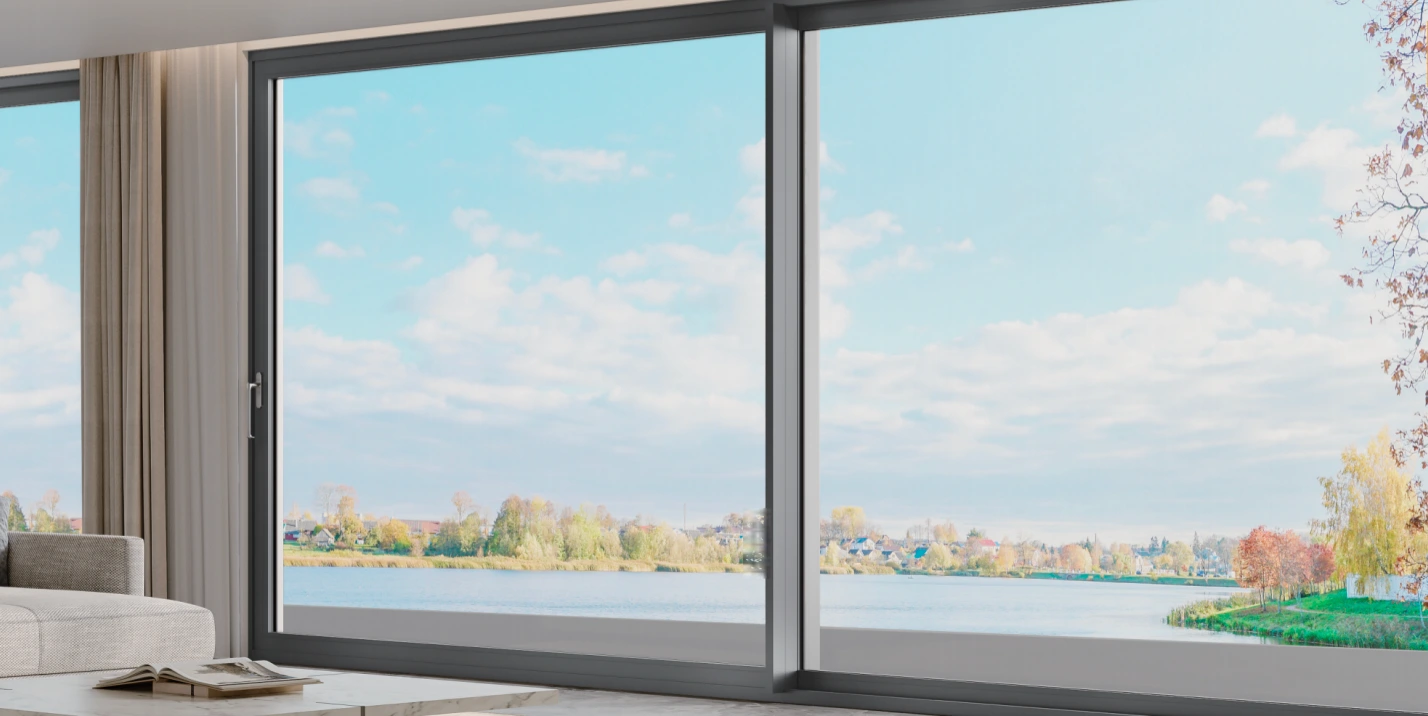
В современном архитектурном и интерьерном дизайне понятие "дверь" вышло далеко за рамки традиционной роли физической границы. На сайте Раздвижная дверь с узкой рамкой, состоящая из трех звеньев представляет собой эволюцию - синтез структурного интеллекта, изысканной эстетики и дизайна, ориентированного на человека. Это не просто дверь, это утверждение инженерной точности и визуального минимализма, которое превращает жилые и рабочие пространства в бесшовные среды света и открытости.
Эта раздвижная система нового поколения была задумана для решения одной из самых насущных проблем современной архитектуры: как максимизировать свет, пространство и энергоэффективность без ущерба для приватности, долговечности и целостности дизайна. Трехзвенный механизм в сочетании с ультратонкой рамкой воплощает этот баланс с техническим мастерством и минималистской красотой.
Философия дизайна: Минимум рамок, максимум прозрачности
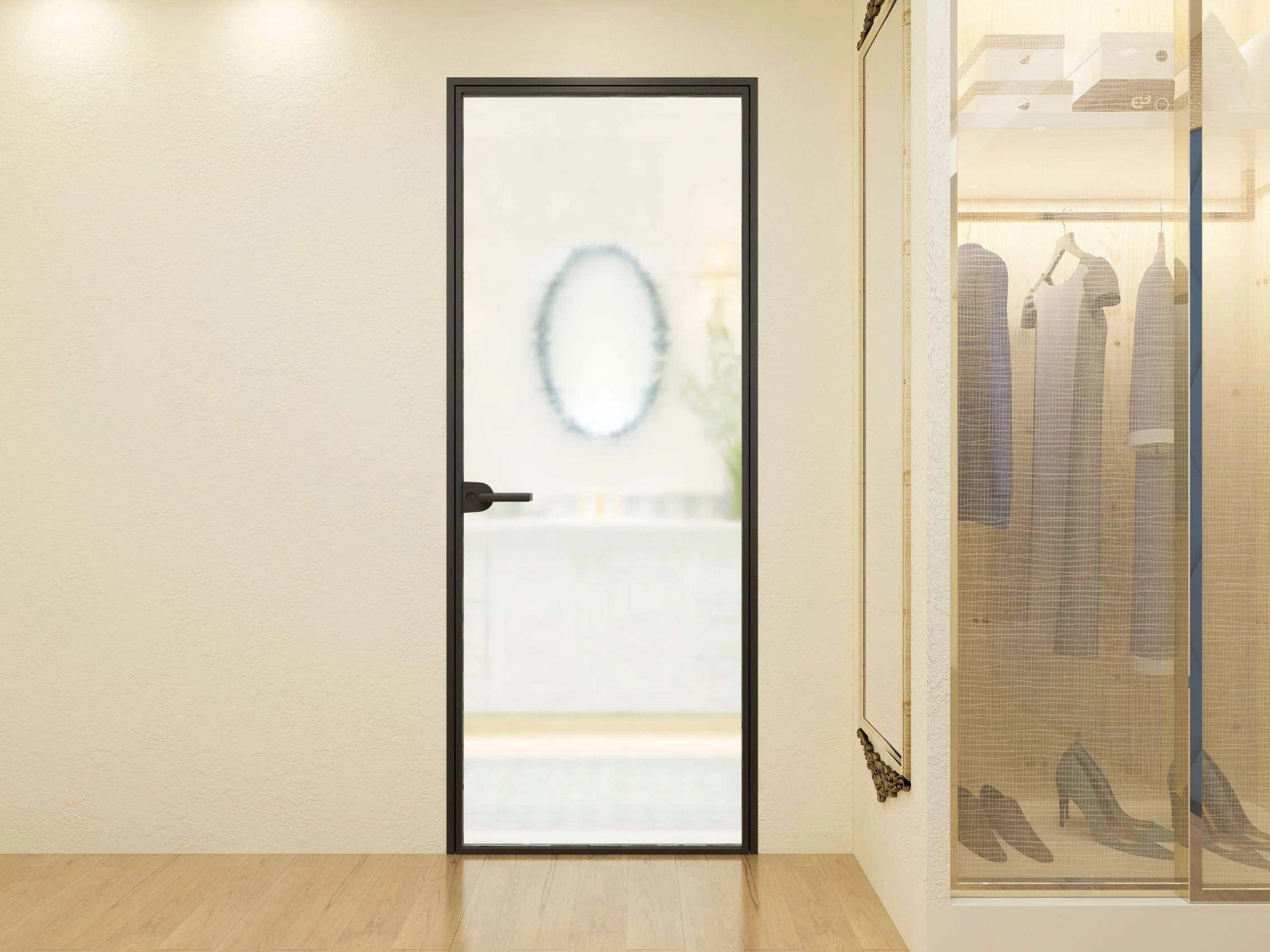
Определяющей эстетической особенностью раздвижной двери Three-Linkage Narrow Bezel является ее узкая рама, ширина которой зачастую не превышает 30 мм. Такая конструкция уменьшает визуальные барьеры, позволяя архитектуре дышать. Идея основана на философии "невидимых границ" - стирание границы между интерьером и экстерьером при сохранении четкого функционального разделения.
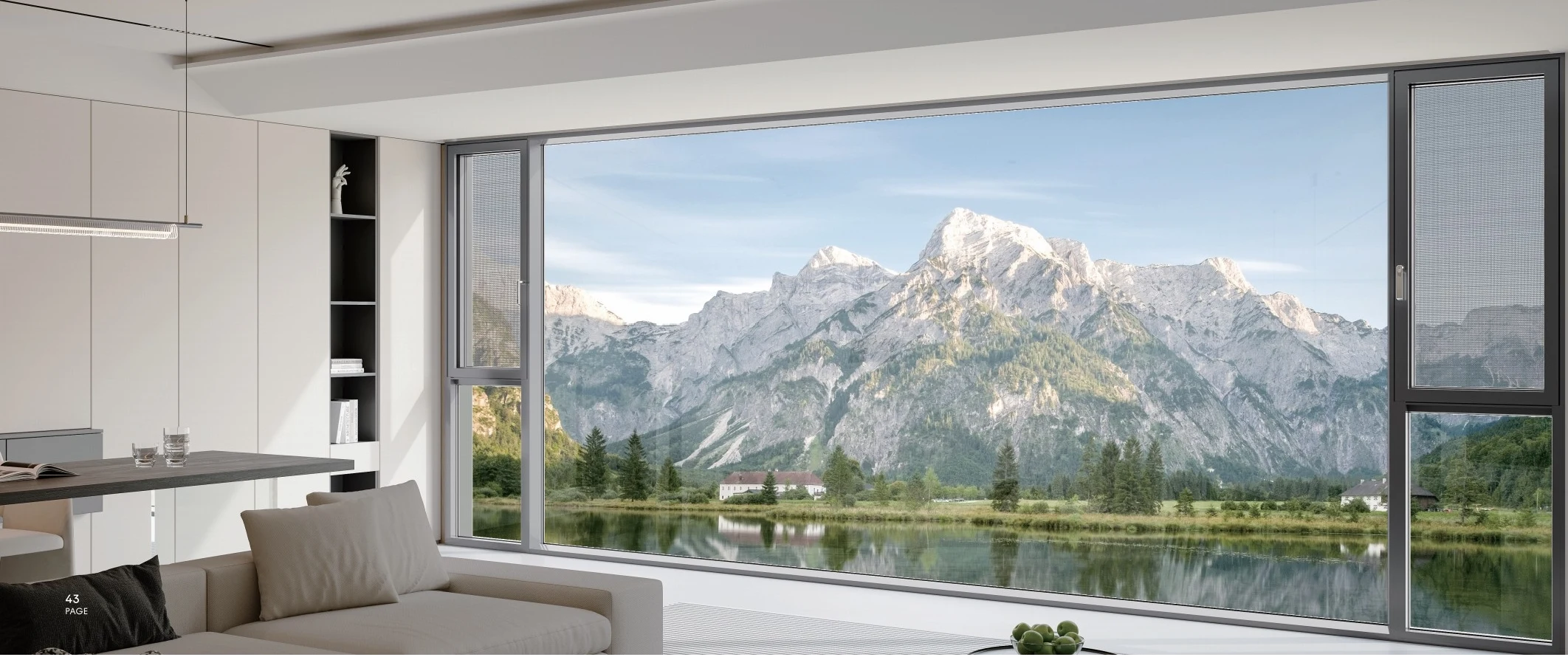
Каждый миллиметр рамы продуман до мелочей. Благодаря минимизации алюминиевой части и максимизации стекла эти двери создают практически непрерывный панорамный вид. Это усиливает естественное освещение, снижает потребность в искусственном освещении и создает ощущение расширенного пространства, что особенно ценно в городских квартирах, офисных помещениях и современных виллах с открытой планировкой.
Трехзвенная система позволяет сделать еще один шаг вперед. При открывании несколько панелей скользят синхронно, обеспечивая плавный переход без наложения теней на раму. Система позволяет одним движением ручки приводить в движение две или три панели одновременно, обеспечивая идеально сбалансированное скольжение - элегантное, легкое и бесшумное.
Структурный интеллект: Объяснение механизма трех связей
Суть этой инновации заключается в механической системе синхронизации. В традиционных раздвижных дверях каждая панель работает независимо. Несмотря на простоту, такая конструкция часто приводит к дисбалансу трения, повышенному износу и неравномерному распределению усилий. Трехзвенная система решает эти проблемы благодаря прецизионному механизму из направляющих и шкивов.
Вот как это работает:
Первичная панель соединяется со вторичной и третичной панелями с помощью скрытых тяг.
Когда пользователь сдвигает главную панель, стержни одновременно передают движение остальным, позволяя всем панелям двигаться согласованно.
Такая конструкция исключает перекос, повышает устойчивость и позволяет открывать всю ширину при минимальных усилиях пользователя.
Помимо удобства, система снижает механическую нагрузку на ролики и подшипники направляющих, значительно продлевая срок службы. В результате дверь кажется легкой, но при этом обладает промышленной прочностью и подходит для помещений с высокой проходимостью, таких как гостиницы, выставочные залы или коммерческие вестибюли.
Материалы и производство: Точность в каждой детали
Узкая рамка безеля требует применения передовых технологий экструзии алюминия и обработки поверхности, чтобы сохранить прочность, несмотря на тонкость. Используются только высококачественные архитектурные алюминиевые сплавы (обычно 6063-T6 или эквивалент), обеспечивающие структурную целостность и долговременную устойчивость к деформации.
Каждый компонент проходит обработку на станках с ЧПУ и анодирование или порошковое покрытие, что гарантирует устойчивость к коррозии, стойкость к царапинам и однородность цвета. Для остекления обычно используется закаленное или ламинированное стекло толщиной от 6 мм до 12 мм, иногда в сочетании с покрытием Low-E для улучшения теплоизоляции и защиты от ультрафиолета.
Сочетание легкого металла и прецизионных роликов обеспечивает плавное управление даже крупноформатными воротами одной рукой. В большинстве систем в несущие колеса из нейлона или нержавеющей стали встроены шарикоподшипники, герметично защищенные от пыли и влаги, что обеспечивает десятилетия стабильной работы.
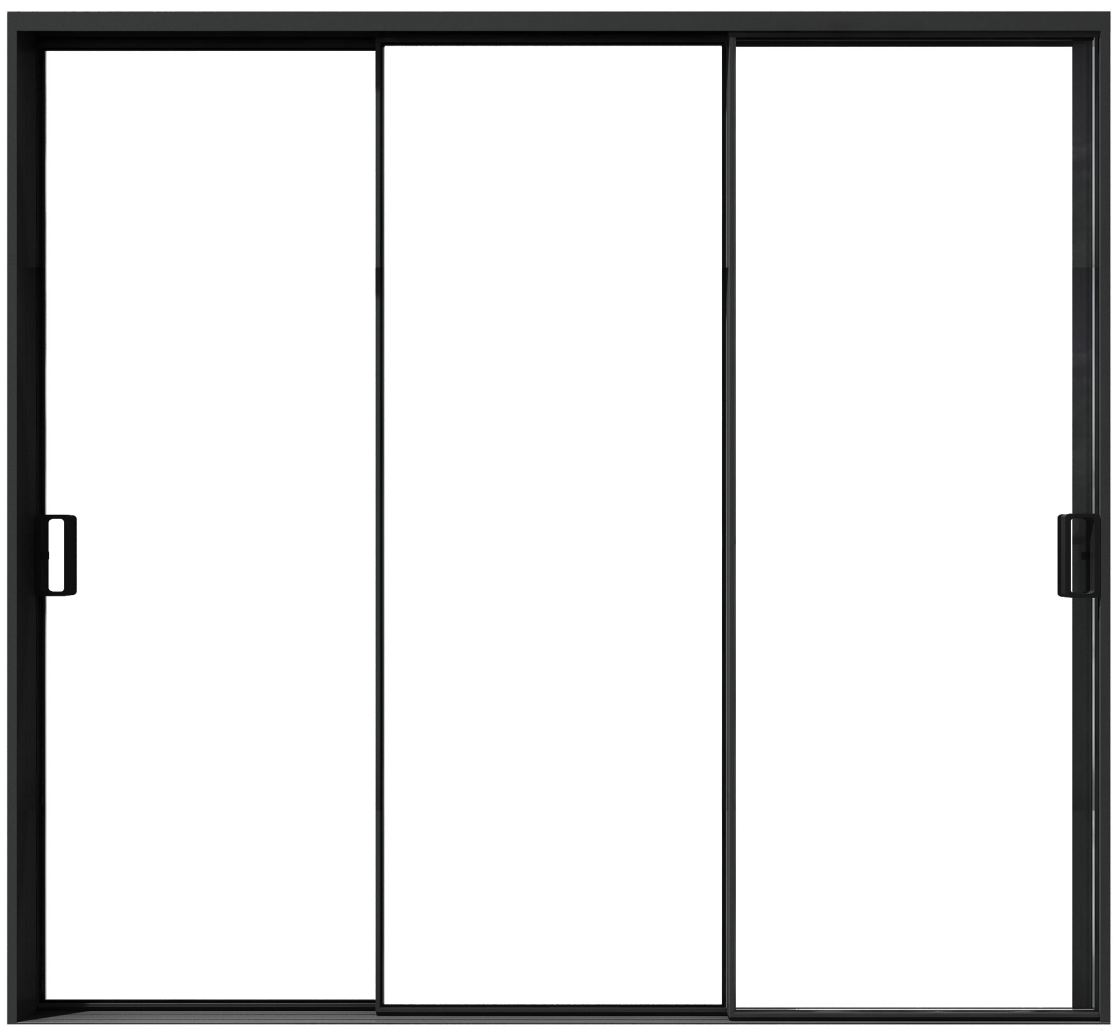
Основные преимущества трехзвенных раздвижных дверей с узкой рамкой
Эти двери не просто красивы, они являются функциональными достижениями, рожденными инженерной доработкой и ориентированным на пользователя дизайном.
Улучшенная эстетика: Минималистичный алюминиевый профиль дополняет современные интерьеры, делая акцент на стекле и свете, а не на фурнитуре.
Бесперебойная работа: Синхронизированная навеска обеспечивает синхронное, стабильное движение с минимальным уровнем шума и вибрации.
Энергоэффективность: Герметичные уплотнители, двойное остекление и изолированные направляющие минимизируют теплопередачу и утечку звука.
Оптимизация пространства: Многопанельная навеска обеспечивает проемы во всю ширину, не требуя дополнительных зазоров в стене.
Персонализация: Доступны различные варианты отделки - матовый черный, анодированное серебро, золото шампанского - и различные варианты стекла (прозрачное, матовое, тонированное, смарт-стекло).
Такое сочетание формы и функциональности делает систему идеальной для элитных жилых проектов, бутик-офисов и коммерческих зданий, требующих одновременно практичности и изысканной эстетики.
Применение в различных архитектурных секторах
Трехстворчатая раздвижная дверь с узкой рамкой нашла свое место в самых разных архитектурных и интерьерных решениях.
Жилая архитектура:
В домах и виллах премиум-класса эти двери служат переходами между гостиными и балконами, между кухнями и внутренними двориками. Они обеспечивают естественную вентиляцию, оптимизируют использование пространства и усиливают связь между внутренним и внешним пространством.Коммерческие и офисные помещения:
Архитекторы и дизайнеры интерьеров отдают предпочтение этим системам за их способность разделять офисы открытой планировки без визуальных препятствий. Прозрачные перегородки способствуют сотрудничеству, сохраняя при этом акустическую конфиденциальность.Гостиничный бизнес и розничная торговля:
Отели, курорты и магазины розничной торговли используют раздвижные системы с узкими рамками, чтобы создать ощущение открытости и элегантности, используя стекло для привлечения естественного света и улучшения видимости товаров.Общественные здания:
Музеи, галереи и аэропорты пользуются этими дверями для контролируемого доступа и беспрепятственного движения толпы, в них легко интегрируются автоматика и датчики безопасности.
Энергоэффективность и акустические характеристики
Один из недооцененных аспектов систем с узкими рамками - их тепло- и звукоизоляционные характеристики. Несмотря на минимальный профиль, передовые разработки обеспечивают герметичность.
Высококачественные резиновые или EPDM прокладки по краям рамы эффективно блокируют сквозняки и влагу. Многоточечные запорные механизмы обеспечивают равномерное давление по всей линии уплотнения, предотвращая потерю энергии даже в экстремальных климатических условиях.
С точки зрения акустики, сочетание многослойного стекла и плотной рамы достигает коэффициента снижения шума (Rw) до 38-42 дБ в зависимости от конфигурации. Это означает, что оживленные улицы, строительный шум или внутренние помехи эффективно приглушаются, создавая более тихую и комфортную обстановку.
Инновации в области проектирования дорожек и аппаратных средств
Система направляющих - еще один основной элемент трехзвенной раздвижной двери с узкой рамкой. Направляющие изготавливаются из закаленного алюминия или нержавеющей стали и предназначены для установки заподлицо с полом для обеспечения безбарьерного доступа.
Важным аспектом является скрытая дренажная и антипылевая система, встроенная в порог. Она предотвращает попадание воды во время сильного дождя и снижает потребность в обслуживании.
Кроме того, механизмы плавного закрывания и демпфирования повышают удобство использования - предотвращают захлопывание панелей, продлевают срок службы оборудования и повышают безопасность, особенно в семьях с детьми или пожилыми людьми.
Примеры ключевых инноваций включают:
Скрытые регулируемые ролики для идеального выравнивания.
Магнитные или нажимные уплотнения для плавного закрытия.
Встроенный замок, совместимый с системами "умный дом".
Эти инновации отражают слияние механического дизайна и комфорта пользователя, идеально соответствуя современным архитектурным ожиданиям.
Установка и обслуживание
Несмотря на точность конструкции, успех этих дверей во многом зависит от правильной установки. Профессиональные специалисты обычно выполняют многоступенчатые процедуры, включающие:
Выравнивание основания и выравнивание дорожек.
Закрепление рамных анкеров с помощью структурного клея и расширительных винтов.
Установка стеклянных панелей с силиконовым уплотнением и антивибрационными прокладками.
Проверка синхронизации тяг и регулировка натяжения колес.
Регулярное обслуживание включает в себя простую чистку направляющих и периодическую смазку роликов. При надлежащем уходе высококачественные трехзвенные раздвижные двери с узкой рамкой могут сохранять пиковую производительность более 15 лет при минимальных требованиях к обслуживанию.
Тенденции рынка и перспективы развития
В последние годы мировой спрос на архитектурные алюминиевые раздвижные системы стремительно растет, что обусловлено тенденциями минимализма, энергоэффективного дизайна и экологичного строительства. В рамках этой эволюции раздвижная дверь Three-Linkage Narrow Bezel стоит на границе инноваций.
Современные тенденции указывают на то, что:
Интеллектуальная интеграция: Все больше систем теперь оснащены моторизованным открыванием с дистанционным или голосовым управлением.
Устойчивость: Использование алюминия, пригодного для вторичной переработки, и энергосберегающего стекла соответствует сертификатам экологичности зданий, таким как LEED и BREEAM.
Персонализация: Архитекторы все чаще запрашивают индивидуальные цвета рам, дизайн ручек и типы стекол, чтобы соответствовать эстетике конкретного проекта.
В будущем слияние цифрового производства, автоматизации и экоматериалов еще больше расширит границы возможностей узкокаркасных систем, возможно, интегрируя фотоэлектрические стекла или адаптивные тонирующие технологии для получения энергии и динамического затенения.
Инженерия света и движения
Раздвижная дверь Three-Linkage Narrow Bezel воплощает в себе основную философию современного архитектурного дизайна - простоту и изысканность. За чистыми линиями скрывается сложное взаимодействие механики, материалов и мастерства, которое переосмысливает ощущение пространства.
Она предоставляет архитекторам, дизайнерам и домовладельцам инструмент для создания открытости без компромиссов - дверь, которая работает так же тихо, как свет проходит сквозь стекло, объединяя точность конструкции с художественной выразительностью.
В мире, где все больше ценятся гибкость, энергоэффективность и визуальная чистота, эта инновационная дверная система является одновременно функциональным активом и произведением инженерного искусства, формирующим архитектуру будущего с каждым плавным и бесшумным скольжением.