
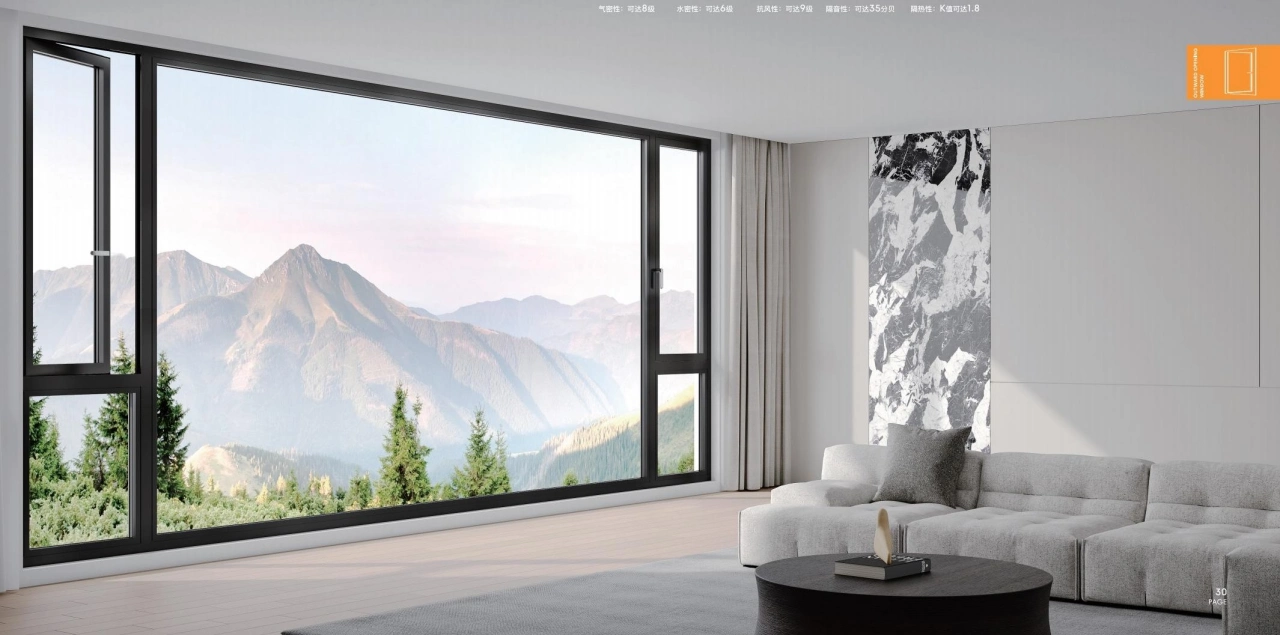
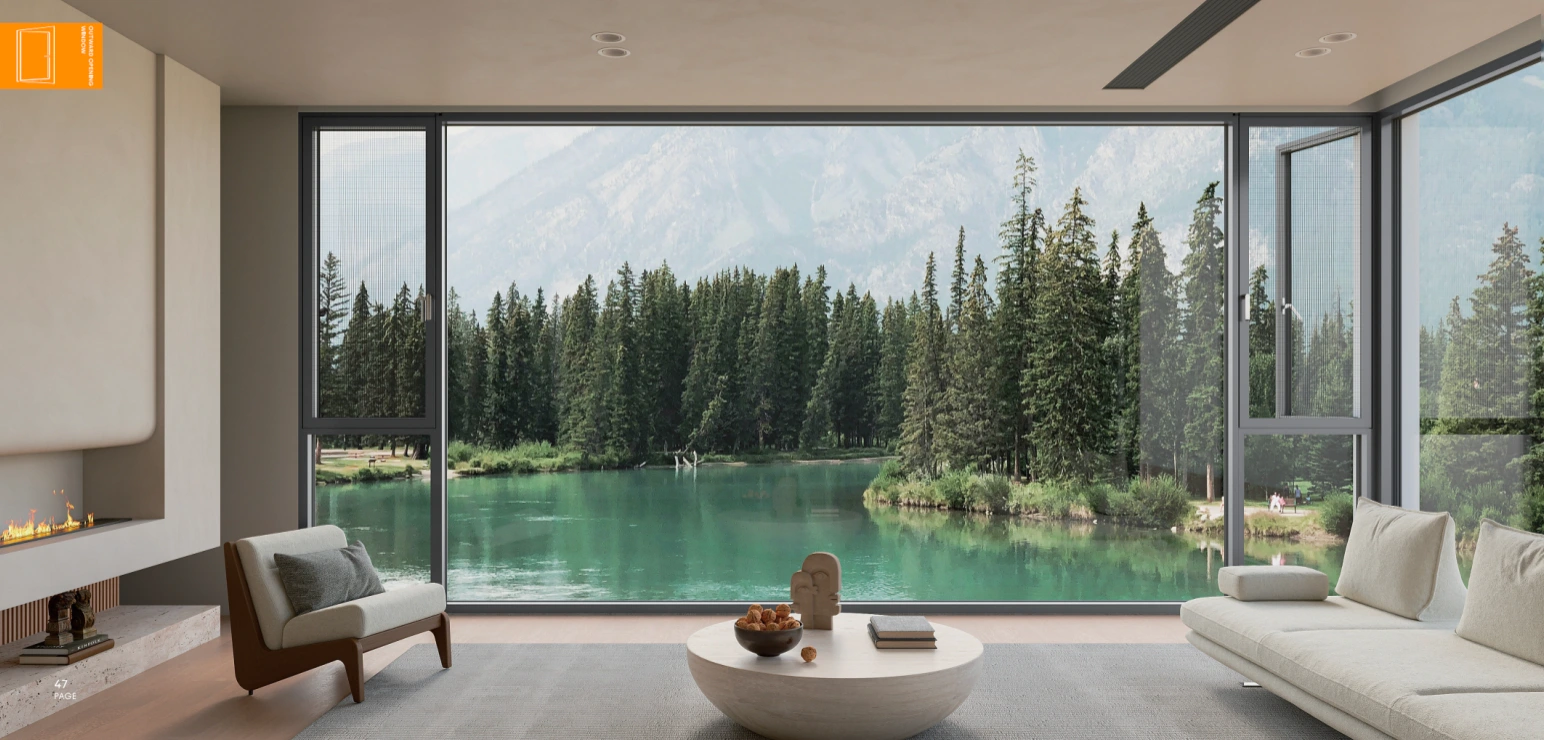
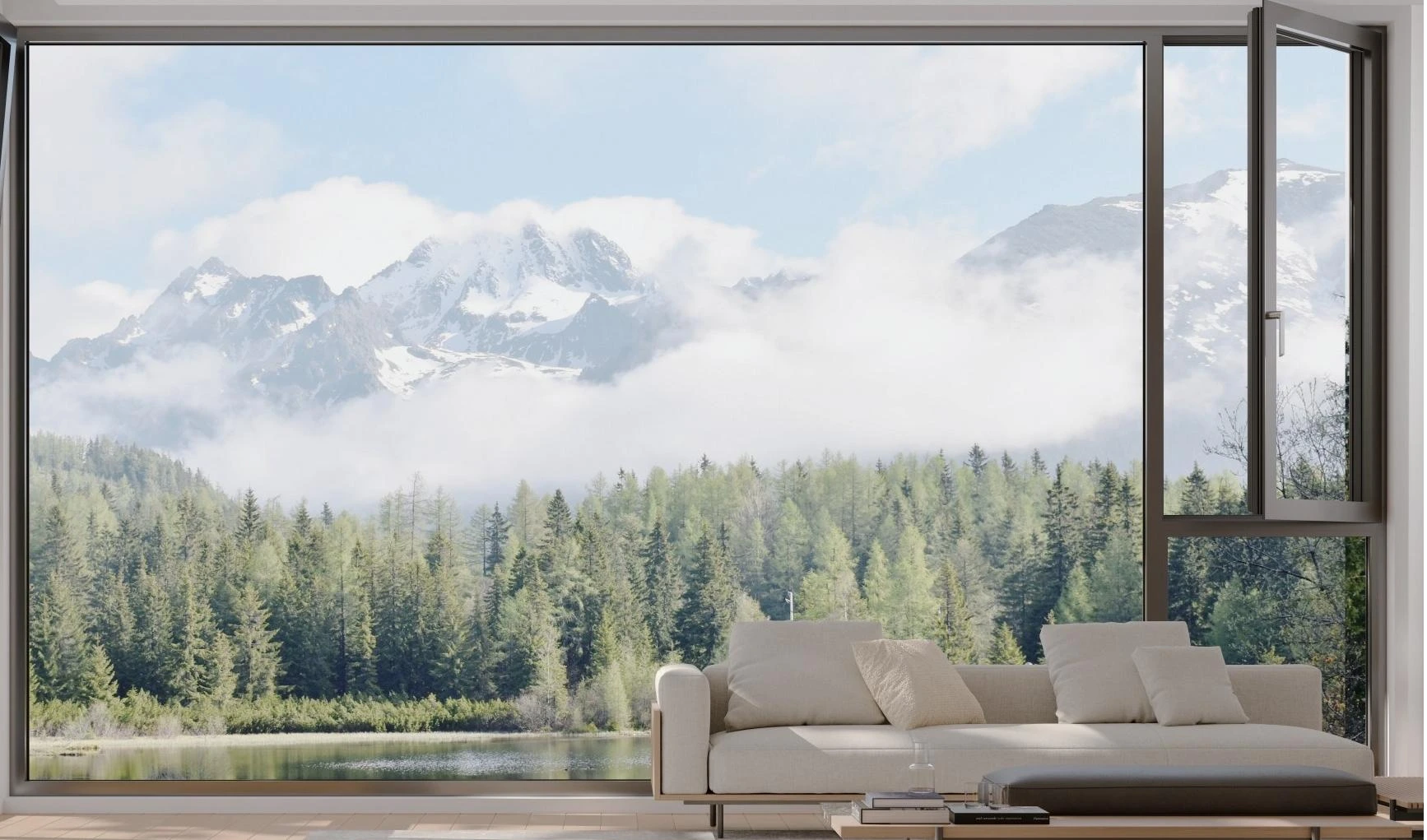
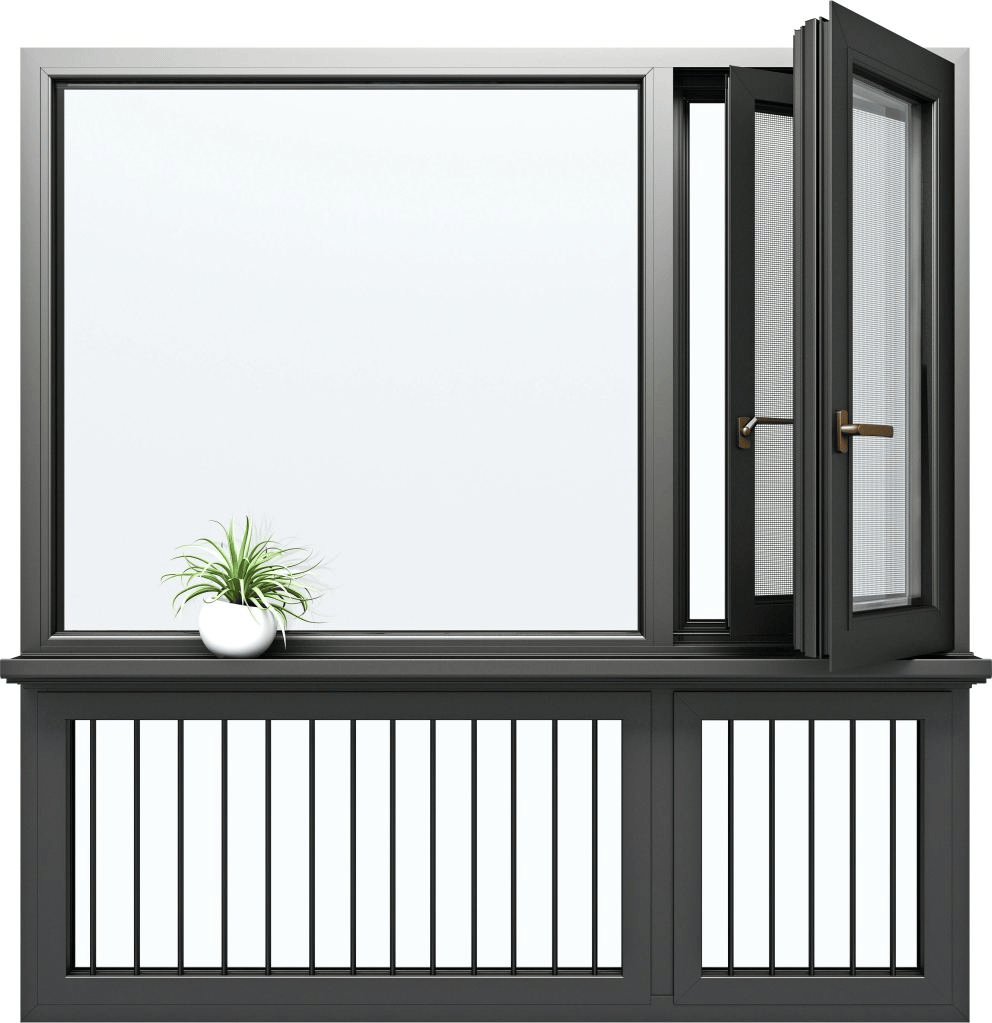
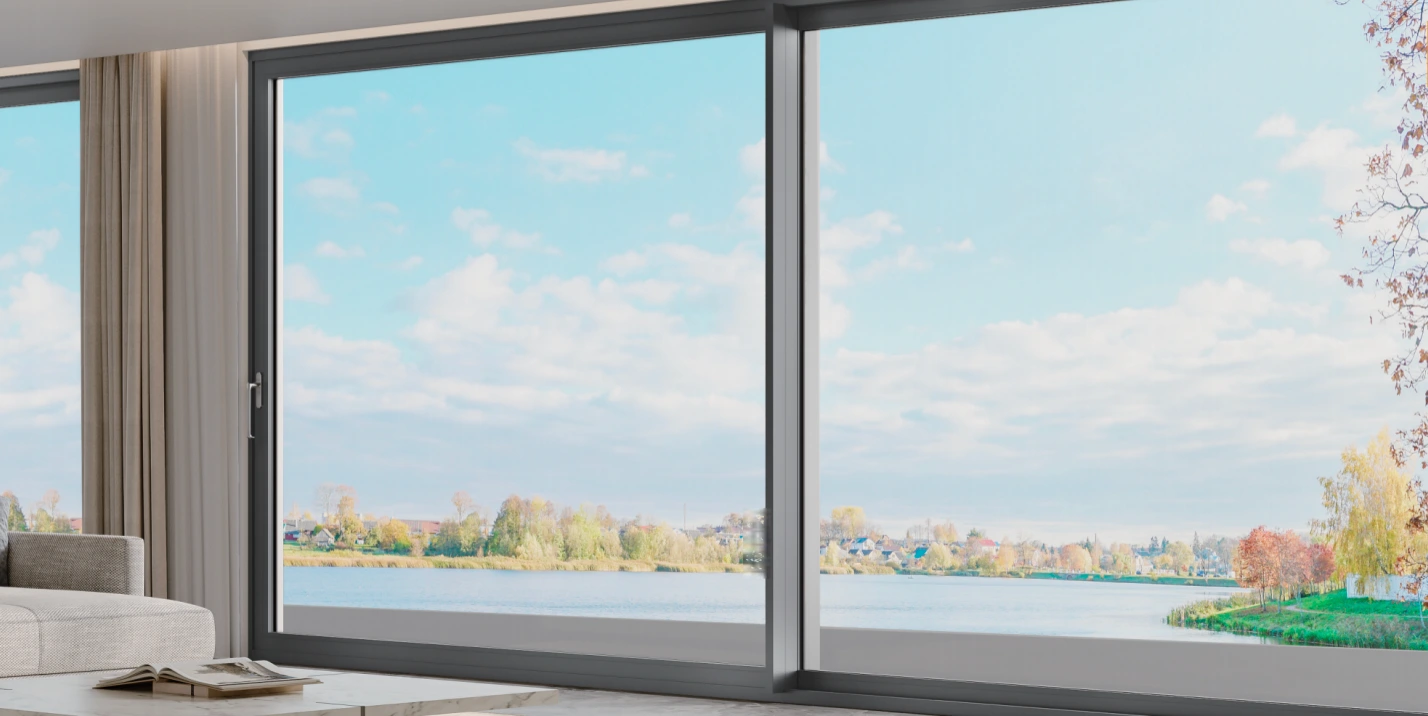
Space has been and remains the prerequisite of modern buildings, becoming more apparent as cities grow and architecture turns compact. Usable area is directly defined by every structural component, from wall thickness to window operation type and openness. Among contemporary window systems,110 three-track sliding windows stand out since they are specifically oriented toward maximum space utilization while not ready to compromise on any aspect related to functionality or comfort, or visual openness.
110 three-track sliding windows do not depend on outward or inward opening mechanisms but operate within a defined horizontal plane. This basic design parameter has implications at various levels for interior layout, use of balconies, ventilation, and total spatial performance. The details to which these systems contribute to an understanding of space efficiency will have to be examined from their structure and mode of operation, as well as the way they are integrated into modern buildings.
The Concept of Space Efficiency in Modern Architecture
Space efficiency is no longer about decreasing square footage or pushing layouts closer together. Space efficiency is outlined in how well a space can be used, adapted, and maintained over time.
In homes, it determines furniture placement options, circulation paths, and opportunities for storage. In commercial and mixed-use buildings it determines occupant flow paths and maintenance access to long-term operational flexibility. Window systems are often underestimated in the role they play toward usable footprint space, but are extremely critical.
We designed 110 three-track sliding windows, considering broader spatial aspects.
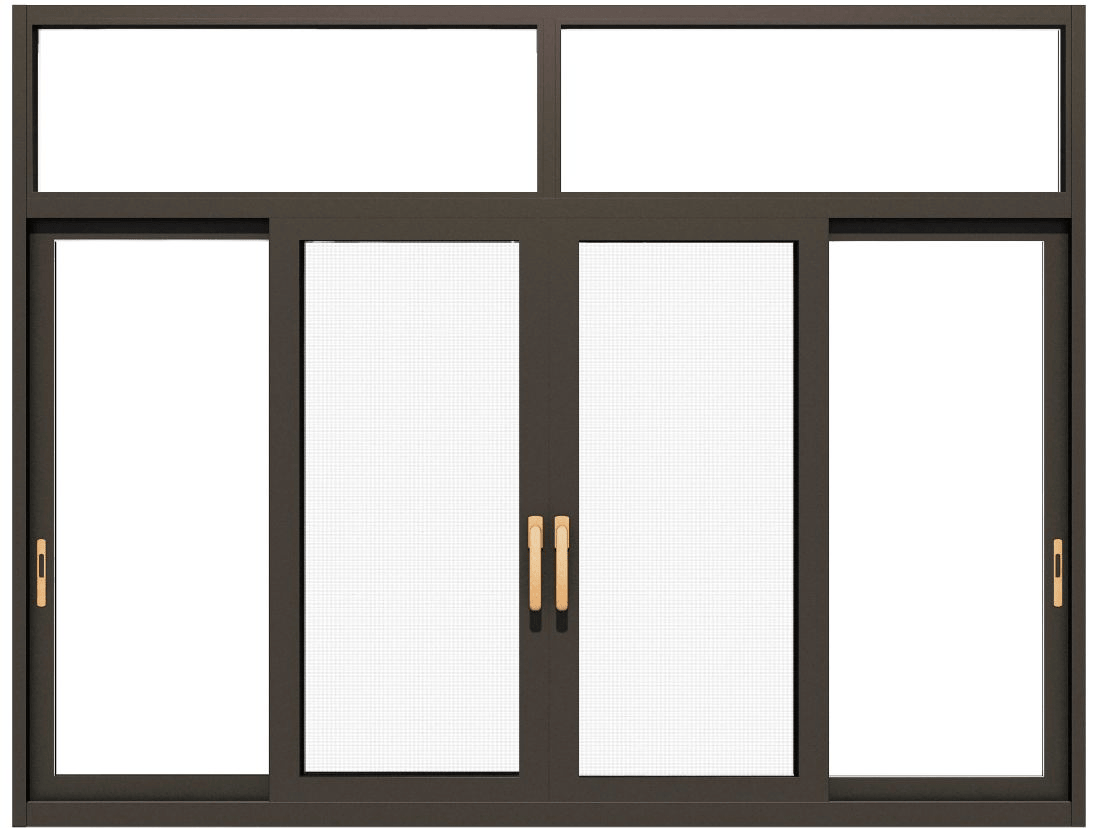
Understanding the Structural Design of 110 Three-Track Sliding Windows
The foundation of space efficiency lies in the system’s structural configuration.
Meaning of the 110 System Depth
“110” means the depth of frame in millimeters, permitting three parallel tracks to run within one frame while maintaining structural stability and proper sealing performance.
Here is a system where space efficiency meets safety and durability with no compromise. Unlike other deeper or bulkier systems encroaching into interior space, the 110 profile has been designed to strike a balance between being compact and its load-bearing capability.
Three Independent Sliding Tracks
Each track holds a different sash; three panels can move separately within the same frame opening. This is multi-track system is one of the main differences that set it apart from the conventional two-track systems, which mostly restrict movement and flexibility in opening.
Since the panels travel parallel to the wall, all operation takes place within the window plane, thereby preserving adjacent interior and exterior space.
Sliding Operation as a Core Space-Saving Mechanism
One of the most direct ways 110 three-track sliding windows improve space efficiency is through their mode of operation.
Elimination of Swing Clearance
Casement, awning, and tilt windows have a specific, defined clearance area for opening. Most of the time, this does not allow much flexibility in placing furniture within the room or even circulation space if the room is small or on narrow balconies.
Sliding windows do not have any such requirement. The panels simply glide horizontally to open up space immediately in front of and around the window, which can be considered as adding more effective usable area to compact environments.
Consistent Operation in Confined Conditions
In locations where outward opening is restricted—such as high-rise facades, narrow walkways, or areas with safety barriers—sliding systems provide reliable functionality without spatial compromise.
The operation remains consistent regardless of interior layout changes, reinforcing long-term space efficiency.
Flexible Opening Configurations and Spatial Control
Beyond basic sliding motion, the three-track system introduces a higher level of spatial adaptability.
Partial Openings Without Obstruction
With three independent sashes, occupants can choose how much of the opening to expose. One panel can be opened for controlled ventilation, two panels for increased airflow, or all three panels for maximum openness.
This flexibility allows space to be adjusted to functional needs without rearranging furniture or modifying layouts.
Maximizing Usable Opening Width
Three-track sliding windows allow wider effective openings compared to two-track systems, which normally confine the opening to half the total width. This brings about better indoor-outdoor interaction with a compact system footprint.
The wider opening provides easier access to balconies without taking up extra space.
Interior Layout Optimization Enabled by Sliding Windows
Interior design decisions are often constrained by window operation. 110 three-track sliding windows reduce these constraints significantly.
Improved Furniture Placement Options
Because there is no swing arc for the door, furniture can be placed right next to the window. This is particularly useful in bedrooms, living rooms, and studies where space along the walls is important.
Designers can use the area next to the window for seating, storage, or work surfaces without compromising the functionality of the window.
Enhanced Wall Continuity
The slim, integrated frame design supports clean wall lines and reduces visual interruption. This contributes to a more continuous interior surface, which not only improves aesthetics but also enhances the perception of spaciousness.
Perceived space is a crucial aspect of space efficiency, especially in compact interiors.
Balcony Integration and Usable Space Expansion
Balconies represent a unique spatial challenge in modern buildings. They serve as transitional spaces but are often underutilized due to weather exposure and inefficient enclosure systems.
Enclosing Balconies Without Sacrificing Area
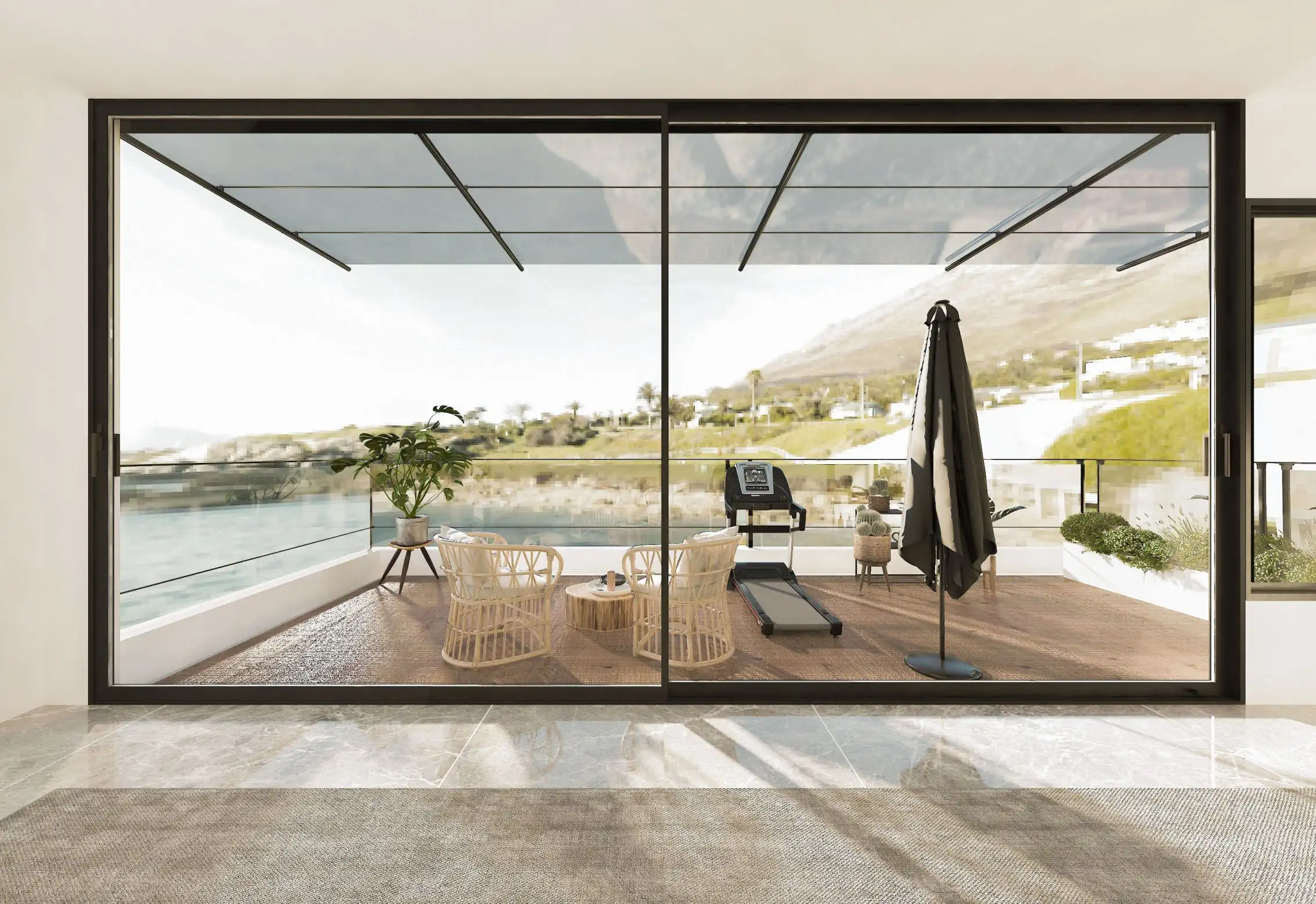
110 three-track sliding windows allow balconies to be enclosed without reducing usable space. Unlike folding or hinged systems that require stacking or swing zones, sliding panels remain within the frame.
This ensures that the full balcony footprint remains accessible and functional at all times.
Supporting Multi-Functional Balcony Use
Once enclosed efficiently, balconies can be repurposed as reading areas, home offices, storage zones, or extended living spaces. The window system supports these transformations by maintaining flexibility and minimizing spatial restrictions.
This adaptability enhances the overall spatial efficiency of the dwelling.
Structural Efficiency and Slim Profile Advantages
Space efficiency is influenced not only by floor area but also by how much visual and physical bulk structural elements introduce.
Balanced Load Distribution Across Tracks
The three-track system places an even load on the frame by keeping the weight of the sashes balanced, allowing slimmer profiles without any compromise in structural integrity.
Slimmer frames mean less visual obstruction and a higher proportion of glass. Increased daylight penetration with a more open spatial feel is observed when there is a high proportion of glass to space.
Compatibility With Large Openings
110 three-track sliding windows are well-suited for wider openings commonly found in modern architecture. They accommodate larger glass panels without requiring bulky reinforcements that intrude into the interior space.
This compatibility supports open-plan designs and expansive views without spatial penalties.
Ventilation Efficiency Without Additional Spatial Requirements
Ventilation plays a significant role in occupant comfort, but mechanical ventilation systems often occupy valuable space.
Adjustable Natural Ventilation
The multiple sliding panels allow precise control over airflow. Occupants can regulate ventilation levels without fully opening the window, maintaining comfort while preserving privacy and safety.
This reduces reliance on fans or air-conditioning units that consume floor or wall space.
Supporting Cross-Ventilation Strategies
When positioned strategically, three-track sliding windows enhance cross-ventilation, improving indoor air quality and thermal comfort. Effective natural ventilation contributes indirectly to space efficiency by reducing the need for space-consuming mechanical systems.
Noise Control and Spatial Comfort
Space efficiency also relates to how comfortably a space can be used.
Improved Sealing and Acoustic Performance
Well-designed 110 three-track sliding windows incorporate multi-point sealing systems that reduce air and noise infiltration. This allows interior spaces to function effectively without additional soundproofing structures.
By minimizing the need for supplementary acoustic treatments, more usable space is preserved.
Stable Operation Reducing Wear-Related Space Loss
Smooth sliding mechanisms reduce wear and deformation over time. This stability ensures that panels continue to operate within their intended tracks, preventing misalignment that could encroach on interior space.
Maintenance Efficiency and Long-Term Space Optimization
Efficient use of space extends beyond daily operation to include maintenance and lifecycle considerations.
Interior Access for Cleaning and Servicing
Sliding panels can typically be removed or serviced from inside the building. This eliminates the need for external access equipment, scaffolding, or clearance zones.
In high-rise buildings, this maintenance efficiency supports long-term spatial optimization by reducing operational constraints.
Reduced Need for Replacement Space
Durable construction and stable operation reduce the frequency of repairs and replacements. This minimizes disruption and preserves space continuity over the building’s lifespan.
Space Efficiency in High-Density Residential Buildings
High-density housing places unique demands on window systems.
Compliance With Safety Regulations
Sliding windows often comply more easily with safety regulations related to fall prevention and wind load. This allows architects to design larger openings without additional barriers that consume space.
Supporting Standardized Modular Layouts
110 three-track sliding windows integrate well with standardized modular construction. Their predictable dimensions and operation support efficient layout repetition, reducing wasted space across multiple units.
Application in Commercial and Mixed-Use Spaces
Space efficiency is equally important in commercial environments.
Optimizing Office and Retail Layouts
In offices, sliding windows allow workstations to be positioned near windows without operational interference. In retail spaces, they maintain clean display areas without obstructive swing zones.
Enhancing Public Area Flexibility
In lobbies, corridors, and shared spaces, sliding windows support adaptable layouts and unobstructed movement, contributing to overall spatial efficiency.
Comparison With Other Window Systems
Understanding relative space efficiency highlights the advantages of 110 three-track sliding windows.
Compared to Casement Windows
Casement windows require swing clearance and limit adjacent space usage. Sliding systems eliminate this limitation entirely.
Compared to Folding Systems
Folding systems create wide openings but require stacking space. Three-track sliding windows maintain full usability without sacrificing opening width.
Compared to Two-Track Sliding Windows
Two-track systems limit opening flexibility. Three-track designs provide more adaptable configurations within the same wall space.
Design Compatibility and Architectural Integration
Space efficiency improves when systems integrate seamlessly with architectural intent.
110 three-track sliding windows align with minimalist design trends, supporting clean lines and unobstructed views. Their discreet operation allows architecture and interior design to take precedence over mechanical considerations.
Sustainability and Space Efficiency
Efficient use of space supports sustainability goals.
By enabling better natural ventilation, improved daylight access, and reduced reliance on mechanical systems, 110 three-track sliding windows contribute to energy efficiency. Their durability also reduces material consumption over time.
Long-Term Value of Space-Efficient Window Systems
Space efficiency translates into long-term value for occupants, developers, and building managers.
More usable space enhances occupant satisfaction, increases property flexibility, and supports future adaptation without structural modification.
Conclusion
110 three-track sliding windows maximize the use of space inside a room through an effective mechanism of sliding and structural opening optimization. There is no swing clearance because it slides; flexibility could be achieved in its three-track system design, and apparent openness can be realized due to slim profiles that take up little visible space.
In modern architecture, because space is mostly reserved and areas are expected to be adaptive, such window systems prove both practical and progressive. This shall further enlighten the aspects that these elements set on layout, ventilation modes, maintenance practices, as well as their future application usability, hence making designers,s together with end-users, informed to implement decisions of maximizing spaces either in residential or commercial projects.