
Rezumat
For buildings in high-rainfall, tropical, and coastal regions, selecting the right window system is essential for maintaining indoor comfort, preventing water infiltration, and improving energy efficiency. Heavy rain, strong winds, humidity, and condensation can create ventilation challenges when traditional windows cannot provide sufficient weather protection.
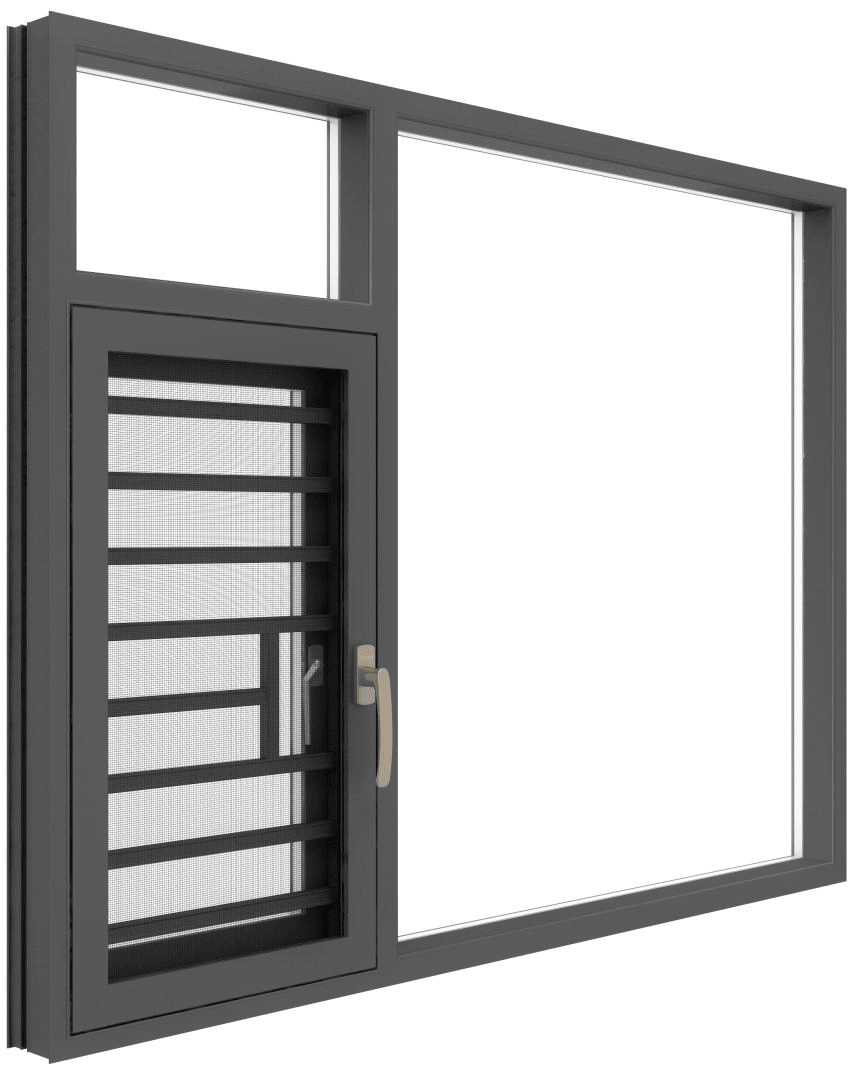
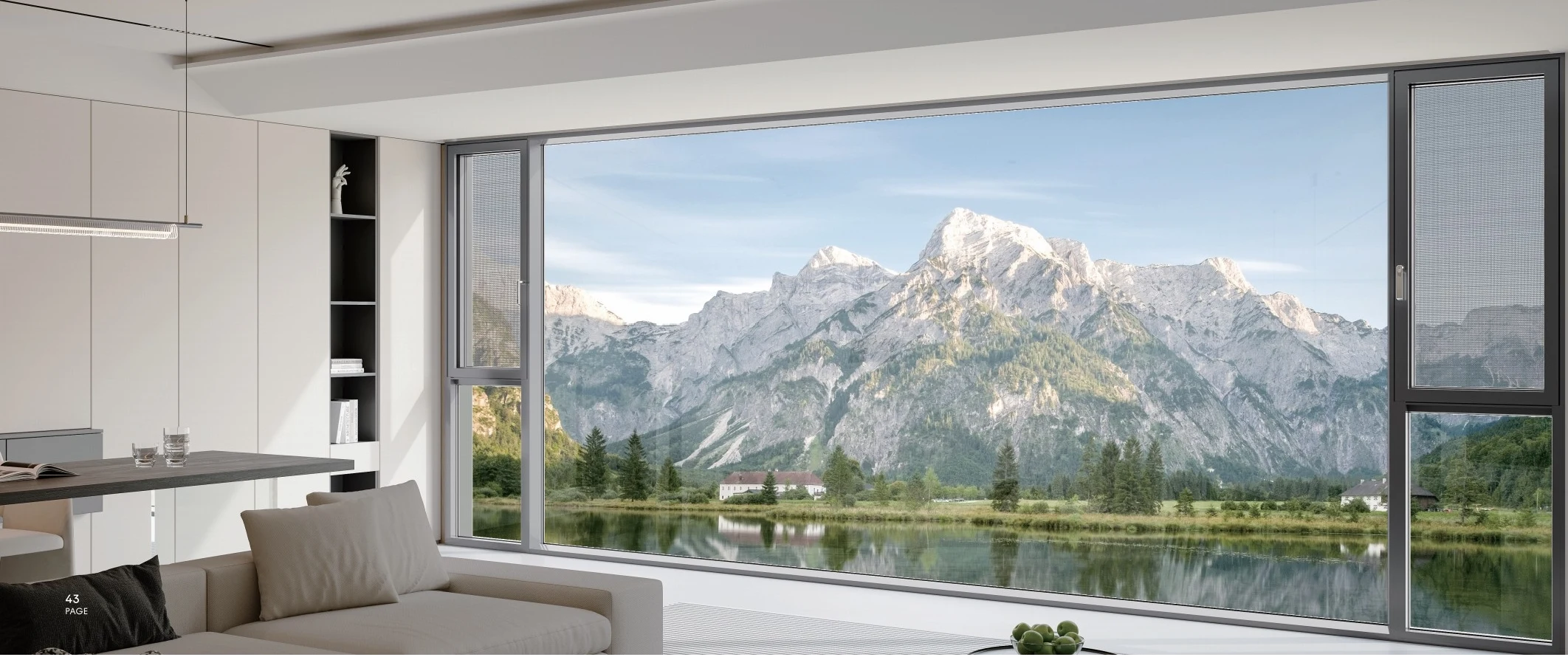
Integrated Casement Windows offer an effective solution by combining flexible opening options, advanced sealing technology, and durable aluminum frame designs. Features such as tilt ventilation, multi-point locking, triple-layer gasket sealing, and weather-resistant performance allow fresh airflow while protecting interiors from rain and air leakage.
This guide explains how Integrated Casement Windows improve ventilation, waterproof performance, and energy efficiency, helping architects, developers, and property owners choose suitable window solutions for residential and commercial projects in demanding climates.
1. Why Rainy Climates Require Better Window Solutions
1.1 Ventilation Challenges in Wet and Humid Environments
High-rainfall and humid climates create unique challenges for indoor comfort. When windows remain closed during rainy periods, indoor humidity can increase quickly, especially in moisture-sensitive areas such as kitchens, bathrooms, and bedrooms. Poor ventilation may lead to condensation problems, reduced comfort, and higher maintenance requirements.
The main challenge is not only heavy rainfall but also maintaining fresh airflow without allowing water intrusion. During storms, wind-driven rain can place additional pressure on window frames and seals, while temperature differences between indoor and outdoor environments may increase condensation risks.
In coastal areas, salt-laden air can further affect hardware durability and sealing performance. Therefore, buildings in these regions require weather-resistant window systems that can provide both ventilation and reliable protection against moisture.
1.2 Why Traditional Windows May Not Be Suitable for Heavy Rain
Traditional sliding windows and double-hung windows often have limitations in rainy climates because their opening designs provide less protection against wind-driven rain. When opened, these systems may create direct paths for water infiltration, making ventilation difficult during storms.
Standard integrated casement windows provide better sealing performance, but single-opening designs may still face challenges in extreme weather conditions. Outward-opening sashes can be affected by strong winds, while basic sealing systems may gradually lose performance due to long-term exposure to UV rays and humidity.
For developers, contractors, and property managers, these limitations can result in increased maintenance costs, water leakage concerns, and reduced building performance. Choosing high-performance aluminum casement windows with advanced sealing and ventilation features provides a more reliable solution for demanding environments.
2. How Integrated Casement Windows Improve Ventilation and Weather Protection
2.1 Multi-Mode Opening System for Flexible Ventilation
One of the key advantages of Integrated Casement Windows is their multi-mode opening system, which allows users to balance airflow, weather protection, and indoor comfort under different conditions.
- Inward Tilt Ventilation
The tilt opening mode creates a controlled ventilation gap at the top of the sash. This design reduces direct exposure to rainfall while allowing fresh air circulation, making it suitable for continuous ventilation during light or moderate rain.
- Side-Hung Opening
The side-hung opening mode provides maximum airflow when weather conditions are favorable. Multi-point locking hardware helps maintain stable sealing performance when the window is closed, improving airtightness and overall durability.
- Micro-Ventilation Mode
The restricted opening position allows controlled airflow while reducing exposure to wind-driven rain. This feature is particularly useful for humid climates where continuous ventilation is needed without fully opening the window.
With multiple operating positions, Integrated Casement Windows provide a practical balance between natural ventilation and weather protection, offering advantages over conventional window systems.
2.2 Triple-Layer Sealing System for Waterproof Performance
For buildings exposed to heavy rain and coastal weather, waterproof performance is one of the most important factors when selecting windows.
Integrated Casement Windows use a multi-layer sealing structure to improve airtightness and prevent moisture penetration. The outer EPDM gasket creates the primary weather barrier, while additional sealing layers help reduce air leakage and improve long-term performance.
Integrated drainage channels inside the frame collect and redirect minor water accumulation away from the interior. Combined with multi-point locking hardware, the system ensures more even pressure distribution around the sash, helping maintain stable sealing performance during heavy rain and strong winds.
| Window Type | Opening Design | Sealing System | Water Tightness | Suitable Applications |
|---|---|---|---|---|
| Integrated Casement Windows | Tilt / Swing / Micro-ventilation | Triple-layer EPDM sealing | Class 9A | Coastal, tropical, high-rainfall areas |
| Standard Casement Windows | Swing opening | Single gasket | Class 5A | Moderate climates |
| Sliding Windows | Sliding sash | Brush seal system | Class 3A | Low-rainfall areas |
3. Window Performance Standards and Material Specifications
3.1 Essential Standards for Rainy and Coastal Applications
For residential and commercial projects in high-rainfall or coastal regions, selecting windows with verified performance certifications is essential.
Key standards include:
- EN 12208 (Watertightness):
This standard evaluates resistance to water penetration under pressure. Higher classifications, such as Class 7A and Class 9A, are commonly specified for projects requiring stronger waterproof performance. - EN 12207 (Air Permeability):
This standard measures air leakage performance. Better airtightness helps improve indoor comfort and supports energy-efficient building designs. - AAMA / WDMA Standards:
For North American projects, these standards evaluate water resistance, structural performance, and air infiltration. Buyers should request relevant testing documents before selecting a supplier. - CE Marking and EN 14351-1:
For European markets, these requirements verify window performance related to watertightness, air permeability, wind resistance, and thermal performance.
When sourcing windows, project buyers should prioritize manufacturers that provide verified test reports from accredited laboratories rather than relying only on product claims.
3.2 Choosing the Right Frame Materials and Hardware
The frame material and hardware selection directly influence a window’s durability, thermal performance, and resistance to harsh weather conditions.
- Aluminum Alloy Profiles
Thermally broken aluminum frames are widely used in high-performance casement windows because they combine structural strength with excellent durability. Aluminum profiles with powder coating or PVDF surface treatments provide improved corrosion resistance, making them suitable for coastal buildings and humid environments.
For projects requiring better energy performance, aluminum frames combined with thermal break technology and insulated glazing units can help reduce heat transfer and improve indoor comfort.
- Hardware Components
High-quality hardware plays an important role in maintaining airtightness and weather resistance. Stainless steel multi-point locks, hinges, and handles provide reliable operation while improving sealing pressure around the sash.
For coastal applications, corrosion-resistant hardware such as stainless steel 316 can help extend service life in salt-air environments.
Choosing the right combination of aluminum profiles, glazing systems, and hardware components ensures that casement windows maintain stable performance throughout long-term use.
4. Application Scenarios and Commercial Benefits
4.1 Ideal Applications for Rainy and Humid Climates
With advanced ventilation, sealing, and weather protection features, Integrated Casement Windows are suitable for various residential and commercial applications, including:
- Coastal Residential Developments
Buildings near coastlines are often exposed to salt air, strong winds, and frequent rainfall. Weather-resistant casement windows help protect interiors while maintaining long-term durability in challenging environments.
- Tropical and High-Rainfall Housing Projects
In humid regions, continuous ventilation is important for reducing moisture buildup and improving indoor comfort. Integrated Casement Windows allow controlled airflow without requiring windows to remain fully open during rainy weather.
- High-Rise Apartments and Rooftop Residences
Upper-floor buildings usually experience stronger wind pressure and greater exposure to rain. High-performance casement windows provide better sealing and weather protection compared with traditional window designs.
- Hotels and Commercial Buildings
Hospitality and commercial projects require reliable comfort, energy efficiency, and low maintenance. Energy-efficient casement windows help create comfortable indoor environments while supporting long-term building performance.
The combination of ventilation flexibility, waterproof protection, and durable construction makes Integrated Casement Windows a suitable choice for projects located in demanding climates.
4.2 Business Benefits for Developers, Contractors, and Buyers
For developers, contractors, and property managers, selecting the right window system can influence both project quality and long-term operating costs.
Reduced Maintenance Requirements
Advanced sealing systems, durable aluminum frames, and corrosion-resistant hardware help reduce risks related to water leakage, seal degradation, and frequent repairs.
Improved Energy Efficiency
Airtight window designs and thermally broken aluminum frames help reduce heat transfer, improve insulation performance, and lower HVAC energy consumption.
Customization for Different Projects
Professional casement window suppliers can provide customized solutions based on project requirements, including:
- Aluminum frame colors
- Glass specifications
- Hardware options
- Opening configurations
- Size and design requirements
This flexibility allows architects and developers to achieve both functional and aesthetic goals.
Reliable Quality and Compliance
Working with experienced manufacturers that provide testing documents and quality assurance helps reduce installation risks and ensures consistent product performance for large-scale projects.
For commercial developments and residential communities, investing in high-performance aluminum casement windows can provide long-term value through improved durability, energy savings, and occupant comfort.
5. How to Choose the Right Integrated Casement Windows for Rainy Climates
Selecting suitable casement windows requires more than comparing appearance and price. For projects in rainy, coastal, or humid regions, buyers should evaluate several key factors.
Check Waterproof and Weather Resistance Performance
The first consideration should be the window’s ability to resist heavy rain and wind pressure.
Buyers should review:
- Water tightness ratings
- Air permeability classifications
- Drainage design
- Sealing system structure
Waterproof casement windows with tested weather resistance can significantly reduce the risk of leakage and moisture-related maintenance issues.
Evaluate Energy Efficiency and Insulation Features
In tropical and coastal regions, windows need to balance ventilation with thermal performance.
Important features include:
- Thermal break aluminum frames
- Double or triple insulated glazing
- Airtight sealing systems
Energy-efficient casement windows help reduce heat transfer and improve indoor comfort while supporting lower building energy consumption.
Choose a Reliable Integrated Casement Window Supplier
The supplier’s manufacturing capability directly affects product quality and project success.
Before placing an order, buyers should consider:
- Production experience
- Quality control procedures
- Certification availability
- Customization capability
- Asistență post-vânzare
An experienced aluminum casement window manufacturer can provide customized solutions for residential, commercial, and coastal projects while ensuring consistent quality.
ÎNTREBĂRI FRECVENTE
Q1: Are casement windows suitable for rainy climates?
Yes. Casement windows with advanced sealing systems and multi-mode ventilation features are suitable for rainy climates because they can provide airflow while reducing water intrusion risks. Integrated Casement Windows are especially suitable for tropical, coastal, and high-humidity environments.
Q2: How do Integrated Casement Windows prevent rain from entering while maintaining ventilation?
Integrated Casement Windows use tilt ventilation, multi-point locking, and multi-layer sealing systems to maintain airflow without fully exposing interiors to rain. The tilt opening design creates a controlled ventilation gap while reducing direct exposure to wind-driven rain.
Q3: What certifications should buyers check when sourcing casement windows?
Buyers should review certifications and testing documents related to:
- EN 12208 watertightness
- EN 12207 air permeability
- CE marking requirements
- AAMA / WDMA standards for North American markets
These documents help verify waterproof performance, airtightness, and structural reliability.
Q4: Are aluminum casement windows suitable for coastal areas?
Yes. Aluminum casement windows with corrosion-resistant surface treatments and durable hardware are suitable for coastal environments. Thermal break aluminum profiles and stainless steel hardware can further improve durability and energy performance.
Q5: What makes energy-efficient casement windows better for modern buildings?
Energy-efficient casement windows provide improved insulation and airtightness, helping reduce heat transfer and HVAC loads. They are widely used in residential, commercial, and green building projects where comfort and energy savings are priorities.
Q6: How can I choose a reliable integrated casement window supplier?
A reliable supplier should have proven manufacturing experience, quality control systems, customization capabilities, and verified performance testing. Buyers should evaluate product certifications, material quality, and project support before making a decision.
Concluzie
Integrated Casement Windows provide an effective solution for buildings exposed to heavy rain, humidity, and coastal weather conditions. By combining multi-mode ventilation, advanced sealing systems, durable aluminum frames, and energy-efficient designs, they help maintain indoor comfort while protecting buildings from water intrusion and air leakage.
For architects, developers, contractors, and property owners, selecting high-performance casement windows is not only about improving appearance but also about achieving long-term durability, lower maintenance costs, and better energy performance.
Hanyue provides customized aluminum casement window solutions designed for residential, commercial, and challenging climate applications. Contact our team to explore window systems that match your project requirements.