
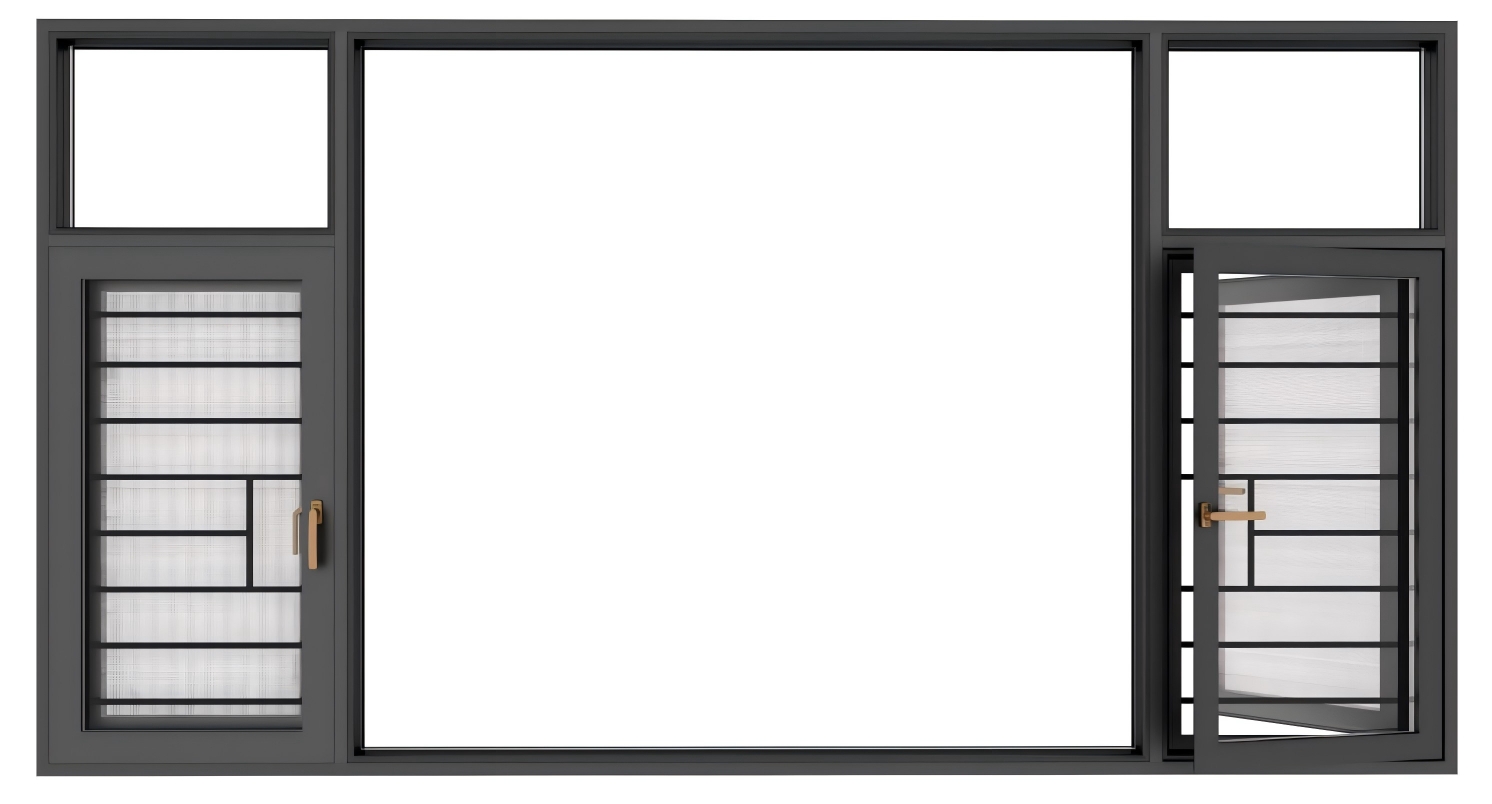
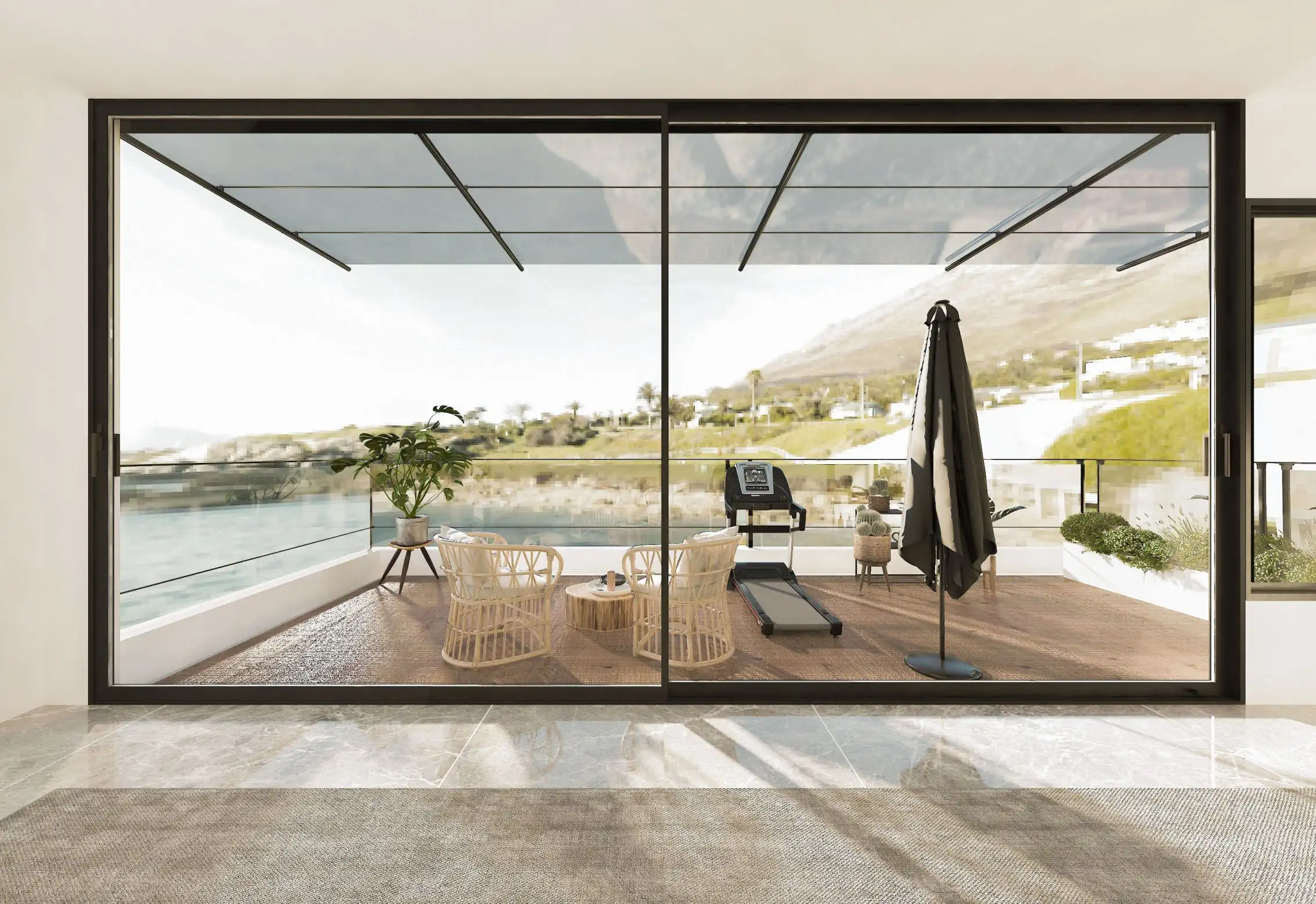
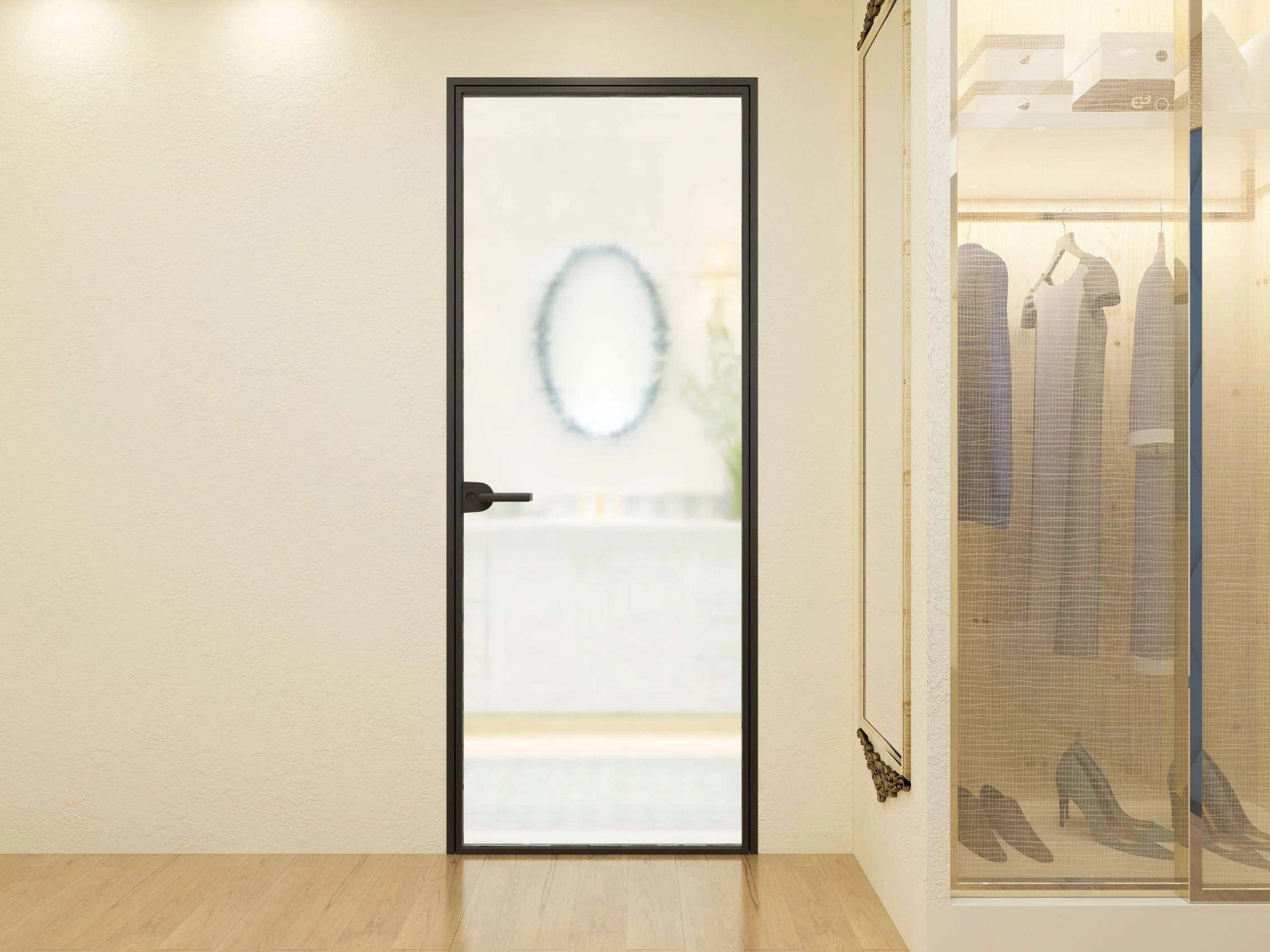
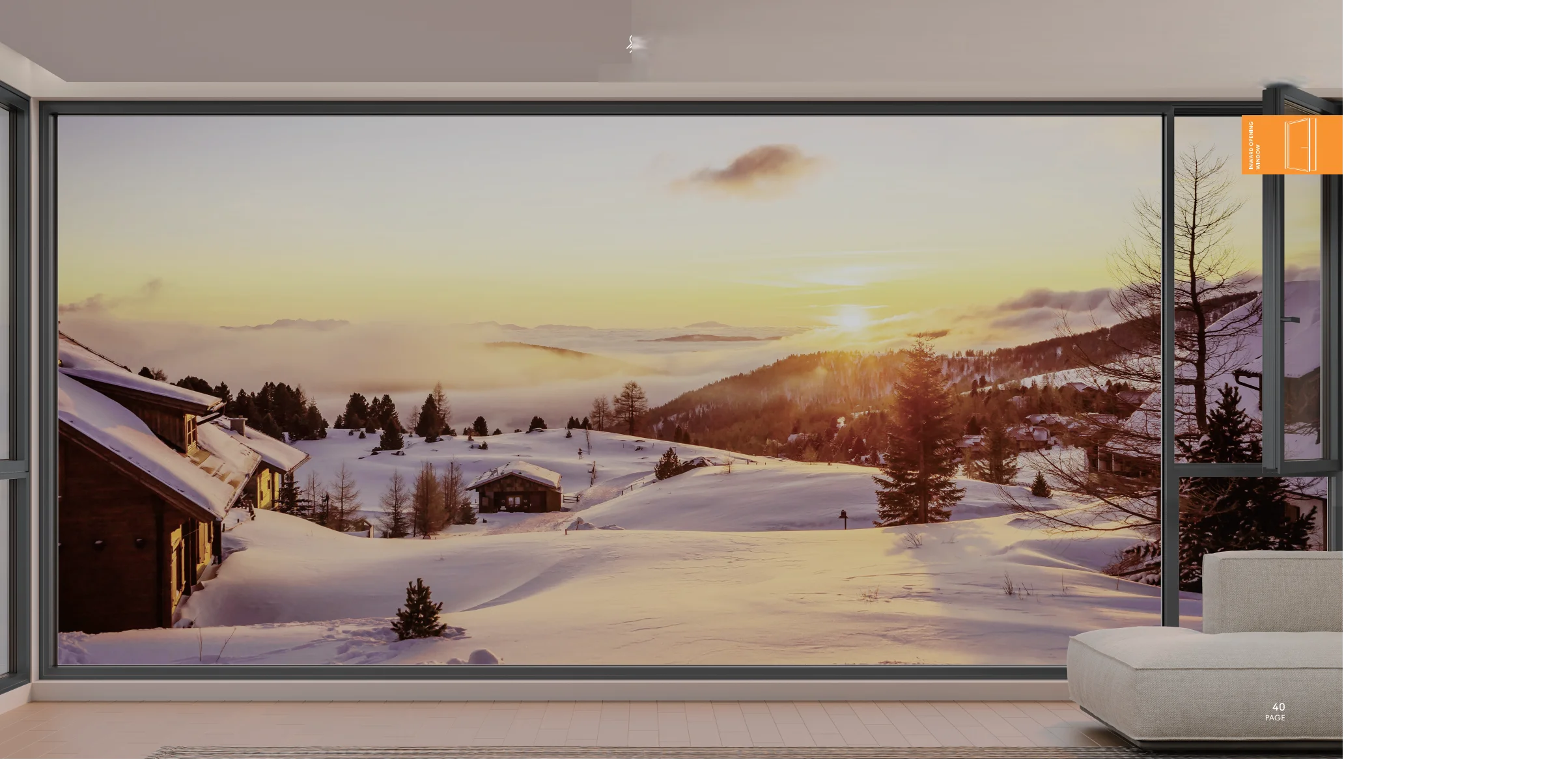
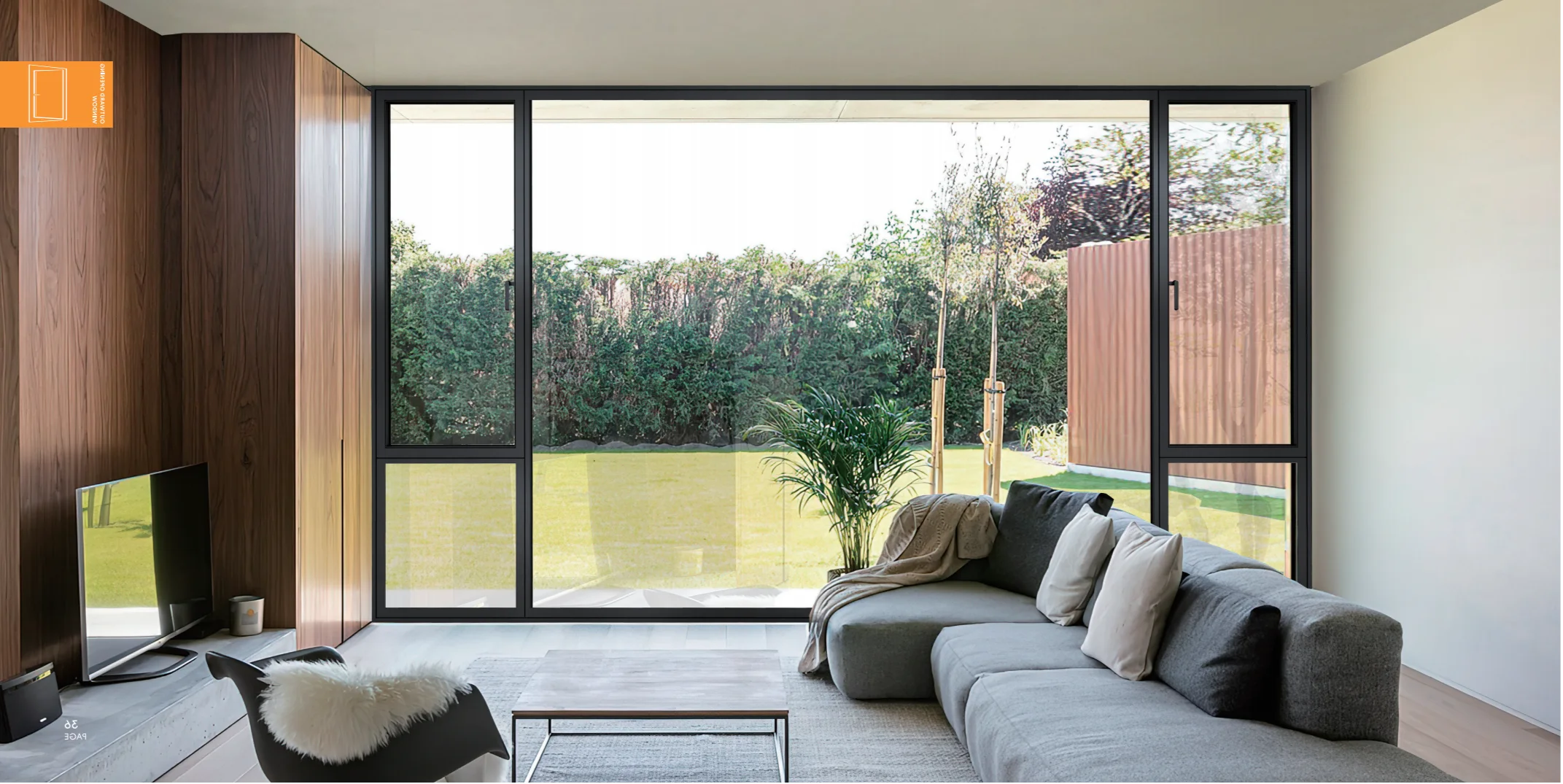
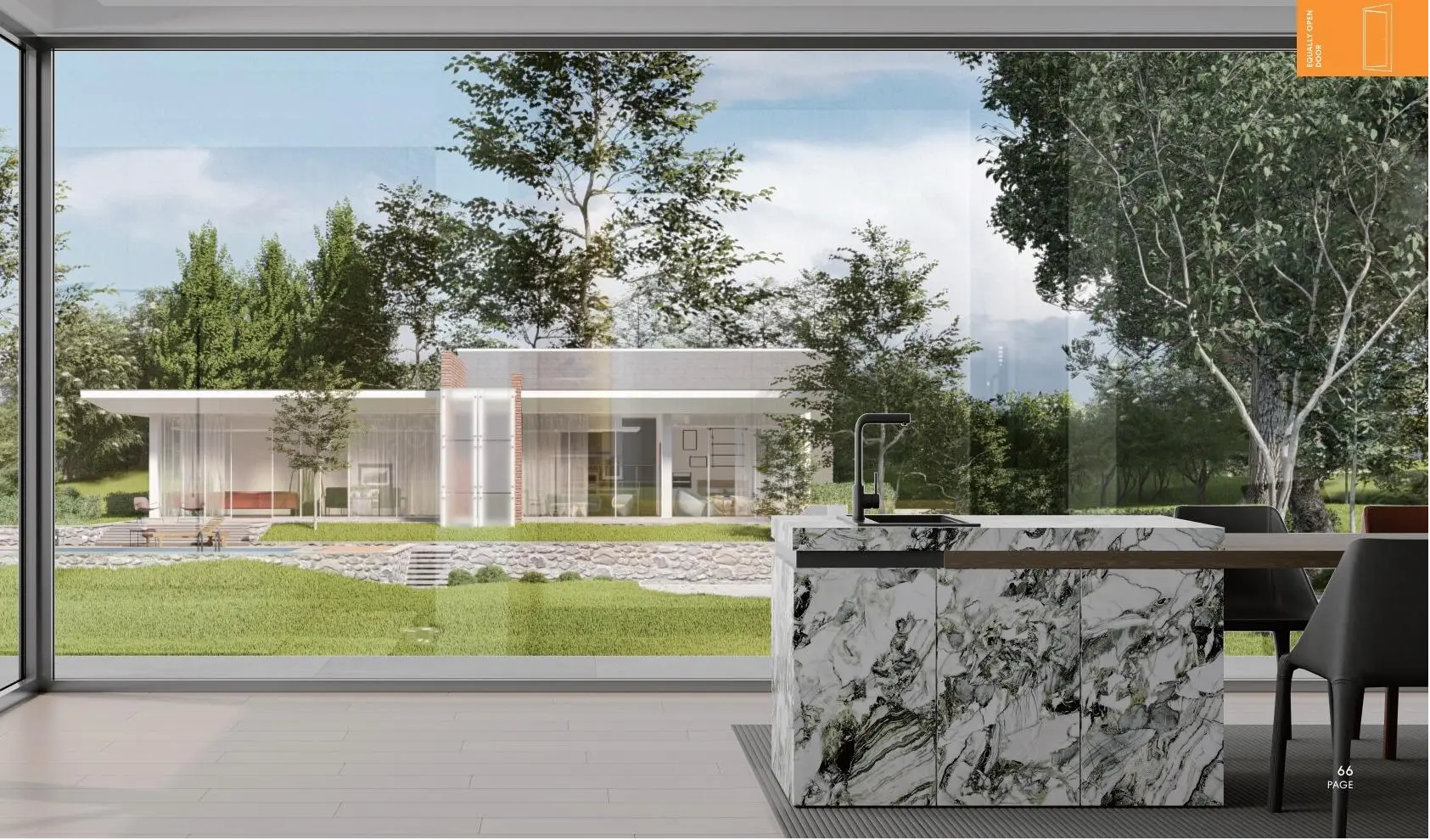
Граница между внутренним и внешним миром всегда была предметом переговоров. В традиционной архитектуре эта граница была жесткой: стены не пропускали природу. В современном дизайне эта граница становится гибкой. Вместо разделения мы стремимся к соединению, контролируемому воздействию, а не к изоляции.
Современные системы соляриев разработаны именно для этой цели. Они позволяют домовладельцам расширить жилое пространство, сохраняя при этом комфорт, энергоэффективность и целостность конструкции. При продуманном дизайне солярий не кажется пристройкой. Она кажется неизбежной - как будто дом всегда был предназначен для того, чтобы дышать снаружи.
Создание бесшовного жизнь в помещении и на открытом воздухе Для организации пространства требуется нечто большее, чем установка стеклянных панелей. Оно требует структурного планирования, тепловой стратегии, визуальной непрерывности и функциональной интеграции. Каждый слой способствует созданию иллюзии легкости.
Давайте разберемся, как правильно построить эту иллюзию.
Переосмысление роли солярия
Солярий часто воспринимается как сезонное помещение - светлый уголок для летних полдников. Такое восприятие ограничивает его потенциал. Современная система солярия должна функционировать как переходная архитектурная зона, которая работает круглый год и полностью интегрируется в основную жилую структуру.
Вместо того чтобы служить аксессуаром, он становится продолжением повседневной жизни. Он может служить обеденной зоной, рабочим местом, лаунжем, зоной развлечений или крытым садом. Цель - непрерывность. Если жильцам приходится мысленно "переходить в другое пространство", переход не будет плавным.
Настоящая бесшовность означает:
Поле зрения расширяется естественным образом.
Температура остается стабильной.
Пол и потолок словно соединены.
Свет ведет себя стабильно в течение всего дня.
Человеческий мозг чувствителен к пространственным нарушениям. Перепады высоты пола, резкая толщина каркаса или перепады температуры нарушают погружение в атмосферу. Современные системы соляриев направлены на устранение этих нарушений благодаря инженерной точности.
Структурные основы: Проектирование прозрачности без компромиссов
Прозрачность требует прочности. Большие стеклянные поверхности должны выдерживать ветровую нагрузку, колебания температуры и структурные нагрузки. Именно здесь современные алюминиевые системы обрамления превосходят все ожидания.
Тонкие алюминиевые профили
Рамы из высококачественного алюминия обладают исключительным соотношением прочности и веса. Это позволяет использовать более тонкие линии обзора и большие стеклянные панели без ущерба для целостности конструкции.
Более тонкие рамы создают визуальную непрерывность. Когда вертикальные опоры сведены к минимуму, глаз воспринимает непрерывный пейзаж, а не сегментированные панели. Архитектурный язык переходит от замкнутости к открытости.
Алюминий также противостоит коррозии и деформации, что делает его идеальным для наружного применения. Порошковое покрытие обеспечивает долговечность и эстетическую гибкость.
Учет структурных нагрузок
Солярий должен соответствовать местным строительным нормам по ветру, снегу и сейсмическим условиям. Структурная инженерия - это не дополнительная опция, она имеет фундаментальное значение.
Ключевые соображения включают:
Устойчивость к ветровому давлению
Грузоподъемность крыши
Интеграция водоотвода
Припуски на тепловое расширение
Хорошо спроектированный солярий ведет себя как часть конструктивной системы дома, а не как дополнительная конструкция, подверженная нагрузкам.
Технология стекла: Основа тепловых характеристик
Стекло определяет впечатления. Однако стекло - это не просто прозрачный материал, это тепловой барьер, ультрафиолетовый фильтр и акустический экран.
Изолированные стеклопакеты (IGU)
В современных соляриях обычно используются двойные или тройные стеклопакеты. Они состоят из нескольких стекол, разделенных перегородками и заполненных инертными газами, такими как аргон или криптон.
Газовый слой снижает теплопередачу за счет конвекции. Герметичная система также минимизирует образование конденсата и улучшает звукоизоляцию.
Покрытия с низкой светопроницаемостью (Low-E)
Low-E-покрытия - это микроскопически тонкие металлические слои, нанесенные на стеклянные поверхности. Они отражают инфракрасное излучение, пропуская при этом видимый свет.
Это дает два преимущества:
Летом внешнее тепло отражается наружу.
Зимой внутреннее тепло отражается в помещение.
В результате улучшается терморегуляция без снижения яркости.
Контроль солнечной теплоотдачи
В зависимости от климата, выбор правильного коэффициента теплового излучения (SHGC) имеет решающее значение. В более теплом климате выгодно использовать более низкий SHGC, чтобы уменьшить поступление тепла. В более холодном климате можно использовать умеренный SHGC для улавливания пассивного солнечного тепла.
Правильно подобранное стекло превращает солярий из оранжереи в жилое помещение.
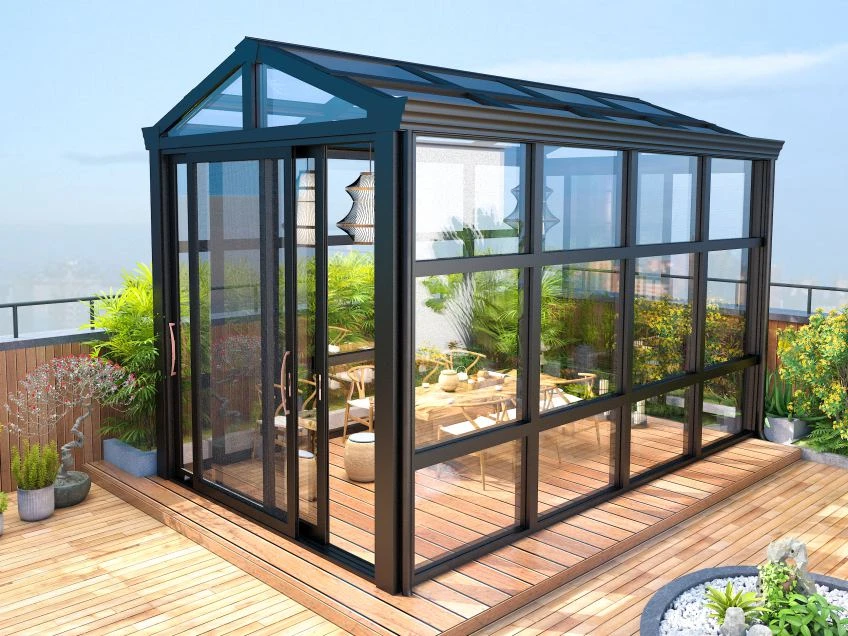
Технология терморазрыва: Предотвращение потери энергии
Металл хорошо проводит тепло, что создает проблему для алюминиевых конструкций. Без вмешательства рамы могут передавать наружную температуру непосредственно внутрь помещения.
Технология терморазрыва решает эту проблему.
Терморазрыв - это непроводящий материал, вставленный в алюминиевую раму и разделяющий внутренние и внешние металлические секции. Этот барьер значительно уменьшает тепловой мост - процесс, при котором тепло обходит изоляцию через проводящие материалы.
Тепловые разрывы способствуют:
Уменьшение конденсации
Повышение энергоэффективности
Improved indoor comfort
When combined with high-performance glazing, the sunroom can achieve insulation values comparable to traditional exterior walls.
Ventilation Strategy: Controlling Airflow Naturally
A seamless indoor-outdoor space must manage airflow intelligently. Stagnant air undermines comfort, while excessive drafts compromise usability.
Modern systems incorporate:
Sliding door panels
Folding glass walls
Operable skylights
Integrated ventilation slots
Natural ventilation uses pressure differences and thermal buoyancy to circulate air. Warm air rises and exits through roof vents, drawing cooler air inward. This passive cooling strategy reduces reliance on mechanical systems.
Automated roof vents equipped with rain sensors can close automatically when the weather changes. Smart ventilation enhances usability without increasing maintenance burden.
Flooring Continuity: The Ground-Level Illusion
Visual flow begins at ground level. Abrupt flooring changes disrupt the perception of unity.
To achieve continuity:
Match indoor flooring tones with weather-resistant exterior materials.
Maintain consistent floor height whenever structurally possible.
Use threshold systems designed for flush transitions.
For example, porcelain tiles that mimic natural wood offer moisture resistance while maintaining aesthetic alignment with interior hardwood flooring.
Humans perceive spatial continuity most strongly through horizontal planes. When the floor appears continuous, the entire space feels unified.
Door Systems: Eliminating Physical Barriers
Sliding and folding door systems define flexibility.
Wide-span sliding doors allow panels to stack neatly to one side, opening the entire wall. Folding doors can collapse into compact stacks, creating complete openness.
The distinction matters. A partially open sliding door maintains some division. A fully retractable system erases it.
Modern door systems feature:
Многоточечные механизмы запирания
Weather-sealed tracks
Minimal bottom thresholds
Smooth-glide roller systems
When closed, they preserve insulation. When open, they remove architectural boundaries.
Roofing Systems: Balancing Light and Insulation
Sunroom roofs must strike a balance between daylight access and thermal protection.
Options include:
Glass roofing panels
Insulated solid roofing sections
Hybrid systems combining both
Glass roofing maximizes sky views and daylight but requires superior insulation and shading solutions. Solid insulated panels provide greater temperature control but reduce natural light exposure.
Hybrid roofing systems allow customization based on orientation. South-facing sections may incorporate more solid insulation, while north-facing areas maximize glazing.
Integrated shading systems—such as retractable blinds or electrochromic smart glass—enable dynamic light control.
Lighting Design: Extending Usability Beyond Daylight
A seamless space must function at night as well.
Layered lighting design includes:
Recessed ceiling lighting
LED perimeter strips
Accent lighting for plants or architectural details
Floor-level ambient lighting
Lighting temperature should align with the adjacent indoor space to avoid perceptual separation.
Warm light creates relaxation zones. Neutral white enhances productivity in workspace configurations.
Lighting is not merely functional; it reinforces spatial continuity.
Acoustic Comfort: Often Overlooked, Critically Important
Large glass surfaces reflect sound. Without proper acoustic planning, sunrooms may feel echo-prone.
Solutions include:
Laminated acoustic glass
Soft furnishings
Indoor vegetation
Textured wall panels
Acoustic comfort supports long-term usability. A visually open space that feels acoustically harsh discourages prolonged occupation.
Functional Integration: Designing for Real Life
A sunroom should serve defined purposes.
Possible configurations include:
Dining Extension
Positioned adjacent to the kitchen, with sliding access. Natural light enhances social interaction and seasonal dining experiences.
Home Office
Daylight improves focus and circadian alignment. Incorporating glare control and insulated glazing maintains productivity year-round.
Indoor Garden or Conservatory
Plant growth thrives in filtered sunlight. Integrated drainage and humidity management are essential.
Lounge or Entertainment Zone
Flexible seating and climate control allow use in varying weather conditions.
The key principle: intentionality. A defined function transforms a sunroom from a decorative addition to an integral living space.
Энергоэффективность и устойчивое развитие
Energy performance directly influences long-term value.
High-performance sunroom systems reduce:
HVAC load
Artificial lighting demand
Seasonal energy consumption
Passive solar design can capture winter heat while minimizing summer gain through shading and glass orientation.
Sustainable materials and energy-efficient systems align with contemporary building standards and environmental expectations.
An efficiently designed sunroom can increase overall property performance ratings.
Landscaping Integration: Completing the Visual Dialogue
The exterior environment must complement the structure.
Effective strategies include:
Extending patio materials outward
Maintaining consistent elevation levels
Incorporating layered plant heights
Using subtle landscape lighting
When exterior design aligns with interior aesthetics, the boundary fades psychologically.
The brain processes visual coherence rapidly. Matching lines, textures, and colors amplifies continuity.
Интеграция умного дома
Automation enhances comfort and adaptability.
Modern features include:
Motorized shading systems
Climate sensors
Automated skylight operation
Smart glass tint adjustment
Smart integration reduces manual intervention and enhances environmental responsiveness.
Technology, when discreetly embedded, supports the illusion of effortless living.
Maintenance and Durability
Seamlessness must endure over time.
Key considerations:
Corrosion-resistant materials
Drainage channels to prevent water pooling
UV-resistant seals
Easy-clean glass coatings
Low-maintenance systems preserve visual clarity and structural reliability.
Durability ensures the space remains inviting across seasons and years.
The Psychological Dimension of Indoor-Outdoor Living
Human well-being is strongly influenced by exposure to natural light and outdoor views.
Studies in environmental psychology suggest that visual access to nature reduces stress and improves cognitive function. Biophilic design—the practice of integrating natural elements into architecture—supports emotional health.
A sunroom serves as a controlled gateway to natural stimuli. It provides:
Seasonal awareness
Weather visibility without exposure
Enhanced daylight rhythms
Connection to greenery
This psychological dimension elevates the sunroom beyond an architectural feature to a lifestyle investment.
Architecture as Adaptive Interface
The most successful sunroom systems do not simply add space—they recalibrate spatial experience.
They create permeability without vulnerability.
They allow light without heat overload.
They permit openness without sacrificing protection.
In essence, they transform rigid architectural boundaries into adaptive interfaces.
Seamless indoor-outdoor living is not achieved through excess glass alone. It results from integrated systems: structural engineering, thermal control, airflow management, aesthetic continuity, and functional clarity working together.
When these components align, the transition between interior and exterior becomes fluid. The home expands visually and emotionally, not just physically.
Modern sunroom systems represent a sophisticated negotiation between shelter and exposure. And when designed thoughtfully, they allow us to inhabit that negotiation comfortably, every day of the year.