



Введение
Water leakage is a major concern in coastal and storm-prone construction projects. For architects, contractors, and building owners, selecting a door system with reliable weather resistance is essential to prevent interior damage and maintenance costs.
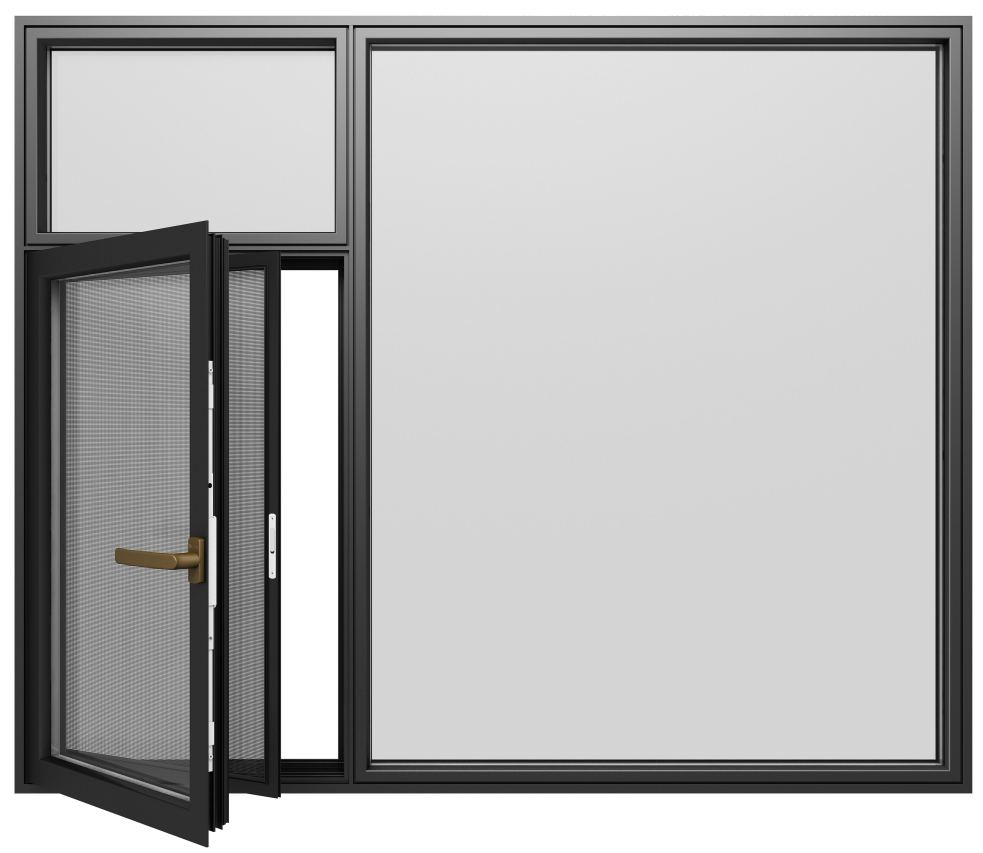
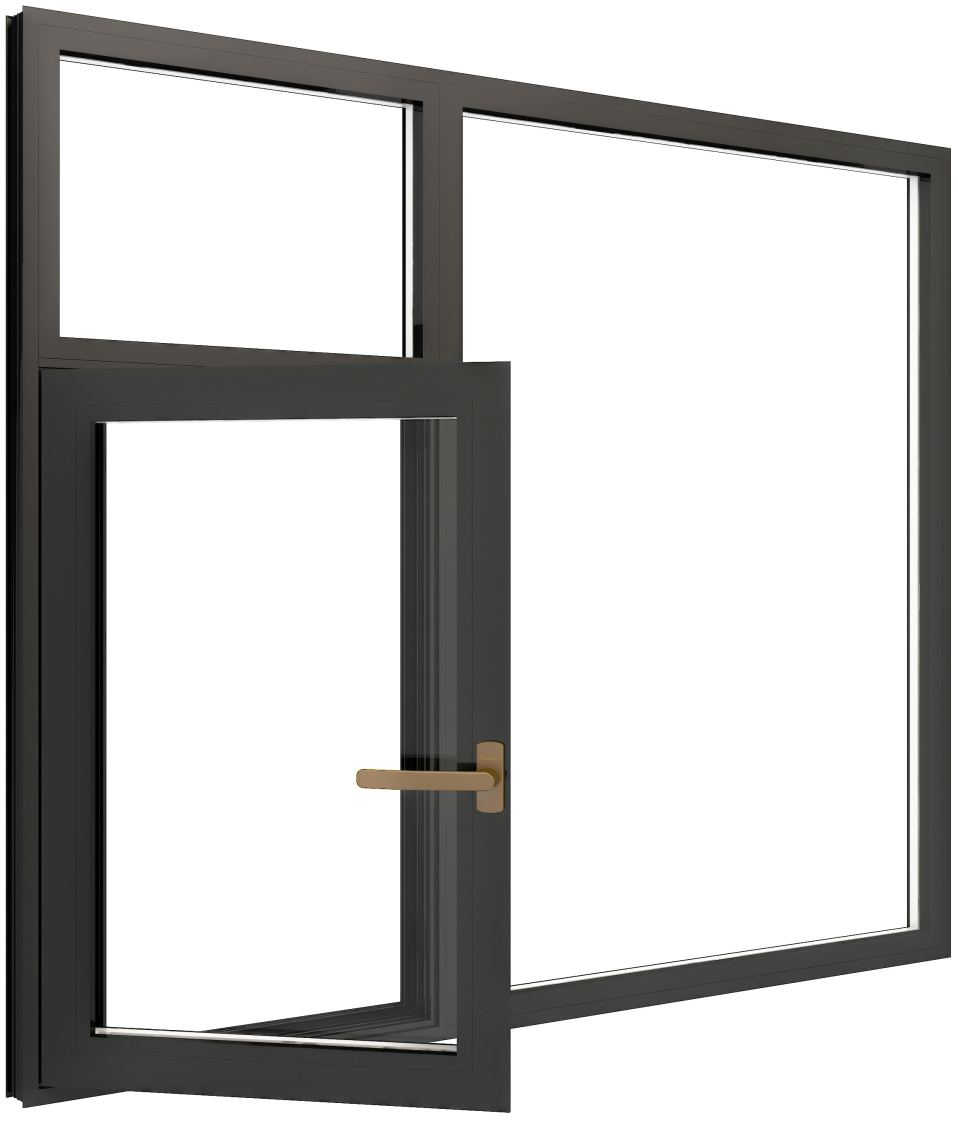
An распашная створка is designed to improve protection against wind-driven rain through compression gaskets, positive-stop thresholds, and multi-layer sealing systems. Unlike traditional doors that rely on friction-based seals, its structure helps maintain a tighter seal under pressure.
So, can an outswing casement door truly stop water leaks? The answer depends on proper engineering, materials, and installation. This article explains how outswing casement doors improve water resistance and why they are becoming a preferred solution for demanding building projects.
What Makes an Outswing Casement Door Different at the Threshold?
The threshold design is one of the key differences between inswing and outswing doors. It directly affects how effectively a door system prevents water intrusion, especially in coastal and storm-prone environments.
Why Traditional Inswing Thresholds Are More Vulnerable
Most inswing doors rely on sweep gaskets that seal through friction against the threshold. While this design can provide basic protection, continuous contact creates wear over time. As the gasket ages, sealing performance may decrease and allow water infiltration.
The threshold position also creates challenges. Because the door opens inward, wind-driven rain can collect near the interior side of the threshold. In severe weather conditions, maintaining a perfect seal becomes increasingly difficult.
How Outswing Casement Doors Improve Water Resistance
An outswing casement door uses a compression gasket combined with a positive-stop threshold instead of relying on friction alone. When the door closes, the gasket compresses against the frame, creating a tighter and more durable seal with less wear.
The outward-opening design also helps redirect water away from the interior. Instead of pushing against the sealing point, wind pressure helps press the door closer to the frame, improving overall weather performance.
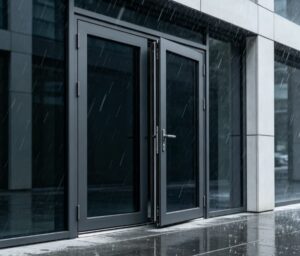
How Wind Pressure Helps Outswing Casement Doors Seal Tighter
Wind-driven rain is one of the main causes of water leakage in building envelopes. However, the sealing principle of an outswing casement door allows wind pressure to work in its favor.
The Role of Positive Pressure
When wind pushes against the exterior of a building, the pressure forces the outswing door panel toward the frame and compresses the gaskets further. Stronger wind pressure can therefore enhance the sealing effect.
By comparison, inswing doors may experience the opposite force, where exterior pressure pushes against the opening direction and increases the risk of gaps during extreme weather conditions.
Performance Under Water Testing
Water penetration tests conducted under standards such as AAMA/WDMA/CSA 101/I.S.2/A440 NAFS evaluate how door and window systems perform under controlled pressure conditions. Outswing casement systems are designed to maintain seal compression during these tests, making them suitable for projects exposed to heavy rain and high wind loads.
For architects and specifiers, this difference directly affects building durability, maintenance requirements, and long-term performance.
Why the Sealing System Matters Beyond the Gasket
A high-performance outswing casement door depends on a complete sealing system rather than a single gasket. Multiple sealing layers work together to prevent water infiltration and maintain performance over time.
Multi-Layer Sealing Protection
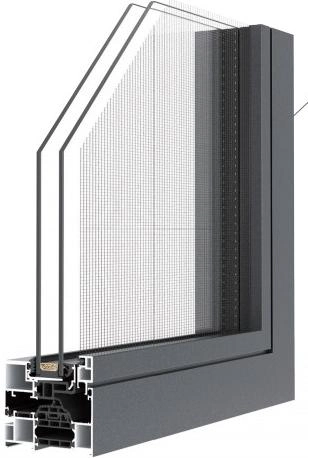
Premium outswing casement doors can incorporate a 6-layer sealing system, including three seals between the sash and frame and three between the frame components. These seals typically use EPDM rubber, which provides excellent resistance to aging, weather exposure, and temperature changes.
Unlike conventional rubber materials, EPDM maintains flexibility and compression performance for extended periods, helping reduce maintenance issues and replacement costs.
The Connection Between Thermal Breaks and Water Resistance
Water resistance is also closely linked to frame stability. A PA66GF25 thermal break strip, reinforced with 25% glass fiber, helps reduce heat transfer while improving structural stability.
By limiting thermal expansion and contraction, the frame can maintain consistent gasket compression over time. This helps prevent seal gaps and supports long-term weather performance.
Hidden Drainage: Where Water Goes When It Gets In
Even the best seal is not perfect. Water can find its way past the primary seals—especially in extreme conditions. That is why the best outswing casement doors include hidden drainage systems that channel water back outside.
The channel approach
Modern outswing casement systems incorporate two independent channel sets. The first set handles rotation and water drainage. These exterior channels are designed to position hinges while simultaneously draining any infiltration water. The second set handles perimeter security locking.
This separation of functions is a significant advancement over older designs that used a single channel for everything. By dedicating specific channels to drainage, manufacturers can ensure that water is evacuated efficiently without compromising structural performance.
Hidden drainage outlets
The most sophisticated systems use hidden drainage—outlets that are not visible from the exterior. This preserves the sleek appearance of the door while providing a functional path for water to escape. Some designs incorporate drainage holes on the inside of the frame that support water discharge and prevent reverse flow during heavy rain.
For architects who care about aesthetics—and most do—hidden drainage is a significant selling point. It allows for clean sightlines and minimalist design without sacrificing performance.
How Does an Outswing Casement Door Compare to Other Options?
| Характеристика | Наружная створчатая дверь | Inswing Door | Sliding Door |
|---|---|---|---|
| Seal Type | Compression gasket with positive stop | Friction-based sweep gasket | Weatherstripping along the track |
| Wind Pressure Effect | Seals tighter under pressure | Can be pushed open | The track can collect debris, compromising the seal |
| Threshold Water Path | Difficult path with a physical barrier | Sits above the threshold, and water can enter | Track is vulnerable to pooling |
| Gasket Wear | Minimal (no friction) | Significant over time | Умеренный |
| Typical Water Test Performance | Superior | Хорошо | Fair to Good |
| Лучшее для | Coastal, storm-prone, ADA-compliant | Traditional residential | Patio, space-constrained |
What the comparison reveals is that outswing casement doors are not just different—they are engineered differently for water resistance. The compression seal, positive stop, and wind-pressure dynamics create a system that actively resists water intrusion in ways that other door types cannot match.
The ADA Factor: Why Outswing Is Often the Only Choice
Here is a scenario that plays out on construction projects across the United States: the building needs to comply with the Americans with Disabilities Act (ADA). That means the threshold cannot exceed 12.7 mm (0.5 in.) in height. Raised thresholds must be beveled.
The low-threshold challenge
ADA-compliant thresholds are notoriously difficult to make watertight. The low profile leaves little room for the kind of raised barriers that traditionally keep water out. Inswing doors with ADA thresholds are particularly vulnerable—water can easily pool and seep under the door.
Outswing as the solution
If ADA compliance is required, “designers should consider outswing doors to get the best possible performance against wind-driven rain”. The compression seal and positive stop work even with low-profile thresholds. The door swings outward, so the threshold itself becomes a barrier rather than a potential entry point.
This is not a niche concern. As commercial buildings, multi-family housing, and public facilities continue to prioritize accessibility, outswing casement doors are becoming the default specification for projects that require both ADA compliance and weather resistance.
Coastal and Hurricane Zones: Where Performance Is Non-Negotiable
In regions prone to hurricanes and extreme weather, water resistance is not a preference—it is a requirement. Building codes in states like Florida mandate specific performance levels for fenestration products.
The outswing track record
Outswing casement systems are “extensively used” in countries with Anglo-Saxon construction traditions—the United States, Canada, Australia, and New Zealand—as well as in “areas highly exposed to extreme atmospheric pressures or affected by extreme weather events, such as hurricanes”.
Why? Because outswing designs meet the “high-strength technical requirements” that hurricane zones demand. The positive-pressure sealing, multi-point locking, and robust frame construction make them suitable for the most demanding environments.
What specifiers look for
For architects and specifiers working on coastal projects, the key performance metrics are:
Устойчивость к проникновению воды: Tested under static air pressure differentials, with no water penetration at specified pressures
Air infiltration: Minimized through multiple sealing layers
Structural wind load resistance: Verified through standardized testing
Outswing casement doors that meet these criteria are not just desirable—they are often the only option that satisfies both code requirements and owner expectations.
The Manufacturing Side: Quality Control and Consistency
For distributors, contractors, and commercial buyers, the performance of an outswing casement door depends on manufacturing consistency. A well-designed door that is poorly manufactured will leak. Period.
What quality manufacturing looks like
High-quality outswing casement doors start with premium materials: 6060-T66 ultra-high-precision aluminum alloy with a profile wall thickness of ≥2,2 мм. This is not decorative—it is structural. The thicker profile provides the rigidity needed to maintain seal compression under wind load.
The hardware matters just as much. Custom-made hinges and multi-point locking systems ensure that the door closes securely and maintains consistent compression across all seals. A sash load capacity of 120 кг supports various glass configurations, including triple glazing for enhanced insulation and security.
The role of automation
Leading manufacturers use automated dosing, tension control, and digital monitoring systems to ensure consistent finishing. This minimizes issues such as uneven seals, poor compression, and inconsistent gasket performance—problems that can turn a well-designed door into a leaky liability.
For wholesale buyers and contractors, working with manufacturers who have invested in quality control is not just about product performance. It is about reducing callbacks, protecting reputations, and delivering projects that stand up to the elements.
The Market Context: Growing Demand for Weathertight Solutions
The numbers tell a clear story about where the market is heading. The global windows and doors market was estimated at approximately USD 204 billion to USD 275 billion in 2025, depending on the source, and is projected to grow at a CAGR of 4.4% to 5.8% through the mid-2030s. The outswing entry door segment alone is experiencing steady growth, driven by increasing demand for energy-efficient and secure doors in both residential and commercial construction.
Within this growing market, the shift toward outswing casement doors is being driven by several factors:
Climate resilience: More frequent and severe storms are pushing builders toward more weathertight solutions
ADA requirements: Accessibility standards are making outswing doors the preferred choice for many commercial applications
Energy efficiency: The same sealing systems that keep water out also keep conditioned air in
Design trends: Clean lines and minimalist aesthetics favor the outswing casement profile
For manufacturers, distributors, and contractors, the opportunity is clear. Outswing casement doors are no longer a niche product—they are becoming a mainstream specification for projects where performance matters.
Заключение
An outswing casement door is designed to provide reliable protection against wind-driven rain through compression gaskets, positive-stop thresholds, multi-layer sealing, and effective drainage systems. These features help maintain sealing performance even in demanding weather conditions.
However, water resistance depends on more than door design alone. Proper manufacturing, installation, and maintenance are equally important. When these factors are properly controlled, an outswing casement door can deliver long-term weather performance for coastal, commercial, and high-exposure projects.
For architects, contractors, and building owners, choosing the right door system means reducing water intrusion risks while improving durability and maintenance efficiency.
Need Technical Support for Your Next Door Project?
The ADO 75 Outswing Casement Door combines 6060-T66 aluminum alloy, ≥2.2mm profile wall thickness, PA66GF25 thermal break technology, custom hardware, and EPDM multi-layer sealing to achieve excellent water resistance and structural performance.
Contact us to request specifications, discuss customization options, or explore how our outswing casement door solutions can meet your project requirements.