
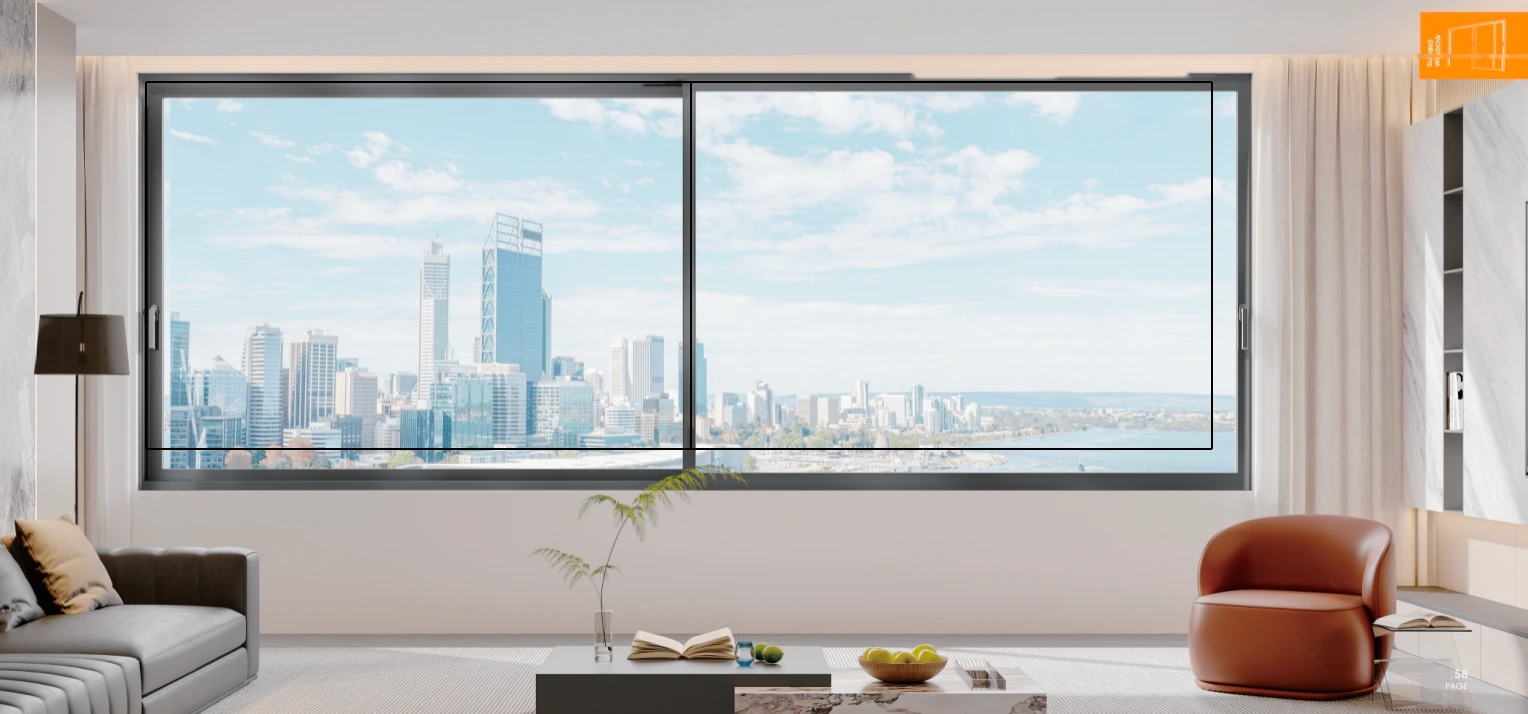
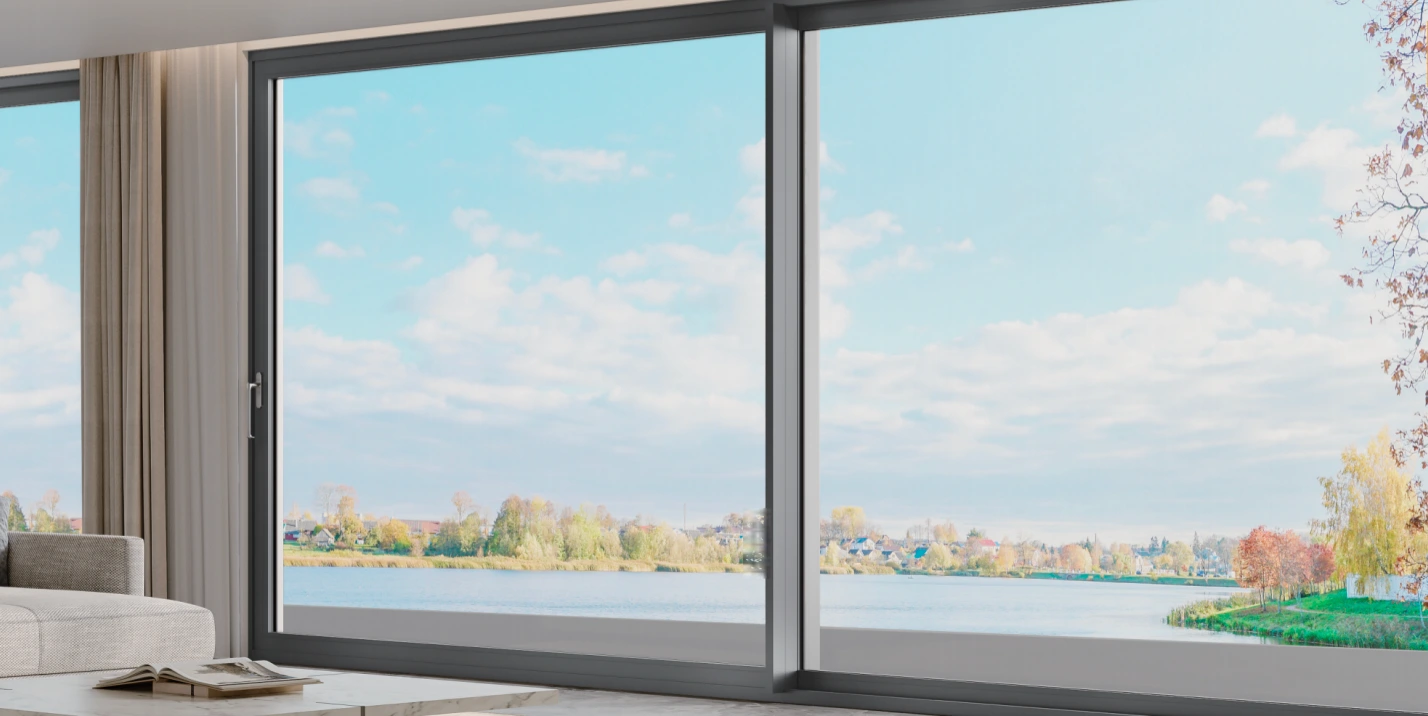
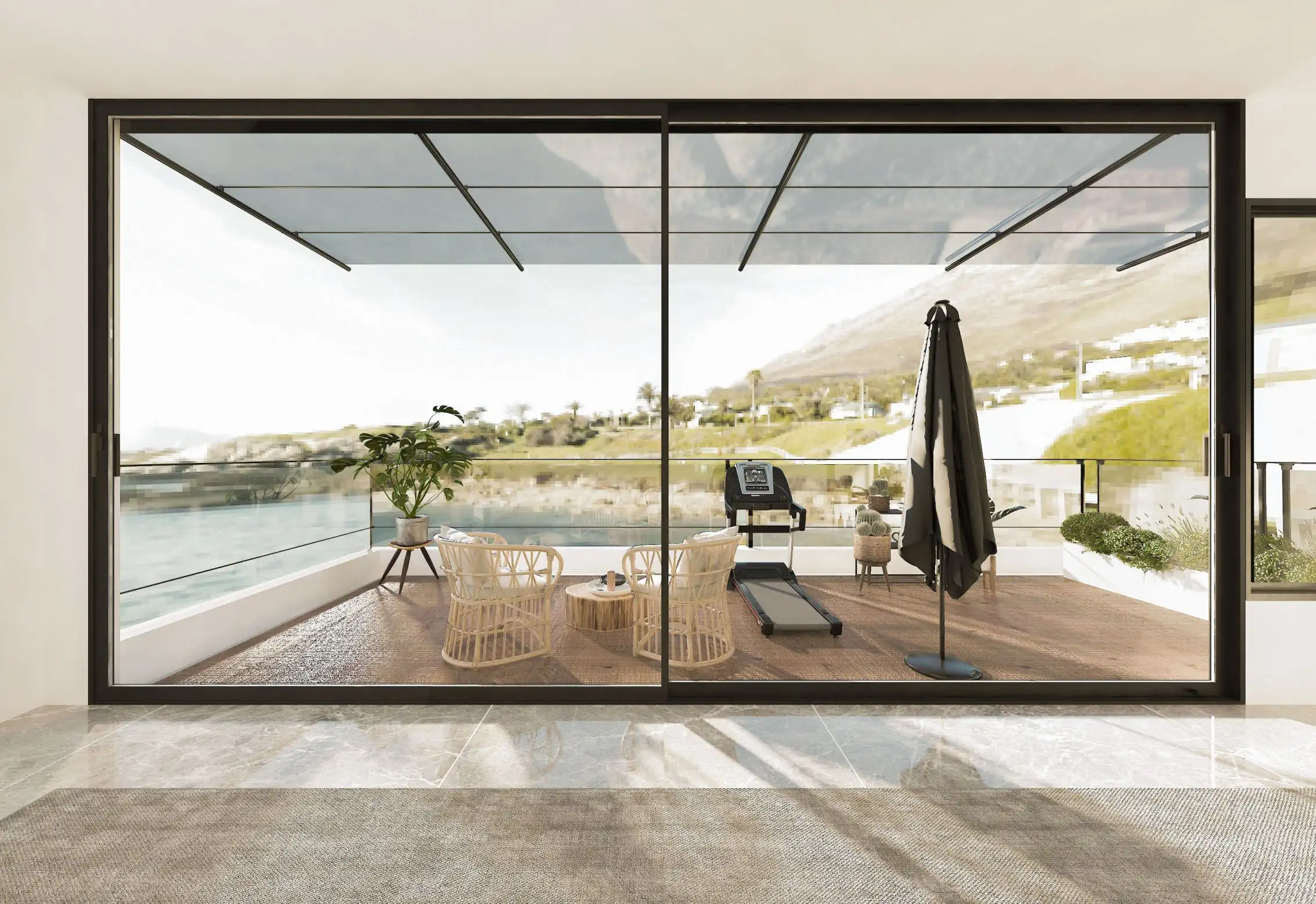
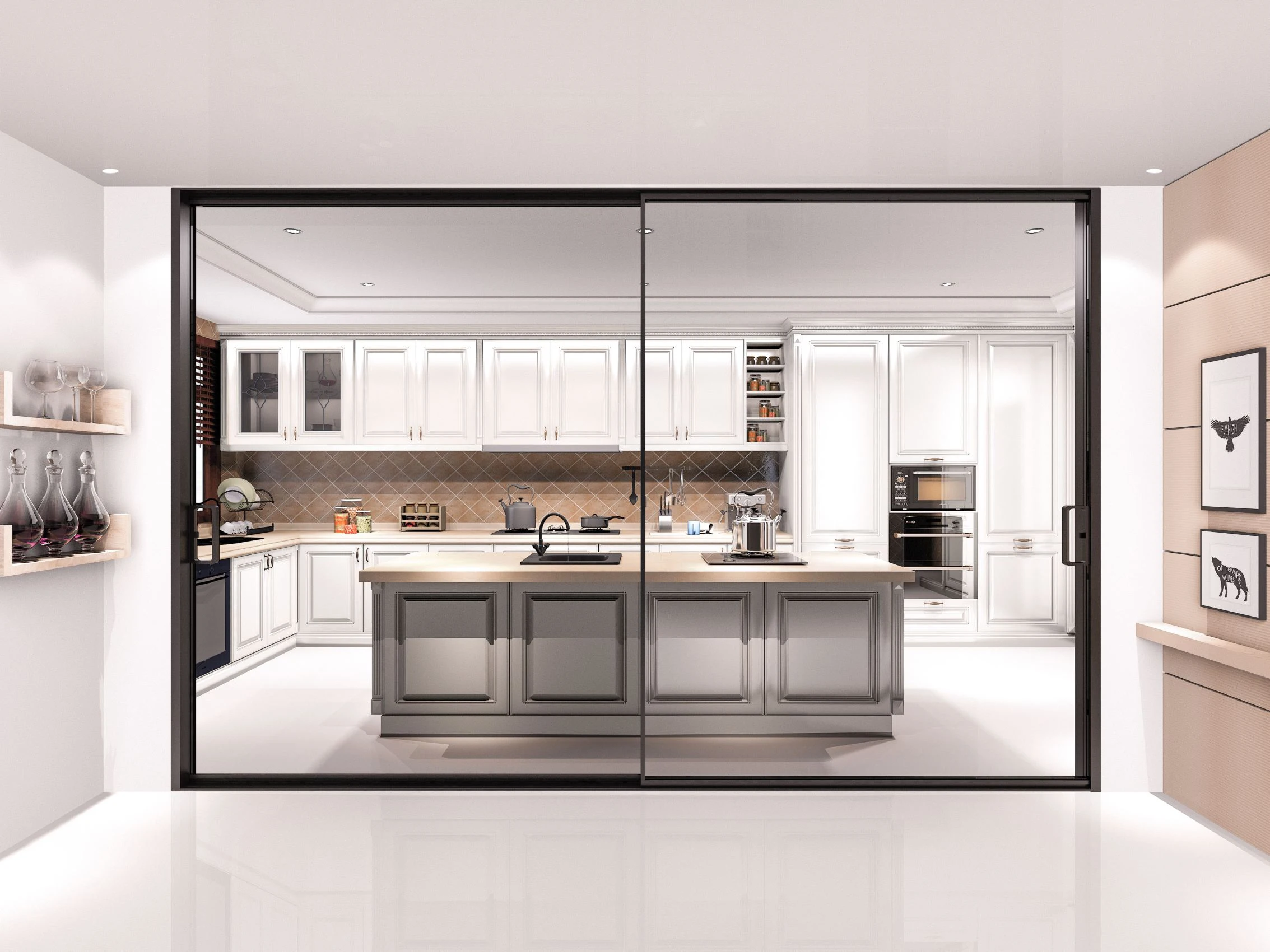
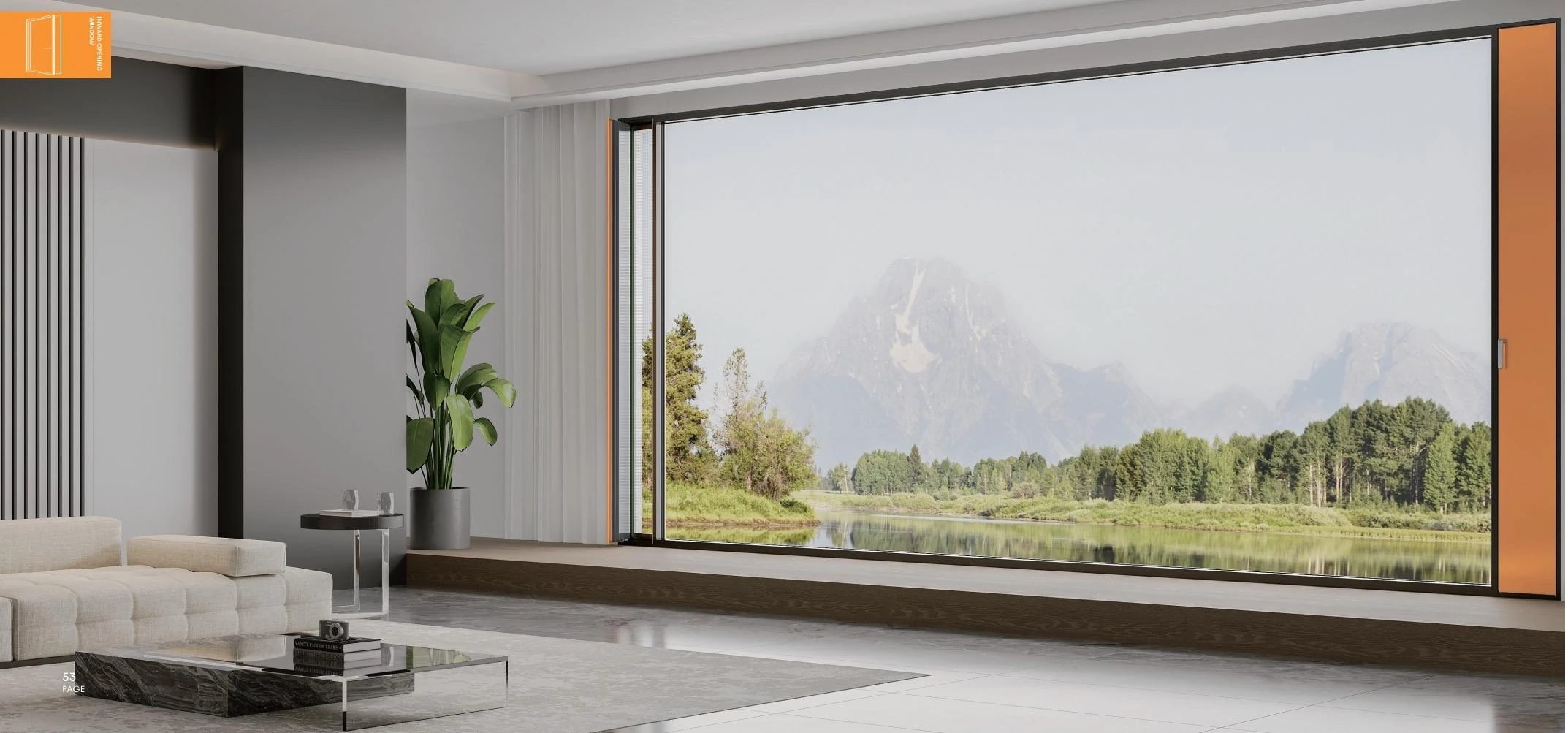
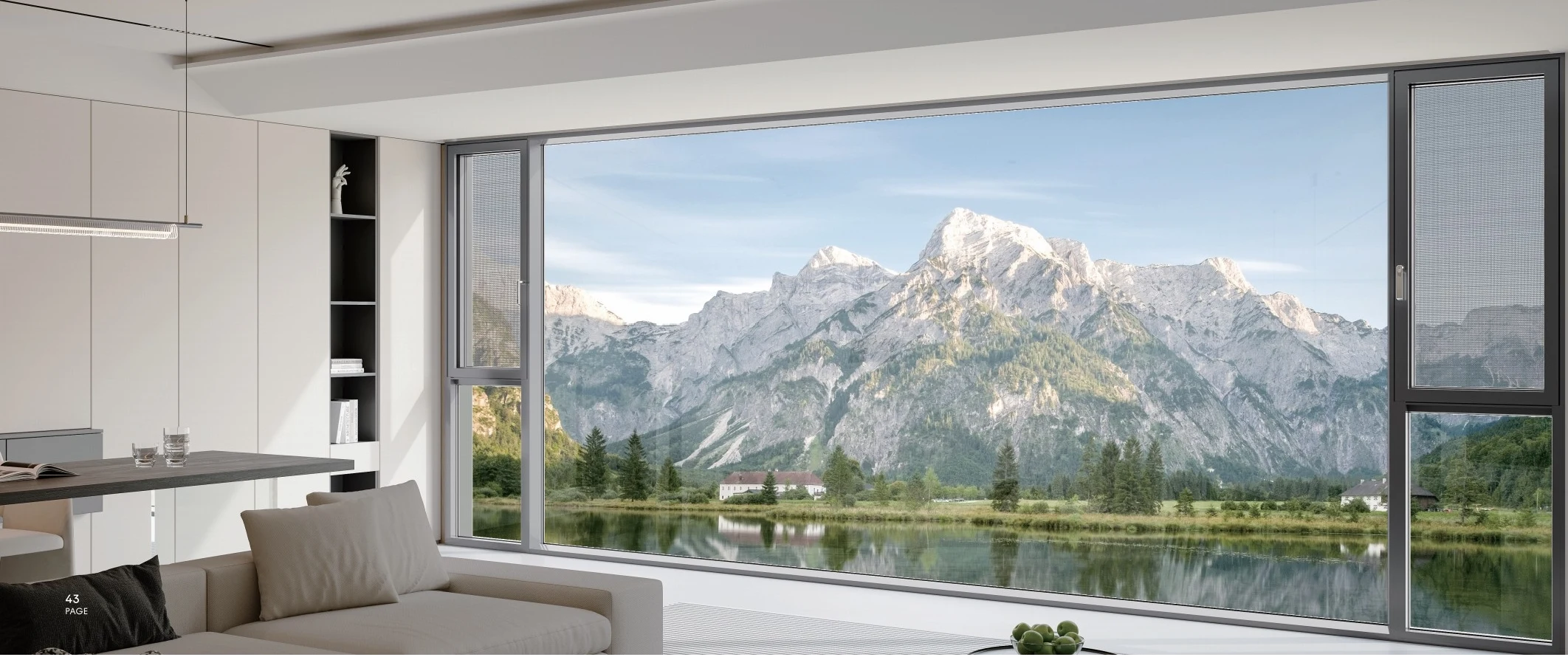
في عالم التصميم المعاصر، تجاوز السعي وراء الشفافية مجرد الجانب الجمالي ليصبح فلسفة تصميمية. ويتجلى ذلك بشكل أفضل من خلال الأبواب المنزلقة ذات الحواف الضيقة في الهواء الطلق، التي تجمع بين البراعة التقنية والرغبة الخالدة في طمس الحدود الفاصلة بين المساحات الداخلية والخارجية. تعيد هذه الأنظمة المنزلقة ذات الإطارات فائقة النحافة تعريف الطريقة التي يُنظر بها إلى الضوء والانفتاح والمناظر الطبيعية، لتحوّل الهندسة المعمارية إلى فن حي.
تطور العمارة الشفافة
على مدى قرون، كانت الجدران ترمز إلى الأمان والفصل. ومع ذلك، مع نضوج الفكر المعماري، بدأت العلاقة بين الناس وبيئتهم تتغير. وقد شكل ظهور الواجهات الزجاجية وأنظمة الأبواب المنزلقة الكبيرة بداية عهد جديد — عصر أصبح فيه ضوء الشمس والهواء والإطلالات جزءًا لا يتجزأ من الراحة والرفاهية.
في الأماكن الخارجية، تمثل الأبواب المنزلقة ذات الإطارات الرفيعة تطوراً جديداً لهذه الفكرة. فهي تجسد أسلوب «المبنى الشفاف»، حيث تختفي الجدران ويبدو الخارج وكأنه جزء من الداخل. وتتيح هذه الأبواب، التي تُصنع عادةً بإطارات رفيعة من الألومنيوم وألواح زجاجية كبيرة، إطلالة شبه غير منقطعة على المناظر الطبيعية.
من المنازل المطلة على البحر إلى الملاذات الجبلية وسط غابات الصنوبر، تغير هذه التصاميم طريقة عيشنا. لم يعد التركيز ينصب على الانعزال، بل على إقامة حوار مستمر بين المبنى والطبيعة.
جوهر الإطار البسيط
تكمن الميزة الرئيسية للأبواب المنزلقة ذات الحواف الضيقة بشكل أساسي في هيكلها الذي يتميز بإطارات أقل. فالأبواب المنزلقة العادية أو التقليدية تعتمد في الواقع على إطارات ضخمة لتوفير الدعم، ولكن بفضل الهندسة الحديثة، تمكن المصممون من تقليل سماكة الإطارات المرئية إلى بضعة ملليمترات فقط دون المساس بالقوة أو السلامة.
إذا قلصت حجم الألومنيوم إلى خط يكاد يكون غير مرئي، فستحصل على نسبة زجاج إلى إطار تبلغ 95%. إنها وضوح بانورامي — فكل شعاع شمس، وكل ظل شجرة، وكل انعكاس صغير يظهر بوضوح تام كجزء من المساحة التي دخلوها.
تخفي البساطة البصرية تعقيدًا مذهلاً. فخلف هذا الأناقة تكمن أنظمة من الحواجز الحرارية والمسارات المقواة والمحامل الدقيقة التي تساهم في ضمان التشغيل السلس والعمر الطويل. ويجعل دقة تصميم هذه الآلية الحركة اليومية — أي تحريك الباب — تجربة تتسم بالرشاقة والدقة.
الربط بين الأماكن الداخلية والخارجية
يتمثل المبدأ التوجيهي للأبواب المنزلقة ذات الإطارات الرفيعة المخصصة للأماكن الخارجية في المزج بين الراحة الداخلية والحرية الخارجية. فهي تتخلص من الإطارات الثقيلة، وتحقق الشفافية الكاملة من الأرض إلى السقف. هل هذه غرفة معيشة أم تراس؟ غرفة نوم أم شرفة؟ منطقة تناول الطعام أم حديقة؟
في الأماكن التي تتغير فيها الفصول، ستتيح هذه الأنظمة إجراء تعديلات تتناسب مع كل فصل. ففي الأشهر الأكثر دفئًا، يتيح الانزلاق السهل للألواح دخول أي نسيم متاح؛ أما في الشتاء، فيحافظ الزجاج العازل ثلاثي الطبقات على الحرارة داخل المكان مع الحفاظ على الإحساس بالانفتاح البصري. ولا يقتصر هذا الارتباط على الجانب المادي فحسب، بل يمتد ليشمل الجانب العاطفي أيضًا — حيث يشعر السكان بأنهم وسط الطبيعة رغم وجودهم داخل المساحة الزجاجية.
التميز في المواد والمتانة
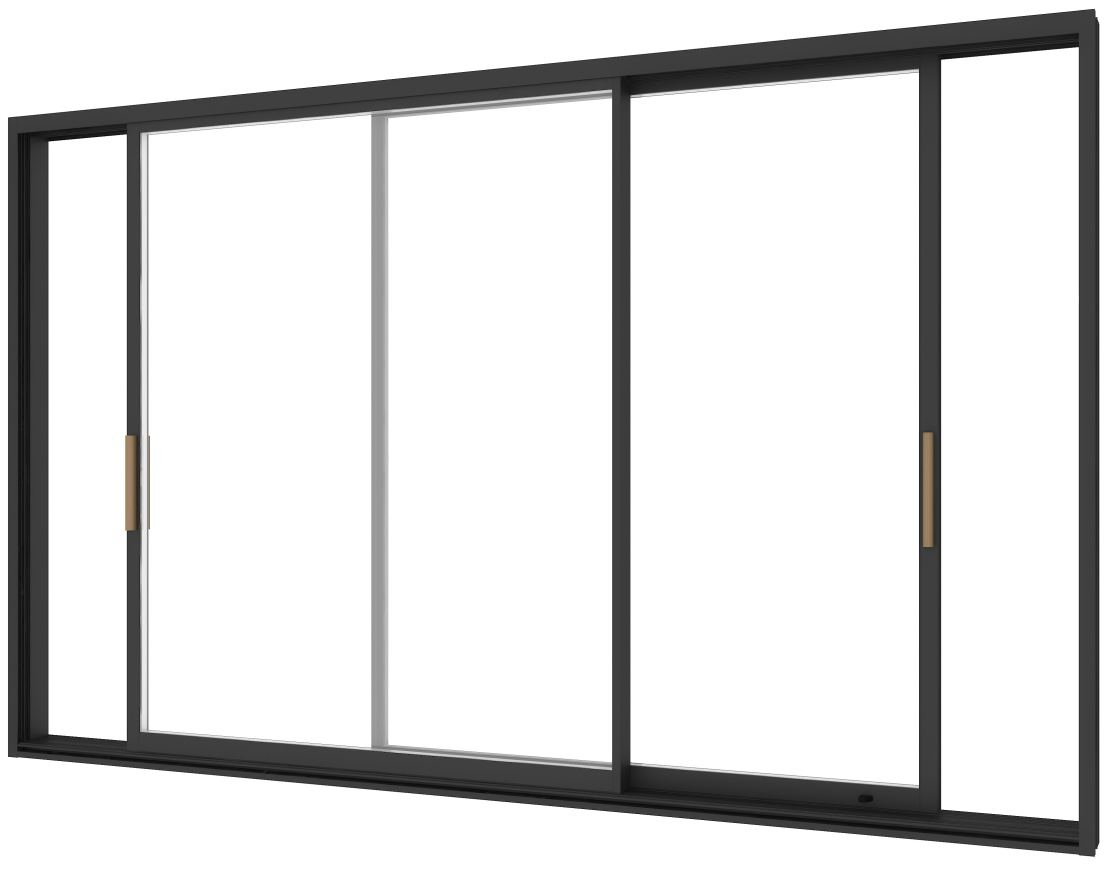
يجب أن يكون الحل الحقيقي للأبواب المنزلقة الخارجية قادرًا على مقاومة ما هو أكثر بكثير من مجرد العوامل الجوية — بل يجب أن يصمد أمام اختبار الزمن. وتحقق الأبواب المنزلقة ذات الإطار الضيق ذلك من خلال استخدام سبائك الألومنيوم المستخدمة في صناعة الطيران وطلاءات الأسطح، إلى جانب موانع التسرب المقاومة للعوامل الجوية التي تتحمل الهواء المالح والتعرض للأشعة فوق البنفسجية وضغط الرياح.
ستعمل الطلاءات المسحوقية عالية الأداء أو التشطيبات المؤكسدة على منع التآكل الساحلي. كما أن المعالجات الكهروضوئية الاختيارية تعزز العمر الافتراضي للباب بشكل أكبر، بحيث يظل الباب، حتى بعد عقود من التعرض للعوامل الجوية، لامعًا على مساراته ويعمل تمامًا كأنه جديد.
تتيح المسارات المصنوعة من الفولاذ المقاوم للصدأ أو المركبة المقواة سهولة الانزلاق وتقلل من احتياجات الصيانة. وتساهم كل أجزائها، بدءًا من أنظمة الصرف وصولاً إلى حشيات الضغط، في جعل النظام بأكمله مقاومًا للمطر والرطوبة، فضلاً عن التغيرات في درجات الحرارة.
الذكاء الحراري والصوتي
الراحة لا تتعارض مع الجمال. فالفواصل الحرارية متعددة الحجرات المملوءة بمواد عازلة — سواء كانت من مركبات البولي أميد أو الألياف الزجاجية — تضمن أداءً ممتازًا من حيث كفاءة الطاقة لأنظمة الإطارات الخارجية ذات الحواف الضيقة، مما يحقق قيم U أقل من 1.0 وات/م²كلفن.
لا يسمح العزل بدخول الحرارة، مما يؤدي إلى توفير الطاقة والحفاظ على مناخ داخلي ثابت. وتُعد الهندسة الصوتية ميزة أخرى تضفي الراحة، إلى جانب خيارات العزل المتطورة والزجاج الرقائقي التي يمكنها توفير مستويات عزل صوتي تصل إلى 45-50 ديسيبل، وهي ميزات مصممة خصيصًا للبنتهاوس الحضري وكذلك للملاذات الهادئة.
التنوع المعماري وإمكانية التخصيص
تتمثل إحدى أبرز مزايا الأبواب المنزلقة ذات الإطارات الضيقة في قدرتها على التكيف. فسواءً كانت في المنازل العصرية ذات الطراز البسيط أو في المنتجعات الفاخرة، فإنها تعزز التناسق المعماري.
يمكن للمصممين تحديد ما يلي:
أنظمة بدون زوايا توفر إطلالات غير منقطعة حول حواف المبنى.
أبواب جيبية منزلقة تختفي داخل الجدران، مما يخلق انفتاحًا تامًا.
تكوينات متعددة الألواح تمتد على واجهات المباني بأكملها.
نظام أتمتة آلي للألواح الكبيرة والثقيلة، يتم التحكم فيه عن طريق اللمس أو المستشعرات.
تتيح الطبيعة المعيارية لهذه الأنظمة إمكانية دمجها مع واجهات الحائط الساتر، أو الدرابزينات الزجاجية، أو الزجاج الهيكلي، لتشكل أسطحًا شفافة متصلة تلتف حول المبنى.
تحسين تجربة الحياة في الهواء الطلق
في نمط الحياة العصرية، اكتسبت الحياة في الهواء الطلق أهمية كبيرة. فلم تعد الشرفات والمساحات المفتوحة والمناطق المحيطة بالمسبح مجرد أماكن إضافية — بل أصبحت أجزاءً أساسية من المنزل. وتساهم الأبواب المنزلقة ذات الإطارات الرفيعة المخصصة للاستخدام الخارجي في تعزيز هذه الأجواء من خلال إزالة الحواجز.
تصميم يتسم بالانسيابية بين منطقة المعيشة والمطبخ الخارجي، أو بين مكتب مشرق وشرفة مغطاة. وبفضل الأبواب المنزلقة التي يمكن أن يصل طولها إلى 20 متراً، يمكن إزالة جميع الجدران، مما يحول المنازل إلى أماكن تفيض بالضوء والهواء.
تضمن المسارات منخفضة العتبة أو المُدمجة سهولة الوصول واستمرارية الدرجات بصريًّا، دون أي انقطاعات بصرية. وبالنسبة للمرافق الشاملة تمامًا، فإن ذلك يعني إمكانية الوصول بكرسي متحرك دون المساس بالجماليات.
الاستدامة وكفاءة الطاقة
تتطلب أخلاقيات العمارة الحديثة الاستدامة، وقد تطورت أنظمة الأبواب المنزلقة تبعًا لذلك. ويُعطى الأولوية الآن في تصنيع الأبواب ذات الإطارات الضيقة للمواد القابلة لإعادة التدوير، والتشطيبات الصديقة للبيئة، والزجاج منخفض الانبعاثات.
يساهم الزجاج الموفر للطاقة، مثل الطلاءات منخفضة الانبعاثية (low-E) والتجاويف المملوءة بغاز الأرجون، في تحسين الأداء الحراري الإجمالي للمبنى، مما يقلل من الاعتماد على أنظمة التدفئة والتهوية وتكييف الهواء (HVAC). كما تقلل متانة الأبواب من الحاجة إلى استبدالها بشكل متكرر، مما يقلل إلى أدنى حد من الأثر البيئي للمبنى على مدار دورة حياته.
تلتزم العديد من الشركات المصنعة الرائدة بالمعايير الدولية مثل شهادة «المنزل السلبي» (Passive House)، والمعيار EN ISO 10077، ومتطلبات LEED، مما يجعل هذه الأنظمة خيارًا قابلاً للتطبيق في مشاريع البناء المستدام في جميع أنحاء العالم.
جماليات الشفافية
لطالما ارتبطت «البساطة» — كمبدأ جمالي — بالنقاء والتركيز. وفي الأماكن الخارجية، تجسد الأبواب المنزلقة ذات الإطارات الضيقة هذه الفلسفة. فهي تخلق تناغماً مكانيًّا من خلال البساطة — حيث يساهم كل خط وانعكاس ونسبة في خلق جو من التوازن.
تبدو القوائم الرأسية فائقة النحافة شبه غير مرئية عند النظر إليها من مسافة بعيدة. فعندما تكون الأبواب مغلقة، تشكل سطحًا زجاجيًا متواصلًا؛ وعندما تكون مفتوحة، فإنها تدعو المناظر الطبيعية لتكون جزءًا من التصميم المعماري.
يصبح الضوء العنصر التصميمي الرئيسي. تغمر أشعة الشمس الصباحية المساحات الداخلية بدفئها؛ وعند الغسق، تضفي انعكاسات الأشجار أو المياه أو السحب حيوية على سطح الزجاج، لتخلق تركيبات ديناميكية نابضة بالحياة.
الأداء في الظروف القاسية
بالنسبة للاستخدامات الخارجية، فإن المتانة لا تقل أهمية عن المظهر. تخضع الأبواب والنوافذ المنزلقة ذات الإطارات الرفيعة الفاخرة لاختبارات في ظروف قاسية — مثل ضغوط الرياح التي تصل إلى 3000 باسكال، والأمطار الغزيرة، وحتى الزلازل.
توفر الأختام المقاومة للعوامل الجوية، والحشيات المتشابكة، والعديد من نقاط الإغلاق الأمان والمانع للتسرب المائي. كما تمنع أنظمة التصريف الجديدة أي تسرب أثناء العواصف، في حين تضمن العوازل الحرارية العلوية استمرار عمل الوحدة بشكل سليم في ظروف الحرارة الشديدة أو البرودة الشديدة.
في المناطق التي تتكرر فيها الأعاصير، يتم تركيب زجاج مقاوم للصدمات وإطارات قادرة على تحمل رياح من الفئة الرابعة، مما يحول ما كان يُعتبر في السابق زجاجًا هشًا إلى عامل حماية يضمن الأمن.
التكنولوجيا الذكية والأتمتة
لقد أعادت الأنظمة الذكية بالفعل تعريف طريقة تعامل المستخدمين مع العناصر المعمارية. في الأماكن الخارجية، يمكن أن تكون الأبواب المنزلقة ذات الإطارات الرفيعة مزودة بمحركات آلية، وأجهزة فتح تعمل بأجهزة استشعار، وميزات مدمجة في المنازل الذكية. ويمكن لتطبيقات الهواتف الذكية أو الأوامر الصوتية التحكم في سرعة الانزلاق، وأنماط التهوية المختلفة، أو حتى الإغلاق التلقائي في حالة اكتشاف هطول المطر. وقد توفر تقنية الزجاج الذكي التحكم في الخصوصية — حيث تجعل الألواح الشفافة معتمة بلمسة واحدة.
هذه الابتكارات تجعل الأبواب ليست مجرد محور معماري فحسب، بل أيضًا واجهة تكنولوجية تربط بين الإنسان والبيئة.
ما وراء المساكن: التطبيقات التجارية والضيافة
ورغم أن جاذبية الأبواب المنزلقة ذات الإطارات الضيقة لا يمكن إنكارها في المنازل، فإن تطبيقاتها تتجاوز ذلك بكثير. فالفنادق الفاخرة والمعارض الفنية وصالات العرض والمطاعم تتبنى جميعها نفس مبدأ الانفتاح السلس.
في السياقات التجارية، فإنها توفر:
واجهات متاجر واسعة مع رؤية واضحة للعرض دون عائق.
انتقالات سلسة بين الصالات الداخلية والشرفات الخارجية.
راحة يمكن التحكم في مناخها بدون فصل بصري.
إن الجمع بين المتانة والتحكم الصوتي والتشغيل السهل يجعلها مثالية للأماكن التي تستضيف الأشخاص باستمرار. فهي تخلق وهم البيئات المفتوحة في الهواء الطلق دون التضحية بالتحكم في المناخ أو السلامة.
التأثير النفسي والعاطفي
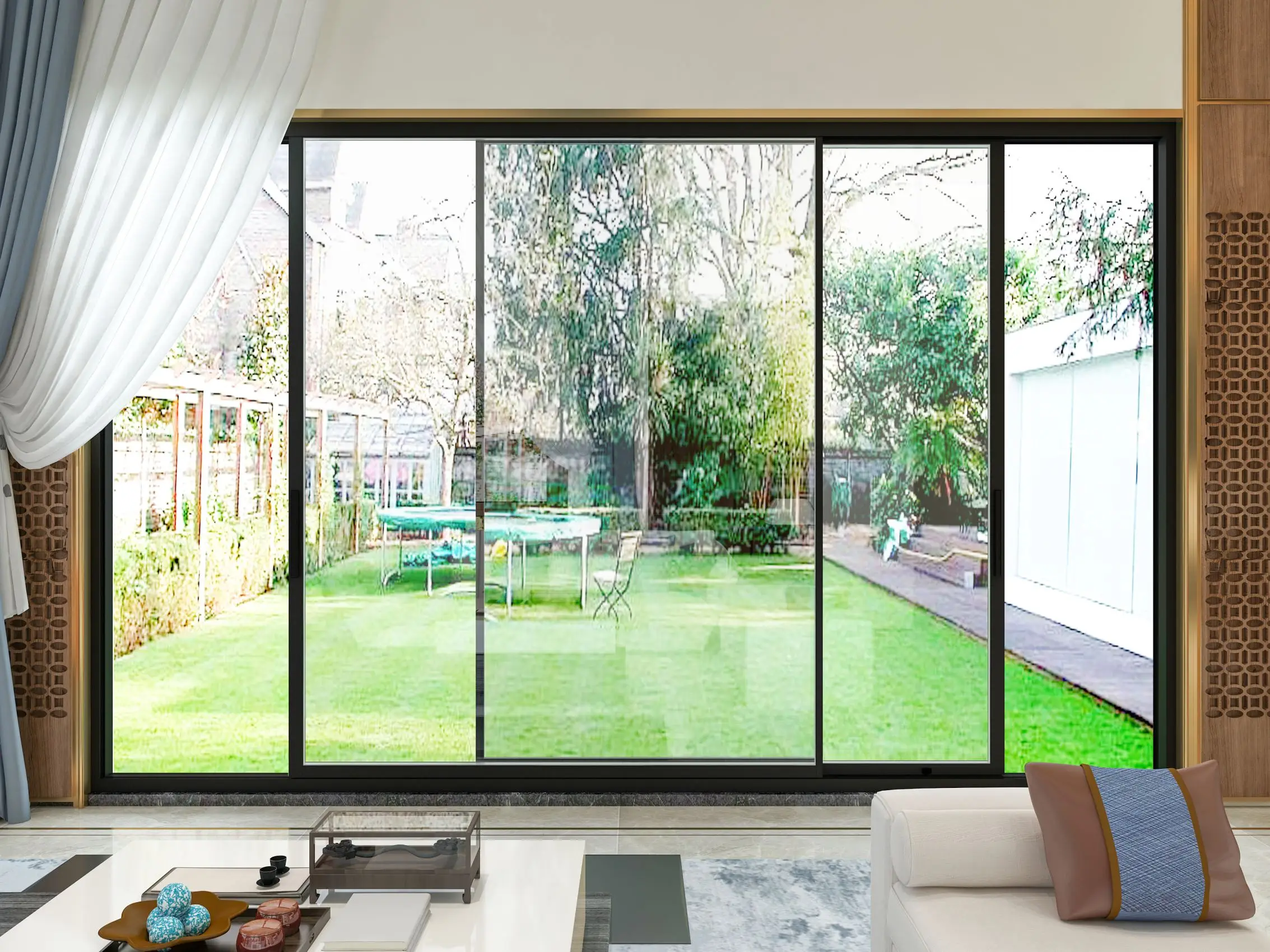
العمارة مسألة شعور. إن دخول الضوء والفضاء والطبيعة من خلال العناصر الزجاجية له تأثير قابل للقياس على الرفاهية. وتشارك الدراسات النتائج حيث أن المزيد من الضوء الطبيعي والرؤية في الهواء الطلق يقلل من التوتر ويحسن التركيز ويحسن المزاج.
الأبواب المنزلقة ذات الإطار النحيف في الخارج هي أدوات صحية. فهي تساعد على تحقيق التصميم الحيوي من خلال السماح للمستخدمين بإعادة التواصل مع الطبيعة ومراقبة التغيرات في ساعات النهار وكذلك الفصول المختلفة. تغذي الشفافية الحذر والوعي بما يحدث خارج الغرفة.
نموذج جديد في العمارة الحديثة
يكمن مستقبل التصميم المعماري في التكامل: تكامل المواد مع الضوء، وتكامل راحة الإنسان مع الحساسية البيئية. الأبواب المنزلقة ذات الحواف الخارجية الضيقة هي التجسيد المثالي لهذا التكامل.
إنها مؤشرات للتطور: أنظمة تجمع بين الدقة الهندسية والاعتدال الجمالي والذكاء البيئي. في العقد القادم، عندما يصبح التصميم المسؤول عن المناخ والمراعي للطاقة هو المعيار السائد، لن تكون هذه الأبواب من السمات الفخمة بل ستكون عناصر معمارية إلزامية.
يذهب إلى لغة التصميم. التدفق بدلاً من الإحاطة. الشفافية بدلاً من التعتيم. الاستمرارية وليس الانفصال.
في الهواء الطلق، تتجاوز الأبواب المنزلقة ذات الحواف الضيقة كونها صيحة رائجة. إنها تعبير عن الحياة. رفاهية لا يُعاد تعريفها بالزخرفة بل بالمساحة والصمت والبساطة.
أن تخطو من خلال هذه الفتحة هو أن تعرف التلاحم بين الهندسة والعاطفة، حيث تسقط الجدران وتصبح العمارة هي السماء أو البحر أو الحديقة. إنه أمل قديم في المباني بدءًا من المنازل الحديثة مرورًا بالهياكل الخاصة بالتجارة التي تتمتع بالحرية في العيش داخل النظام. الجمال يحدث في العراء. هذه ليست أبواباً. إنها عتبات إلى طريقة أخرى لرؤية العالم.