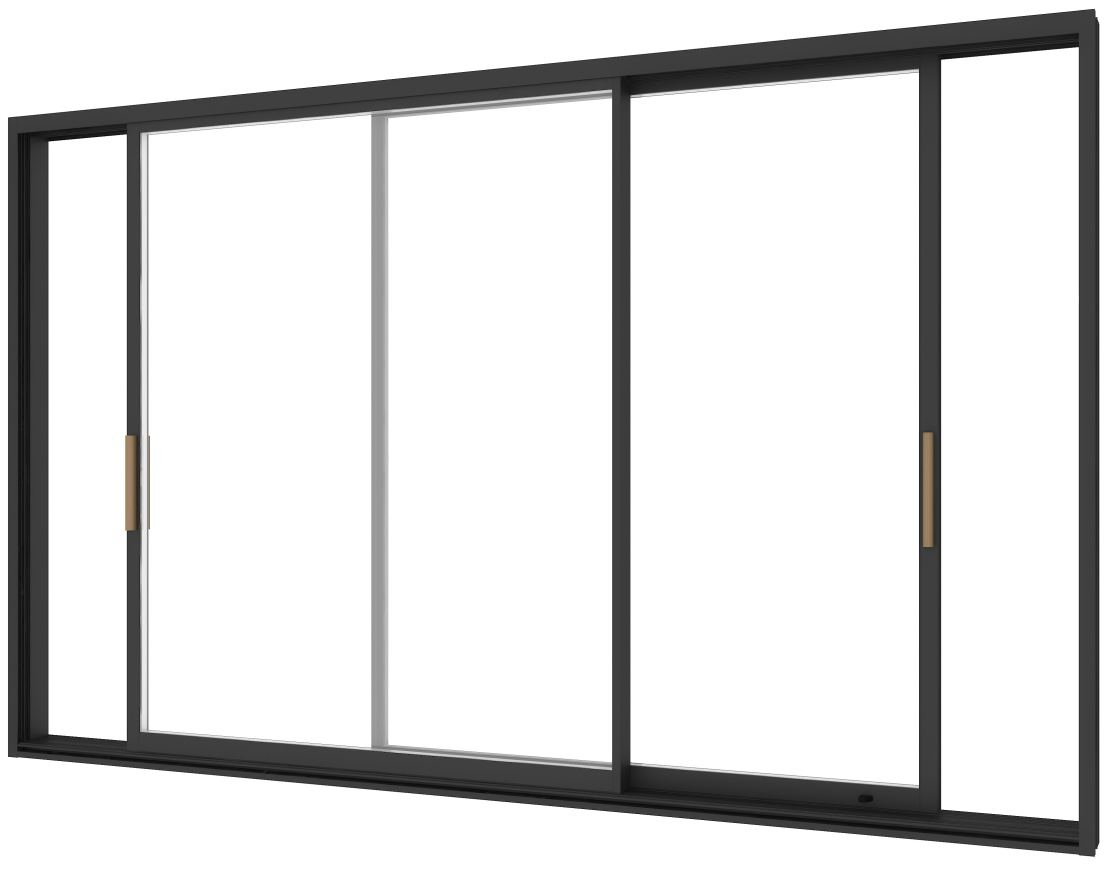
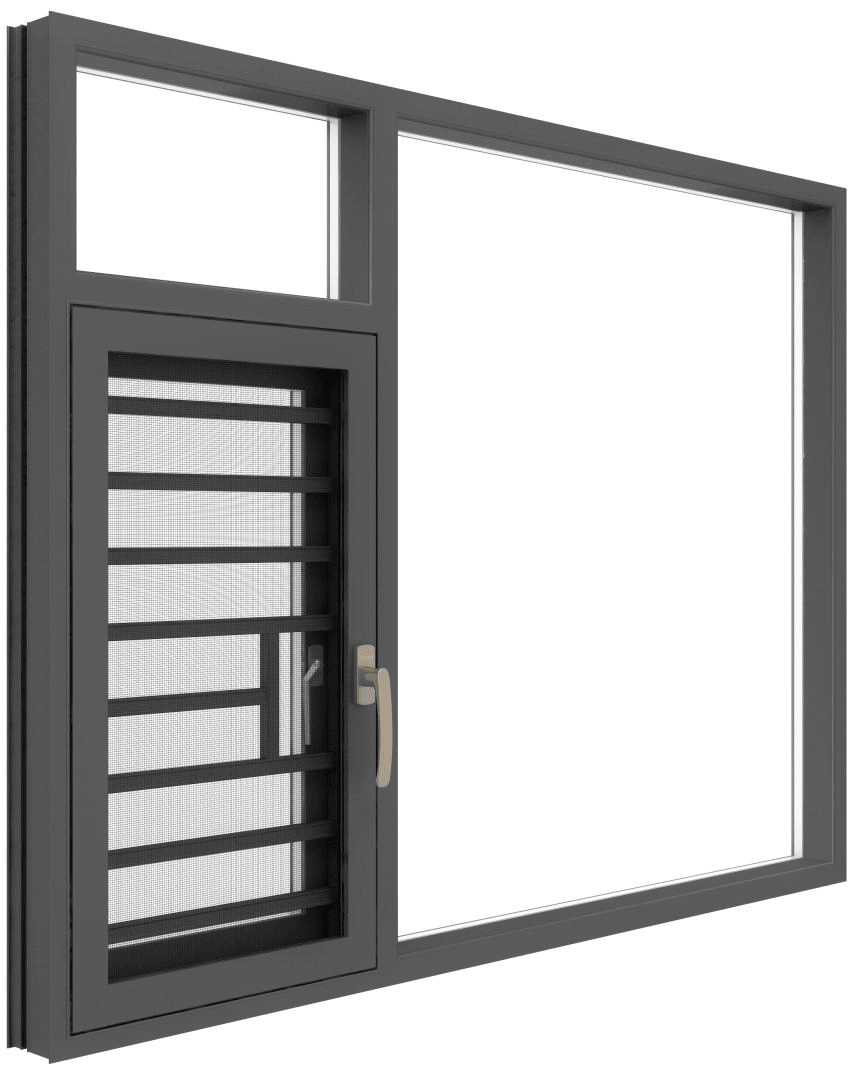
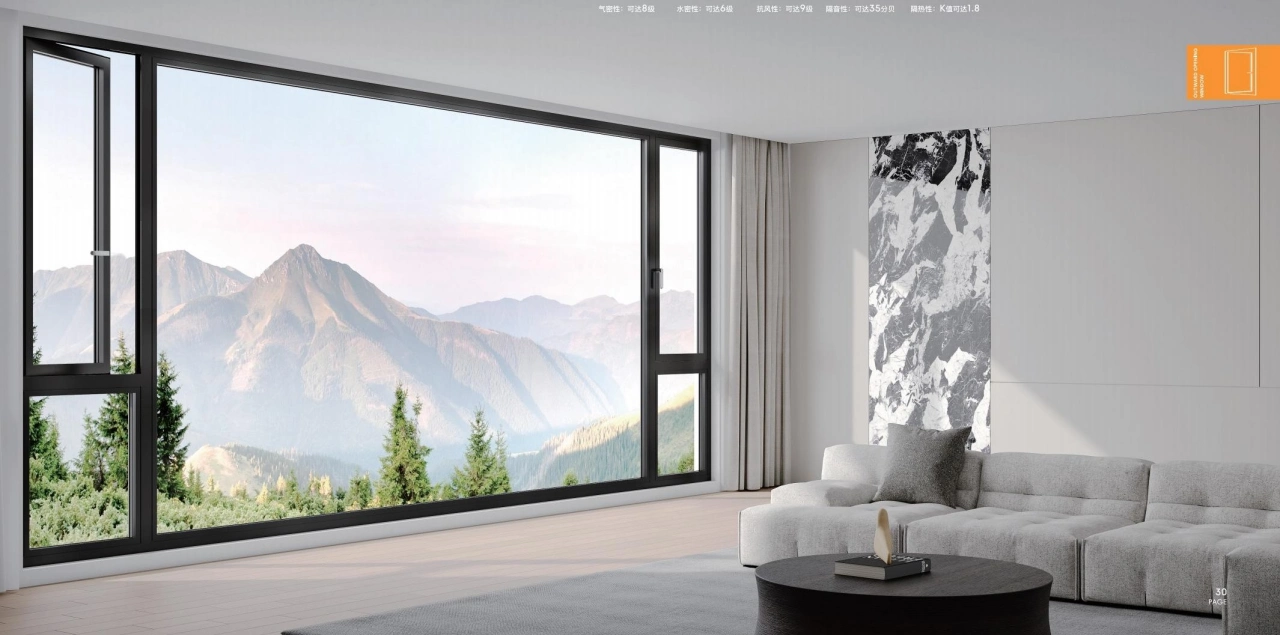
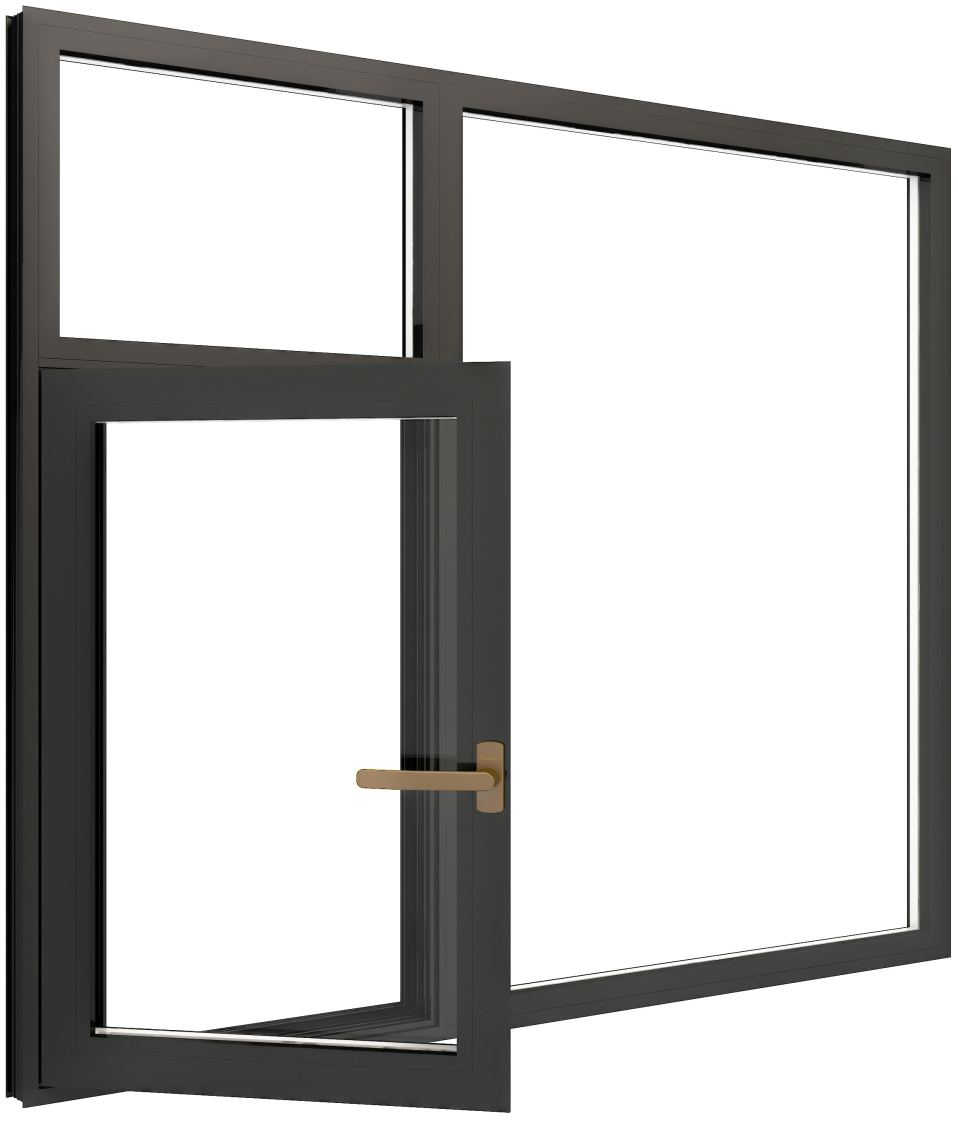
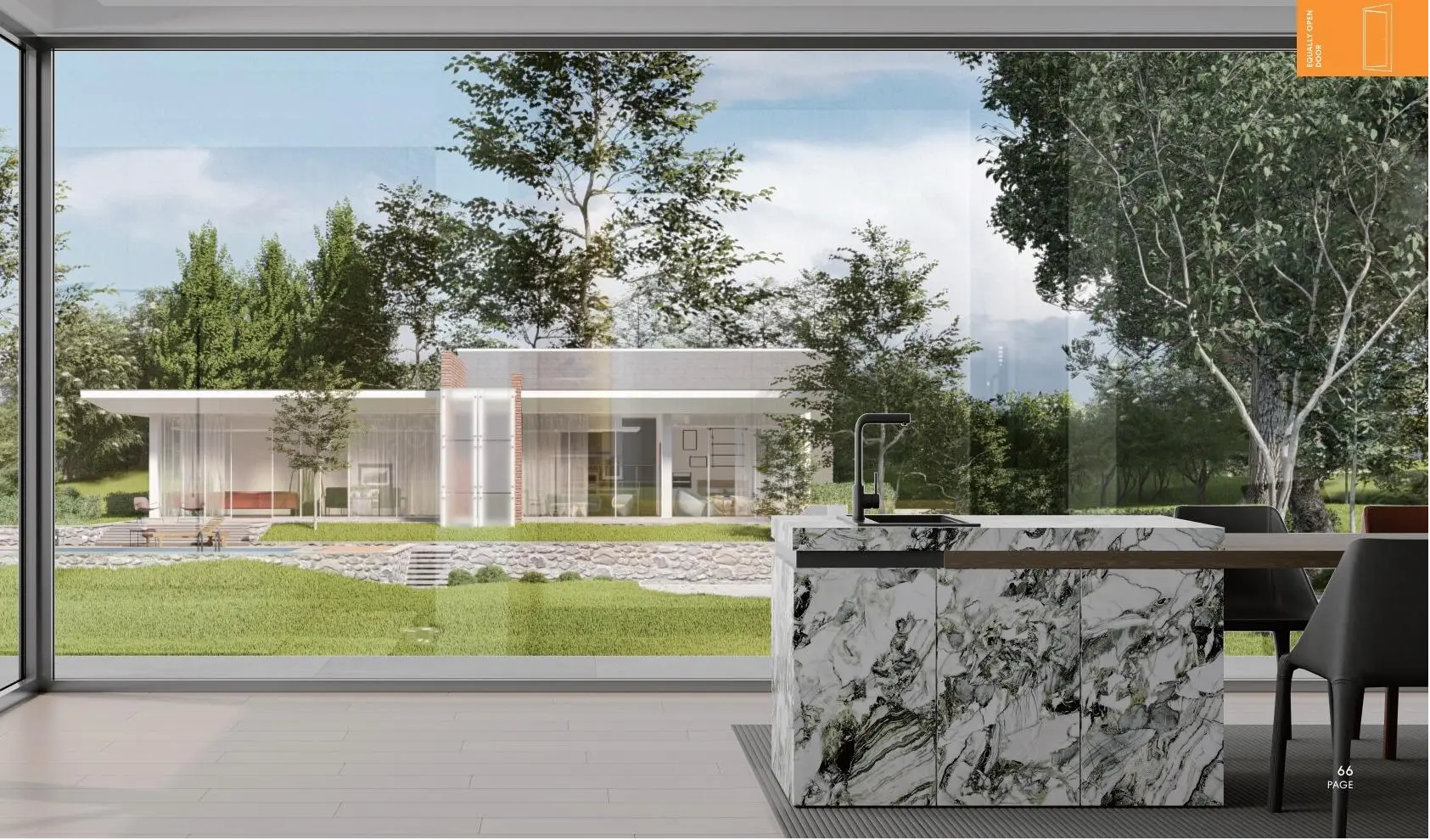
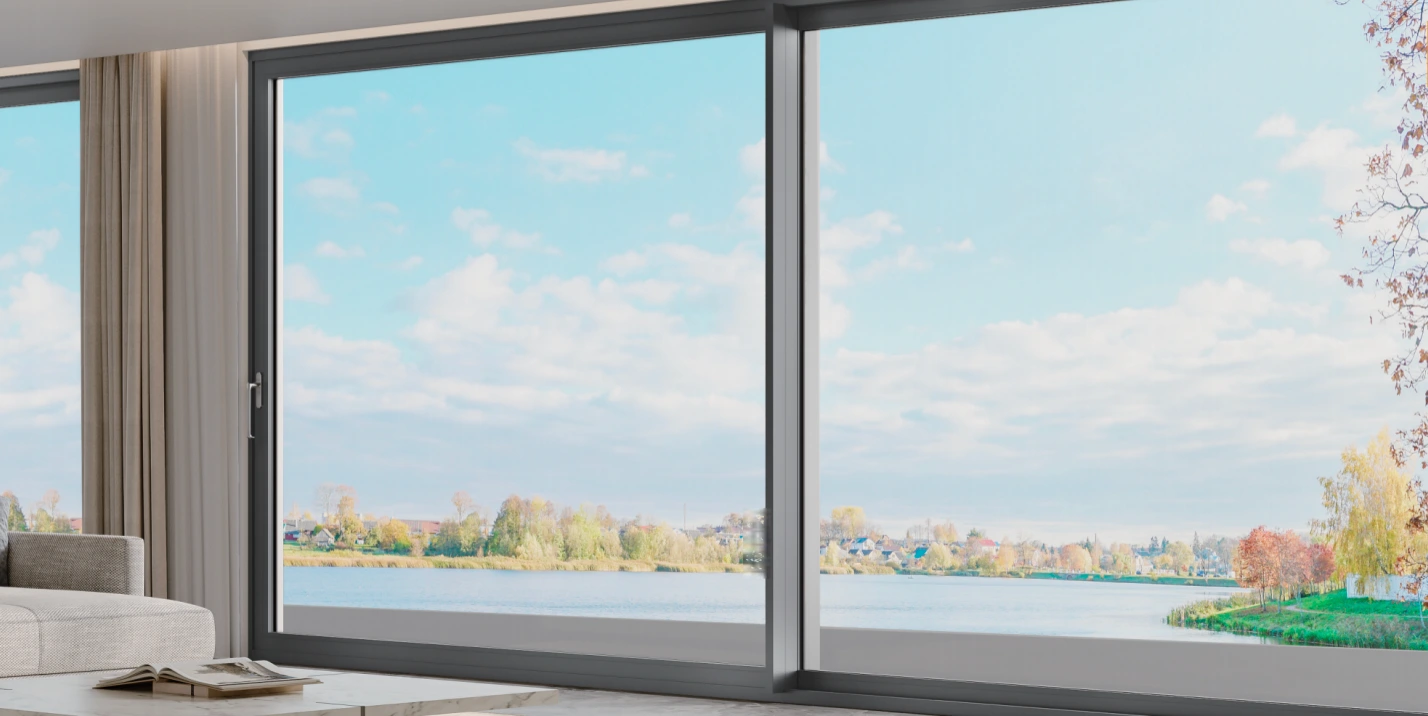
In contemporary design, the quest for transparency has gone far beyond looks—it has become a design philosophy. This is best expressed through 屋外用狭幅ベゼルスライドドア, which merge technical mastery with the timeless desire to blur the line between interior and exterior spaces. These ultra-slim framed sliding systems redefine how light, openness, and scenery are perceived, transforming architecture into living art.

The Evolution of Transparent Architecture

For centuries, walls defined safety and separation. Yet, as architectural thought matured, the relationship between people and their environment began to shift. The introduction of glass façades and large sliding systems marked a new era—one where sunlight, air, and views became integral to comfort and well-being.

Outdoors, thin-frame sliding doors are the next level of that idea. They show the “see-through building” style, where walls go away and the outside feels like part of the inside. These doors, usually made with aluminum slim frames and big glass panels, allow an almost unbroken view of the scenery.

From sea houses to mountain hideaways in the middle of pine woods, these systems change how we live. The focus is no longer on being stuck but on keeping a conversation going between building and nature.

The Essence of Minimal Framing

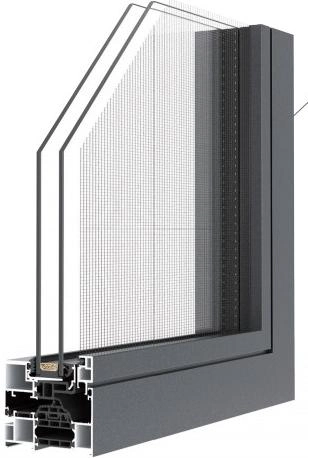
The main highlight of narrow-bezel sliding doors is basically in their less-framed structure. Normal or traditional sliding doors actually depend on bulky frames for support, but due to modern engineering, designers have managed to reduce visible profiles to just a few millimeters without compromising on strength or safety.

Reduce the aluminum to a nearly invisible line, and you get a 95% glass-to-frame ratio. It is panoramic clarity-every sunbeam, every tree’s shadow, every little reflection fully evident as part of the space that they have walked into.

Visual simplicity belies marvelous complexity. Beneath the elegance are systems of thermal barriers, reinforced tracks, and precision bearings that contribute toward assuring both smooth operation and longevity. The refinement of such a mechanism makes daily movement—sliding the door—an experience of grace and precision.

Connecting Indoors and Outdoors

The guiding principle of outdoors slim frame sliding doors is to merge the inside comfort with the outside freedom. They take away heavy frames floor to floor-to-ceiling transparency makes it real. Is this a living room or a terrace? Bedroom or balcony? Dining area or garden?

Where the seasons change, such systems will allow for adjustments in every season. In the warmer months, easy sliding open of panels welcomes any available breeze; in winter, triple-glazed insulated glass keeps the heat in and still feels visually open. The connection is not only physical but also emotional—residents feel that they are in nature while inside glass.

屋外用狭幅ベゼルスライドドア

Material Excellence and Durability

A true outdoor sliding solution must be able to resist much more than just weather—it has to resist time. Narrow bezel sliding doors accomplish this using aerospace-grade aluminum alloys and surface coatings combined with weather-resistant seals that stand up against salt air, UV exposure, and wind pressure.
High-performance powder coating or anodized finishes will keep coastal corrosion at bay. Optional electrophoretic treatments further enhance the longevity so that even after decades of exposure, the door still shines on its tracks and functions just as new.

Stainless or reinforced composite tracks permit easy sliding and reduce maintenance. Every part of it, beginning from the drainage systems to compression gaskets, adds up to make the total system resistant to rain, humidity, as well as temperature changes.

The Thermal and Acoustic Intelligence

Comfort is not devoid of beauty. Multi-chamber thermal breaks filled with the insulating material, whether it be polyamide or fiberglass composites, ensure excellent energy performance for outdoor narrow bezel systems, achieving U values below 1.0 W/m²K.

The insulation does not allow heat to enter, therefore energy is saved and a steady indoor climates are maintained. Acoustic engineering is another comfort, advanced sealing, and laminated glass options which can deliver sound reduction levels up to 45-50dB that are supposed to be for the urban penthouse as well as retreat.

Architectural Versatility and Customization

One of the greatest appeals of narrow-bezel sliding doors is their adaptability. Whether in minimalist modern homes or luxury resorts, they enhance architectural coherence.

Designers can specify:

  • Cornerless systems for uninterrupted views around building edges.

  • Pocket sliding doors that disappear into walls, creating total openness.

  • Multi-panel configurations that span entire façades.

  • Motorized automation for large, heavy panels controlled by touch or sensor.

The modularity of these systems means they can integrate with curtain wall façades, glass balustrades, or structural glazing, forming continuous transparent surfaces that wrap around the architecture.

Enhancing Outdoor Living

In the modern life setup, outside living has gotten huge. Patios, decks, and poolside spots are no more extra places — they have become key parts of the house. Sliding doors with thin frames for outdoors raise this feel by removing walls.

A setting that flows easily from the living area to the outside kitchen, or from a bright office to a covered porch. With sliding doors that can be 20 meters long, all walls can go away, making houses turn into places of light and air.

Low-threshold or flush tracks ensure accessibility and visual continuity steps, with no visual breaks. For the very inclusive, it means wheelchair accessible without any compromise in aesthetics.

Sustainability and Energy Efficiency

Modern architectural ethics demand sustainability, and sliding systems have evolved accordingly. The production of narrow bezel doors now prioritizes recyclable materials, eco-friendly finishes, and low-emission glazing.

Energy-efficient glass, such as low-E coatings and argon-filled cavities, contributes to a building’s overall thermal performance, reducing reliance on HVAC systems. The doors’ durability also reduces the need for frequent replacement, minimizing the building’s life-cycle environmental impact.

Many leading manufacturers comply with international standards such as Passive House certification, EN ISO 10077, and LEED requirements, making these systems viable for green building projects worldwide.

The Aesthetics of Transparency

Minimalism, as an aesthetic principle, has long been associated with purity and focus. Outdoors, narrow bezel sliding doors exemplify this philosophy. They create spatial harmony through simplicity—every line, reflection, and proportion contributes to an atmosphere of balance.

The ultra-slim vertical mullions appear almost invisible when viewed from a distance. When the doors are closed, they form a continuous glass plane; when open, they invite the natural landscape to participate in the architecture.

Light becomes the main design element. Morning sunlight floods interiors with warmth; at dusk, reflections of trees, water, or clouds animate the surface of the glass, creating dynamic, living compositions.

Performance Under Extreme Conditions

For external applications, strength is as important as looks. Luxury thin frame sliding doors and windows are checked in tough conditions—wind pressures reaching 3000 Pa, strong rain, and even earthquakes.

Seals against weather, maze gaskets, and many lock points give safety and water tightness. New drainage setups stop any entry during storms, while top thermal breaks keep the unit working right in extreme heat or cold.

In areas where hurricanes are frequent, the installation of impact-resistant glass and frames that can bear Category 4 winds, thus changing what used to be regarded as delicate glass into a protector of security.

Smart Technology and Automation

The smart systems have actually redefined the approach of users toward architectural elements. Outdoors, slim frame sliding doors can be accompanied by motorized drives, sensor-based openers, and features integrated into smart homes. Smartphone applications or voice commands could control sliding speed, different ventilation modes, or even automatic closing in case of rain detection. Smart glass technology may bring privacy control—making transparent panels opaque at a touch.

These innovations make the doors not only the architectural centerpiece but also the technological interface between human and environment.

Beyond Residences: Commercial and Hospitality Applications

While the allure of narrow-bezel sliding doors is undeniable in homes, their applications extend far beyond. Luxury hotels, art galleries, showrooms, and restaurants all embrace the same principle of seamless openness.

In commercial contexts, they provide:

  • ディスプレイの視界を遮らない、広々とした店頭。

  • 屋内のラウンジと屋外のテラスをスムーズに行き来できる。

  • 視覚的に分離することなく、空調管理された快適さ。

耐久性、音響制御、簡単な操作の組み合わせにより、継続的に人を受け入れるスペースに最適です。空調や安全性を犠牲にすることなく、開放的な環境を作り出します。
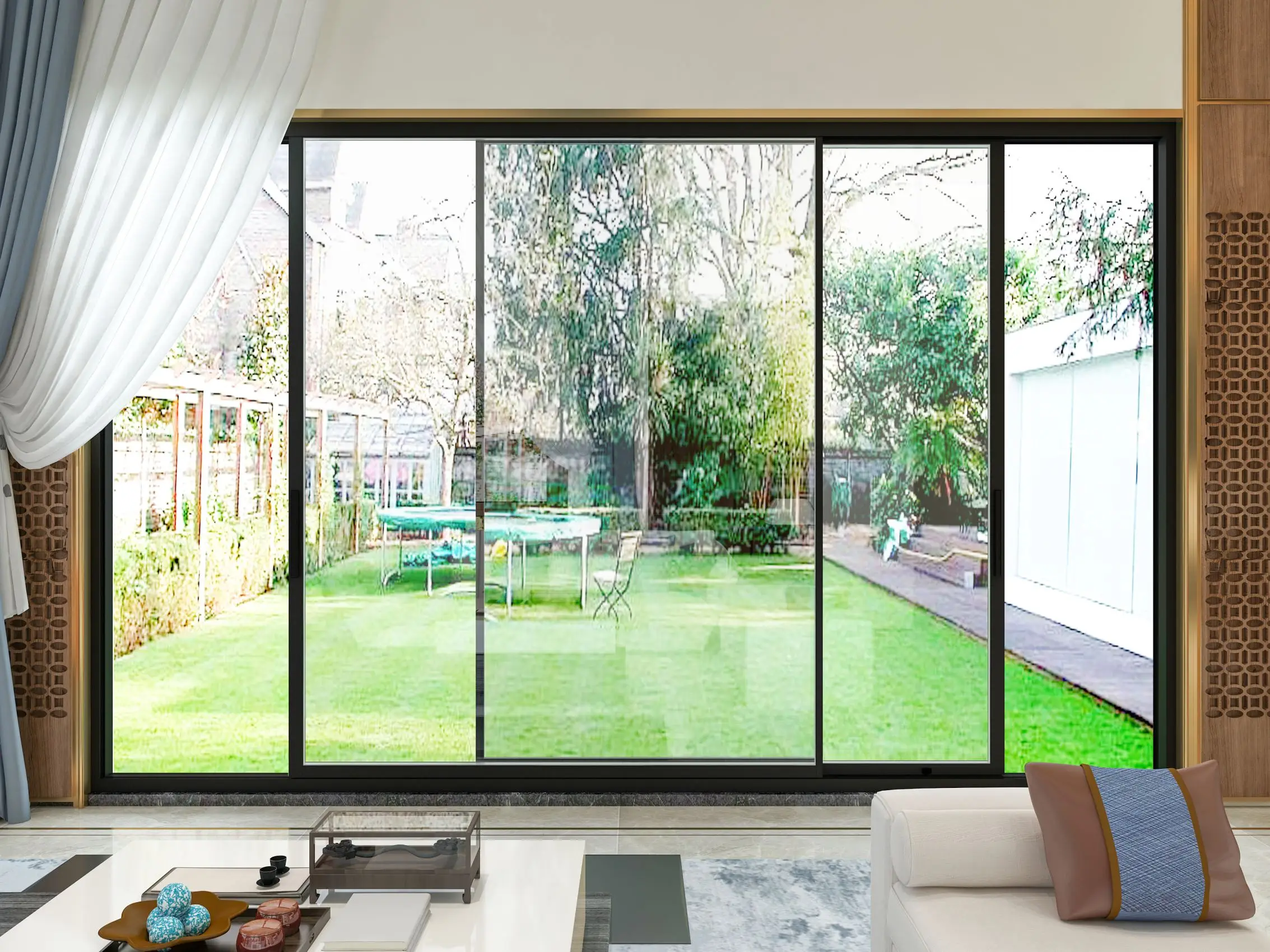
屋外用狭幅ベゼルスライドドア

心理的・感情的影響

建築は感覚の問題である。ガラスを通して光、空間、自然が入ることは、幸福感に測定可能な影響を与える。より多くの自然光と屋外の視界がストレスを軽減し、集中力を高め、気分を向上させるという研究結果が共有されている。

屋外では、スリムなフレームの引き戸がウェルネスの道具となる。利用者が自然とのつながりを取り戻し、日照時間や季節の変化を観察できるようにすることで、バイオフィリックデザインの実現に貢献する。透明性は、部屋の外で起こっていることへの注意と意識を育む。

現代建築の新しいパラダイム

建築デザインの未来は統合にある。素材と光の統合、人間の快適性と環境感性の統合。外側の細いベゼルの引き戸は、そのような統合を完璧に具現化したものです。

それは発展の指標であり、工学的な正確さ、美的な節度、そして環境への配慮が一体となったシステムなのだ。気候変動に対応し、エネルギーを考慮した設計が常識となる次の10年、これらのドアは豪華な設備ではなく、むしろ必須の建築要素となるだろう。

それはデザインという言葉に通じる。囲い込みよりも流れ。不透明ではなく透明。分離ではなく連続。
屋外では、狭いベゼルの引き戸はトレンドの域を超えている。生活の表現なのだ。装飾ではなく、空間、静寂、シンプルさによって再定義されたラグジュアリー。

このような開口部から足を踏み入れることは、工学と感情の接合部を知ることであり、そこでは壁は崩れ落ち、建築は空となり、海となり、庭となる。それは、近代的な住宅から商業施設に至るまで、秩序の中で自由に生きる建築物における古くからの希望である。美はオープンな場所で生まれる。これらはドアではない。世界を見る別の方法への入り口なのだ。