
Einführung
When choosing new windows, one question often comes up: casement or sliding?
At first glance, the difference may seem largely aesthetic. Yet the type of window you choose can influence far more than appearance. Ventilation, energy efficiency, security, weather resistance, and even indoor noise levels are all affected by the window system installed in your home.
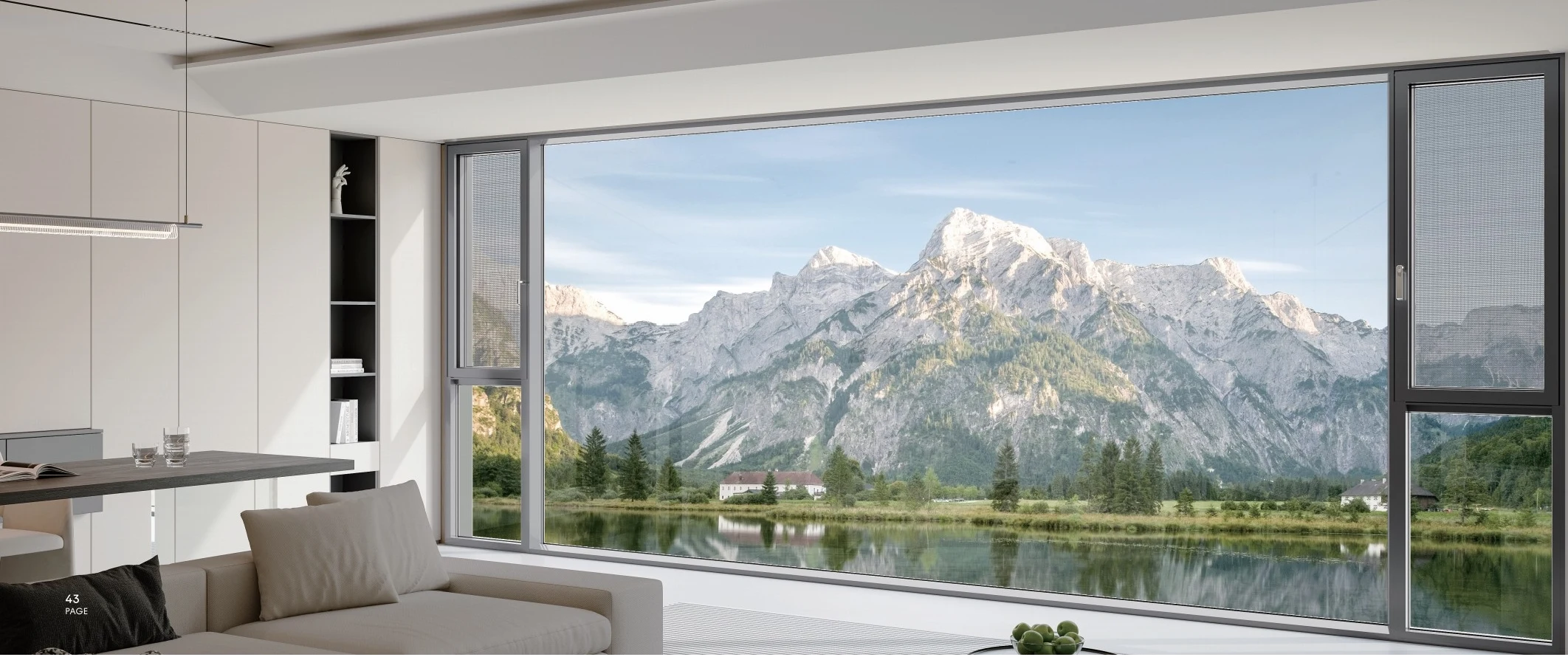
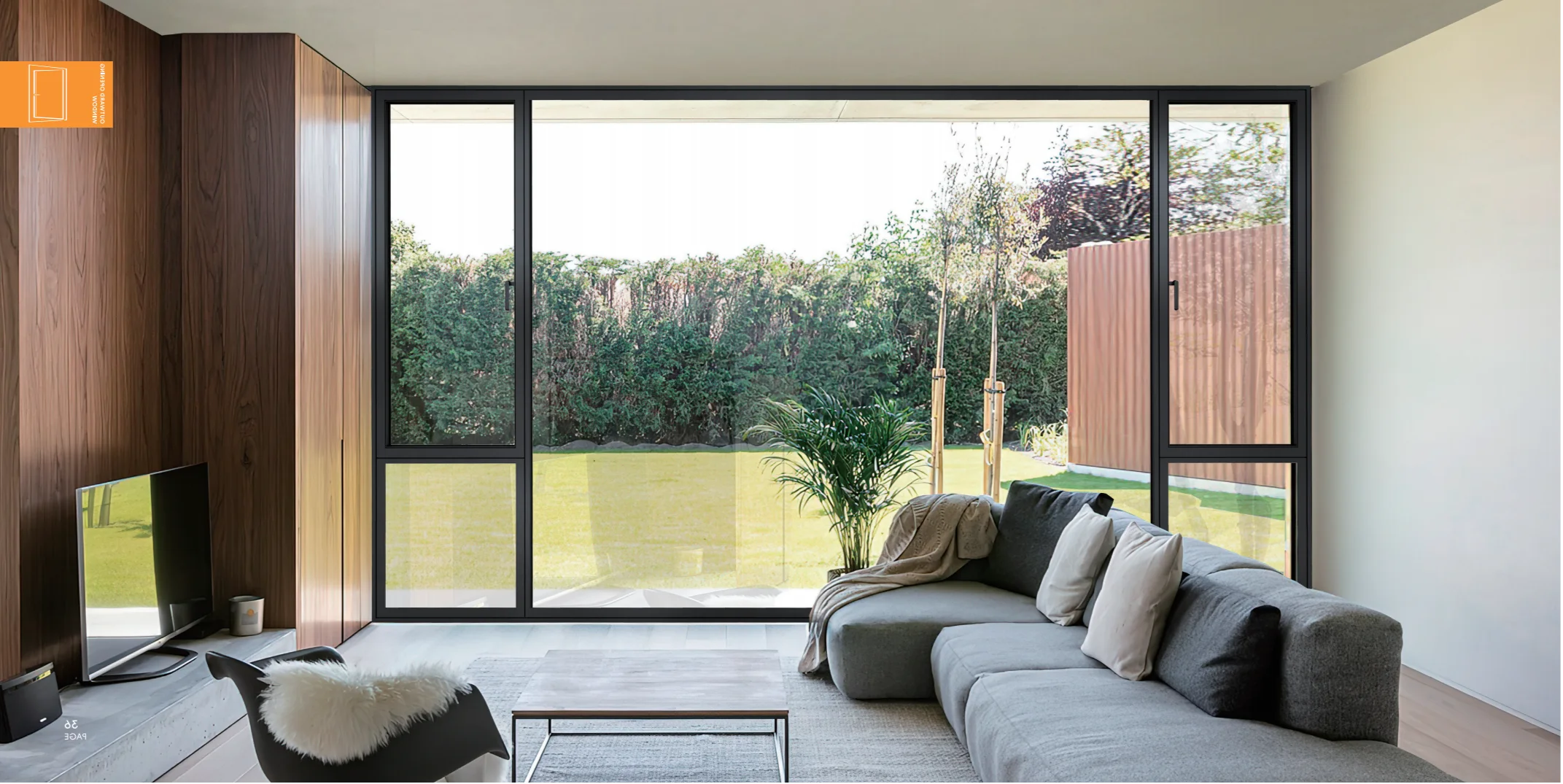
Among the available options, the integrated casement window system has gained increasing attention for its combination of performance and functionality. But how does it compare with a traditional sliding window? Understanding the differences in design, operation, and long-term performance can make the decision much clearer.
In this article, we’ll compare the two systems across the factors that matter most, helping you determine which solution is better suited to your space, budget, and lifestyle.
What Exactly Is an Integrated Casement Window System?
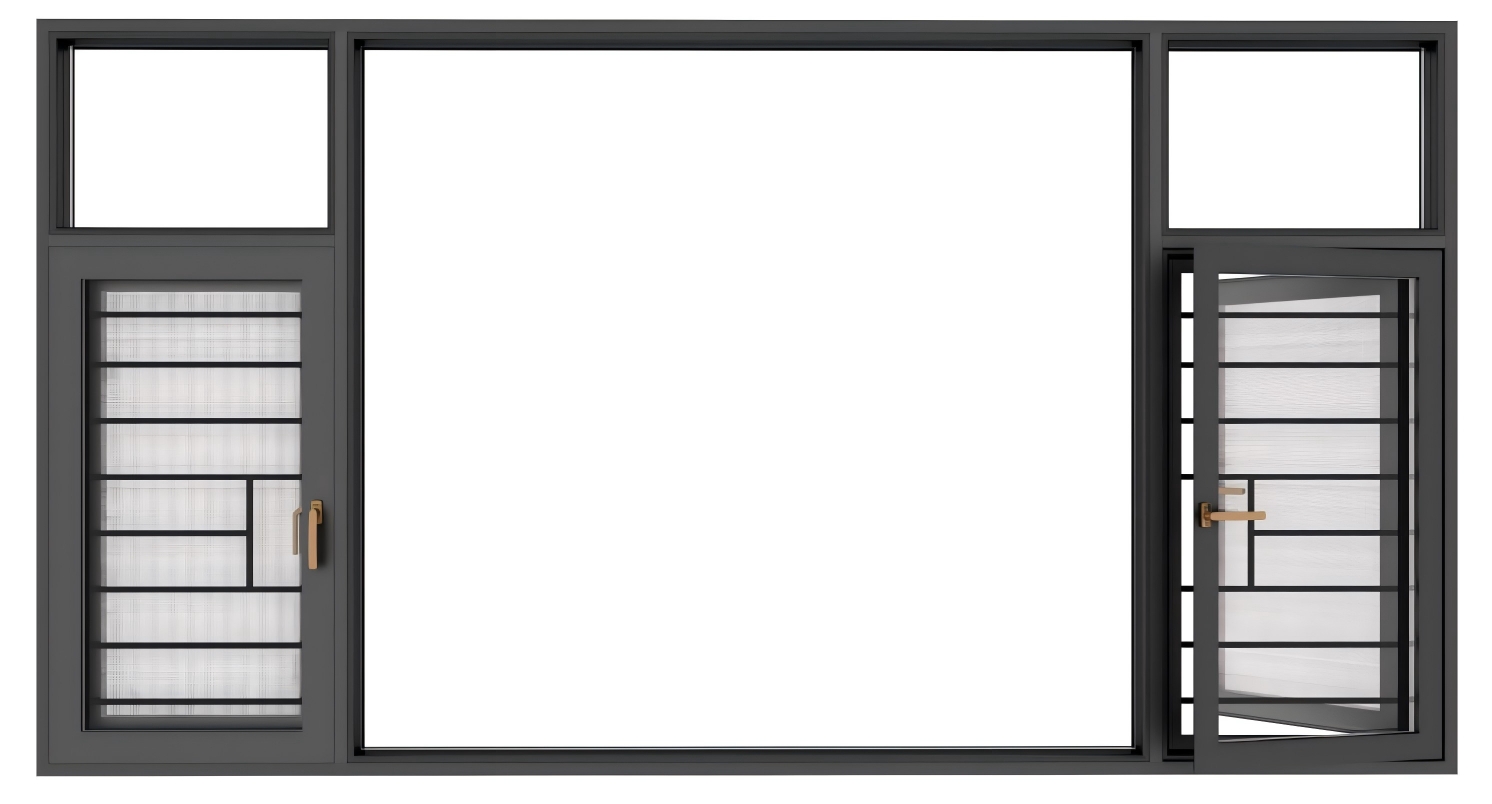
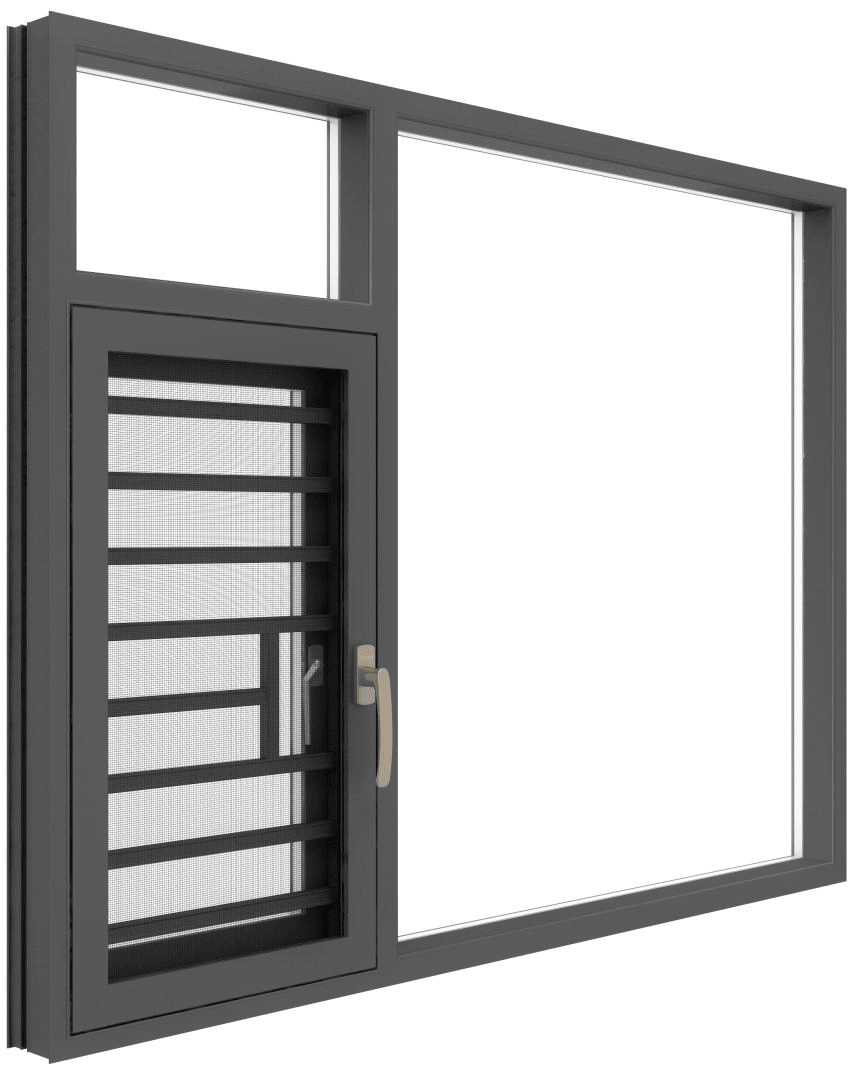
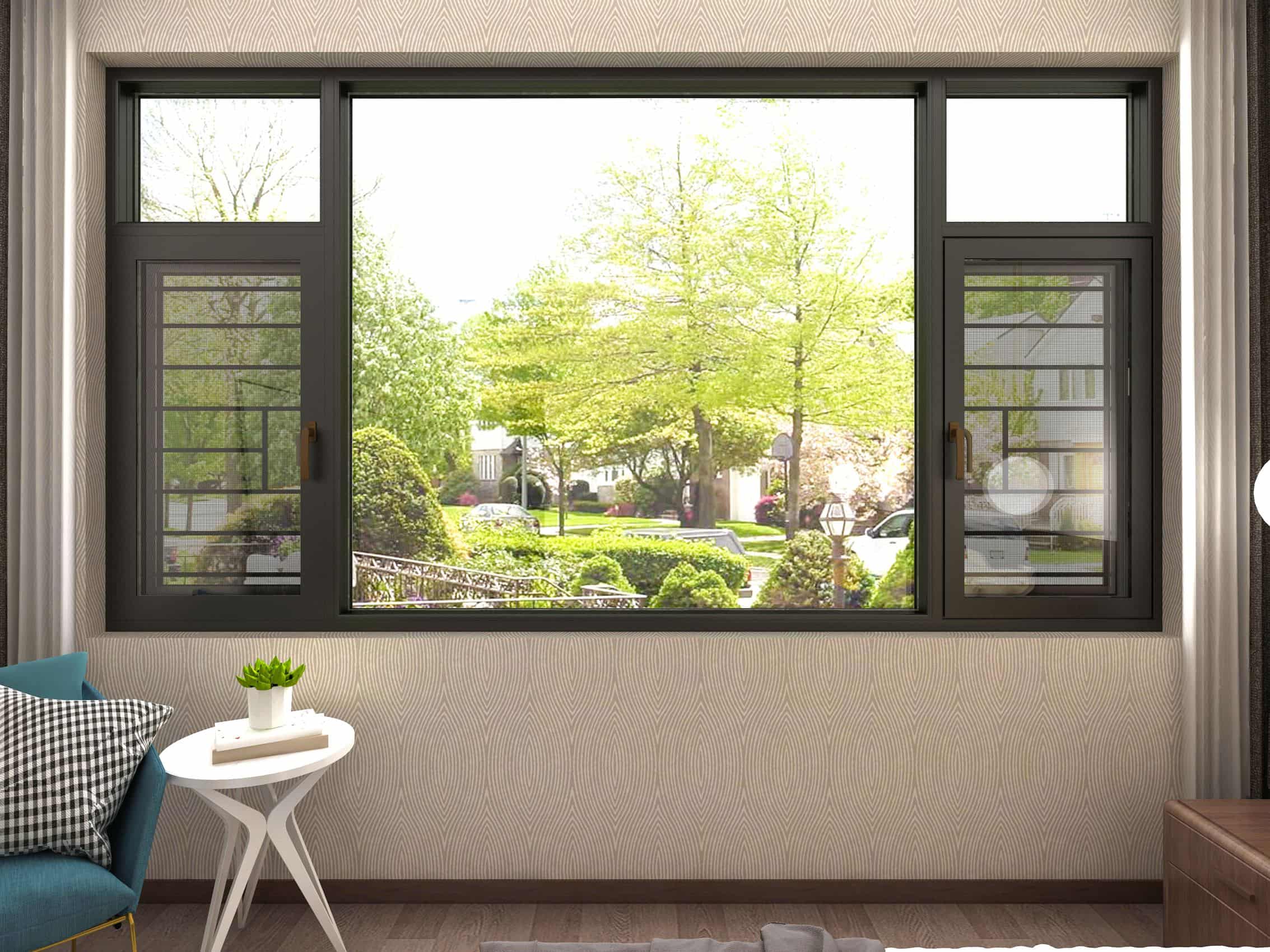
Before we compare, let’s get clear on what we’re talking about. An integrated casement window system isn’t just a fancy name for a regular casement window. It’s a complete, engineered assembly where every component—the frame, the sash, the hardware, the screen, and often the guardrail—works together as a single cohesive unit.
Think of it like a luxury car versus a basic sedan. Both get you from point A to point B. But one has been designed with every component working in harmony, with precision engineering and attention to detail that you can feel every time you use it.
The 110 Series integrated casement window system, for example, offers two tiers: Standard and Premium editions. The Standard edition delivers dependable structural stability and lasting functionality. The Premium edition takes things further with self-lubricating hardware, anti-fingerprint coatings, and even optional smart sensors for IoT connectivity.
Here are some of the key features that define a modern integrated casement window system:
Flush surfaces with concealed drainage – Laser-aligned frames with hidden 4-channel drainage eliminate water pooling while maintaining clean sightlines
Multiple opening modes – Tilt & turn for secure micro-ventilation, side-hung for maximum airflow, and outward tilt for rainy climates
Integrated safety guardrail – Structural-grade aluminum guardrails integrated into the frame, supporting up to 300 kg loads
Dual oversized handles – Aircraft-grade aluminum handles on both glass and screen sashes for smooth, one-finger operation
Thermal performance – U-values adjustable from 0.83 to 1.2 W/m²K, which is exceptionally energy-efficient
Now that we understand what an integrated casement window system brings to the table, let’s put it head-to-head with sliding windows.
The Core Difference: How Each Window Type Works
At its simplest, the difference comes down to how the window opens.
| Comparison Aspect | Integriertes Flügelfenstersystem | Sliding Window |
|---|---|---|
| Opening Mechanism | Hinged at the side, swings outward or inward like a door | Slides horizontally along tracks |
| Sealing Method | Compression seal – sash presses tightly against the frame | Brush or fin seals – the sliding mechanism creates inevitable gaps |
| Luftaustritt | Lowest among operable windows | Higher air leakage rates |
| Space Requirement | Needs clearance for the sash to swing open | No swing space needed – ideal for tight areas |
| Belüftung | Full opening – up to 100% of the window area | Only one sash moves – typically 50% maximum ventilation |
| Hardware Complexity | More mechanical parts (hinges, stays, cranks) | Simpler – tracks and rollers |
| Typical Cost | Higher initial investment | More budget-friendly |
This table tells you the raw facts. But the real question is: what do these differences mean for you, in your home, with your specific needs?
Sealing and Energy Efficiency: Where the Integrated Casement Window System Shines
Here’s the single biggest reason why an integrated casement window system outperforms sliders: the seal.
Casement windows use compression seals. When you close the window, the sash presses tightly against the frame, compressing a rubber or EPDM gasket. This creates an airtight barrier. Sliding windows, on the other hand, rely on brush strips or fin seals that slide past each other. No matter how well they’re designed, there will always be a tiny gap where the sashes meet.
The numbers back this up. Research shows that casement windows “far outperform sliding and hung windows” in measured performance. Hinged windows generally have lower air leakage rates than sliding windows because the sash closes by pressing against the frame.
What does this mean for your home?
- Lower energy bills
In winter, warm air stays inside. In summer, cool air doesn’t escape. Your HVAC system works less. One source notes that casement windows’ tighter seal makes them “a solid choice if keeping your home cool without overworking the AC is important”. And while casement windows cost more upfront, “their energy savings and ventilation performance can pay off over time”.
- Better sound insulation
That tight seal also blocks outside noise. If you live on a busy street or near a highway, the difference is noticeable.
- Less dust and pollen
Those tiny gaps in sliding windows? They let in more than just air. Dust, pollen, and outdoor pollutants find their way through. An integrated casement window system with its compression seal keeps more of that outside where it belongs.
The 110 Series integrated casement window system takes this even further with adjustable U-values from 0.83 to 1.2 W/m²K. For context, lower U-values mean better insulation. A U-value of 1.0 W/m²K is considered highly energy-efficient for windows. This system meets and exceeds that benchmark.
Ventilation and Airflow: Which Window Breathes Better?
If you love fresh air, the integrated casement window system wins this round, too.
A sliding window typically has one moving sash. Even when fully open, only about half the window area is actually available for airflow. The other half remains covered by the fixed sash.
A casement window swings fully open. The entire window area becomes an opening. You get maximum ventilation—up to 100% of the window’s size. On a hot summer day, that difference is tangible.
But here’s where an integrated casement window system gets really clever. The 110 Series offers three opening modes:
Tilt & Turn (Inward) – The window tilts open from the top, providing secure micro-ventilation. This is perfect for when you want fresh air but don’t want to leave the window fully open—great for security, child safety, or rainy days.
Side-Hung (Outward) – The classic full-opening mode for maximum airflow when you want it.
Outward Tilt – A top-angled solution designed specifically for rainy climates. It balances airflow with weather protection, so you can still get ventilation even when it’s drizzling.
This flexibility is something no sliding window can match. You get one opening mode with a slider. You get three with a quality integrated casement window system.
Space Constraints: Where Sliding Windows Still Make Sense
Now for the truth. Sliding windows aren’t all bad. They have one major advantage that keeps them relevant: they don’t need swing space.
A casement window swings outward (or inward). That means you need clearance outside—no bushes, no walkways, no neighboring walls blocking the path. If you’re installing a window on a narrow balcony, above a walkway, or in a tight urban setting where exterior space is limited, a slider might be your only practical option.
Sliding windows are also generally simpler to operate. They glide smoothly along tracks. No cranks, no hinges to maintain. For large windows or hard-to-reach locations, this can be a real advantage.
And let’s not forget cost. Sliding windows tend to be more budget-friendly. Their simpler design keeps production costs lower. If you’re working with a tight budget or replacing many windows at once, the price difference adds up.
But here’s the catch: you get what you pay for. Those cost savings come with trade-offs in energy efficiency, sealing, and long-term performance.
Security: Which Window Keeps You Safer?
This is where an integrated casement window system pulls ahead significantly.
Casement windows typically use multi-point locking systems. When you close the window, locks engage at multiple points along the frame. This makes them much harder to force open from the outside.
Sliding windows, by contrast, usually rely on simple hook locks or surface bolts. A determined intruder can sometimes lift a sliding sash off its track or use a pry bar to defeat the lock.
But an integrated casement window system offers even more.
The 110 Series includes an operable safety guardrail—structural-grade aluminum guardrails integrated into the frame that support up to 300 kg loads. This isn’t just about security from intruders. It’s about fall protection, especially important for high-rise apartments or homes with young children.
And then there’s the stainless steel wire protective screen. Unlike standard fiberglass or nylon screens that can be cut with a utility knife, stainless steel wire screens offer genuine resistance to cutting and forced entry. They’re also more durable and long-lasting.
Some integrated casement window systems also offer professional child safety locks. This is a detail that matters if you have young children at home.
Durability and Maintenance: The Long-Term Picture
Let’s talk about what happens five or ten years down the road.
Sliding windows have a simpler mechanism—tracks and rollers. When something goes wrong, it’s usually the rollers wearing out or the tracks getting clogged with debris. These are relatively easy fixes. However, over time, the tracks can collect dirt and grit, making the window harder to slide. And once the weatherstripping wears out, replacing it can be tricky because it’s integrated into the sliding mechanism.
Casement windows have more moving parts—hinges, stays, and often crank handles. These require periodic lubrication. But because the mechanism is more robust, with higher-quality materials, a well-made integrated casement window system can actually outlast a slider.
The 110 Series addresses this with Premium edition upgrades, including self-lubricating hardware and anti-fingerprint coatings. These aren’t gimmicks—they’re practical solutions to common maintenance headaches.
One often-overlooked detail: cleaning. Sliding windows can be a pain to clean the exterior of the fixed sash, especially on upper floors. Casement windows, especially those with inward-opening tilt modes, allow you to clean both sides of the glass from inside your home. The 110 Series’ outset glazing installation also means glass sits flush with exterior surfaces, reducing dirt traps and making cleaning easier.
The Integrated Screen Advantage: A Game-Changer
Most people don’t think about the screen when comparing windows. But they should.
Traditional sliding windows have screens that slide independently. They get bent, they fall out of their tracks, and they never seem to seal quite right against the frame.
Eine integrated casement window system changes that. The screen is built into the system as a permanent, engineered component. The 110 Series, for example, features a stainless steel wire protective screen that’s part of the integrated design.
What does this mean for you?
Better insect protection – The screen seals properly against the frame, so bugs can’t find their way through gaps.
Greater durability – Stainless steel wire doesn’t tear, rust, or degrade like fiberglass.
Enhanced security – A stainless steel screen is much harder to cut through than standard mesh.
Easier cleaning – The integrated design often allows the screen to be cleaned from the inside.
Cleaner aesthetics – No bulky, mismatched screen frame detracting from the window’s appearance.
This integration is one of the key reasons why an integrated casement window system feels like a more premium, polished product.
Climate Adaptability: Designed for Where You Live
Not all windows are created equal for all climates. An integrated casement window system offers something most sliders can’t: customization for your specific environment.
The 110 Series integrated casement window system features 12 configurable parameters:
Thermal performance – U-values adjustable from 0.83 to 1.2 W/m²K
Glazing profiles – V-notched or stepped grooves for enhanced compression
Bead systems – Snap-in for convenience or screw-fixed for maximum security
Corner joining – Thermally broken crimp joints or reinforced welded corners
The system also features precision-milled grooves along exterior frames that disrupt wind currents, reducing pressure differentials by up to 22% in storms (tested under 150 km/h wind speeds). That’s not marketing speak—that’s real engineering for high-wind environments.
Whether you’re in a humid coastal region, an alpine environment, or somewhere in between, the system can be optimized for your specific climate.
Sliding windows? They come in one configuration. You get what you get.
Real Talk: Which One Should You Choose?
After all this, here’s my honest take.
Choose an integrated casement window system if:
Energy efficiency is a priority for you
You want the best possible seal against air, water, and noise
You have adequate exterior space for the sash to swing open
You value security and want multi-point locking and stainless steel screens
You’re willing to invest more upfront for long-term performance
You want flexible ventilation options (tilt, turn, full open)
Choose a sliding window if:
You have very limited exterior space (narrow balcony, above a walkway)
You’re working with a tight budget
You need a simple, straightforward window with minimal maintenance
Energy efficiency and sealing aren’t your primary concerns
Here’s the bottom line: an integrated casement window system is objectively better in almost every performance category—sealing, energy efficiency, ventilation, security, and durability. The only reasons to choose a slider are space constraints and cost.
And honestly? Even the cost argument is weakening. The energy savings from a high-performance casement system can offset the higher upfront cost over time. You’re not spending more—you’re investing in lower utility bills for years to come.
A Quick Reference: Integrated Casement vs. Sliding
| Merkmal | Integriertes Flügelfenstersystem | Sliding Window |
|---|---|---|
| Energy Efficiency | Excellent – compression seal, low U-values | Good – but gaps reduce efficiency |
| Luftaustritt | Lowest among operable windows | Higher leakage rates |
| Belüftung | Full opening (100%) | Partial opening (~50%) |
| Sicherheit | Multi-point locks + stainless steel screen | Basic locks are easier to force |
| Space Required | Needs swing clearance | No swing space needed |
| Noise Reduction | Excellent – tight seal blocks sound | Moderate – gaps let noise through |
| Screen | Integrated, durable, secure | Separate, flimsier, prone to damage |
| Wartung | Periodic hardware lubrication | Track cleaning, roller replacement |
| Kosten | Higher upfront, lower long-term costs | Lower upfront, higher energy costs |
| Climate Adaptability | Highly customizable | One-size-fits-all |
Final Thoughts
While sliding windows remain a practical solution for space-restricted applications, they often involve compromises in ventilation, sealing performance, and energy efficiency.
For homeowners and project developers seeking better thermal insulation, enhanced security, greater airflow, and long-term durability, an integrated casement window system is typically the stronger choice. Its compression sealing, multi-point locking, and integrated screen design provide performance advantages that traditional sliding windows struggle to match.
The right solution ultimately depends on your project requirements, climate conditions, and budget. If you’re evaluating window options for a residential or commercial development, consulting an experienced manufacturer can help you identify the most suitable configuration. Systems such as the 110 Series integrated casement window system offer a range of opening modes, screen options, and performance specifications to meet different architectural and environmental needs. Please feel free to Kontaktieren Sie uns if you have any questions.