
Einführung
Alte oder ineffiziente Fenster können bis zu 30% der Heiz- und Kühlenergie eines Hauses verschwenden. Angesichts steigender Energiekosten und strengerer Energievorschriften ab 2026 ist das Geld, das Sie sich nicht leisten können zu verlieren.
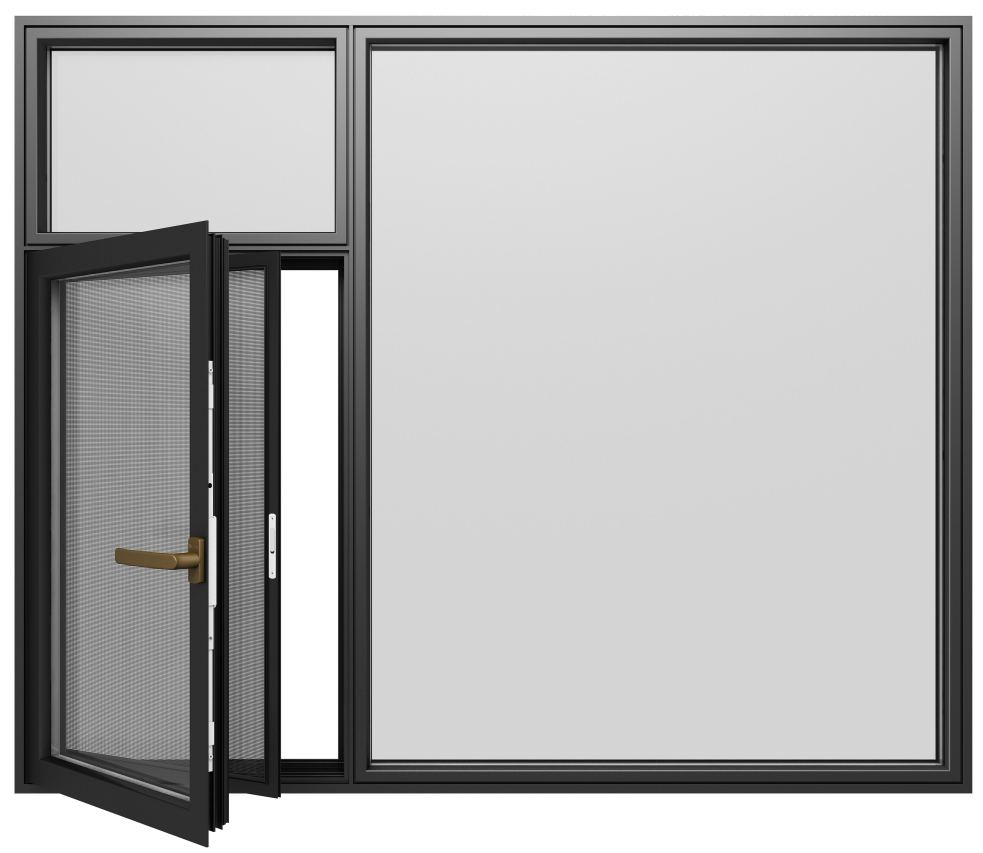
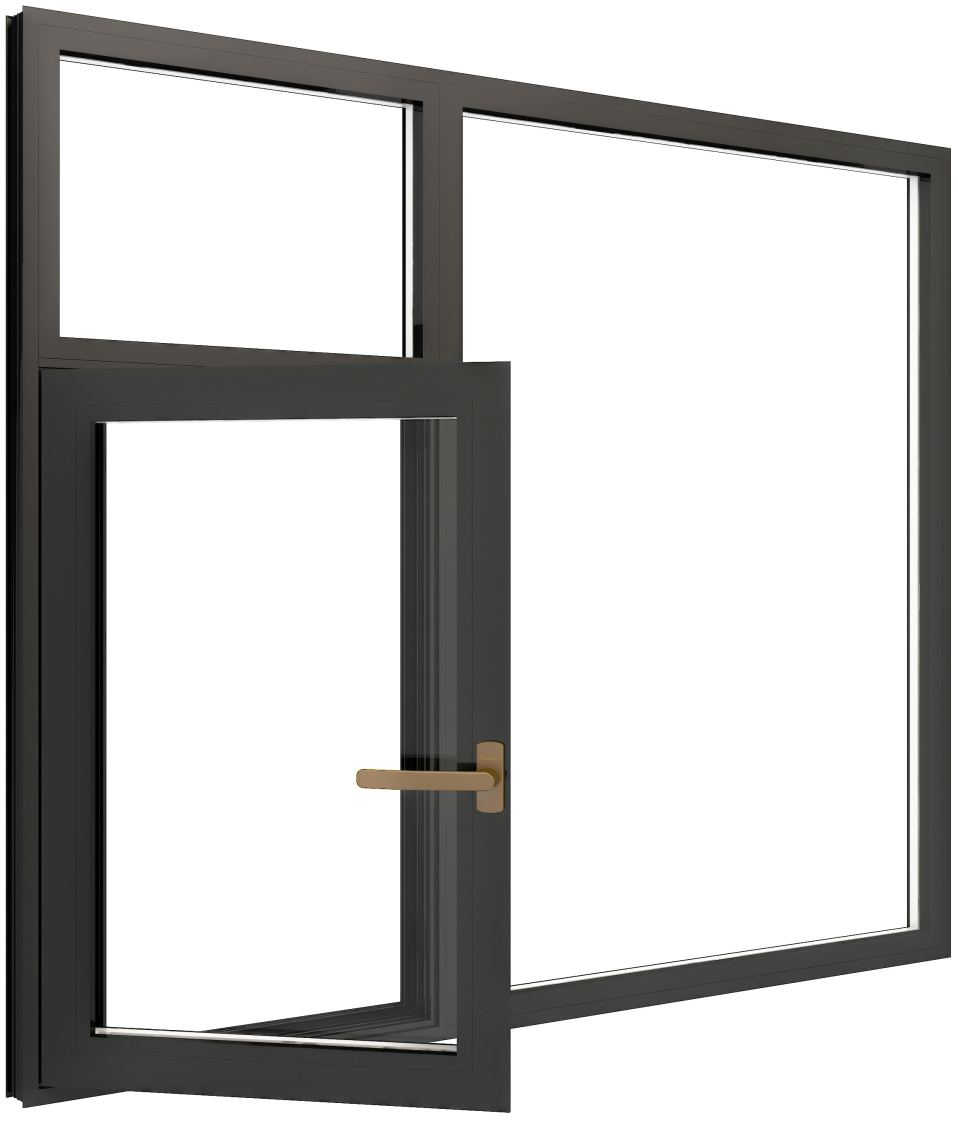
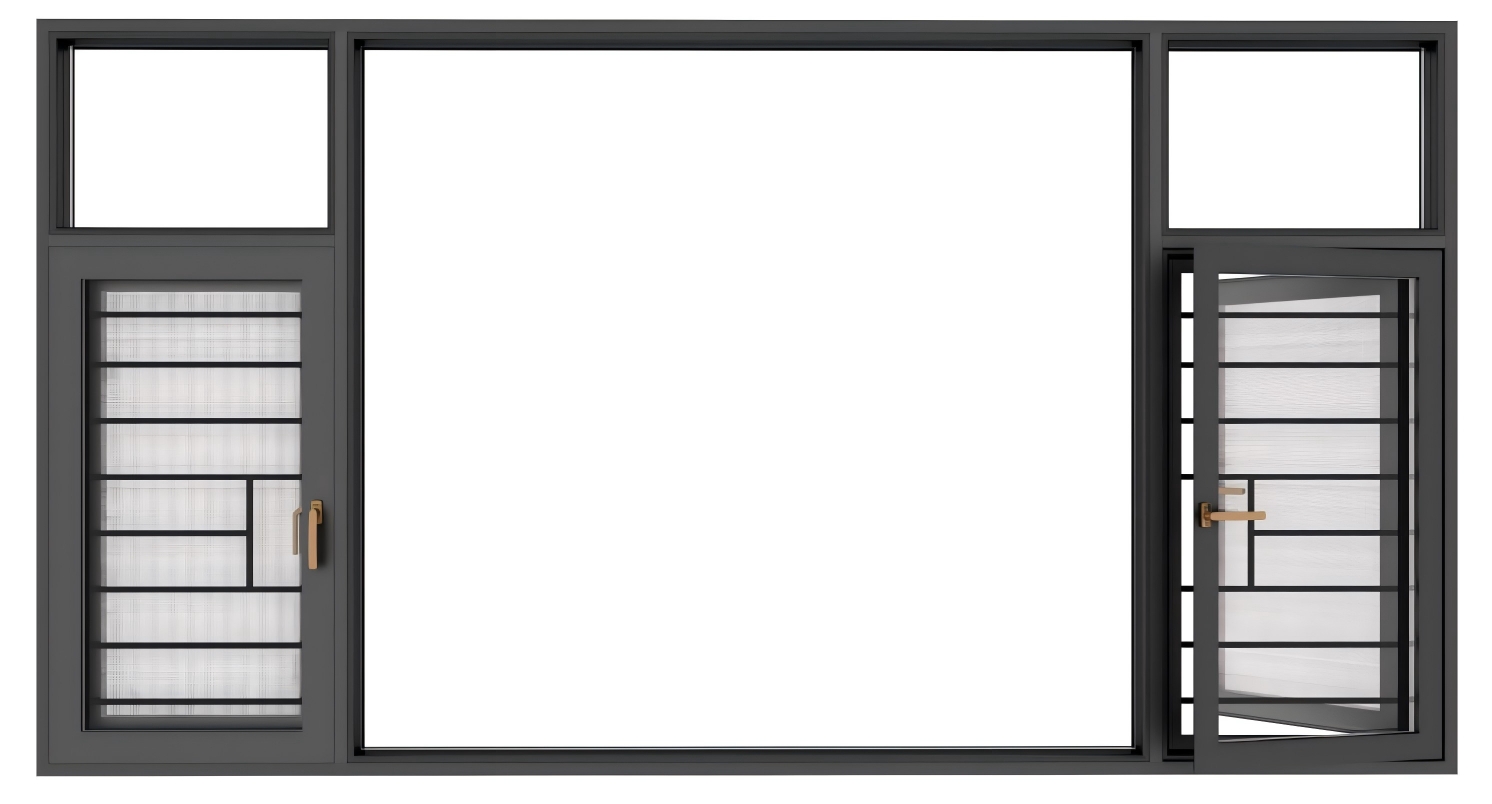
Flügelfenster – die seitlich angeschlagen sind und sich nach außen öffnen lassen – bieten eine dichtere Abdichtung und eine bessere Wärmedämmung als Schiebe- oder Doppelfenster. Mit modernen Verbesserungen wie thermisch getrennten Sprossen, dreifachen EPDM-Dichtungen und fortschrittlichen Verglasungen versprechen sie erhebliche Energieeinsparungen.
Aber sind sie immer noch die erste Wahl, oder haben andere Fenstertypen aufgeholt? Schauen wir uns die Daten, die Technologie und die praktischen Vorteile von Flügelfenstersysteme.
Warum ein Flügelfenstersystem anderen Fenstertypen in puncto Energieeinsparung überlegen ist
Nicht alle Fenster dichten gleich gut ab. Dieser eine Unterschied erklärt den Großteil der Energieeffizienzlücke zwischen Flügelfenstern und anderen Fenstertypen.
Der Vorteil der Dichtung: Kompression vs. Gleitreibung
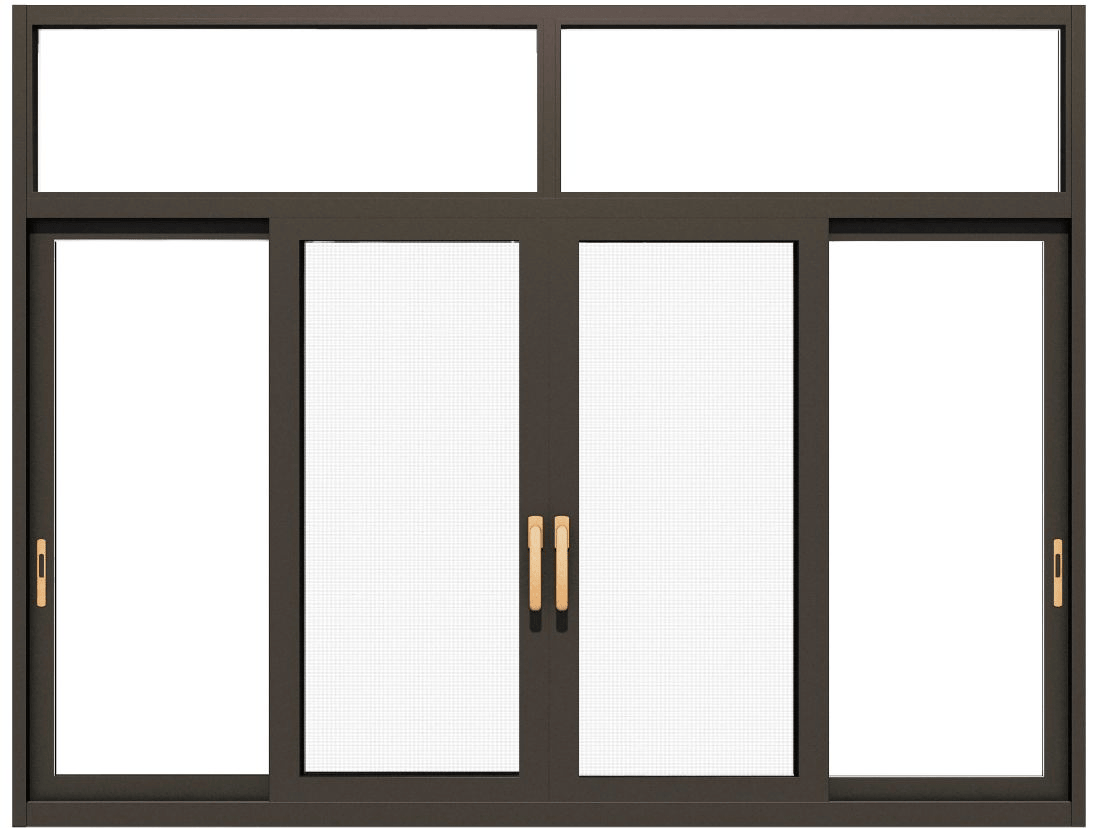
Bei Doppelflügel- und Schiebefenstern sind die vertikalen Führungsschienen mit Dichtungen versehen. Mit der Zeit – manchmal schon nach wenigen Jahren – nutzen sich diese Schienen ab, es entstehen Spalten, und Luft dringt ein. A Flügelfenstersystem funktioniert nach einem völlig anderen Prinzip. Der Flügel wird durch Drücken geschlossen gegen den Rahmen, wobei die Dichtungen zusammengedrückt werden, anstatt an ihnen vorbeizugleiten. Das Ergebnis ist eine deutlich geringere Luftleckage.
Eine Studie der kanadischen Regierung bestätigt dies direkt: Einfach- und Doppelflügelfenster sind nicht so energieeffizient wie Flügel- oder Klappfenster. Die Konstruktion der Kompressionsdichtung ist einfach unübertroffen.
Unabhängige Analysen zeigen, dass Flügelfenster Hausbesitzern Einsparungen von bis zu $3.600 bei den Energiekosten über einen Zeitraum von zehn Jahren. In konkreten Zahlen ausgedrückt ist das ein erheblicher Unterschied – nicht nur in puncto Komfort, sondern auch beim Cashflow.
Der Belüftungsfaktor
Eine dichte Abdichtung ist nur die halbe Miete. Flügelfenster lassen sich zudem vollständig öffnen. Im Gegensatz zu Kippfenstern, bei denen sich nur ein Teil des Rahmens öffnen lässt, ist ein Flügelfenstersystem lässt sich vollständig öffnen und ermöglicht so eine maximale natürliche Belüftung. Dadurch wird an milden Tagen die Abhängigkeit von mechanischer Kühlung verringert – ein sekundärer, aber bedeutender Energievorteil.
Ein Hinweis zu den Nachteilen
Kein Fenster ist perfekt. Flügelfenster sind in der Anschaffung in der Regel teurer als Schiebefenster, erfordern eine präzise Montage und müssen in einigen Regionen mit Sicherheitsarretierungen ausgestattet sein, um zu verhindern, dass nach außen öffnende Flügel mit Gegenständen im Außenbereich kollidieren. Angesichts der Energieeinsparungen halten die meisten Hausbesitzer diese Kompromisse für akzeptabel.
Flügelfenster vs. Doppelflügelfenster: Ein kurzer Vergleich
| Merkmal | Flügelfenster | Doppelflügelfenster |
|---|---|---|
| Dichtungstyp | Druckdichtung | Schiebevorrichtungen/Dichtungen |
| Luftleckage | Sehr niedrig | Mäßig bis hoch |
| Energieeinsparungen (10 Jahre) | Bis zu $3.600 | Deutlich weniger |
| Belüftung | Vollständige Öffnung (ohne Hindernisse) | Maximal halb geöffnet |
| Anfangskosten | Höher | Nach unten |
| Ideal für | Energieeffiziente Gebäude, kalte Klimazonen | Traditionelle Ästhetik, kostengünstige Projekte |
Wie das 70-Casement-Fenstersystem eine außergewöhnliche Wärmedämmleistung erzielt
Reden ist billig. Technologie hingegen nicht. Eine moderne Flügelfenstersystem erreicht seine Energieeffizienz durch vier spezifische technische Merkmale.
1. thermisch getrennte Leisten
Metallrahmen leiten Wärme. Das ist Physik. In kalten Klimazonen wirken Aluminiumrahmen als Wärmebrücken und leiten die Wärme von innen nach außen ab. A thermische Trennung—eine zwischen dem inneren und dem äußeren Rahmenabschnitt eingefügte Polyamid-Barriere—unterbricht diesen Leitungsweg.
Die 70er-Serie Flügelfenstersystem Verwendungszwecke 34 mm breite thermisch getrennte Sprossen, die speziell für eine maximale Wärmedämmung importiert wurden. Diese Breite ist beträchtlich: Viele Standard-Wärmedämmstreifen sind 20–24 mm breit. Ein breiterer Dämmstreifen bedeutet eine geringere Wärmeleitfähigkeit und bessere U-Werte.
2. Dreischichtige EPDM-Abdichtung
Die meisten Fenster der Einstiegsklasse verfügen über einen oder zwei Dichtungspunkte. Modelle der höheren Preisklasse Flügelfenstersysteme wie die 70er-Serie enthalten EPDM-Dichtungen an drei wichtigen Kontaktstellen. EPDM-Kautschuk (Ethylen-Propylen-Dien-Monomer) behält seine Elastizität über extreme Temperaturbereiche hinweg bei – von -40 °C bis +120 °C –, sodass die Dichtungen auch nach einem einzigen Winter nicht aushärten und reißen.
Das dreischichtige System bietet drei messbare Vorteile:
Schalldämmung bis zu 42 dB, was für Grundstücke an Straßenrändern oder in dicht bebauten Stadtgebieten von entscheidender Bedeutung ist
Luft- und Wasserdichtheit die Zugluft und Undichtigkeiten bei starkem Regen verhindern
Senkung der HLK-Kosten um bis zu 30% durch minimierte Wärmeübertragung
3. Rahmen mit Kammern und Warm-Edge-Abstandhaltern
Der Rahmen selbst besteht nicht aus einem massiven Materialblock. In den Mehrkammerprofilen bilden sich Hohlräume mit stillstehender Luft, die als Isolierung dienen. Die 70er-Serie Flügelfenstersystem kombiniert Rahmen mit Kammerbauweise mit Warmkanten-Abstandhalter—Bauteile, die Glasscheiben voneinander trennen, ohne dass am Rand der Einheit eine Wärmebrücke entsteht. Diese Kombination verringert Kondenswasserbildung und Wärmeverlust, was bei Temperaturen unter Null besonders wichtig ist.
4. Hochleistungsverglasung
Selbst der beste Rahmen ist ohne das richtige Glas verschwendet. Die 70er-Serie eignet sich für Doppel- oder Dreifachverglasungen mit Inertgasfüllung. Moderne Fenster können U-Werte von nur 0,22 oder weniger, was bedeutet, dass weniger Wärme durch das Glas entweicht. Argon-Füllungen verbessern die Isolierung um etwa 16%; Krypton kann die Isolierung um bis zu 27% steigern.
Energieeffizienzstandards im Jahr 2026: Was Sie wissen müssen
Die Energievorschriften entwickeln sich ständig weiter. Wenn Sie ein Flügelfenstersystem Für ein gewerbliches Projekt oder eine Wohnbebauung im Jahr 2026 müssen die aktuellen Grenzwerte beachtet werden, um die Vorschriften einzuhalten.
ENERGY STAR „Most Efficient 2025“-Kriterien
Die Auszeichnung „ENERGY STAR Most Efficient 2025“ legt anspruchsvolle Leistungsziele für vier Klimazonen fest:
| Klimazone | Anforderung an den U-Wert | SHGC-Anforderung |
|---|---|---|
| Nördlich | ≤ 0,20 | ≥ 0,20 |
| Nord-Zentral | ≤ 0,20 | ≤ 0,40 |
| Süd-Zentral | ≤ 0,20 | ≤ 0,23 |
| Südlich | ≤ 0,21–0,22 | ≤ 0,21–0,23 |
Ein U-Wert von 0,20 oder weniger ist anspruchsvoll. Viele handelsübliche Flügelfenster erfüllen diese Anforderung nicht. Ein fachgerecht konstruiertes Flügelfenstersystem mit 34-mm-Wärmedämmstreifen und Dreifachverglasung können diese Werte erreichen oder sogar übertreffen.
Aktualisierungen des kalifornischen Titel 24 für das Jahr 2025
In Kalifornien wurden im Rahmen der Energieeffizienzstandards für Gebäude 2025 die verbindlichen Höchstwerte für den U-Wert von 0,30 auf 0.27 in den Klimazonen 1–5 und 11–14. Diese Senkung um 0,03 mag gering erscheinen, doch in der Praxis führt sie dazu, dass viele kostengünstigere Fenstervarianten die Anforderungen nicht mehr erfüllen.
Marktentwicklung: Flügelfenster sind auf dem Vormarsch
Bauunternehmer und Bauträger nehmen dies aufmerksam zur Kenntnis. Der weltweite Markt für Flügelfenster wurde auf 14,25 Milliarden US-Dollar im Jahr 2024, die voraussichtlich 19,03 Milliarden US-Dollar bis 2030 bei einer durchschnittlichen jährlichen Wachstumsrate (CAGR) von 4,78%. Eine andere Analyse beziffert das Marktvolumen für 2025 auf $9,44 Milliarden und geht davon aus, dass es bis 2035 bei einer CAGR von 2,8% auf $12,5 Milliarden ansteigen wird, was insbesondere auf folgende Faktoren zurückzuführen ist: steigende Nachfrage nach energieeffizienten und ästhetisch ansprechenden Fensterkonstruktionen. Immer strengere Energievorschriften und Zertifizierungen für nachhaltiges Bauen wie LEED und BREEAM sorgen dafür, dass Flügelfenster zunehmend in hochleistungsfähige Gebäudehüllen Einzug halten.
Echte Einsparungen: Was ein Flügelfenstersystem tatsächlich einspart
Kommen wir nun von der Theorie zum Geld.
Laut der US-Energieministerium, Hausbesitzer, die Einfachverglasungen durch ENERGY STAR-zertifizierte Modelle ersetzen, sparen durchschnittlich 12% jährlich auf die Energiekosten. Für einen typischen Haushalt, der jährlich $2.000–$3.000 für Heizung und Kühlung ausgibt, sind das $240–$360 pro Jahr.
Die Zahl des DOE bezieht sich jedoch auf den Durchschnitt aller ENERGY STAR-Fenster – Schiebe-, Häng- und Flügelfenster. Ein Hochleistungs- Flügelfenstersystem mit Dichtungen und thermischen Trennungen liegt wahrscheinlich über diesem Durchschnittswert. Die zuvor genannte Einsparung von $3.600 über zehn Jahre entspricht etwa **$360 pro Jahr** – was zwar im Rahmen der vom DOE angegebenen Spanne liegt, jedoch am oberen Ende dieser Spanne, was den Vorteil von Flügelfenstern widerspiegelt.
Der Vorteil der Kondensation
Ein oft übersehener Energievorteil: Trockenrahmen. A Flügelfenstersystem Durch den Einsatz von Warmkanten-Abstandhaltern und ausreichenden thermischen Trennungen wird die Kondenswasserbildung im Innenbereich deutlich reduziert. Warum ist das für den Energieverbrauch von Bedeutung? Weil feuchte Rahmen verrotten, Dichtungen versagen und sich die Austauschintervalle verkürzen. Indem die Rahmen trocken gehalten werden, halten gute Fenster länger – und eine längere Lebensdauer ist an sich schon eine Form der Energieeinsparung.
Praxisbeispiel: Eine Modernisierung in den Twin Cities
Stellen Sie sich ein Split-Level-Haus aus den 1980er Jahren in Minneapolis vor, das mit 15 einscheibigen Aluminium-Flügelfenstern ausgestattet ist – schlecht abgedichtet und zugig. Der Austausch dieser Fenster gegen moderne Flügelfenstersystem Dank Dreifachverglasung, 34-mm-Wärmedämmstreifen und dreifachen EPDM-Dichtungen sank die Erdgasrechnung des Hausbesitzers von $1.800 auf $1.200 pro Winter. Amortisationszeit: knapp vier Jahre. Das ist keine theoretische Prognose, sondern eine tatsächliche Kapitalrendite.
So wählen Sie das richtige Flügelfenstersystem für Ihr Klima aus
Nicht jeder Flügelfenstersystem passt zu jedem Standort. Hier ist ein klimabasiertes Entscheidungsmodell.
Klimazone 1–5 (nördlich / kalt). Legen Sie vor allem Wert auf den U-Wert. Achten Sie auf einen U-Wert von ≤ 0,20, Dreifachverglasung, Argon- oder Krypton-Gasfüllung sowie breite thermische Trennstreifen (≥ 30 mm). Der SHGC-Wert kann höher sein, um passive Sonnenwärme zu nutzen.
Klimazone 6–8 (Nord-Zentral / gemischt). Finden Sie das richtige Gleichgewicht zwischen U-Wert und SHGC. Streben Sie einen U-Wert von ≤ 0,20 und einen SHGC von ≤ 0,40 an. Low-E-Beschichtungen spielen hier eine wichtige Rolle – im Winter soll Sonnenwärme hereinkommen, im Sommer jedoch nicht.
Klimazone 9–12 (Süd-Zentral / Heiß). Legen Sie den Schwerpunkt auf den SHGC-Wert. Achten Sie auf einen SHGC-Wert ≤ 0,23 und einen U-Wert ≤ 0,20. Low-E-Beschichtungen mit hoher Durchlässigkeit im sichtbaren Bereich, aber geringem solaren Wärmegewinn sind unerlässlich.
Klimazone 13–16 (Südlich / Heiß-feucht). Ein SHGC-Wert unter 0,23 ist kritisch. Low-E-Beschichtungen sollten Infrarotwärme abweisen und gleichzeitig Tageslicht durchlassen. Auch die Belüftung spielt hier eine Rolle – Flügelfenster sind besonders geeignet, da sie den Luftzug gut nutzen können.
Fünf Fragen, die Sie sich vor dem Kauf stellen sollten
Wie hoch sind der zertifizierte U-Wert und der SHGC? Glauben Sie keinen Werbeversprechen. Achten Sie auf NFRC-zertifizierte Etiketten.
Wie breit sind die thermischen Trennstellen? Alles unter 24 mm gilt als Standard. 34 mm (wie bei der 70er-Serie) ist Premium.
Wie viele Dichtstellen? Eine einfache oder doppelte Abdichtung ist die Grundausstattung. Eine dreifache EPDM-Abdichtung ist eine Hochleistungsvariante.
Welche Hardware wird verwendet? Europäische Marken wie Siegenia, Roto oder GU werden auf mehr als 20.000 Betätigungszyklen getestet. Billige Beschläge versagen schnell und führen zum Bruch der Dichtung.
Erfüllt das System die Anforderungen von „ENERGY STAR Most Efficient 2025“? Falls ja, wurde dies unabhängig überprüft.
2026 – Integration intelligenter Fenster
Noch etwas, das man sich ansehen sollte: die Integration in die Hausautomation. Einige Flügelfenstersysteme unterstützen mittlerweile motorisierte Antriebe, die mit Wettersensoren verbunden sind. Wird Regen erkannt, schließen sich die Fenster automatisch. Sinkt die Raumluftqualität, öffnen sie sich. Das ist zwar kein Kernaspekt der Energieeffizienz – stellt aber im Jahr 2026 einen zunehmend wichtigen Mehrwert dar.
Ein genauerer Blick: Die 70er-Serie als Beispiel
Das Flügelfenstersystem 70 von Hanyue zeigt, wie ein leistungsstarkes Flügelfenstersystem wurde entwickelt. Zu den wichtigsten technischen Daten gehören:
Strukturelle Integrität: Patentierte Eckverbindungen mit eingespritzter Dichtungsmasse, die jahrzehntelang Rahmenverformungen und Luftundichtigkeiten verhindern
Hardware-Optionen: Importierte europäische Marken, die einem Test mit 20.000 Zyklen unterzogen wurden
Abdichtung: Dreischichtige EPDM-Dichtungen, die Luftdichtheit, Wasserdichtheit und eine Schalldämmung von 42 dB gewährleisten
Wärmeleistung: 34-mm-Kaltbrückenprofile, Kammerrahmen und Warm-Edge-Abstandhalter, konform mit den ENERGY STAR-Anforderungen für die nördliche Zone
Vielseitigkeit: Kipp- und Dreh- (nach innen) oder Dreh-Kipp-Öffnungsarten (nach außen), geeignet für Hochhauswohnungen, Villen und Bürogebäude
Dies ist kein Billigprodukt. Es handelt sich um ein technisch ausgereiftes System, das für Projekte entwickelt wurde, bei denen Energieeffizienz und Langlebigkeit unverzichtbar sind.
Warum der 34-mm-Unterschied wichtiger ist, als man denkt
Um das zu veranschaulichen: Eine standardmäßige 20-mm-Wärmebrücke weist bei gleicher Aluminiumprofilstärke eine um etwa 40% höhere Wärmeleitfähigkeit auf als eine 34-mm-Wärmebrücke. Bei einer Fensterfront summiert sich dieser Unterschied zu einem messbaren Wärmeverlust – was leicht zu einer um 5–7% höheren jährlichen Heizlast führt. Wenn also ein Flügelfenstersystem Wenn mit einer Bremswegverkürzung um 34 mm geworben wird, handelt es sich nicht um eine bloße Angabe im Datenblatt. Das ist echte Leistung.
Wartung und Langlebigkeit: So schützen Sie Ihre Investition
Selbst die Besten Flügelfenstersystem erfordert eine grundlegende Pflege, um seine Energieeffizienz über Jahrzehnte hinweg aufrechtzuerhalten.
Reinigen Sie Scharniere und Kurbeln einmal jährlich. Staub und Schmutz beschleunigen den Verschleiß mechanischer Bauteile.
Überprüfen Sie die EPDM-Dichtungen jedes Frühjahr und jeden Herbst. Achten Sie auf Risse, Druckverformungsrest oder Ablösung. Ersetzen Sie beschädigte Dichtungen umgehend.
Schmieren Sie bewegliche Teile mit Silikonspray. Vermeiden Sie Schmiermittel auf Erdölbasis, da diese Gummidichtungen angreifen.
Überprüfen Sie die Anlage jährlich auf Zugluft. Ein einfacher Kerzentest in der Nähe der Dichtungslinie deckt undichte Stellen auf.
Reinigen Sie Glas und Rahmen mit milder Seife und Wasser. Vermeiden Sie scheuernde Reinigungsmittel, die Low-E-Beschichtungen zerkratzen könnten.
Ein gut gepflegtes Flügelfenstersystem kann 20 bis 30 Jahre halten, wobei Dichtungen und Beschläge in diesem Zeitraum ein- oder zweimal ausgetauscht werden. Die Energieeinsparungen summieren sich Jahr für Jahr.
Ein Fehler bei der Wartung, den man vermeiden sollte
Reinigen Sie die Beschläge von Flügelfenstern nicht mit einem Hochdruckreiniger. Der hohe Wasserdruck dringt an den Dichtungen vorbei in das Getriebe ein, wodurch das Schmiermittel ausgewaschen wird und es zu vorzeitigem Verschleiß kommt. Verwenden Sie stattdessen ein feuchtes Tuch und eine weiche Bürste.
Fazit: Ist ein Flügelfenstersystem im Jahr 2026 die beste Wahl?
Ja – unter einer wichtigen Voraussetzung.
A Flügelfenstersystem gilt auch heute noch als einer der energieeffizientesten Fenstertypen. Seine Konstruktion mit Kompressionsdichtung sorgt in Kombination mit thermischen Trennungen, dreifacher Abdichtung und Hochleistungsverglasung für eine hervorragende Wärmedämmung und Luftdichtheit im Vergleich zu Schiebefenstern oder Doppelfenstern.
Die Leistung hängt jedoch von der Qualität ab. Eine unsachgemäße Montage, zu schmale thermische Trennstreifen, unzureichende Dichtungen oder minderwertige Beschläge können den Wirkungsgrad mindern und die Vorteile zunichte machen. Die Technologie funktioniert nur so gut, wie sie ausgeführt und montiert wird.
Für Hausbesitzer, Bauunternehmer und Bauträger, denen Energieeinsparungen, Komfort und langfristiger Wert wichtig sind, ist ein fachgerecht geplantes Flügelfenstersystem auch im Jahr 2026 noch immer die erste Wahl.
Wenn Sie ein Upgrade in Betracht ziehen, dann ist das 70 Flügelfenster-System bietet bewährte Leistung, zertifizierte Hardware und lange Lebensdauer – und ist damit die ideale Wahl sowohl für private als auch für gewerbliche Projekte.